
JLPT N3: Significados das palavras - Unsolved

Aprenda em português os significados de 1677 palavras do JLPT N3 com questões de quatro alternativas.
-
língua
-
planície
-
banho
-
condição / tom
-
moeda de cobre
-
comparação
-
sofá
-
dano
-
vida
-
solução
-
especialista
-
constituição
-
vinho
-
o nada
-
direção de veículo / operação
-
íntimo
-
intenso
-
bom
-
não necessariamente
-
principalmente
-
em algum lugar
-
aparecer
-
combinar / ajustar
-
proteger / obedecer
- 「お目にかかる」は「会う」の謙譲表現。
- 表記ゆれとして「お目に掛かる」がある。
-
delicadamente / silenciosamente
-
dormindo profundamente
-
não pode ser
-
travessura
-
personalidade
-
prata
パーセント
por cento
パーセント
por cento
Explanation
por cento
パーセント
unidade que indica uma parte de cem (%) / taxa ou proporção expressa em centésimos

( romanization )
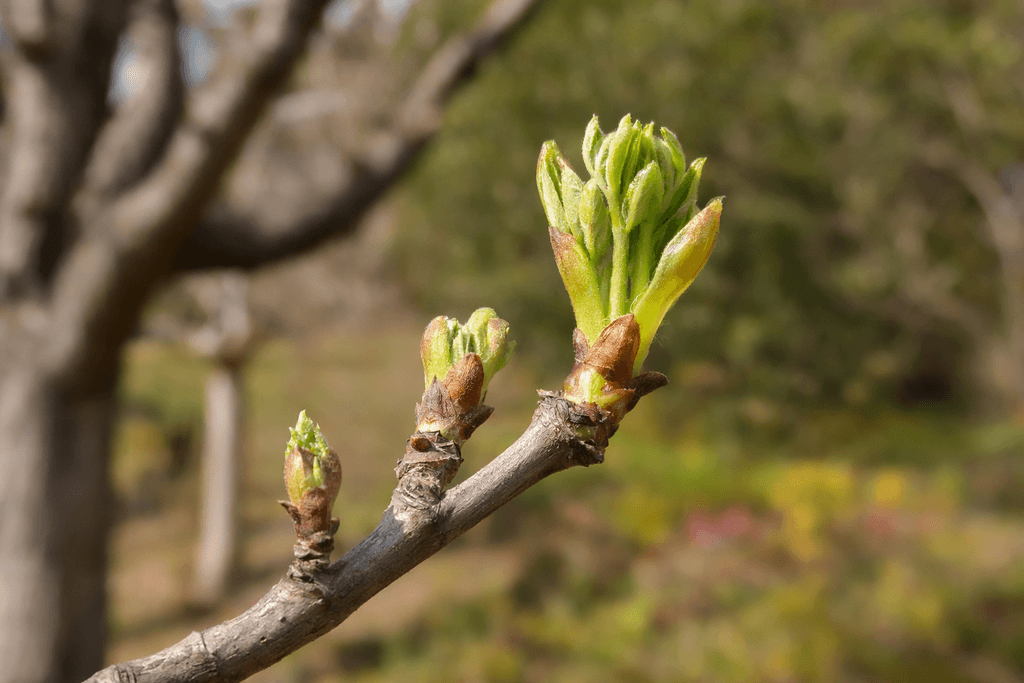
芽
broto
芽
broto
Explanation
芽
broto
芽
broto / rebento / gema
( romanization )
( hiragana )
金融
finanças
金融
finanças
Explanation
金融
finanças
金融
finanças / setor financeiro / serviços financeiros

( Base form )
( romanization )
( hiragana )
奨学金
bolsa de estudos
奨学金
bolsa de estudos
Explanation
奨学金
bolsa de estudos
奨学金
bolsa de estudos / auxílio estudantil / subsídio para estudos

( Base form )
( romanization )
( hiragana )
胸
peito
胸
peito
Explanation
胸
peito
胸
peito / tórax / seio

( romanization )
( hiragana )
可愛らしい
adorável
可愛らしい
adorável
Explanation
可愛らしい
adorável
可愛らしい
fofo / adorável / bonitinho

Word Forms
The basic and commonly used forms of this adjective.
Basic forms
| Form | Word form | Usage |
|---|---|---|
| Imperfective form (mizenkei) | Used in forms such as karou; mainly literary. | |
| Continuative form (renyokei) |
Alternative:
可愛らしかっ
|
Used in forms such as kute and kunai. |
| Conclusive form (shushikei) | Ends a sentence. | |
| Attributive form (rentaikei) | Modifies a noun. | |
| Conditional form (kateikei) | Expresses a condition with kereba. | |
| Imperative form (meireikei) | Rarely used in modern Japanese. |
Common forms
なんとか
de algum jeito
なんとか
de algum jeito
Explanation
de algum jeito
なんとか
de algum modo / de alguma forma / de uma maneira ou de outra

( romanization )
お目にかかる
encontrar
お目にかかる
encontrar
Explanation
お目にかかる
encontrar
お目にかかる
encontrar-se com alguém (de forma humilde/formal) / ter a honra de conhecer / ver (em linguagem humilde)

Word Forms
The basic and commonly used forms of this verb.
Basic forms
| Form | Word form | Usage |
|---|---|---|
| Imperfective form (mizenkei) |
Alternative:
お目に掛から
おめにかから
|
Connects to endings such as nai, reru, and seru. |
| Continuative form (renyokei) |
Alternative:
お目に掛かり
おめにかかり
|
Connects to endings such as masu, tai, and ta. |
| Conclusive form (shushikei) |
Alternative:
お目に掛かる
おめにかかる
|
Ends a sentence and serves as the dictionary form. |
| Attributive form (rentaikei) |
Alternative:
お目に掛かる
おめにかかる
|
Modifies a noun. |
| Conditional form (kateikei) |
Alternative:
お目に掛かれ
おめにかかれ
|
Combines with ba to express a condition. |
| Imperative form (meireikei) |
Alternative:
お目に掛かれ
おめにかかれ
|
Expresses a command or instruction. |
Common forms
| Form | Word form | Usage |
|---|---|---|
| Te-form |
Alternative:
お目に掛かって
おめにかかって
|
Connects clauses with te. |
| Ta-form |
Alternative:
お目に掛かった
おめにかかった
|
Expresses the past with ta. |
| Nai-form |
Alternative:
お目に掛からない
おめにかからない
|
Expresses negation with nai. |
| Masu-form |
Alternative:
お目に掛かります
おめにかかります
|
Used for polite speech. |
| Ba-form |
Alternative:
お目に掛かれば
おめにかかれば
|
Expresses a condition with ba. |
| Volitional form |
Alternative:
お目に掛かり
おめにかかり
|
Expresses intention or invitation. |
Notes
まるで
como se / completamente
まるで
como se / completamente
Explanation
como se / completamente
まるで
completamente; inteiramente / bem; totalmente / como se; tal qual

( romanization )
種
semente / causa
種
semente / causa
Explanation
種
semente / causa
種
semente; caroço / causa; origem; assunto / tipo; espécie; segredo (de truque)

( romanization )
( hiragana )
Loading...

JLPT N3 多言語単語帳・1677語 / JLPT N3 Multilingual Vocabulary: 1677 Words

Jonathan Waller 氏の JLPT Resources の語彙リスト・レベル分類を出典とし、CC BY の条件に従って DiQt が学習者向けに意味を作り直した1677語の単語帳です。JLPT公式の語彙リストではありません。
This collection of 1677 words is based on the vocabulary list and level classifications in Jonathan Waller’s JLPT Resources under CC BY, with meanings rewritten by DiQt for learners. It is not an official JLPT vocabulary list.
Key Operations
Select the first quiz:
Ctrl + Enter
View Explanation:Ctrl + G
Close a feedback:Esc
When selecting a quiz
Answer:Enter
Select a choice:↓ or ↑
Reading out the question:Ctrl + K
View Hint: Ctrl + M
I don't know: Ctrl + Y



