
JLPT N3: Significados das palavras - Unsolved

Aprenda em português os significados de 1677 palavras do JLPT N3 com questões de quatro alternativas.
-
participar / ser acrescentado
-
soltar
-
alcançar / chegar
-
revigorado / de jeito nenhum
-
de repente
-
tudo
-
afirmação
-
artigo
-
cereal
-
partir
-
medir
-
faltar / lascar
-
aprovação em exame
-
trabalho de escritório
-
colega de trabalho
-
contar
-
obter
-
trair
-
prolongar / esticar
-
conectar
-
celebrar / parabenizar
-
prolongar / esticar
-
perceber
-
afundar / ficar deprimido
-
influência
-
absorto
-
capital do país
-
período diurno
-
estabilidade
-
compreensão / aceitação
試す
testar
試す
testar
Explanation
試す
testar
試す
testar / experimentar / tentar

Word Forms
The basic and commonly used forms of this verb.
Basic forms
| Form | Word form | Usage |
|---|---|---|
| Imperfective form (mizenkei) |
Alternative:
試そ
|
Connects to endings such as nai, reru, and seru. |
| Continuative form (renyokei) | Connects to endings such as masu, tai, and ta. | |
| Conclusive form (shushikei) | Ends a sentence and serves as the dictionary form. | |
| Attributive form (rentaikei) | Modifies a noun. | |
| Conditional form (kateikei) | Combines with ba to express a condition. | |
| Imperative form (meireikei) | Expresses a command or instruction. |
Common forms
近頃
ultimamente
近頃
ultimamente
Explanation
近頃
ultimamente
近頃
recentemente / ultimamente / nos últimos tempos

( Base form )
( romanization )
( hiragana )
整理
arrumação
整理
arrumação
Explanation
整理
arrumação
整理
organização ordenada de algo / enxugamento corporativo; redução de pessoal / dissolução ou liquidação de empresa

( Base form )
( romanization )
( hiragana )
微笑む
sorrir
微笑む
sorrir
Explanation
微笑む
sorrir
微笑む
sorrir / esboçar um sorriso

Word Forms
The basic and commonly used forms of this verb.
Basic forms
| Form | Word form | Usage |
|---|---|---|
| Imperfective form (mizenkei) |
Alternative:
微笑も
|
Connects to endings such as nai, reru, and seru. |
| Continuative form (renyokei) | Connects to endings such as masu, tai, and ta. | |
| Conclusive form (shushikei) | Ends a sentence and serves as the dictionary form. | |
| Attributive form (rentaikei) | Modifies a noun. | |
| Conditional form (kateikei) | Combines with ba to express a condition. | |
| Imperative form (meireikei) | Expresses a command or instruction. |
Common forms
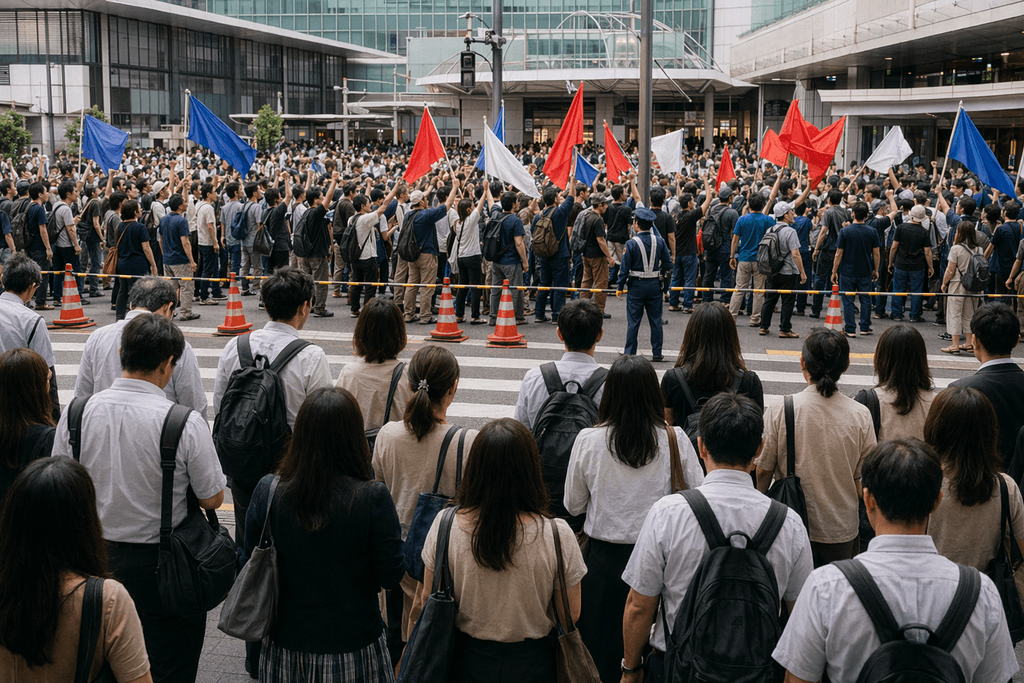
デモ
demonstração / protesto
デモ
demonstração / protesto
Explanation
demonstração / protesto
デモ
manifestação (protesto público) / demonstração curta / versão de demonstração (demo)
( romanization )
ひろがる
espalhar-se
ひろがる
espalhar-se
Explanation
espalhar-se
ひろがる
espalhar-se / expandir-se / estender-se

Word Forms
The basic and commonly used forms of this verb.
Basic forms
| Form | Word form | Usage |
|---|---|---|
| Imperfective form (mizenkei) |
Alternative:
広がら
ひろがろ
広がろ
|
Connects to endings such as nai, reru, and seru. |
| Continuative form (renyokei) |
Alternative:
広がり
|
Connects to endings such as masu, tai, and ta. |
| Conclusive form (shushikei) |
Alternative:
広がる
|
Ends a sentence and serves as the dictionary form. |
| Attributive form (rentaikei) |
Alternative:
広がる
|
Modifies a noun. |
| Conditional form (kateikei) |
Alternative:
広がれ
|
Combines with ba to express a condition. |
| Imperative form (meireikei) |
Alternative:
広がれ
|
Expresses a command or instruction. |
Common forms
| Form | Word form | Usage |
|---|---|---|
| Te-form |
Alternative:
広がって
|
Connects clauses with te. |
| Ta-form |
Alternative:
広がった
|
Expresses the past with ta. |
| Nai-form |
Alternative:
広がらない
|
Expresses negation with nai. |
| Masu-form |
Alternative:
広がります
|
Used for polite speech. |
| Ba-form |
Alternative:
広がれば
|
Expresses a condition with ba. |
| Volitional form |
Alternative:
広がろう
|
Expresses intention or invitation. |
離す
separar
離す
separar
Explanation
離す
separar
離す
separar / isolar / desconectar

Word Forms
The basic and commonly used forms of this verb.
Basic forms
| Form | Word form | Usage |
|---|---|---|
| Imperfective form (mizenkei) |
Alternative:
離そ
|
Connects to endings such as nai, reru, and seru. |
| Continuative form (renyokei) | Connects to endings such as masu, tai, and ta. | |
| Conclusive form (shushikei) | Ends a sentence and serves as the dictionary form. | |
| Attributive form (rentaikei) | Modifies a noun. | |
| Conditional form (kateikei) | Combines with ba to express a condition. | |
| Imperative form (meireikei) | Expresses a command or instruction. |
Common forms
話し合う
discutir
話し合う
discutir
Explanation
話し合う
discutir
話し合う
discutir / conversar para chegar a um acordo / debater

Word Forms
The basic and commonly used forms of this verb.
Basic forms
| Form | Word form | Usage |
|---|---|---|
| Imperfective form (mizenkei) |
Alternative:
話し合お
|
Connects to endings such as nai, reru, and seru. |
| Continuative form (renyokei) | Connects to endings such as masu, tai, and ta. | |
| Conclusive form (shushikei) | Ends a sentence and serves as the dictionary form. | |
| Attributive form (rentaikei) | Modifies a noun. | |
| Conditional form (kateikei) | Combines with ba to express a condition. | |
| Imperative form (meireikei) | Expresses a command or instruction. |
Common forms
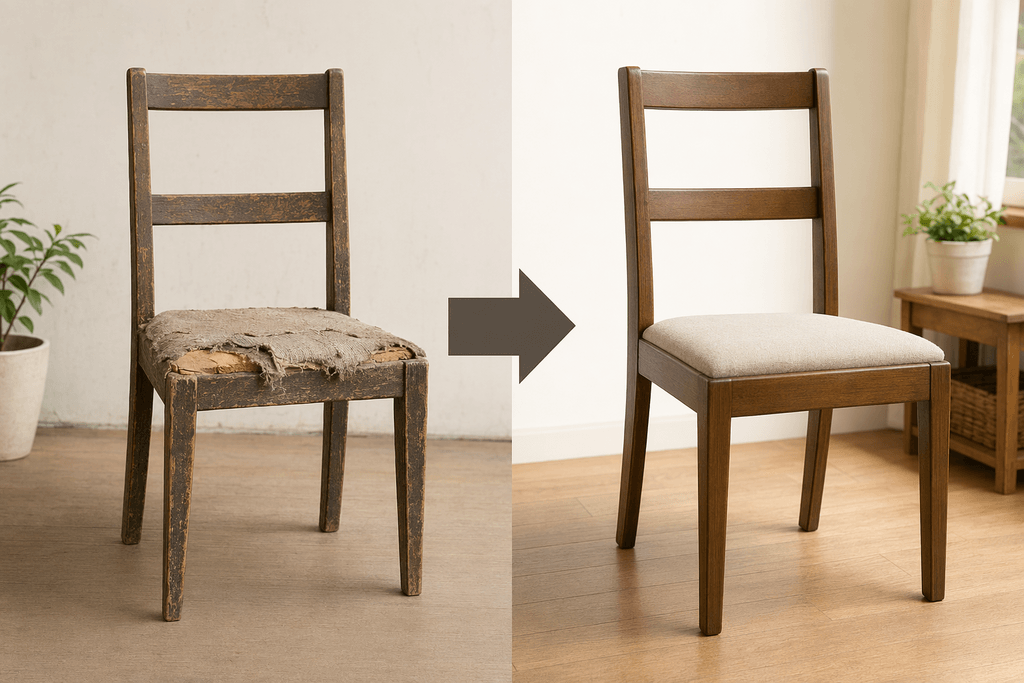
改善
melhoria
改善
melhoria
Explanation
改善
melhoria
改善
melhoria / aprimoramento / aperfeiçoamento
( romanization )
唯一
único
唯一
único
Explanation
唯一
único
唯一
único / o único / algo sem igual

( romanization )
( hiragana )
Loading...

JLPT N3 多言語単語帳・1677語 / JLPT N3 Multilingual Vocabulary: 1677 Words

Jonathan Waller 氏の JLPT Resources の語彙リスト・レベル分類を出典とし、CC BY の条件に従って DiQt が学習者向けに意味を作り直した1677語の単語帳です。JLPT公式の語彙リストではありません。
This collection of 1677 words is based on the vocabulary list and level classifications in Jonathan Waller’s JLPT Resources under CC BY, with meanings rewritten by DiQt for learners. It is not an official JLPT vocabulary list.
Key Operations
Select the first quiz:
Ctrl + Enter
View Explanation:Ctrl + G
Close a feedback:Esc
When selecting a quiz
Answer:Enter
Select a choice:↓ or ↑
Reading out the question:Ctrl + K
View Hint: Ctrl + M
I don't know: Ctrl + Y



