
JLPT N2 Vocabulary Meanings - Unsolved

Learn the English meanings of 1790 JLPT N2 words through questions with four answer choices.
-
anyway
-
at least
-
in this way
-
sew
-
respond / comply
-
take in / adopt
-
illustrated encyclopedia
-
notion / awareness
-
letter paper
-
how many minutes
-
bringing along
-
pliers
-
from place to place
-
soon
-
tightly packed
-
amusement park
-
cooking pot
-
lava
-
longitude
-
sign / presence
-
kanji compound / idiom
-
diameter
-
right angle
-
pardon / refusal
-
depart
-
thrust / poke
-
send over / hand over
- 「命ずる」は現代語では「命じる」としても用いられる。
- 未然形「命ぜ」は「命ぜられる」「命ぜず」などで用いられることがある。
-
get well soon
-
goodbye
-
cheers
再三
repeatedly
再三
repeatedly
Explanation
再三
repeatedly
再三
again and again; over and over again; too many times

( Base form )
( romanization )
( hiragana )
這う
crawl
這う
crawl
Explanation
這う
crawl
這う
to crawl, to creep

Word Forms
The basic and commonly used forms of this verb.
Basic forms
| Form | Word form | Usage |
|---|---|---|
| Imperfective form (mizenkei) |
Alternative:
這お
|
Connects to endings such as nai, reru, and seru. |
| Continuative form (renyokei) | Connects to endings such as masu, tai, and ta. | |
| Conclusive form (shushikei) | Ends a sentence and serves as the dictionary form. | |
| Attributive form (rentaikei) | Modifies a noun. | |
| Conditional form (kateikei) | Combines with ba to express a condition. | |
| Imperative form (meireikei) | Expresses a command or instruction. |
Common forms
電球
light bulb
電球
light bulb
Explanation
電球
light bulb
電球

( Base form )
( romanization )
( hiragana )
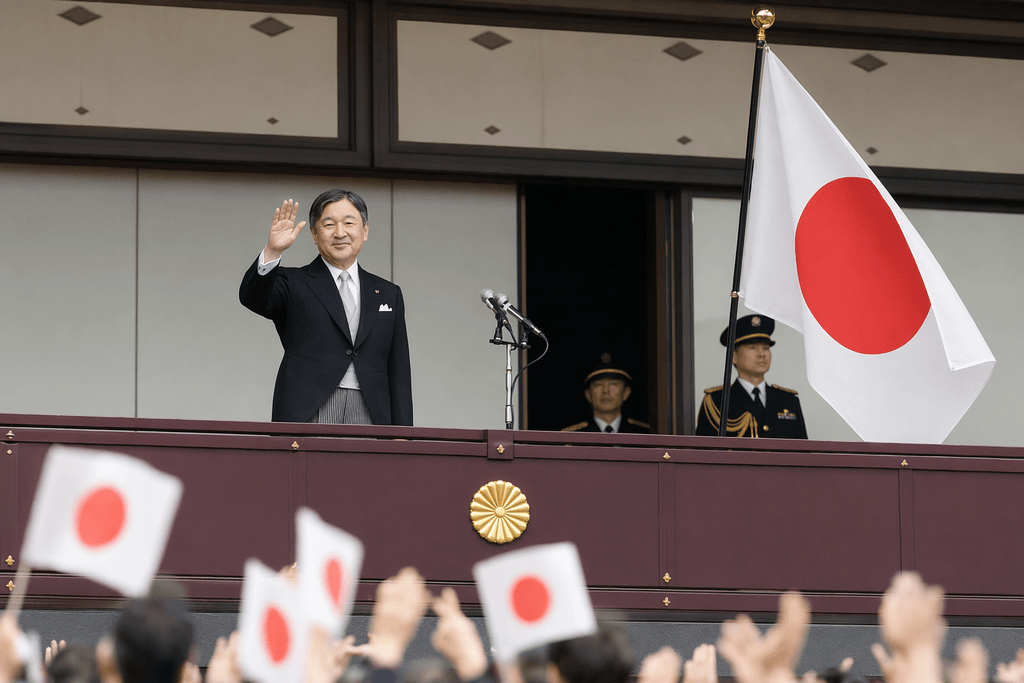
天皇
Emperor of Japan
天皇
Emperor of Japan
Explanation
天皇
Emperor of Japan
天皇
the Emperor of Japan; the reigning sovereign of Japan (including historical empresses regnant) / Emperor of Japan (title)
( Base form )
( romanization )
( romanization )
( hiragana historical )
( hiragana )
うっかり
inadvertently
うっかり
inadvertently
Explanation
inadvertently
うっかり

( Base form )
( Base form )
( romanization )
繋がり
connection
繋がり
connection
Explanation
繋がり
connection
繋がり
connection; relationship; bond

( Base form )
( romanization )
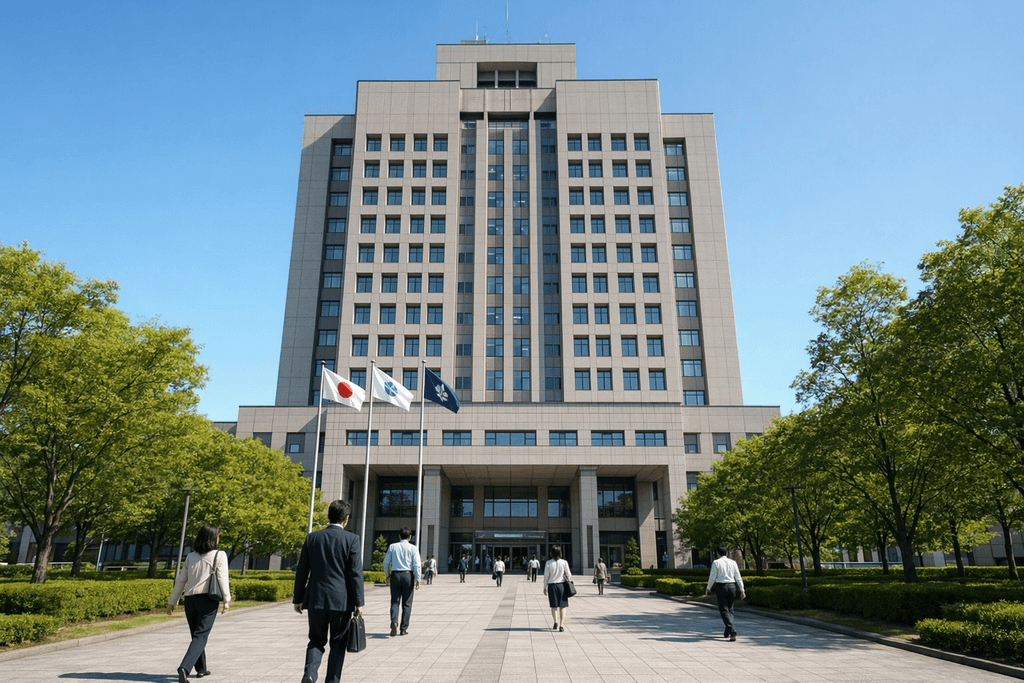
県庁
prefectural office
県庁
prefectural office
Explanation
県庁
prefectural office
県庁
prefectural office
( Base form )
( romanization )
( romanization )
( hiragana historical )
( hiragana )
持参
bringing along
持参
bringing along
Explanation
持参
bringing along
持参
bringing; taking; carrying

( Base form )
( romanization )
( romanization )
( stem )
( Past )
( hiragana historical )
( table-tags )
( inflection-template )
( imperfective stem )
( imperfective stem )
( imperfective )
( continuative stem )
( continuative stem )
( continuative )
( stem terminative )
( stem terminative )
( terminative )
( attributive stem )
( attributive stem )
( attributive )
( hypothetical stem )
( hypothetical stem )
( hypothetical )
( Imperative literary stem )
( colloquial Imperative stem )
( Imperative literary stem )
( colloquial Imperative stem )
( Imperative literary )
( colloquial Imperative )
( Passive voice )
( Passive voice )
( Passive voice )
( causative )
( causative )
( causative )
( causative )
( causative )
( causative )
( potential )
( potential )
( potential )
( volitional )
( volitional )
( volitional )
( negative )
( negative )
( negative )
( continuative negative )
( continuative negative )
( continuative negative )
( formal )
( formal )
( formal )
( perfective )
( perfective )
( perfective )
( conjunctive )
( conjunctive )
( conjunctive )
( Conditional hypothetical )
( Conditional hypothetical )
( Conditional hypothetical )
命ずる
command / appoint
命ずる
command / appoint
Explanation
命ずる
command / appoint
命ずる
command / appoint / name, give a name

Word Forms
The basic and commonly used forms of this verb.
Basic forms
| Form | Word form | Usage |
|---|---|---|
| Imperfective form (mizenkei) |
Alternative:
命ぜ
命ざ
|
Connects to endings such as nai, reru, and seru. |
| Continuative form (renyokei) | Connects to endings such as masu, tai, and ta. | |
| Conclusive form (shushikei) |
Alternative:
命じる
|
Ends a sentence and serves as the dictionary form. |
| Attributive form (rentaikei) |
Alternative:
命じる
|
Modifies a noun. |
| Conditional form (kateikei) |
Alternative:
命じれ
|
Combines with ba to express a condition. |
| Imperative form (meireikei) |
Alternative:
命じよ
命ぜよ
|
Expresses a command or instruction. |
Common forms
| Form | Word form | Usage |
|---|---|---|
| Te-form | Connects clauses with te. | |
| Ta-form | Expresses the past with ta. | |
| Nai-form |
Alternative:
命ぜない
|
Expresses negation with nai. |
| Masu-form | Used for polite speech. | |
| Ba-form |
Alternative:
命じれば
|
Expresses a condition with ba. |
| Volitional form | Expresses intention or invitation. |
Notes
おはよう
good morning
おはよう
good morning
Explanation
good morning
おはよう
good morning

( romanization )
( romanization )
( hiragana historical )
Loading...

JLPT N2 多言語単語帳・1790語 / JLPT N2 Multilingual Vocabulary: 1790 Words

Jonathan Waller 氏の JLPT Resources の語彙リスト・レベル分類を出典とし、CC BY の条件に従って DiQt が学習者向けに意味を作り直した1790語の単語帳です。JLPT公式の語彙リストではありません。
This collection of 1790 words is based on the vocabulary list and level classifications in Jonathan Waller’s JLPT Resources under CC BY, with meanings rewritten by DiQt for learners. It is not an official JLPT vocabulary list.
Key Operations
Select the first quiz:
Ctrl + Enter
View Explanation:Ctrl + G
Close a feedback:Esc
When selecting a quiz
Answer:Enter
Select a choice:↓ or ↑
Reading out the question:Ctrl + K
View Hint: Ctrl + M
I don't know: Ctrl + Y



