
JLPT N2 Vocabulary Meanings - Unsolved

Learn the English meanings of 1790 JLPT N2 words through questions with four answer choices.
-
air-dry
-
dispute / compete
-
command / appoint
-
winter scarf
-
blizzard
-
ceramic ware
-
underpants
-
benefit
-
fundamental principle
-
draw water
-
sow seeds
-
meet by arrangement
- 謙譲語。ラ行五段活用。
-
writing style
-
the day in question
-
centimeter
-
photography / filming
-
public
-
waitress
-
direction / field
-
volume
-
carpenter
-
Wednesday
-
plural / more than one
-
curved line
-
spoil
-
start talking to
-
regret / mourn
-
first of all
-
please
-
at the beginning
編む
knit / compile
編む
knit / compile
Explanation
編む
knit / compile
編む
knit / braid / weave

Word Forms
The basic and commonly used forms of this verb.
Basic forms
| Form | Word form | Usage |
|---|---|---|
| Imperfective form (mizenkei) |
Alternative:
編も
|
Connects to endings such as nai, reru, and seru. |
| Continuative form (renyokei) | Connects to endings such as masu, tai, and ta. | |
| Conclusive form (shushikei) | Ends a sentence and serves as the dictionary form. | |
| Attributive form (rentaikei) | Modifies a noun. | |
| Conditional form (kateikei) | Combines with ba to express a condition. | |
| Imperative form (meireikei) | Expresses a command or instruction. |
Common forms
まぶた
eyelid
まぶた
eyelid
Explanation
eyelid
まぶた

( romanization )
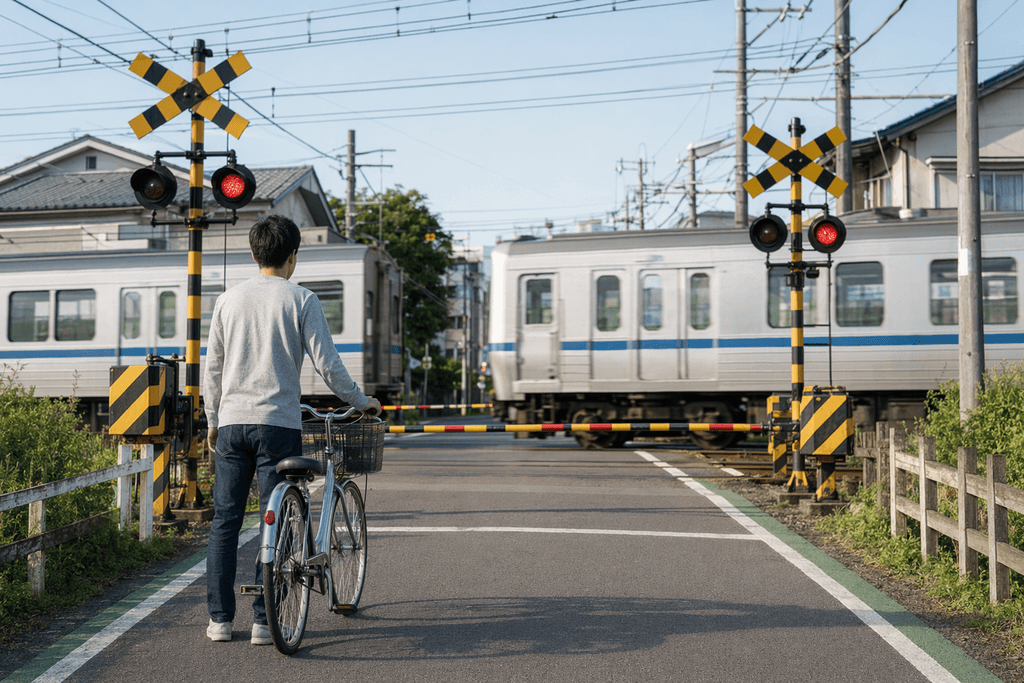
踏切
railroad crossing
踏切
railroad crossing
Explanation
踏切
railroad crossing
踏切
railroad crossing
( Base form )
( romanization )
( hiragana )
承る
hear / receive
承る
hear / receive
Explanation
承る
hear / receive
承る
(humble) to receive; to accept; to take (orders/reservations) / (humble) to hear; to listen to; to be told / (humble) to undertake; to take on; to assume responsibility / (humble) to be informed; to know

Word Forms
The basic and commonly used forms of this verb.
Basic forms
| Form | Word form | Usage |
|---|---|---|
| Imperfective form (mizenkei) |
Alternative:
承ろ
|
Connects to endings such as nai, reru, and seru. |
| Continuative form (renyokei) | Connects to endings such as masu, tai, and ta. | |
| Conclusive form (shushikei) | Ends a sentence and serves as the dictionary form. | |
| Attributive form (rentaikei) | Modifies a noun. | |
| Conditional form (kateikei) | Combines with ba to express a condition. | |
| Imperative form (meireikei) | Expresses a command or instruction. |
Common forms
| Form | Word form | Usage |
|---|---|---|
| Te-form | Connects clauses with te. | |
| Ta-form | Expresses the past with ta. | |
| Nai-form | Expresses negation with nai. | |
| Masu-form | Used for polite speech. | |
| Ba-form | Expresses a condition with ba. | |
| Volitional form | Expresses intention or invitation. |
Notes
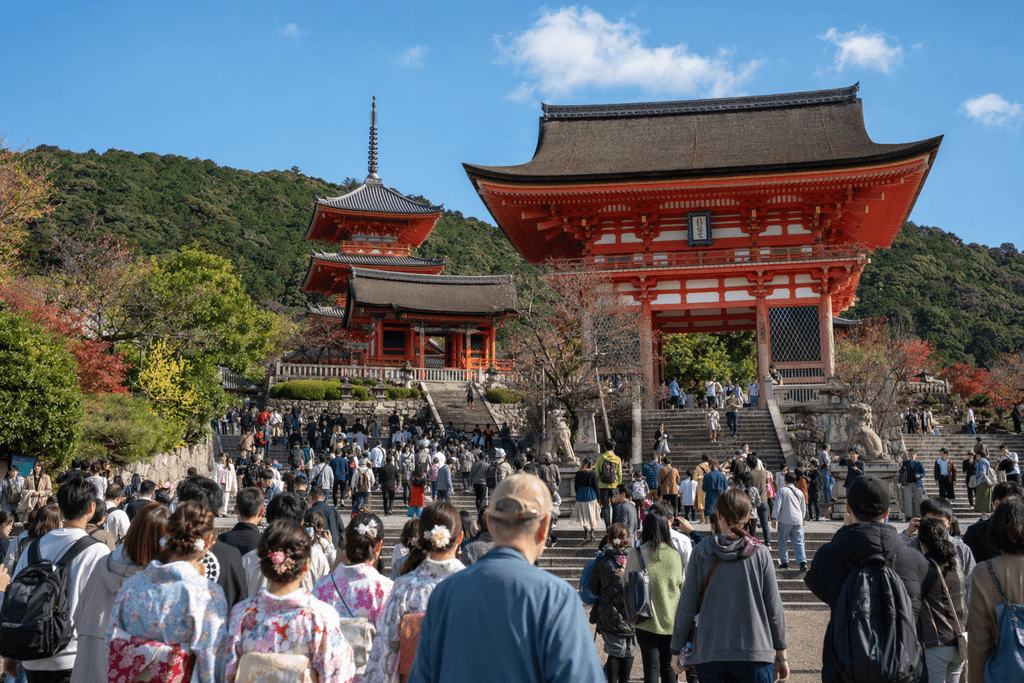
名所
famous landmark
名所
famous landmark
Explanation
名所
famous landmark
名所
( Base form )
( Base form )
( romanization )
( romanization )
( hiragana )
冷凍
freezing
冷凍
freezing
Explanation
冷凍
freezing
冷凍
freezing / deep-freeze / cold storage

( Base form )
( romanization )
( hiragana )
停車
stopping
停車
stopping
Explanation
停車
stopping
停車
stopping, halt (of a train or vehicle)

( Base form )
( romanization )
( romanization )
( hiragana historical )
( hiragana )
トレーニング
training
トレーニング
training
Explanation
training
トレーニング
training, often in sports or at the workplace

( romanization )
見舞う
visit the sick
見舞う
visit the sick
Explanation
見舞う
visit the sick
見舞う
to visit to ask after someone's health / to encounter a misfortune, to be struck by some misfortune

Word Forms
The basic and commonly used forms of this verb.
Basic forms
| Form | Word form | Usage |
|---|---|---|
| Imperfective form (mizenkei) |
Alternative:
見舞お
|
Connects to endings such as nai, reru, and seru. |
| Continuative form (renyokei) | Connects to endings such as masu, tai, and ta. | |
| Conclusive form (shushikei) | Ends a sentence and serves as the dictionary form. | |
| Attributive form (rentaikei) | Modifies a noun. | |
| Conditional form (kateikei) | Combines with ba to express a condition. | |
| Imperative form (meireikei) | Expresses a command or instruction. |
Common forms
ご苦労様
thanks for your work
ご苦労様
thanks for your work
Explanation
ご苦労様
thanks for your work
ご苦労様
Thank you for your hard work, I appreciate your effort

Loading...

JLPT N2 多言語単語帳・1790語 / JLPT N2 Multilingual Vocabulary: 1790 Words

Jonathan Waller 氏の JLPT Resources の語彙リスト・レベル分類を出典とし、CC BY の条件に従って DiQt が学習者向けに意味を作り直した1790語の単語帳です。JLPT公式の語彙リストではありません。
This collection of 1790 words is based on the vocabulary list and level classifications in Jonathan Waller’s JLPT Resources under CC BY, with meanings rewritten by DiQt for learners. It is not an official JLPT vocabulary list.
Key Operations
Select the first quiz:
Ctrl + Enter
View Explanation:Ctrl + G
Close a feedback:Esc
When selecting a quiz
Answer:Enter
Select a choice:↓ or ↑
Reading out the question:Ctrl + K
View Hint: Ctrl + M
I don't know: Ctrl + Y



