
JLPT N2 Vocabulary Meanings - Unsolved

Learn the English meanings of 1790 JLPT N2 words through questions with four answer choices.
-
deny / cancel out
-
mix
-
be mixed
-
apologize
-
soak / dip
-
go out
- 五段活用(カ行)。「て・た」ではイ音便になります。
-
repeatedly
-
fairly
-
for now
-
lay out / spread
-
lean on / cause indigestion
-
resound
-
plural / more than one
-
stockings
-
three days from today
-
katakana
-
kindergarten
-
laundry service
-
get tidied up / be settled
-
wither / deflate
-
close entries / shut tight
-
banknotes
-
fisherman
-
sumo wrestling
-
honorific language
-
taxation
-
fundamental principle
-
nutrients
-
calorie
-
column / entry field
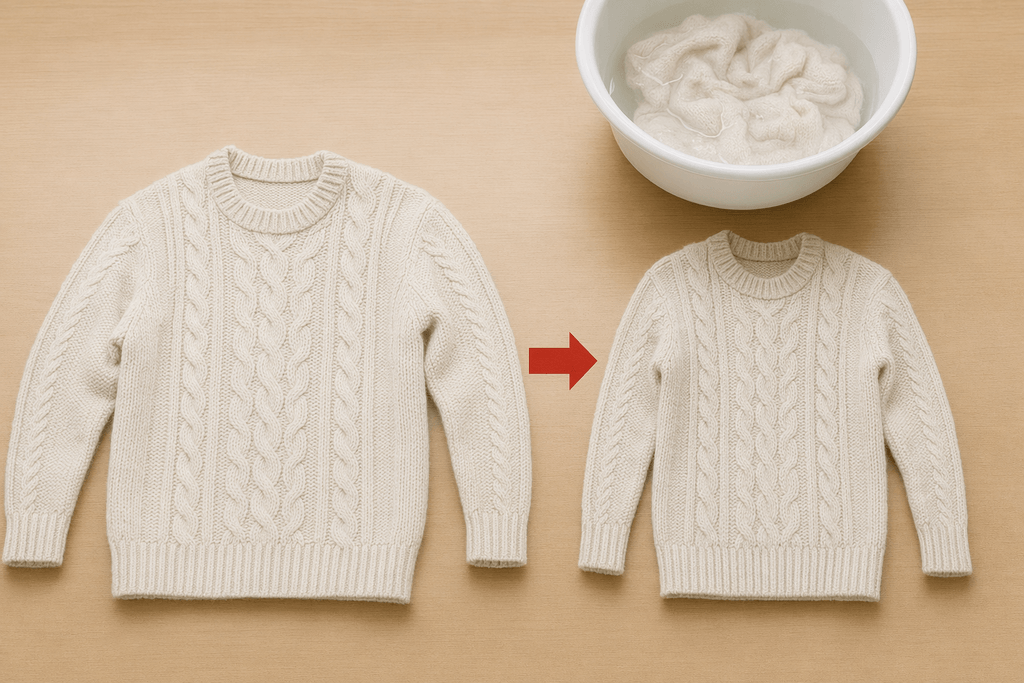
縮む
shrink
縮む
shrink
Explanation
縮む
shrink
縮む
to shrink (to contract, to become smaller)
Word Forms
The basic and commonly used forms of this verb.
Basic forms
| Form | Word form | Usage |
|---|---|---|
| Imperfective form (mizenkei) |
Alternative:
縮も
|
Connects to endings such as nai, reru, and seru. |
| Continuative form (renyokei) | Connects to endings such as masu, tai, and ta. | |
| Conclusive form (shushikei) | Ends a sentence and serves as the dictionary form. | |
| Attributive form (rentaikei) | Modifies a noun. | |
| Conditional form (kateikei) | Combines with ba to express a condition. | |
| Imperative form (meireikei) | Expresses a command or instruction. |
Common forms
焚く
light a fire
焚く
light a fire
Explanation
焚く
light a fire
焚く
burn, light (a fire) / heat (a bath) / (photography) use (a flash)

Word Forms
The basic and commonly used forms of this verb.
Basic forms
| Form | Word form | Usage |
|---|---|---|
| Imperfective form (mizenkei) |
Alternative:
焚こ
|
Connects to endings such as nai, reru, and seru. |
| Continuative form (renyokei) |
Alternative:
焚い
|
Connects to endings such as masu, tai, and ta. |
| Conclusive form (shushikei) | Ends a sentence and serves as the dictionary form. | |
| Attributive form (rentaikei) | Modifies a noun. | |
| Conditional form (kateikei) | Combines with ba to express a condition. | |
| Imperative form (meireikei) | Expresses a command or instruction. |
Common forms
| Form | Word form | Usage |
|---|---|---|
| Te-form | Connects clauses with te. | |
| Ta-form | Expresses the past with ta. | |
| Nai-form | Expresses negation with nai. | |
| Masu-form | Used for polite speech. | |
| Ba-form | Expresses a condition with ba. | |
| Volitional form | Expresses intention or invitation. |
Notes
まごまご
in confusion
まごまご
in confusion
Explanation
in confusion
まごまご
to be at a loss; to not know what to do

( Base form )
( romanization )
( stem )
( Past )
( table-tags )
( inflection-template )
( imperfective stem )
( imperfective stem )
( continuative stem )
( continuative stem )
( stem terminative )
( stem terminative )
( attributive stem )
( attributive stem )
( hypothetical stem )
( hypothetical stem )
( Imperative literary stem )
( colloquial Imperative stem )
( Imperative literary stem )
( colloquial Imperative stem )
( Passive voice )
( Passive voice )
( causative )
( causative )
( causative )
( causative )
( potential )
( potential )
( volitional )
( volitional )
( negative )
( negative )
( continuative negative )
( continuative negative )
( formal )
( formal )
( perfective )
( perfective )
( conjunctive )
( conjunctive )
( Conditional hypothetical )
( Conditional hypothetical )
剥く
peel
剥く
peel
Explanation
剥く
peel
剥く

Word Forms
The basic and commonly used forms of this verb.
Basic forms
| Form | Word form | Usage |
|---|---|---|
| Imperfective form (mizenkei) |
Alternative:
剥こ
|
Connects to endings such as nai, reru, and seru. |
| Continuative form (renyokei) | Connects to endings such as masu, tai, and ta. | |
| Conclusive form (shushikei) | Ends a sentence and serves as the dictionary form. | |
| Attributive form (rentaikei) | Modifies a noun. | |
| Conditional form (kateikei) | Combines with ba to express a condition. | |
| Imperative form (meireikei) | Expresses a command or instruction. |
Common forms
原始
primitive times
原始
primitive times
Explanation
原始
primitive times
原始
primitive; primeval / primeval times; prehistory / the primitive/earliest stage

( Base form )
( romanization )
( hiragana )
糊
paste / starch
糊
paste / starch
Explanation
糊
paste / starch
糊

( romanization )
( hiragana )
広める
spread widely
広める
spread widely
Explanation
広める
spread widely
広める
to broaden; to widen / to spread; to disseminate

Word Forms
The basic and commonly used forms of this verb.
Basic forms
| Form | Word form | Usage |
|---|---|---|
| Imperfective form (mizenkei) | Connects to endings such as nai, reru, and seru. | |
| Continuative form (renyokei) | Connects to endings such as masu, tai, and ta. | |
| Conclusive form (shushikei) | Ends a sentence and serves as the dictionary form. | |
| Attributive form (rentaikei) | Modifies a noun. | |
| Conditional form (kateikei) | Combines with ba to express a condition. | |
| Imperative form (meireikei) |
Alternative:
広めよ
|
Expresses a command or instruction. |
Common forms
公式
formula / official
公式
formula / official
Explanation
公式
formula / official
公式
official; formal; (in an official capacity); (mathematics) formula

( Base form )
( romanization )
( hiragana )
不通
service interruption
不通
service interruption
Explanation
不通
service interruption
不通
interruption, stoppage, cessation

( Base form )
( romanization )
( hiragana )
ウール
wool
ウール
wool
Explanation
wool
ウール

( romanization )
Loading...

JLPT N2 多言語単語帳・1790語 / JLPT N2 Multilingual Vocabulary: 1790 Words

Jonathan Waller 氏の JLPT Resources の語彙リスト・レベル分類を出典とし、CC BY の条件に従って DiQt が学習者向けに意味を作り直した1790語の単語帳です。JLPT公式の語彙リストではありません。
This collection of 1790 words is based on the vocabulary list and level classifications in Jonathan Waller’s JLPT Resources under CC BY, with meanings rewritten by DiQt for learners. It is not an official JLPT vocabulary list.
Key Operations
Select the first quiz:
Ctrl + Enter
View Explanation:Ctrl + G
Close a feedback:Esc
When selecting a quiz
Answer:Enter
Select a choice:↓ or ↑
Reading out the question:Ctrl + K
View Hint: Ctrl + M
I don't know: Ctrl + Y



