
JLPT N2 Vocabulary Meanings - Unsolved

Learn the English meanings of 1790 JLPT N2 words through questions with four answer choices.
-
associate with / date
-
sniff
-
mince / engrave
-
kitchen knife
-
dissolution / dispersal
-
god
-
firing / launch
-
commerce
-
minus
-
Roman letters / romanization
-
orchestra
-
singular
-
raise / deep-fry
-
peel
-
warm up
-
go to meet
-
be all present / match
-
quiet down / subside
-
decline
-
superstition
-
active contribution
-
gist / knack
-
parent's older brother
-
specific / identification
-
questions and answers
-
fantasy
-
lighthouse
-
catch
-
combine roles / be unable to
-
turn over
代える
substitute
代える
substitute
Explanation
代える
substitute
代える
substitute, use in place of, replace with, replace something with another

Word Forms
The basic and commonly used forms of this verb.
Basic forms
| Form | Word form | Usage |
|---|---|---|
| Imperfective form (mizenkei) | Connects to endings such as nai, reru, and seru. | |
| Continuative form (renyokei) | Connects to endings such as masu, tai, and ta. | |
| Conclusive form (shushikei) | Ends a sentence and serves as the dictionary form. | |
| Attributive form (rentaikei) | Modifies a noun. | |
| Conditional form (kateikei) | Combines with ba to express a condition. | |
| Imperative form (meireikei) |
Alternative:
代えよ
|
Expresses a command or instruction. |
Common forms
方角
compass direction
方角
compass direction
Explanation
方角
compass direction
方角
direction; compass point

( Base form )
( romanization )
( romanization )
( hiragana historical )
( hiragana )
掛け算
multiplication
掛け算
multiplication
Explanation
掛け算
multiplication
掛け算
(arithmetic) multiplication

( Base form )
( romanization )
( hiragana )
ブラシ
brush
ブラシ
brush
Explanation
brush
ブラシ
brush (an implement consisting of bristles attached to a handle)

( romanization )
延びる
be extended / be postponed
延びる
be extended / be postponed
Explanation
延びる
be extended / be postponed
延びる
become longer; be extended; be lengthened / be postponed / live long; achieve longevity

Word Forms
The basic and commonly used forms of this verb.
Basic forms
| Form | Word form | Usage |
|---|---|---|
| Imperfective form (mizenkei) |
Alternative:
延びよ
|
Connects to endings such as nai, reru, and seru. |
| Continuative form (renyokei) | Connects to endings such as masu, tai, and ta. | |
| Conclusive form (shushikei) | Ends a sentence and serves as the dictionary form. | |
| Attributive form (rentaikei) | Modifies a noun. | |
| Conditional form (kateikei) | Combines with ba to express a condition. | |
| Imperative form (meireikei) |
Alternative:
延びよ
|
Expresses a command or instruction. |
Common forms
助かる
be saved / be helped
助かる
be saved / be helped
Explanation
助かる
be saved / be helped
助かる
to be saved / to be helped / to be rescued / to survive / to be spared / that helps; I'm grateful

Word Forms
The basic and commonly used forms of this verb.
Basic forms
| Form | Word form | Usage |
|---|---|---|
| Imperfective form (mizenkei) | Connects to endings such as nai, reru, and seru. | |
| Continuative form (renyokei) |
Alternative:
助かっ
|
Connects to endings such as masu, tai, and ta. |
| Conclusive form (shushikei) | Ends a sentence and serves as the dictionary form. | |
| Attributive form (rentaikei) | Modifies a noun. | |
| Conditional form (kateikei) | Combines with ba to express a condition. | |
| Imperative form (meireikei) | Expresses a command or instruction. |
Common forms
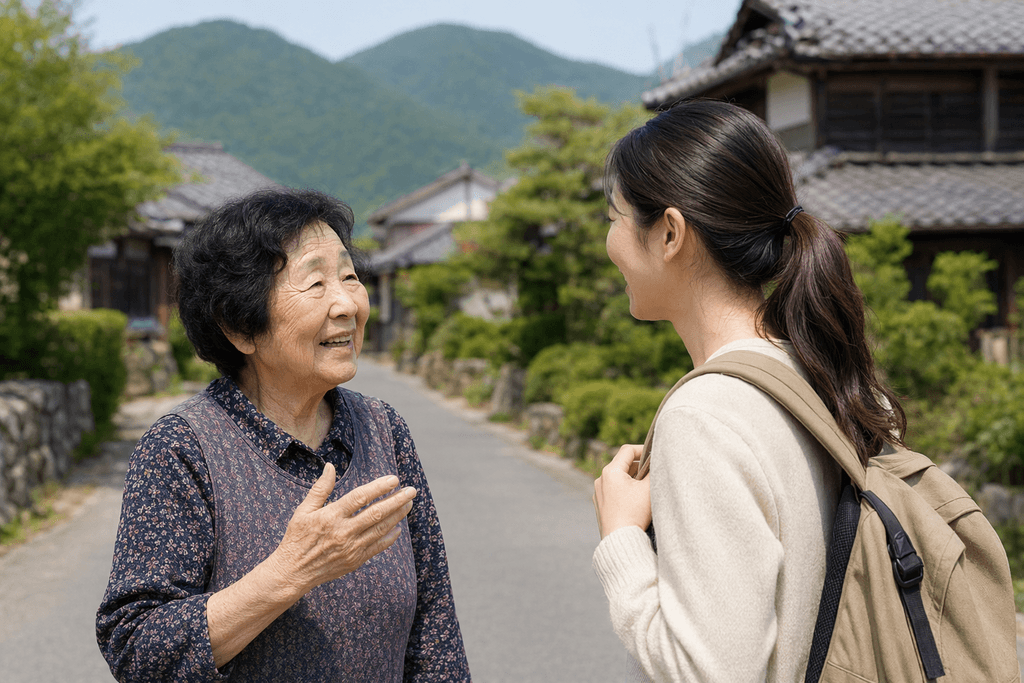
方言
dialect
方言
dialect
Explanation
方言
dialect
方言
a dialect; a provincialism
( Base form )
( romanization )
( hiragana )
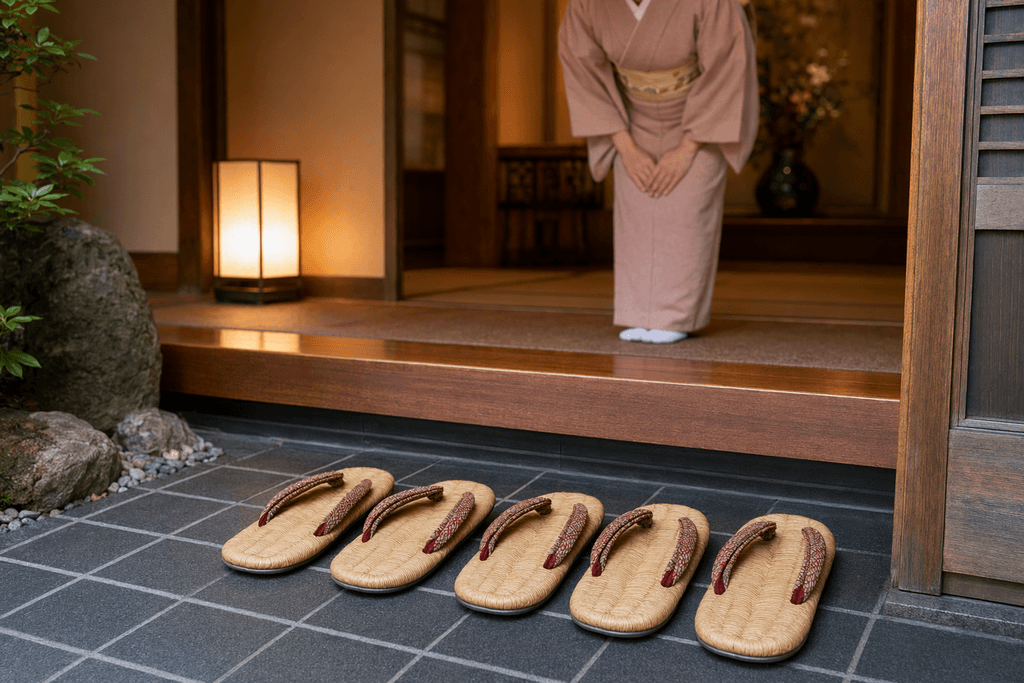
草履
traditional sandals
草履
traditional sandals
Explanation
草履
traditional sandals
草履
a type of flat, thonged sandal
( Base form )
( romanization )
( romanization )
( alternative )
( katakana )
( Rōmaji )
( hiragana historical )
( historical katakana )
( hiragana historical )
( hiragana )
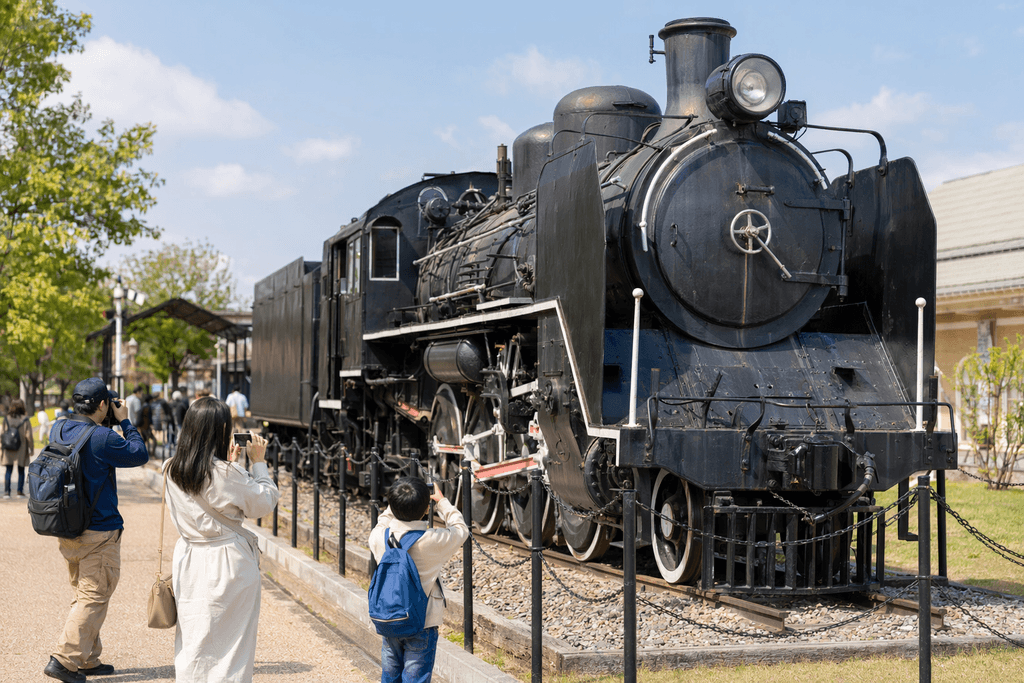
機関車
locomotive
機関車
locomotive
Explanation
機関車
locomotive
機関車
(rail transport) locomotive
( Base form )
( romanization )
( romanization )
( hiragana historical )
( hiragana )
ためらう
hesitate
ためらう
hesitate
Explanation
hesitate
ためらう
to hesitate, to be undecided, to waver

Word Forms
The basic and commonly used forms of this verb.
Basic forms
| Form | Word form | Usage |
|---|---|---|
| Imperfective form (mizenkei) |
Alternative:
躊躇わ
|
Connects to endings such as nai, reru, and seru. |
| Continuative form (renyokei) |
Alternative:
躊躇い
|
Connects to endings such as masu, tai, and ta. |
| Conclusive form (shushikei) |
Alternative:
躊躇う
|
Ends a sentence and serves as the dictionary form. |
| Attributive form (rentaikei) |
Alternative:
躊躇う
|
Modifies a noun. |
| Conditional form (kateikei) |
Alternative:
躊躇え
|
Combines with ba to express a condition. |
| Imperative form (meireikei) |
Alternative:
躊躇え
|
Expresses a command or instruction. |
Common forms
| Form | Word form | Usage |
|---|---|---|
| Te-form |
Alternative:
躊躇って
|
Connects clauses with te. |
| Ta-form |
Alternative:
躊躇った
|
Expresses the past with ta. |
| Nai-form |
Alternative:
躊躇わない
|
Expresses negation with nai. |
| Masu-form |
Alternative:
躊躇います
|
Used for polite speech. |
| Ba-form |
Alternative:
躊躇えば
|
Expresses a condition with ba. |
| Volitional form |
Alternative:
躊躇い
|
Expresses intention or invitation. |
Loading...

JLPT N2 多言語単語帳・1790語 / JLPT N2 Multilingual Vocabulary: 1790 Words

Jonathan Waller 氏の JLPT Resources の語彙リスト・レベル分類を出典とし、CC BY の条件に従って DiQt が学習者向けに意味を作り直した1790語の単語帳です。JLPT公式の語彙リストではありません。
This collection of 1790 words is based on the vocabulary list and level classifications in Jonathan Waller’s JLPT Resources under CC BY, with meanings rewritten by DiQt for learners. It is not an official JLPT vocabulary list.
Key Operations
Select the first quiz:
Ctrl + Enter
View Explanation:Ctrl + G
Close a feedback:Esc
When selecting a quiz
Answer:Enter
Select a choice:↓ or ↑
Reading out the question:Ctrl + K
View Hint: Ctrl + M
I don't know: Ctrl + Y



