
JLPT N2 Vocabulary Meanings - Unsolved

Learn the English meanings of 1790 JLPT N2 words through questions with four answer choices.
-
bringing along
-
reception of guests
-
crown
-
turn on / light
-
calm down / settle down
-
fold
-
ocean
-
meeting someone on arrival
-
seat / bench
-
lending
-
gardening
-
business card
-
Emperor of Japan
-
system / lineage
-
predicate
-
simultaneously
-
whole body / full-length
-
lost property
-
observation
-
pronunciation guides
-
middle / interim
-
be pointed / look displeased
-
sell wholesale / grate
-
draw near / press for
-
increase
-
weigh / measure volume
-
be completed
-
exceptional
-
rare
-
free of charge / unrestricted
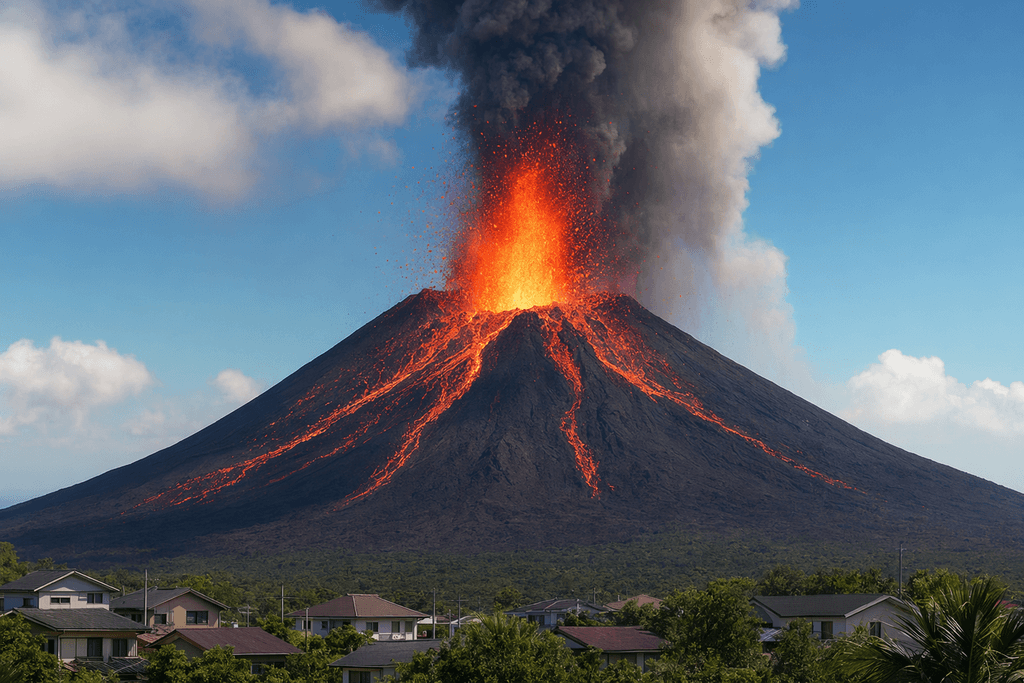
火山
volcano
火山
volcano
Explanation
火山
volcano
火山
( Base form )
( romanization )
( hiragana )
心得る
know / understand
心得る
know / understand
Explanation
心得る
know / understand
心得る
to understand / to be aware of / to know; to have knowledge of / to be versed in; to know how to / to keep in mind; to bear in mind

Word Forms
The basic and commonly used forms of this verb.
Basic forms
| Form | Word form | Usage |
|---|---|---|
| Imperfective form (mizenkei) |
Alternative:
心得よ
|
Connects to endings such as nai, reru, and seru. |
| Continuative form (renyokei) | Connects to endings such as masu, tai, and ta. | |
| Conclusive form (shushikei) | Ends a sentence and serves as the dictionary form. | |
| Attributive form (rentaikei) | Modifies a noun. | |
| Conditional form (kateikei) | Combines with ba to express a condition. | |
| Imperative form (meireikei) |
Alternative:
心得よ
|
Expresses a command or instruction. |
Common forms
長所
strong point / advantage
長所
strong point / advantage
Explanation
長所
strong point / advantage
長所
strong point, merit, advantage

( Base form )
( romanization )
( romanization )
( hiragana historical )
( hiragana )
解答
solution
解答
solution
Explanation
解答
solution
解答
answer, solution

( Base form )
( romanization )
( hiragana )
パターン
pattern
パターン
pattern
Explanation
pattern
パターン
an arrangement of elements / a sequence of events, behaviors, facts, etc. / (textiles) a template for pieces of a garment

( romanization )
チップ
tip / chip
チップ
tip / chip
Explanation
tip / chip
チップ
a tip; a gratuity

( romanization )
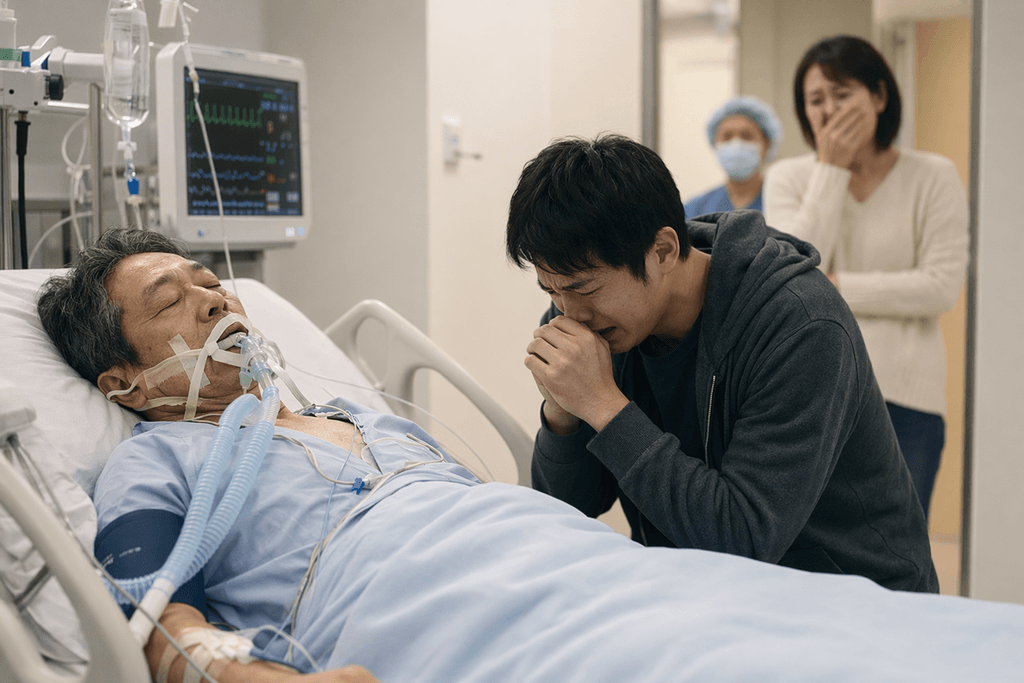
重体
critical condition
重体
critical condition
Explanation
重体
critical condition
重体
critical condition / serious condition / grave condition
( Base form )
( romanization )
( hiragana )
映る
be reflected / be projected
映る
be reflected / be projected
Explanation
映る
be reflected / be projected
映る
to be reflected in, to be reflected on / to be seen, to be visible, to be displayed

Word Forms
The basic and commonly used forms of this verb.
Basic forms
| Form | Word form | Usage |
|---|---|---|
| Imperfective form (mizenkei) | Connects to endings such as nai, reru, and seru. | |
| Continuative form (renyokei) | Connects to endings such as masu, tai, and ta. | |
| Conclusive form (shushikei) | Ends a sentence and serves as the dictionary form. | |
| Attributive form (rentaikei) | Modifies a noun. | |
| Conditional form (kateikei) | Combines with ba to express a condition. | |
| Imperative form (meireikei) | Expresses a command or instruction. |
Common forms
妨げる
hinder / prevent
妨げる
hinder / prevent
Explanation
妨げる
hinder / prevent
妨げる
obstruct, prevent, hinder, disturb

Word Forms
The basic and commonly used forms of this verb.
Basic forms
| Form | Word form | Usage |
|---|---|---|
| Imperfective form (mizenkei) | Connects to endings such as nai, reru, and seru. | |
| Continuative form (renyokei) | Connects to endings such as masu, tai, and ta. | |
| Conclusive form (shushikei) | Ends a sentence and serves as the dictionary form. | |
| Attributive form (rentaikei) | Modifies a noun. | |
| Conditional form (kateikei) | Combines with ba to express a condition. | |
| Imperative form (meireikei) |
Alternative:
妨げよ
|
Expresses a command or instruction. |
Common forms
消極的
passive / unenthusiastic
消極的
passive / unenthusiastic
Explanation
消極的
passive / unenthusiastic
消極的
passive / negative / half-hearted / unenthusiastic

Word Forms
The basic and commonly used forms of this adjectival noun.
Basic forms
| Form | Word form | Usage |
|---|---|---|
| Imperfective form (mizenkei) |
Alternative:
消極的でしょ
|
Used in forms such as darou. |
| Continuative form (renyokei) |
Alternative:
消極的に
消極的だっ
|
Used with de or ni. |
| Conclusive form (shushikei) | Ends a sentence with da. | |
| Attributive form (rentaikei) | Modifies a noun with na. | |
| Conditional form (kateikei) |
Alternative:
消極的であれば
|
Expresses a condition with nara. |
| Imperative form (meireikei) | Used in formal expressions such as de are. |
Common forms
Loading...

JLPT N2 多言語単語帳・1790語 / JLPT N2 Multilingual Vocabulary: 1790 Words

Jonathan Waller 氏の JLPT Resources の語彙リスト・レベル分類を出典とし、CC BY の条件に従って DiQt が学習者向けに意味を作り直した1790語の単語帳です。JLPT公式の語彙リストではありません。
This collection of 1790 words is based on the vocabulary list and level classifications in Jonathan Waller’s JLPT Resources under CC BY, with meanings rewritten by DiQt for learners. It is not an official JLPT vocabulary list.
Key Operations
Select the first quiz:
Ctrl + Enter
View Explanation:Ctrl + G
Close a feedback:Esc
When selecting a quiz
Answer:Enter
Select a choice:↓ or ↑
Reading out the question:Ctrl + K
View Hint: Ctrl + M
I don't know: Ctrl + Y



