
JLPT N1: Trắc nghiệm nghĩa từ - Unsolved

Học nghĩa tiếng Việt của 3032 từ JLPT N1 qua các câu hỏi có bốn lựa chọn.
-
cocktail
-
sự nhận thức
-
dự luật
-
dẻo dai
-
nhanh chóng
-
tài tình
-
đã lâu
-
khan hiếm
-
vô số
-
họp báo / cuộc gặp
-
ngọn cây
-
quang cảnh rộng
-
văn bản tiếng Nhật
-
đảng cầm quyền
-
tài nguyên chôn dưới đất
-
cổ phiếu
-
sự trúng cử / sự trúng thưởng
-
tập tục
-
câu thơ hay
-
tiền còn lại
-
mạch điện
-
sự đe dọa
-
nền móng
-
sự cắt giảm
- 「ござる」に丁寧の助動詞「ます」が付いた形に由来する、現代語の丁寧な存在表現・丁寧なコピュラ表現。
- 仮定形「ございますれ」は現代語では極めてまれで、通常は「ございましたら」「であれば」などを用いる。
- 命令形「ございませ」は接客表現などで「いらっしゃいませ」に類する形式として残るが、「ございます」単独の命令用法は通常用いられない。
-
quy tắc
-
nông trại
-
nguyên thủ quốc gia
-
đúng cách / chính xác
-
chán ngấy
-
trước
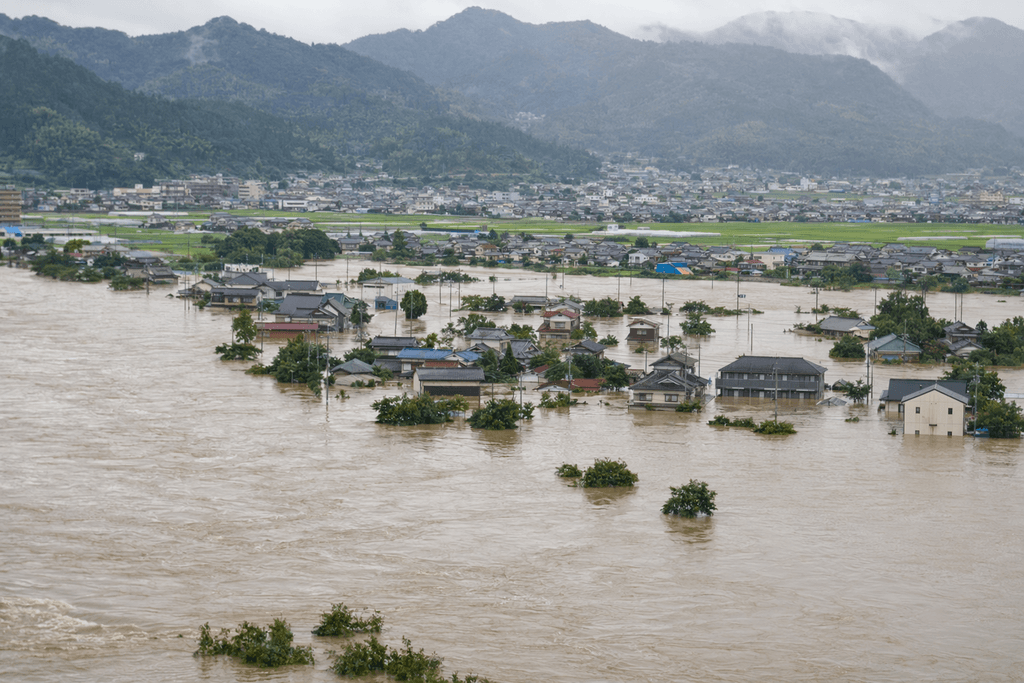
一帯
cả vùng
一帯
cả vùng
Explanation
一帯
cả vùng
一帯
toàn bộ khu vực / dải khu vực, vành đai / khu vực xung quanh
( Base form )
( romanization )
( hiragana )
円滑
suôn sẻ
円滑
suôn sẻ
Explanation
円滑
suôn sẻ
円滑
trơn tru / suôn sẻ / thuận lợi, không trục trặc

Word Forms
The basic and commonly used forms of this adjectival noun.
Basic forms
| Form | Word form | Usage |
|---|---|---|
| Imperfective form (mizenkei) | Used in forms such as darou. | |
| Continuative form (renyokei) |
Alternative:
円滑に
円滑だっ
|
Used with de or ni. |
| Conclusive form (shushikei) | Ends a sentence with da. | |
| Attributive form (rentaikei) | Modifies a noun with na. | |
| Conditional form (kateikei) |
Alternative:
円滑であれば
|
Expresses a condition with nara. |
| Imperative form (meireikei) | Used in formal expressions such as de are. |
Common forms
鬱陶しい
ảm đạm / phiền toái
鬱陶しい
ảm đạm / phiền toái
Explanation
鬱陶しい
ảm đạm / phiền toái
鬱陶しい
phiền phức, khó chịu / u sầu, buồn nản / u ám, ảm đạm (thời tiết)
Trong mùa mưa, độ ẩm bám dính kết hợp với sự cằn nhằn không ngừng của anh ấy khiến ngay cả sự hiện diện của anh ấy cũng cảm thấy khó chịu.

Word Forms
The basic and commonly used forms of this adjective.
Basic forms
| Form | Word form | Usage |
|---|---|---|
| Imperfective form (mizenkei) | Used in forms such as karou; mainly literary. | |
| Continuative form (renyokei) |
Alternative:
鬱陶しかっ
|
Used in forms such as kute and kunai. |
| Conclusive form (shushikei) | Ends a sentence. | |
| Attributive form (rentaikei) | Modifies a noun. | |
| Conditional form (kateikei) | Expresses a condition with kereba. | |
| Imperative form (meireikei) | Rarely used in modern Japanese. |
Common forms
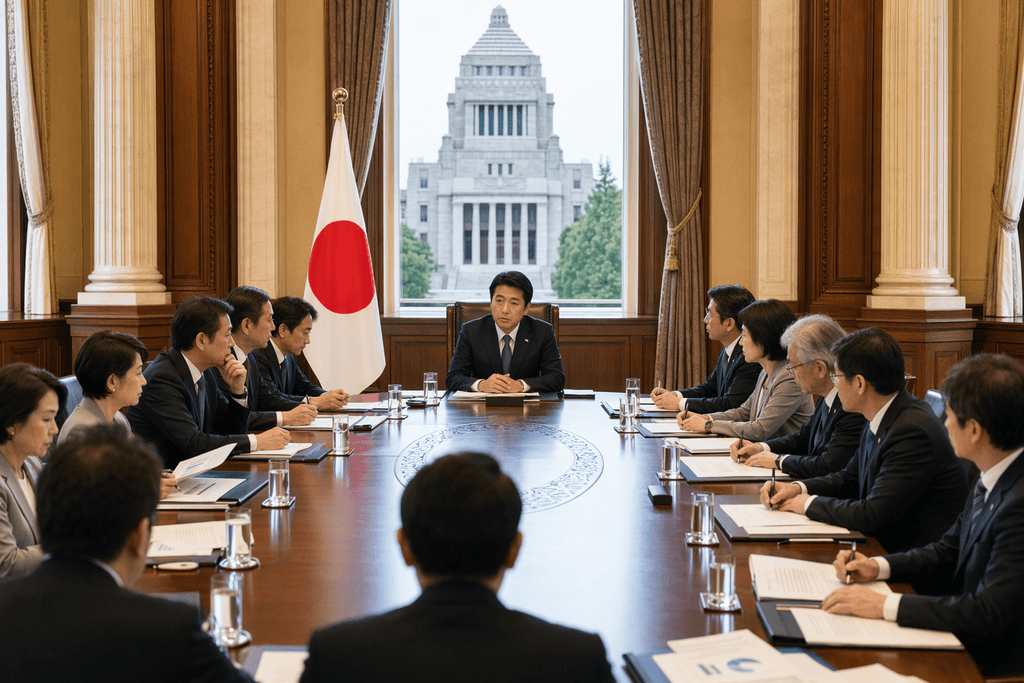
統治
sự cai trị
統治
sự cai trị
Explanation
統治
sự cai trị
統治
sự cai trị / sự trị vì / sự quản trị nhà nước
( Base form )
( romanization )
( hiragana )
頂
đỉnh núi / chóp
頂
đỉnh núi / chóp
Explanation
頂
đỉnh núi / chóp
頂
(trước bữa ăn) xin phép dùng bữa; mời cả nhà / tôi/con xin nhận (cách nói khiêm nhường khi nhận đồ ăn/quà)

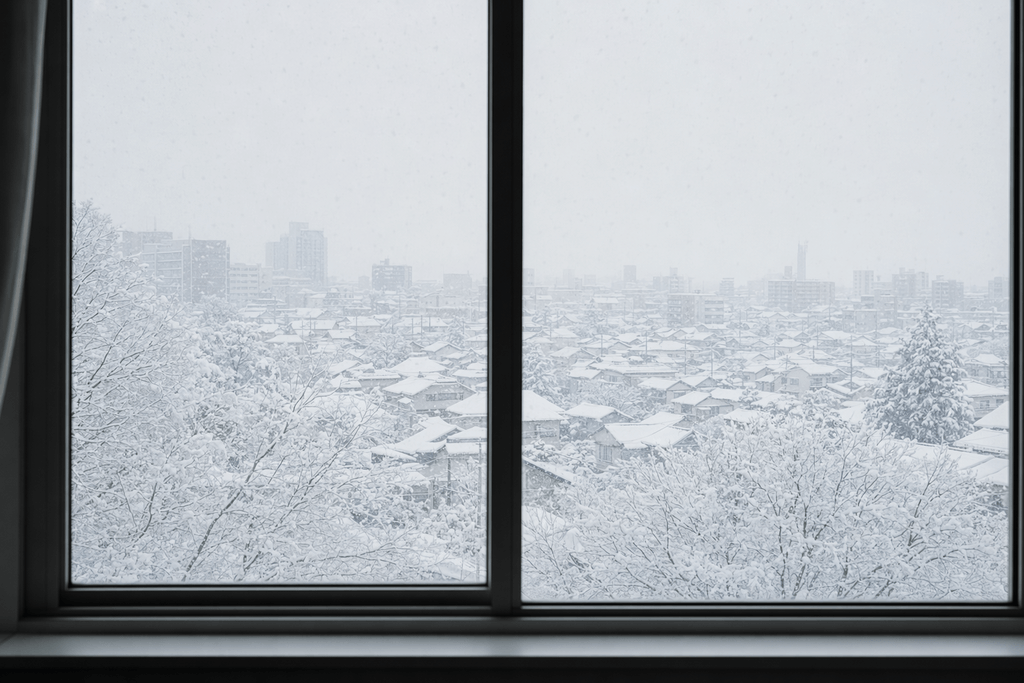
一面
một khía cạnh / khắp bề mặt
一面
một khía cạnh / khắp bề mặt
Explanation
一面
một khía cạnh / khắp bề mặt
一面
một mặt, một phía / khắp nơi, toàn khu vực / một quan điểm, một cách nhìn
( Base form )
( romanization )
( hiragana )
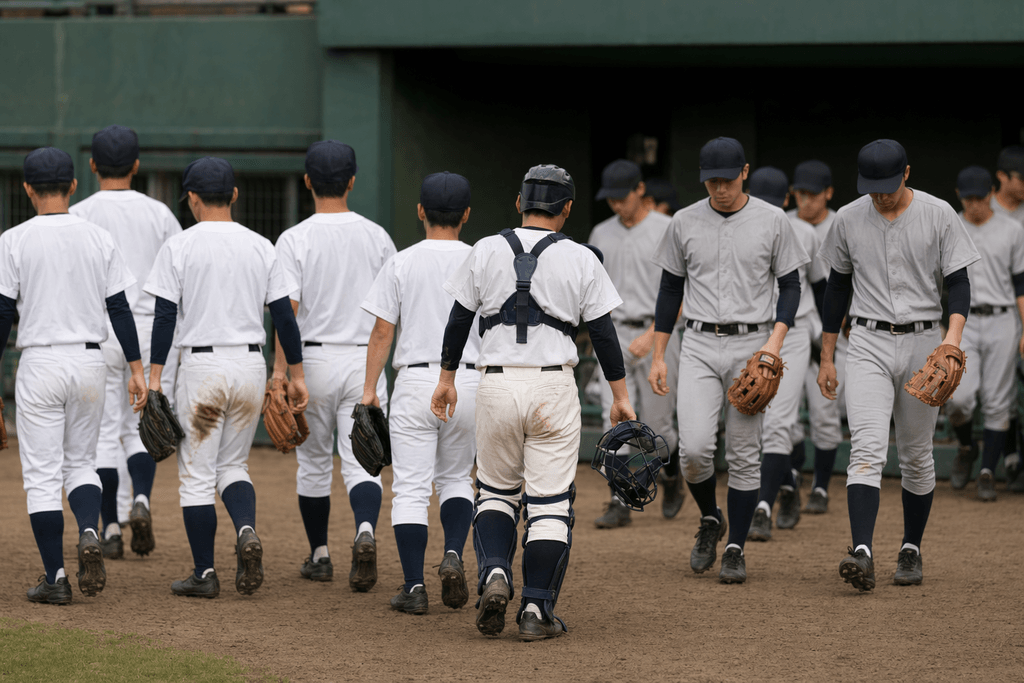
チェンジ
sự thay đổi
チェンジ
sự thay đổi
Explanation
sự thay đổi
チェンジ
sự thay đổi / (bóng chày) đổi lượt, hai đội đổi bên
Thành bại của cải cách tổ chức phụ thuộc vào việc liệu có thể chuyển hóa “change” như một khẩu hiệu do hiện trường đề ra thành các chỉ số hành động cụ thể hay không.
( romanization )
ございます
là / có
ございます
là / có
Explanation
là / có
ございます
(khiêm nhường, trang trọng) tồn tại; hiện hữu / (khiêm nhường, trang trọng) có (sở hữu) / (khiêm nhường, trang trọng) là (dạng lịch sự của copula)

Word Forms
The basic and commonly used forms of this auxiliary verb.
Basic forms
| Form | Word form | Usage |
|---|---|---|
| Imperfective form (mizenkei) |
Alternative:
ございましょ
|
Available forms depend on the auxiliary verb. |
| Continuative form (renyokei) |
Alternative:
ございまして
ござい
|
Available forms depend on the auxiliary verb. |
| Conclusive form (shushikei) | The basic form carrying the grammatical function. | |
| Attributive form (rentaikei) | Usage depends on the surrounding words. | |
| Conditional form (kateikei) | Used when the auxiliary participates in a conditional expression. | |
| Imperative form (meireikei) | Some auxiliaries do not have this form. |
Common forms
| Form | Word form | Usage |
|---|---|---|
| No displayable derived forms are available. | ||
Notes
花びら
cánh hoa
花びら
cánh hoa
Explanation
花びら
cánh hoa
花びら
cánh hoa / phiến hoa

( Base form )
( romanization )
もっぱら
chuyên
もっぱら
chuyên
Explanation
chuyên
もっぱら
hoàn toàn / chủ yếu

( romanization )
( romanization )
( hiragana historical )
Loading...

JLPT N1 多言語単語帳・3032語 / JLPT N1 Multilingual Vocabulary: 3032 Words

Jonathan Waller 氏の JLPT Resources の語彙リスト・レベル分類を出典とし、CC BY の条件に従って DiQt が学習者向けに意味を作り直した3032語の単語帳です。JLPT公式の語彙リストではありません。
This collection of 3032 words is based on the vocabulary list and level classifications in Jonathan Waller’s JLPT Resources under CC BY, with meanings rewritten by DiQt for learners. It is not an official JLPT vocabulary list.
Key Operations
Select the first quiz:
Ctrl + Enter
View Explanation:Ctrl + G
Close a feedback:Esc
When selecting a quiz
Answer:Enter
Select a choice:↓ or ↑
Reading out the question:Ctrl + K
View Hint: Ctrl + M
I don't know: Ctrl + Y



