
JLPT N1: Trắc nghiệm nghĩa từ - Unsolved

Học nghĩa tiếng Việt của 3032 từ JLPT N1 qua các câu hỏi có bốn lựa chọn.
-
truy tìm / đi theo đường
-
gây ra
-
nối tiếp thành hàng
-
chính xác / khít
-
cố hết sức
-
mạnh / hẳn
-
thủ công / hoạt động vận động
-
nguồn tài chính
-
sự áp bức / sự chèn ép
-
cơm
-
cacbon
-
câu thơ hay
-
rõ rệt
-
chát / trang nhã kín đáo
-
ngột ngạt khói / khiến e ngại
-
tính khách quan
-
sự chuyển trường
-
ngành khai khoáng
-
sự quyên tặng
-
tiền lãi
-
bộ đồng bộ
-
hỗn loạn / vô lý
-
cứng rắn
-
cấp thiết / tha thiết
-
hết thảy
-
hoàn toàn không
-
như thể
-
ngon
-
xứng đáng
-
chóng vánh
携わる
tham gia
携わる
tham gia
Explanation
携わる
tham gia
携わる
tham gia (vào) / liên quan đến / làm việc trong
Trong khi tham gia vào kế hoạch tái thiết khu vực sau động đất, ông nhận ra khó khăn như thế nào để dung hòa lợi ích của chính quyền và người dân.

Word Forms
The basic and commonly used forms of this verb.
Basic forms
| Form | Word form | Usage |
|---|---|---|
| Imperfective form (mizenkei) | Connects to endings such as nai, reru, and seru. | |
| Continuative form (renyokei) | Connects to endings such as masu, tai, and ta. | |
| Conclusive form (shushikei) | Ends a sentence and serves as the dictionary form. | |
| Attributive form (rentaikei) | Modifies a noun. | |
| Conditional form (kateikei) | Combines with ba to express a condition. | |
| Imperative form (meireikei) | Expresses a command or instruction. |
Common forms
何卒
xin vui lòng
何卒
xin vui lòng
Explanation
何卒
xin vui lòng
何卒
xin vui lòng; kính mong (lời yêu cầu trang trọng, nhấn mạnh) / bằng mọi cách; dù thế nào đi nữa

( Base form )
( romanization )
( hiragana )
真相
chân tướng
真相
chân tướng
Explanation
真相
chân tướng
真相
sự thật / chân tướng sự việc / thực trạng thật sự

( Base form )
( romanization )
( hiragana )
一変
thay đổi hoàn toàn
一変
thay đổi hoàn toàn
Explanation
一変
thay đổi hoàn toàn
一変
sự thay đổi hoàn toàn / sự đảo ngược hoàn toàn / sự quay ngoắt
Nhân dịp thay đổi chính quyền, đường lối đối ngoại của đất nước đã thay đổi hoàn toàn, khiến đồng minh của ngày hôm qua trở thành đối tác đàm phán của ngày hôm nay.

くすぐったい
nhột
くすぐったい
nhột
Explanation
nhột
くすぐったい
nhột / ngượng ngùng

Word Forms
The basic and commonly used forms of this adjective.
Basic forms
| Form | Word form | Usage |
|---|---|---|
| Imperfective form (mizenkei) | Used in forms such as karou; mainly literary. | |
| Continuative form (renyokei) |
Alternative:
くすぐったかっ
|
Used in forms such as kute and kunai. |
| Conclusive form (shushikei) | Ends a sentence. | |
| Attributive form (rentaikei) | Modifies a noun. | |
| Conditional form (kateikei) | Expresses a condition with kereba. | |
| Imperative form (meireikei) | Rarely used in modern Japanese. |
Common forms
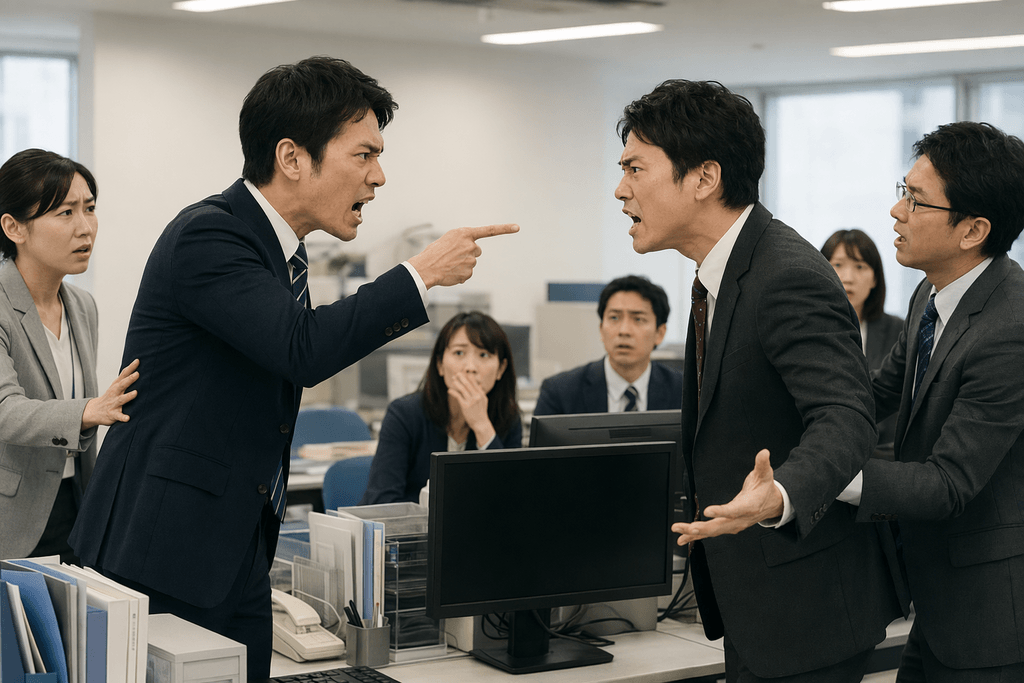
争い
tranh chấp
争い
tranh chấp
Explanation
争い
tranh chấp
争い
tranh chấp / xung đột / cãi vã
( Base form )
( romanization )
( romanization )
( hiragana historical )
発病
sự phát bệnh
発病
sự phát bệnh
Explanation
発病
sự phát bệnh
発病
sự khởi phát bệnh / sự phát bệnh / cơn phát bệnh

( Base form )
( romanization )
( romanization )
( kyūjitai )
( hiragana historical )
( hiragana )
緩やか
thoai thoải / khoan dung
緩やか
thoai thoải / khoan dung
Explanation
緩やか
thoai thoải / khoan dung
緩やか
nhẹ nhàng / khoan dung / lỏng lẻo

Word Forms
The basic and commonly used forms of this adjectival noun.
Basic forms
| Form | Word form | Usage |
|---|---|---|
| Imperfective form (mizenkei) | Used in forms such as darou. | |
| Continuative form (renyokei) |
Alternative:
緩やかに
|
Used with de or ni. |
| Conclusive form (shushikei) | Ends a sentence with da. | |
| Attributive form (rentaikei) | Modifies a noun with na. | |
| Conditional form (kateikei) | Expresses a condition with nara. | |
| Imperative form (meireikei) | Used in formal expressions such as de are. |
Common forms
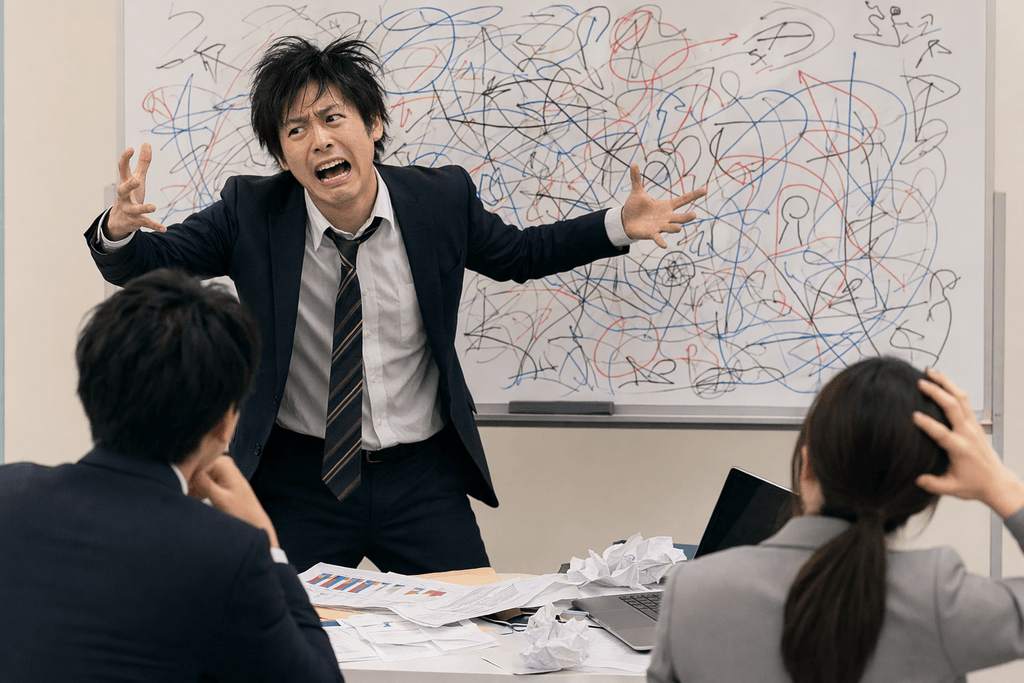
めちゃくちゃ
hỗn loạn / vô cùng
めちゃくちゃ
hỗn loạn / vô cùng
Explanation
hỗn loạn / vô cùng
めちゃくちゃ
rất / cực kỳ / vô cùng
( romanization )
紛らわしい
dễ nhầm lẫn
紛らわしい
dễ nhầm lẫn
Explanation
紛らわしい
dễ nhầm lẫn
紛らわしい
dễ gây nhầm lẫn / mơ hồ / gây hiểu lầm
Bởi vì từ ngữ của các điều khoản miễn trừ trách nhiệm và bồi thường trong hợp đồng đó gây nhầm lẫn, ngay cả các chuyên gia cũng có thể hiểu sai.

Word Forms
The basic and commonly used forms of this adjective.
Basic forms
| Form | Word form | Usage |
|---|---|---|
| Imperfective form (mizenkei) | Used in forms such as karou; mainly literary. | |
| Continuative form (renyokei) |
Alternative:
紛らわしかっ
|
Used in forms such as kute and kunai. |
| Conclusive form (shushikei) | Ends a sentence. | |
| Attributive form (rentaikei) | Modifies a noun. | |
| Conditional form (kateikei) | Expresses a condition with kereba. | |
| Imperative form (meireikei) | Rarely used in modern Japanese. |
Common forms
Loading...

JLPT N1 多言語単語帳・3032語 / JLPT N1 Multilingual Vocabulary: 3032 Words

Jonathan Waller 氏の JLPT Resources の語彙リスト・レベル分類を出典とし、CC BY の条件に従って DiQt が学習者向けに意味を作り直した3032語の単語帳です。JLPT公式の語彙リストではありません。
This collection of 3032 words is based on the vocabulary list and level classifications in Jonathan Waller’s JLPT Resources under CC BY, with meanings rewritten by DiQt for learners. It is not an official JLPT vocabulary list.
Key Operations
Select the first quiz:
Ctrl + Enter
View Explanation:Ctrl + G
Close a feedback:Esc
When selecting a quiz
Answer:Enter
Select a choice:↓ or ↑
Reading out the question:Ctrl + K
View Hint: Ctrl + M
I don't know: Ctrl + Y



