
JLPT N1: Trắc nghiệm nghĩa từ - Unsolved

Học nghĩa tiếng Việt của 3032 từ JLPT N1 qua các câu hỏi có bốn lựa chọn.
-
tình trạng
-
sự tỷ lệ thuận
-
sự kiểm soát
-
tiếc bỏ ra / tiếc nuối
-
đi đến
-
lắp vào / đeo vào
-
tiền lệ
-
liên minh
-
cái khiên / cái cớ
-
nhập cư / người nhập cư
-
nguồn cội
-
tiêu chảy
-
củ cây
-
ung thư
-
khúc nhạc
-
con trai tôi
-
cỡ khổng lồ
-
điều chưa biết
-
cắn đứt
-
làm bị thương / đau lòng
-
nhuốm màu
- 「生ける」の異表記。花などを生ける意。
-
tuyệt diệt
-
vòi vĩnh
-
vo tròn / dỗ dành
-
phim âm bản
-
người nghiệp dư
-
chuyền đọc
-
thú vật
-
tiêu chảy
-
tỷ lệ / một phần mười
真上
ngay phía trên
真上
ngay phía trên
Explanation
真上
ngay phía trên
真上
vị trí ngay phía trên / phần trực tiếp phía trên / vùng ngay bên trên

( Base form )
( romanization )
( romanization )
( hiragana historical )
( hiragana )
辿り着く
vất vả đến được
辿り着く
vất vả đến được
Explanation
辿り着く
vất vả đến được
辿り着く
cuối cùng tới được đích / lần mò tới được nơi / đạt tới nơi sau bao khó khăn

Word Forms
The basic and commonly used forms of this verb.
Basic forms
| Form | Word form | Usage |
|---|---|---|
| Imperfective form (mizenkei) |
Alternative:
辿り着こ
|
Connects to endings such as nai, reru, and seru. |
| Continuative form (renyokei) | Connects to endings such as masu, tai, and ta. | |
| Conclusive form (shushikei) | Ends a sentence and serves as the dictionary form. | |
| Attributive form (rentaikei) | Modifies a noun. | |
| Conditional form (kateikei) | Combines with ba to express a condition. | |
| Imperative form (meireikei) | Expresses a command or instruction. |
Common forms
興業
hoạt động phát triển công nghiệp
興業
hoạt động phát triển công nghiệp
Explanation
興業
hoạt động phát triển công nghiệp
興業
sự chấn hưng công nghiệp / khuyến công / xúc tiến phát triển công nghiệp
Các doanh nghiệp công nghiệp trong khu vực này đã thúc đẩy công nghiệp hóa chất và nặng nề sau chiến tranh, nhưng vì bỏ qua việc đáp ứng các quy định về môi trường, nó nhanh chóng mất khả năng cạnh tranh.

( Base form )
( romanization )
( hiragana )
届け出
thông báo chính thức
届け出
thông báo chính thức
Explanation
届け出
thông báo chính thức
届け出
Sự thông báo, khai báo (với cơ quan) / Đơn/tờ khai; giấy trình báo / Việc nộp hồ sơ, đăng ký

( Base form )
( romanization )
( hiragana )
残酷
sự tàn nhẫn
残酷
sự tàn nhẫn
Explanation
残酷
sự tàn nhẫn
残酷
sự tàn nhẫn / sự tàn bạo / sự độc ác

( Base form )
( romanization )
( hiragana )
踵
gót chân
踵
gót chân
Explanation
踵
gót chân
踵
gót chân / gót giày

( romanization )
( hiragana )
活ける
cắm hoa
活ける
cắm hoa
Explanation
活ける
cắm hoa
活ける
cắm hoa / sắp xếp, bày trí hoa

Word Forms
The basic and commonly used forms of this verb.
Basic forms
| Form | Word form | Usage |
|---|---|---|
| Imperfective form (mizenkei) | Connects to endings such as nai, reru, and seru. | |
| Continuative form (renyokei) | Connects to endings such as masu, tai, and ta. | |
| Conclusive form (shushikei) | Ends a sentence and serves as the dictionary form. | |
| Attributive form (rentaikei) | Modifies a noun. | |
| Conditional form (kateikei) | Combines with ba to express a condition. | |
| Imperative form (meireikei) |
Alternative:
活けよ
|
Expresses a command or instruction. |
Common forms
| Form | Word form | Usage |
|---|---|---|
| Te-form | Connects clauses with te. | |
| Ta-form | Expresses the past with ta. | |
| Nai-form | Expresses negation with nai. | |
| Masu-form | Used for polite speech. | |
| Ba-form | Expresses a condition with ba. | |
| Volitional form | Expresses intention or invitation. |
Notes
植わる
được trồng
植わる
được trồng
Explanation
植わる
được trồng
植わる
được trồng / mọc (đã được trồng sẵn)
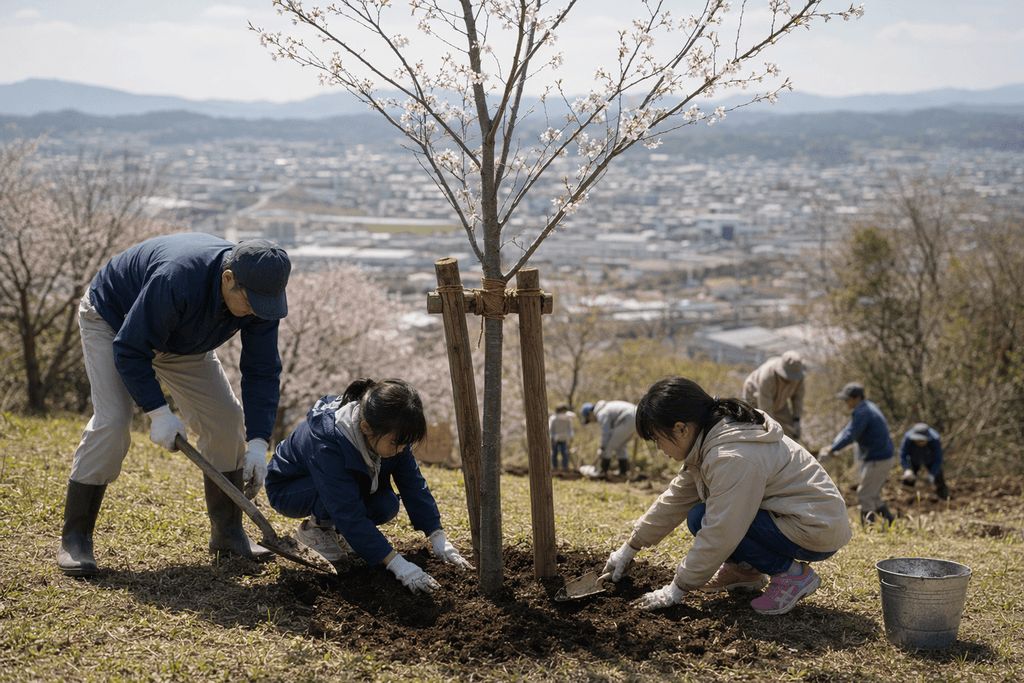
Trên ngọn đồi này, những cây hoa anh đào do người dân trồng sau chiến tranh vẫn còn được trồng đến nay, và mỗi khi xuân về, chúng lặng lẽ đánh thức ký ức về công cuộc tái thiết.
Word Forms
The basic and commonly used forms of this verb.
Basic forms
| Form | Word form | Usage |
|---|---|---|
| Imperfective form (mizenkei) |
Alternative:
植わろ
|
Connects to endings such as nai, reru, and seru. |
| Continuative form (renyokei) |
Alternative:
植わっ
|
Connects to endings such as masu, tai, and ta. |
| Conclusive form (shushikei) | Ends a sentence and serves as the dictionary form. | |
| Attributive form (rentaikei) | Modifies a noun. | |
| Conditional form (kateikei) | Combines with ba to express a condition. | |
| Imperative form (meireikei) | Expresses a command or instruction. |
Common forms
増進
sự tăng tiến
増進
sự tăng tiến
Explanation
増進
sự tăng tiến
増進
sự gia tăng / sự nâng cao / sự thúc đẩy (như sức khỏe, hứng thú)

( Base form )
( romanization )
( hiragana )
覆面
vật che mặt
覆面
vật che mặt
Explanation
覆面
vật che mặt
覆面
mặt nạ / đồ che mặt / nặc danh

( Base form )
( romanization )
( hiragana )
Loading...

JLPT N1 多言語単語帳・3032語 / JLPT N1 Multilingual Vocabulary: 3032 Words

Jonathan Waller 氏の JLPT Resources の語彙リスト・レベル分類を出典とし、CC BY の条件に従って DiQt が学習者向けに意味を作り直した3032語の単語帳です。JLPT公式の語彙リストではありません。
This collection of 3032 words is based on the vocabulary list and level classifications in Jonathan Waller’s JLPT Resources under CC BY, with meanings rewritten by DiQt for learners. It is not an official JLPT vocabulary list.
Key Operations
Select the first quiz:
Ctrl + Enter
View Explanation:Ctrl + G
Close a feedback:Esc
When selecting a quiz
Answer:Enter
Select a choice:↓ or ↑
Reading out the question:Ctrl + K
View Hint: Ctrl + M
I don't know: Ctrl + Y



