
JLPT N1: Trắc nghiệm nghĩa từ - Unsolved

Học nghĩa tiếng Việt của 3032 từ JLPT N1 qua các câu hỏi có bốn lựa chọn.
-
điều tốt nhất / áo gi lê
-
sự đến trường
-
đọc diễn cảm
-
thành tích
-
sự phát bệnh
-
chủ đề
-
sự tiếp nhận
-
sự trung hòa
-
hoa sen
-
nhôm
-
kỹ thuật
-
cấp dưới
-
gọi là / tự xưng
-
chiếm đoạt
-
hăng hái
-
nông nghiệp
-
cái ác
-
số lẻ
-
nền móng / năng khiếu
-
sự lành mạnh
-
việc gửi kèm thư
-
rên rỉ / gầm gừ
-
đưa ra bán / quảng bá
-
ghen tị
-
to lớn
-
dễ
-
thú vị / vui nhộn
- 「素っ気ない」は語末が「ない」だが、全体でイ形容詞として活用する。
-
cấm
-
vượt trội
-
trở nên phức tạp
- カ行五段活用の動詞。
模索
tìm tòi
模索
tìm tòi
Explanation
模索
tìm tòi
模索
sự mò mẫm, dò dẫm / sự tìm tòi thử nghiệm / sự tìm kiếm giải pháp

( Base form )
( romanization )
( hiragana )
フェリー
phà
フェリー
phà
Explanation
phà
フェリー
phà; tàu phà / dịch vụ/chuyến phà

( romanization )
予想
dự đoán
予想
dự đoán
Explanation
予想
dự đoán
予想
sự dự đoán; tiên liệu / dự báo; ước tính / (toán học) giả thuyết/phỏng đoán

( Base form )
( romanization )
( hiragana )
補償
bồi thường
補償
bồi thường
Explanation
補償
bồi thường
補償
sự bồi thường / sự đền bù / sự bù đắp
Nếu vội vàng chỉ lo bồi thường khi việc làm rõ nguyên nhân tai nạn vẫn chưa đầy đủ, thì trái lại có thể làm gia tăng sự nghi ngờ của các bên liên quan.

( Base form )
( romanization )
( hiragana )
経る
trải qua / trôi qua
経る
trải qua / trôi qua
Explanation
経る
trải qua / trôi qua
経る
trôi qua (thời gian) / trải qua (một khoảng thời gian/giai đoạn) / đi qua (một thời kỳ)

Word Forms
The basic and commonly used forms of this verb.
Basic forms
| Form | Word form | Usage |
|---|---|---|
| Imperfective form (mizenkei) | Connects to endings such as nai, reru, and seru. | |
| Continuative form (renyokei) | Connects to endings such as masu, tai, and ta. | |
| Conclusive form (shushikei) | Ends a sentence and serves as the dictionary form. | |
| Attributive form (rentaikei) | Modifies a noun. | |
| Conditional form (kateikei) | Combines with ba to express a condition. | |
| Imperative form (meireikei) |
Alternative:
経よ
|
Expresses a command or instruction. |
Common forms
重複
sự trùng lặp / sự chồng chéo
重複
sự trùng lặp / sự chồng chéo
Explanation
重複
sự trùng lặp / sự chồng chéo
重複
sự trùng lặp / sự lặp lại / sự chồng chéo

( Base form )
( romanization )
( hiragana )
減点
việc trừ điểm
減点
việc trừ điểm
Explanation
減点
việc trừ điểm
減点
sự trừ điểm / điểm bị trừ / khấu trừ điểm số

( Base form )
( romanization )
( hiragana historical )
( hiragana )
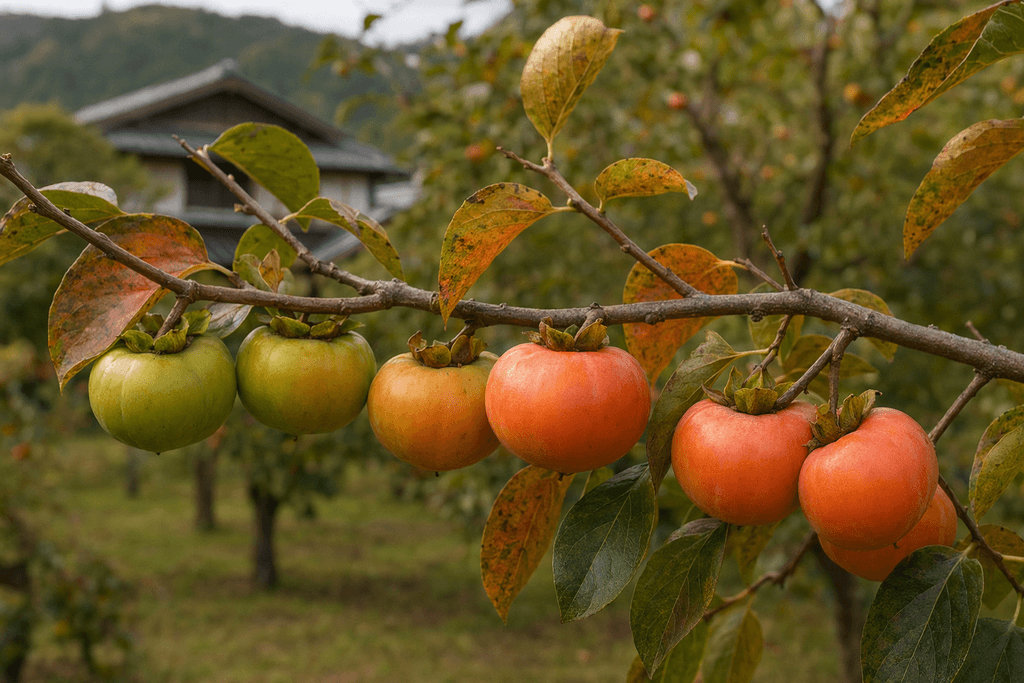
赤らむ
ửng đỏ
赤らむ
ửng đỏ
Explanation
赤らむ
ửng đỏ
赤らむ
đỏ lên (quả, nụ...) / đỏ mặt; ửng đỏ vì xấu hổ
Word Forms
The basic and commonly used forms of this verb.
Basic forms
| Form | Word form | Usage |
|---|---|---|
| Imperfective form (mizenkei) |
Alternative:
赤らも
|
Connects to endings such as nai, reru, and seru. |
| Continuative form (renyokei) | Connects to endings such as masu, tai, and ta. | |
| Conclusive form (shushikei) | Ends a sentence and serves as the dictionary form. | |
| Attributive form (rentaikei) | Modifies a noun. | |
| Conditional form (kateikei) | Combines with ba to express a condition. | |
| Imperative form (meireikei) | Expresses a command or instruction. |
Common forms
素っ気ない
lạnh nhạt
素っ気ない
lạnh nhạt
Explanation
素っ気ない
lạnh nhạt
素っ気ない
cộc lốc, cụt lủn / lạnh nhạt, hờ hững / thiếu thân thiện

Word Forms
The basic and commonly used forms of this adjective.
Basic forms
| Form | Word form | Usage |
|---|---|---|
| Imperfective form (mizenkei) | Used in forms such as karou; mainly literary. | |
| Continuative form (renyokei) |
Alternative:
素っ気なかっ
|
Used in forms such as kute and kunai. |
| Conclusive form (shushikei) | Ends a sentence. | |
| Attributive form (rentaikei) | Modifies a noun. | |
| Conditional form (kateikei) | Expresses a condition with kereba. | |
| Imperative form (meireikei) | Rarely used in modern Japanese. |
Common forms
| Form | Word form | Usage |
|---|---|---|
| Te-form | Connects clauses with kute. | |
| Ta-form | Expresses the past with katta. | |
| Nai-form | Expresses negation with kunai. | |
| Ba-form | Expresses a condition with kereba. |
Notes
欠く
thiếu / làm sứt
欠く
thiếu / làm sứt
Explanation
欠く
thiếu / làm sứt
欠く
làm sứt mẻ (bẻ gãy một phần) / thiếu; thiếu hụt

Word Forms
The basic and commonly used forms of this verb.
Basic forms
| Form | Word form | Usage |
|---|---|---|
| Imperfective form (mizenkei) |
Alternative:
欠こ
|
Connects to endings such as nai, reru, and seru. |
| Continuative form (renyokei) | Connects to endings such as masu, tai, and ta. | |
| Conclusive form (shushikei) | Ends a sentence and serves as the dictionary form. | |
| Attributive form (rentaikei) | Modifies a noun. | |
| Conditional form (kateikei) | Combines with ba to express a condition. | |
| Imperative form (meireikei) | Expresses a command or instruction. |
Common forms
| Form | Word form | Usage |
|---|---|---|
| Te-form | Connects clauses with te. | |
| Ta-form | Expresses the past with ta. | |
| Nai-form | Expresses negation with nai. | |
| Masu-form | Used for polite speech. | |
| Ba-form | Expresses a condition with ba. | |
| Volitional form | Expresses intention or invitation. |
Notes
Loading...

JLPT N1 多言語単語帳・3032語 / JLPT N1 Multilingual Vocabulary: 3032 Words

Jonathan Waller 氏の JLPT Resources の語彙リスト・レベル分類を出典とし、CC BY の条件に従って DiQt が学習者向けに意味を作り直した3032語の単語帳です。JLPT公式の語彙リストではありません。
This collection of 3032 words is based on the vocabulary list and level classifications in Jonathan Waller’s JLPT Resources under CC BY, with meanings rewritten by DiQt for learners. It is not an official JLPT vocabulary list.
Key Operations
Select the first quiz:
Ctrl + Enter
View Explanation:Ctrl + G
Close a feedback:Esc
When selecting a quiz
Answer:Enter
Select a choice:↓ or ↑
Reading out the question:Ctrl + K
View Hint: Ctrl + M
I don't know: Ctrl + Y



