
JLPT N1 ဝေါဟာရအဓိပ္ပာယ် လေ့ကျင့်ခန်း - Unsolved

JLPT N1 စကားလုံး 3032 လုံး၏ မြန်မာအဓိပ္ပာယ်ကို အဖြေရွေးချယ်စရာ လေးခုပါသော မေးခွန်းများဖြင့် လေ့လာပါ။
-
အင်တာနက်ချိတ်ဆက်မှု
-
တုန်ခါမှု
-
လျှို့ဝှက်ရည်ရွယ်ချက်
-
တိုင်
-
ကျွမ်းထိုးခြင်း
-
အခြေခံယူဆချက် / ကြိုတင်လိုအပ်ချက်
-
အလွန်ပင်ပန်းနွမ်းနယ်သည်
-
ပစ္စည်းကိရိယာပါရှိသည် / ဂုဏ်သတ္တိပါရှိသည်
-
လျော့လာသည်
-
သက်သေထွက်ဆိုချက်
-
ဇာတိမြို့ရွာ
-
တိုင်းတာရေးကိရိယာ
-
အမှားလုပ်သည် / ကျရှုံးသည်
-
ဆက်တိုက်တန်းစီသည်
-
ကြည်လင်စေသည် / တည်ငြိမ်ဟန်ဆောင်သည်
-
နည်းပညာကျွမ်းကျင်မှု
-
သတ်မှတ်ချိန်ကျော်ကြွေးကျန်
-
အရည်အချင်းမရှိမှု
-
ရှားပါးသော
-
ဗလာဖြစ်သော / အချည်းနှီးသော
-
ရှုပ်ထွေးသော
-
ပေါင်းခံခြင်း
-
အခြေခံပြင်ဆင်မှု / ပင်ကိုစွမ်းရည်
-
ပိုင်းခြေ
-
သက်သာစေသည်
-
စိုက်ထားသည်
-
တာဝန်ထမ်းပိုးသည်
-
ဦးတည်ချက်လှည့်သည် / ပြောင်းလဲသည်
-
စိတ်ကြိုက်အပ်နှံပြုလုပ်သည်
-
အလွန်စွဲလမ်းသည် / တောင့်တင်းသည်
協調
သင့်မြတ်စွာပူးပေါင်းမှု
協調
သင့်မြတ်စွာပူးပေါင်းမှု
Explanation
協調
သင့်မြတ်စွာပူးပေါင်းမှု
協調
ပူးပေါင်းဆောင်ရွက်မှု / ညှိနှိုင်းမှု / အညီအညွတ်
အကျိုးစီးပွားများ ထိပ်တိုက်ဖြစ်နေသည့် အခိုက်အတန့်မျိုးတွင်ပင် အဖွဲ့အစည်းအနေဖြင့် ဌာနများအကြား ပူးပေါင်းညှိနှိုင်းမှုကို အားပေးရန် ရှင်းလင်းသော စနစ်တစ်ရပ် လိုအပ်သည်။

( Base form )
( romanization )
( hiragana )
甲
ပထမအဆင့်
甲
ပထမအဆင့်
Explanation
甲
ပထမအဆင့်
甲
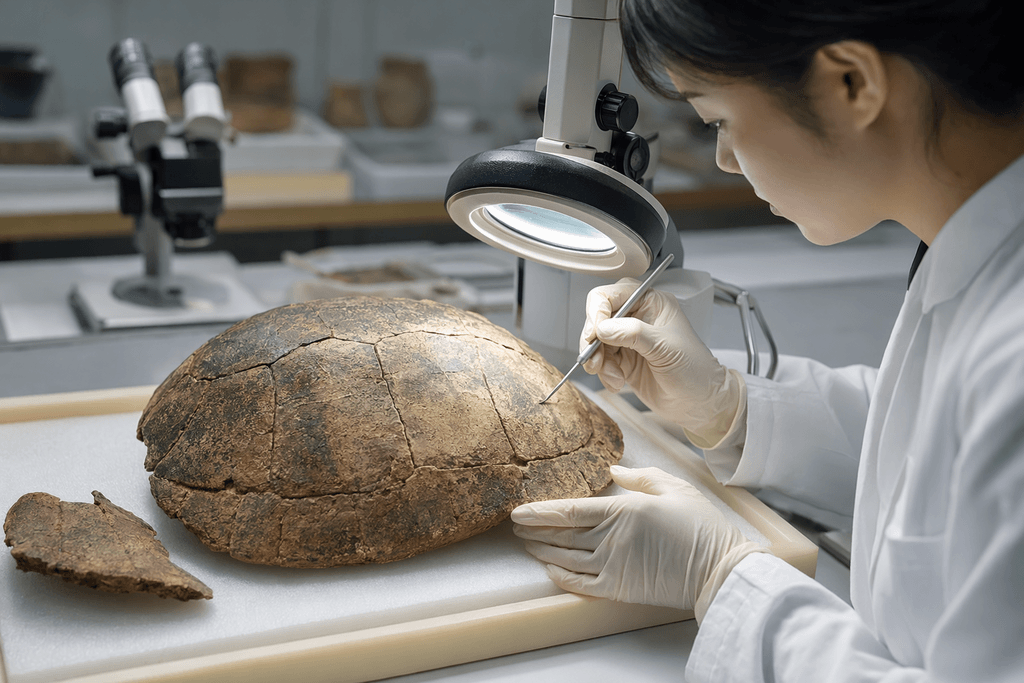
ခွံ / ပထမအဆင့် / စာချုပ်ရှိ ပထမပါတီ
သုတေသီများသည် ရှေးဟောင်းတူးဖော်တွေ့ရှိပစ္စည်းများတွင် ကျန်ရှိနေသော အခွံမာပေါ်ရှိ အလွန်သေးငယ်သည့် ပွန်းစားရာများကို ခွဲခြမ်းစိတ်ဖြာပြီး၊ ၎င်း၏ ဂေဟစနစ်ဆိုင်ရာ သဘောသဘာဝနှင့် ပတ်ဝန်းကျင်ပြောင်းလဲမှုတို့အကြား ဆက်နွှယ်မှုကို ဖော်ထုတ်ရန် ကြိုးပမ်းခဲ့ကြသည်။
( romanization )
( romanization )
( hiragana historical )
( hiragana )
問い合わせる
စုံစမ်းမေးမြန်းသည်
問い合わせる
စုံစမ်းမေးမြန်းသည်
Explanation
問い合わせる
စုံစမ်းမေးမြန်းသည်
問い合わせる
(အချက်အလက်ရရန်) မေးမြန်းသည် / စုံစမ်းမေးမြန်းသည် / ဆက်သွယ်မေးမြန်းသည်

Word Forms
The basic and commonly used forms of this verb.
Basic forms
| Form | Word form | Usage |
|---|---|---|
| Imperfective form (mizenkei) | Connects to endings such as nai, reru, and seru. | |
| Continuative form (renyokei) | Connects to endings such as masu, tai, and ta. | |
| Conclusive form (shushikei) | Ends a sentence and serves as the dictionary form. | |
| Attributive form (rentaikei) | Modifies a noun. | |
| Conditional form (kateikei) | Combines with ba to express a condition. | |
| Imperative form (meireikei) |
Alternative:
問い合わせよ
|
Expresses a command or instruction. |
Common forms
公演
အများပြည်သူအတွက်ဖျော်ဖြေပွဲ
公演
အများပြည်သူအတွက်ဖျော်ဖြေပွဲ
Explanation
公演
အများပြည်သူအတွက်ဖျော်ဖြေပွဲ
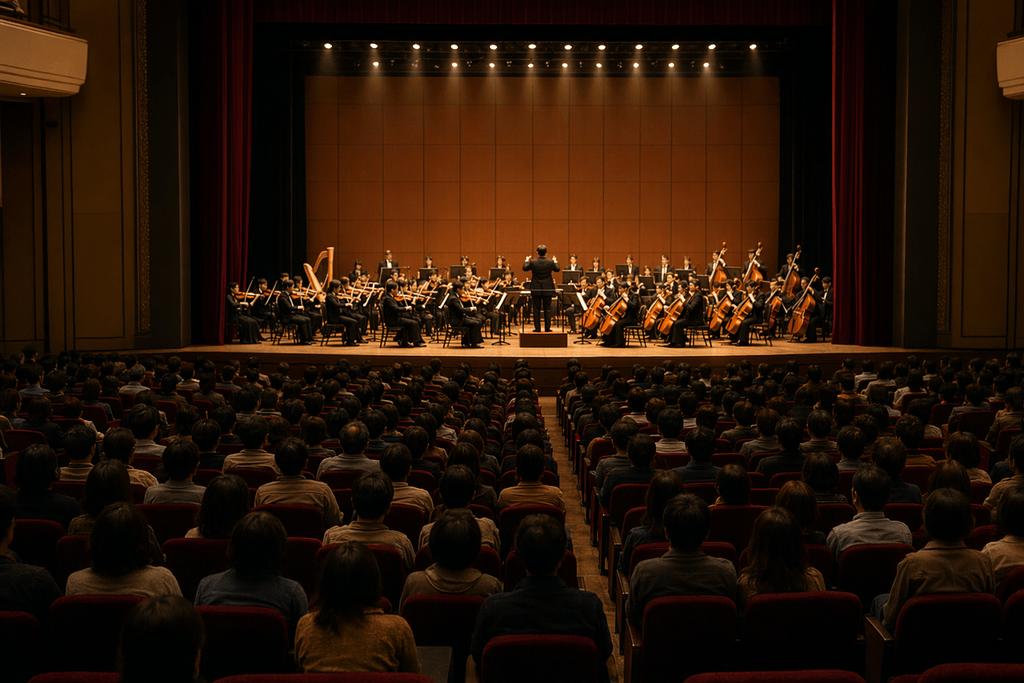
公演
အများပြည်သူအတွက် စင်မြင့်ပေါ် တင်ဆက်ပြသခြင်း / ဂီတ၊ ဇာတ်ပွဲ စသဖြင့် အများပြည်သူအတွက် ပြပွဲ / ဖျော်ဖြေပြပွဲ
ငလျင် ကြောင့် ရွှေ့ဆိုင်း ရန် ဖိအား ပေး ခံ ခဲ့ ရ သော ၊ ဖျော်ဖြေ မှု သည် ၊ ပါဝင် ခဲ့ သော သူ များ အကြား စေ့စေ့စပ်စပ် ညှိနှိုင်း ဆောင်ရွက် ပြီးနောက် နောက်ဆုံး တွင် လာ မည့် လ အတွက် စီစဉ် ရန် စီစဉ် နိုင် ခဲ့ သည် ။
( Base form )
( romanization )
( hiragana )
ひろまる
ပျံ့နှံ့သည်
ひろまる
ပျံ့နှံ့သည်
Explanation
ပျံ့နှံ့သည်
ひろまる
ပျံ့နှံ့သည် / ရောဂါ၊ သတင်း စသည်တို့ ပြန့်ပွားသည် / လူသိများလာသည်
အခြေအမြစ်မရှိသော ကောလာဟလများ ပျံ့နှံ့လာသည်နှင့်တပြိုင်နက်၊ အာဏာပိုင်များသည် မလိုအပ်ဘဲ စိုးရိမ်မှုကို မီးထိုးလှုံ့ဆော်မဖြစ်စေရန် ပြင်ဆင်ရှင်းလင်းချက်အချက်အလက်များကို သတိထားစွာ ထုတ်ပြန်ခဲ့သည်။

Word Forms
The basic and commonly used forms of this verb.
Basic forms
| Form | Word form | Usage |
|---|---|---|
| Imperfective form (mizenkei) |
Alternative:
ひろまろ
|
Connects to endings such as nai, reru, and seru. |
| Continuative form (renyokei) | Connects to endings such as masu, tai, and ta. | |
| Conclusive form (shushikei) | Ends a sentence and serves as the dictionary form. | |
| Attributive form (rentaikei) | Modifies a noun. | |
| Conditional form (kateikei) | Combines with ba to express a condition. | |
| Imperative form (meireikei) | Expresses a command or instruction. |
Common forms
再生
ပြန်ဖွင့်ခြင်း / ပြန်လည်ရှင်သန်ခြင်း
再生
ပြန်ဖွင့်ခြင်း / ပြန်လည်ရှင်သန်ခြင်း
Explanation
再生
ပြန်ဖွင့်ခြင်း / ပြန်လည်ရှင်သန်ခြင်း
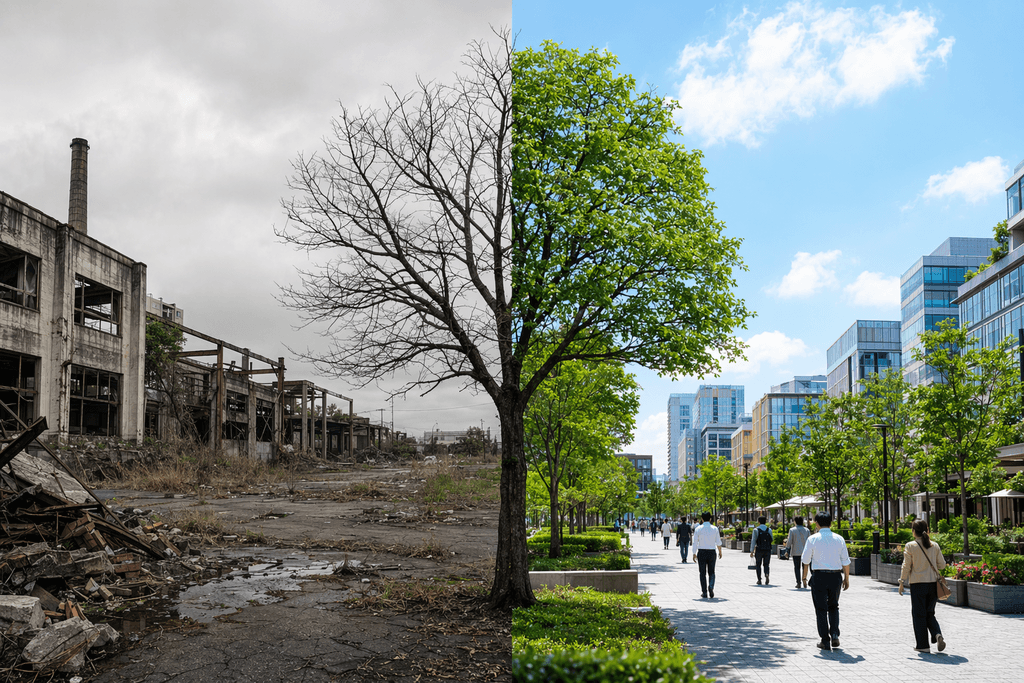
再生
ပြန်လည်ရှင်ပြန်ခြင်း / အသံ/ရုပ်သံ ပြန်ဖွင့်ခြင်း / ပြန်လည်အသုံးပြုခြင်း၊ ပြန်လည်ပြုပြင်ထူထောင်ခြင်း
ဒေသဆိုင်ရာ စီးပွားရေးကို အမှန်တကယ် ပြန်လည်ရှင်သန်စေချင်လျှင်၊ အတိုကောက်ကာလအတွင်း လူကြိုက်ယူခြင်းမဟုတ်ဘဲ နာကျင်မှုပါ伴သော ဖွဲ့စည်းပုံဆိုင်ရာ ပြုပြင်ပြောင်းလဲမှုများထဲသို့ ခြေလှမ်းချရန် စိတ်ပိုင်းဖြတ်ချက်ရှိရမည်။
( Base form )
( romanization )
( hiragana )
望ましい
လိုလားအပ်သော
望ましい
လိုလားအပ်သော
Explanation
望ましい
လိုလားအပ်သော
望ましい
လိုလားဖွယ်ကောင်းသော / ဦးစားပေးသင့်သော / အကြံပြုဖို့သင့်လျော်သော
ရေရှည်တည်တံ့နိုင်သော လူမှုအသိုက်အဝန်းတစ်ရပ်ကို အကောင်အထည်ဖော်ရန်အတွက် အတိုကာလအကျိုးအမြတ်ထက် ရေရှည်အမြင်ဖြင့် မူဝါဒများကို ဒီဇိုင်းဆွဲသတ်မှတ်ခြင်းက ပိုမိုလိုလားသင့်သည်။

Word Forms
The basic and commonly used forms of this adjective.
Basic forms
| Form | Word form | Usage |
|---|---|---|
| Imperfective form (mizenkei) | Used in forms such as karou; mainly literary. | |
| Continuative form (renyokei) |
Alternative:
望ましかっ
|
Used in forms such as kute and kunai. |
| Conclusive form (shushikei) | Ends a sentence. | |
| Attributive form (rentaikei) | Modifies a noun. | |
| Conditional form (kateikei) | Expresses a condition with kereba. | |
| Imperative form (meireikei) | Rarely used in modern Japanese. |
Common forms
余興
ပွဲတွင်းဖျော်ဖြေမှု
余興
ပွဲတွင်းဖျော်ဖြေမှု
Explanation
余興
ပွဲတွင်းဖျော်ဖြေမှု
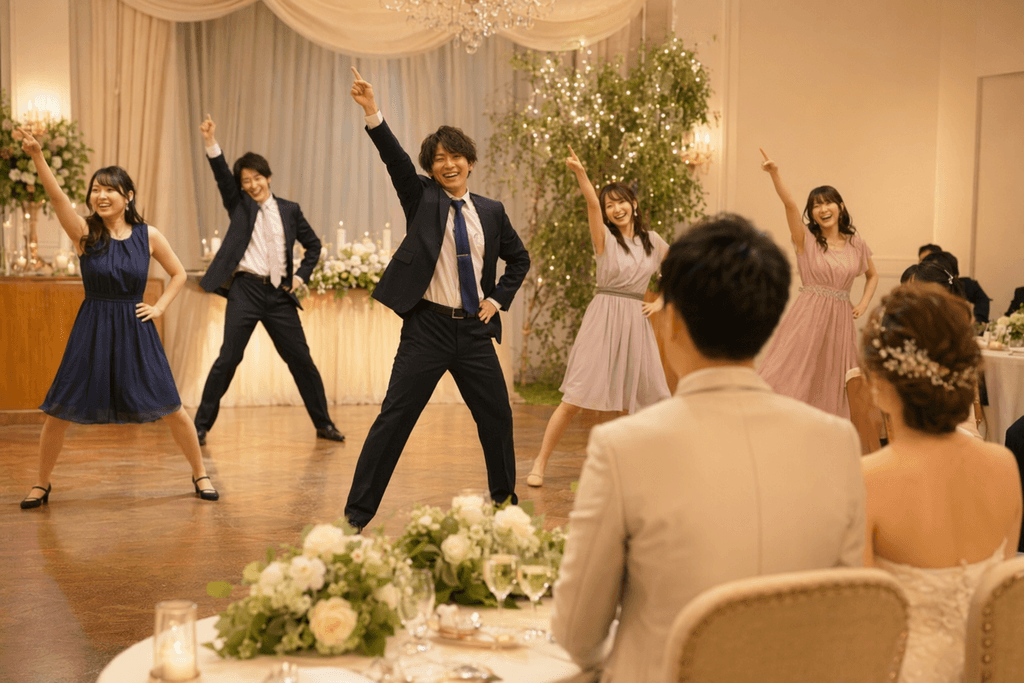
余興
အဓိကအစီအစဉ်အပြင် အပိုဖျော်ဖြေမှု / ပွဲခင်းတွင် ထပ်တိုးဖျော်ဖြေပွဲ / အထူးအစီအစဉ်အဖြစ် ပြသသည့် ဖျော်ဖြေမှု
အခမ်းအနားသည် လုံးဝအလေးအနက်ထားသော်လည်း ဧည့်သည်များပေးသော အပိုဖျော်ဖြေမှုက မမျှော်လင့်ဘဲ ဝန်းကျင်ကို ပျော့ပျောင်းစေပြီး တက်ရောက်သူများ၏ တင်းမာမှုကို လျော့ပါးစေခဲ့သည်။
( Base form )
( romanization )
( hiragana )
寄り掛かる
မှီနေသည် / အားကိုးသည်
寄り掛かる
မှီနေသည် / အားကိုးသည်
Explanation
寄り掛かる
မှီနေသည် / အားကိုးသည်
寄り掛かる
တစ်စုံတစ်ရာကို မှီလျောနေသည် / တစ်စုံတစ်ရာအပေါ် မှီခိုသည် / တစ်စုံတစ်ရာအပေါ် မူတည်သည်

Word Forms
The basic and commonly used forms of this verb.
Basic forms
| Form | Word form | Usage |
|---|---|---|
| Imperfective form (mizenkei) |
Alternative:
寄り掛かろ
|
Connects to endings such as nai, reru, and seru. |
| Continuative form (renyokei) | Connects to endings such as masu, tai, and ta. | |
| Conclusive form (shushikei) | Ends a sentence and serves as the dictionary form. | |
| Attributive form (rentaikei) | Modifies a noun. | |
| Conditional form (kateikei) | Combines with ba to express a condition. | |
| Imperative form (meireikei) | Expresses a command or instruction. |
Common forms
悟る
သဘောပေါက်သည် / ဉာဏ်အလင်းရသည်
悟る
သဘောပေါက်သည် / ဉာဏ်အလင်းရသည်
Explanation
悟る
သဘောပေါက်သည် / ဉာဏ်အလင်းရသည်
悟る
နားလည်သဘောပေါက်သည် / သိမြင်သည် / ဉာဏ်ပွင့်၍ အလင်းရသည်
Word Forms
The basic and commonly used forms of this verb.
Basic forms
| Form | Word form | Usage |
|---|---|---|
| Imperfective form (mizenkei) | Connects to endings such as nai, reru, and seru. | |
| Continuative form (renyokei) | Connects to endings such as masu, tai, and ta. | |
| Conclusive form (shushikei) | Ends a sentence and serves as the dictionary form. | |
| Attributive form (rentaikei) | Modifies a noun. | |
| Conditional form (kateikei) | Combines with ba to express a condition. | |
| Imperative form (meireikei) | Expresses a command or instruction. |
Common forms
Loading...

JLPT N1 多言語単語帳・3032語 / JLPT N1 Multilingual Vocabulary: 3032 Words

Jonathan Waller 氏の JLPT Resources の語彙リスト・レベル分類を出典とし、CC BY の条件に従って DiQt が学習者向けに意味を作り直した3032語の単語帳です。JLPT公式の語彙リストではありません。
This collection of 3032 words is based on the vocabulary list and level classifications in Jonathan Waller’s JLPT Resources under CC BY, with meanings rewritten by DiQt for learners. It is not an official JLPT vocabulary list.
Key Operations
Select the first quiz:
Ctrl + Enter
View Explanation:Ctrl + G
Close a feedback:Esc
When selecting a quiz
Answer:Enter
Select a choice:↓ or ↑
Reading out the question:Ctrl + K
View Hint: Ctrl + M
I don't know: Ctrl + Y



