
JLPT N1 ဝေါဟာရအဓိပ္ပာယ် လေ့ကျင့်ခန်း - Unsolved

JLPT N1 စကားလုံး 3032 လုံး၏ မြန်မာအဓိပ္ပာယ်ကို အဖြေရွေးချယ်စရာ လေးခုပါသော မေးခွန်းများဖြင့် လေ့လာပါ။
-
ဝက်ခြံ
-
အများပြည်သူ
-
အံ့ဩမှု
-
မှုန်ဝါးလာသည်
-
ပိုင်ဆိုင်သည်
-
အတင်းအကျပ်စေခိုင်းသည်
-
အားတက်သရောဖြစ်သည်
-
သိမ်းပိုက်သည်
-
ခေါ်ဆိုသည် / အမည်ခံသည်
-
အဖွဲ့အစည်းစိတ်ဓာတ်
-
ဟာသပြဇာတ်
-
မျက်နှာဖုံး
-
ဒုတိယအကြီးအကဲ / အရန်ဖြစ်သော
-
လုပ်ငန်းဆောင်တာမညီမျှမှု
-
ဓလေ့ထုံးစံ
-
ရွှေ့ပြောင်းနေထိုင်မှု
-
ကာဗွန်
-
အရှက်
-
ချောမွေ့သော
-
ခံစားမှုထုံသော
-
လွယ်ကူရိုးရှင်းသော
- 「こげ茶」は名詞的にも用いられ、連体修飾では「こげ茶の」が一般的です。
-
ပုံနှိပ်အမှား
-
ကျူးကျော်မှု
-
တိုက်ဆိုင်စစ်ဆေးမှု
-
အညီအမျှနှစ်ခြမ်း
-
ယခင်က / တစ်ခါမဆို
-
နောက်အကျဆုံး
-
ထိတ်လန့်သည်
-
စနစ်တကျပြင်ဆင်သည်
-
စုံစမ်းမေးမြန်းသည်
戦力
တိုက်ခိုက်ရေးစွမ်းအား
戦力
တိုက်ခိုက်ရေးစွမ်းအား
Explanation
戦力
တိုက်ခိုက်ရေးစွမ်းအား
戦力
စစ်အင်အား၊ စစ်ဆင်ရေးစွမ်းအား / တိုက်ပွဲစွမ်းအား / အသင်းအင်အား၊ အားတိုးပေးကစားသမား
သတင်းအချက်အလက်စစ်ပွဲခေတ်အတွင်းတွင် စစ်အင်အားဆိုသည်မှာ လက်နက်အရေအတွက်သာမက ထောက်ပံ့ရေးလိုင်းများကို ထိန်းသိမ်းနိုင်စွမ်းနှင့် ဆိုက်ဘာကာကွယ်ရေးစွမ်းရည်တို့အထိ ပါဝင်သည့် အလုံးစုံအရ တစ်စုတစ်စည်းတည်း အကဲဖြတ်သင့်သည်။

( Base form )
( romanization )
( hiragana )
取り組む
ကြိုးပမ်းကိုင်တွယ်သည်
取り組む
ကြိုးပမ်းကိုင်တွယ်သည်
Explanation
取り組む
ကြိုးပမ်းကိုင်တွယ်သည်
取り組む
ပြဿနာကို ကိုင်တွယ်ဖြေရှင်းသည် / အခက်အခဲနှင့် ရင်ဆိုင်ကြိုးပမ်းသည် / တာဝန်ကို တက်ကြွစွာ လုပ်ကိုင်ဆောင်ရွက်သည်
သူတို့သည် ရွှေ့ဆိုင်းထားခဲ့သည့် စနစ်ပြုပြင်ပြောင်းလဲရေးကို တိုက်ရိုက်ရင်ဆိုင်ဆောင်ရွက်ခဲ့ပြီး၊ အကျိုးစီးပွားသက်ဆိုင်သူများနှင့် အကြိမ်ကြိမ် ညှိနှိုင်းနေစဉ်မှာပင် သတ်မှတ်ကာလအတွင်း သဘောတူညီမှုရရှိရန် ရည်မှန်းခဲ့ကြသည်။

Word Forms
The basic and commonly used forms of this verb.
Basic forms
| Form | Word form | Usage |
|---|---|---|
| Imperfective form (mizenkei) |
Alternative:
取り組も
|
Connects to endings such as nai, reru, and seru. |
| Continuative form (renyokei) |
Alternative:
取り組ん
|
Connects to endings such as masu, tai, and ta. |
| Conclusive form (shushikei) | Ends a sentence and serves as the dictionary form. | |
| Attributive form (rentaikei) | Modifies a noun. | |
| Conditional form (kateikei) | Combines with ba to express a condition. | |
| Imperative form (meireikei) | Expresses a command or instruction. |
Common forms
経る
ဖြတ်သန်းသည် / ကုန်လွန်သည်
経る
ဖြတ်သန်းသည် / ကုန်လွန်သည်
Explanation
経る
ဖြတ်သန်းသည် / ကုန်လွန်သည်
経る
အချိန် ကုန်လွန်သည် / ကာလကို ဖြတ်သန်းသည် / အချိန်၊ နှစ်များ ကျော်လွန်သည်

Word Forms
The basic and commonly used forms of this verb.
Basic forms
| Form | Word form | Usage |
|---|---|---|
| Imperfective form (mizenkei) | Connects to endings such as nai, reru, and seru. | |
| Continuative form (renyokei) | Connects to endings such as masu, tai, and ta. | |
| Conclusive form (shushikei) | Ends a sentence and serves as the dictionary form. | |
| Attributive form (rentaikei) | Modifies a noun. | |
| Conditional form (kateikei) | Combines with ba to express a condition. | |
| Imperative form (meireikei) |
Alternative:
経よ
|
Expresses a command or instruction. |
Common forms
コントラスト
ခြားနားကွာဟမှု
コントラスト
ခြားနားကွာဟမှု
Explanation
ခြားနားကွာဟမှု
コントラスト
အရာများကြားက ကွာခြားမှု / ရုပ်ပုံ၊ မျက်နှာပြင်၏ အလင်း-အမှောင် ကွာခြားမှု
မြို့ပြ ပြန်လည် ဖွံ့ဖြိုး တိုးတက် မှု မှ ကြေညာ ခဲ့ သော စွဲမက် ဖွယ် စံနှုန်း များ နှင့် ပြောင်းရွှေ့ ရန် ဖိအား ပေး ခံ ရ သော နေထိုင် သူ များ ၏ နေထိုင် မှု များ အကြား ကွာခြား မှု သည် မူဝါဒ ၏ အချည်းနှီး ဖြစ် မှု ကို ပေါ်လွင် စေ သည် ။

( romanization )
業者
လုပ်ငန်းလုပ်ကိုင်သူ
業者
လုပ်ငန်းလုပ်ကိုင်သူ
Explanation
業者
လုပ်ငန်းလုပ်ကိုင်သူ
業者
လုပ်ငန်းလုပ်ကိုင်သူ / ရောင်းဝယ်သူ / ပစ္စည်းပေးသွင်းသူ
အဲဒီကုမ္ပဏီက ဥပဒေရဲ့ အပေါက်အဟာကို ချွတ်ယူပြီး အမြတ်တိုးနေခဲ့ပေမယ့် အတွင်းပိုင်းက ဖော်ထုတ်တိုင်ကြားမှုကို အကြောင်းပြု၍ တစ်ခဏအတွင်း တစ်ပြိုင်နက်တည်း ဖမ်းဆီးအရေးယူခံလိုက်ရတယ်။

( Base form )
( romanization )
( hiragana )
移民
ရွှေ့ပြောင်းဝင်ရောက်မှု / ရွှေ့ပြောင်းဝင်ရောက်သူ
移民
ရွှေ့ပြောင်းဝင်ရောက်မှု / ရွှေ့ပြောင်းဝင်ရောက်သူ
Explanation
移民
ရွှေ့ပြောင်းဝင်ရောက်မှု / ရွှေ့ပြောင်းဝင်ရောက်သူ
移民
နိုင်ငံသို့ နေရပ်ရွှေ့ပြောင်းလာသူ / နိုင်ငံသို့ နေရပ်ရွှေ့ပြောင်းခြင်း
အစိုးရသည် အလုပ်သမားရှားပါးမှုကို ဖြည့်ဆည်းပေးရန် ပြောင်းရွှေ့လာသူများကို လက်ခံရုံသာမက ဒေသခံအသိုင်းအဝိုင်းထဲသို့ ပေါင်းစည်းခွင့်ပေးသည့် စနစ်များကိုလည်း တည်ထောင်သင့်သည်။

( Base form )
( romanization )
( hiragana )
こげ茶
အညိုရင့်ရောင်
こげ茶
အညိုရင့်ရောင်
Explanation
こげ茶
အညိုရင့်ရောင်
こげ茶
အညိုရင့်ရောင် / အညိုမဲရောင်
နှစ်ပေါင်းများစွာ အသုံးပြုခဲ့လို့ တောက်ပနေတဲ့ အညိုရောင်စားပွဲဟာ မှိန်မှိန်နေတဲ့ စာသင်ခန်းရဲ့ ငြိမ်သက်မှုနဲ့ ပေါင်းစပ်ပြီး အချိန်ရပ်တန့်သွားသလို လေထုကို ဖန်တီးပေးတယ်။

Word Forms
The basic and commonly used forms of this adjectival noun.
Basic forms
| Form | Word form | Usage |
|---|---|---|
| Imperfective form (mizenkei) | Used in forms such as darou. | |
| Continuative form (renyokei) |
Alternative:
こげ茶に
こげ茶だっ
|
Used with de or ni. |
| Conclusive form (shushikei) | Ends a sentence with da. | |
| Attributive form (rentaikei) |
Alternative:
こげ茶の
|
Modifies a noun with na. |
| Conditional form (kateikei) |
Alternative:
こげ茶ならば
|
Expresses a condition with nara. |
| Imperative form (meireikei) | Used in formal expressions such as de are. |
Common forms
| Form | Word form | Usage |
|---|---|---|
| Te-form equivalent | Connects clauses using de. | |
| Ta-form | Expresses the past with datta. | |
| Nai-form |
Alternative:
こげ茶じゃない
|
Expresses negation with dewa nai or ja nai. |
| Desu-form | Used for polite speech. |
Notes
証言
သက်သေထွက်ဆိုချက်
証言
သက်သေထွက်ဆိုချက်
Explanation
証言
သက်သေထွက်ဆိုချက်
証言
သက်သေခံချက် / တရားရုံးတွင် သက်သေဖော်ပြချက်

( Base form )
( romanization )
( kyūjitai )
( hiragana )
案の定
ထင်ထားသည့်အတိုင်း
案の定
ထင်ထားသည့်အတိုင်း
Explanation
案の定
ထင်ထားသည့်အတိုင်း
案の定
မျှော်လင့်ထားသလို / မှန်းထားသလို / ထင်ထားသလို
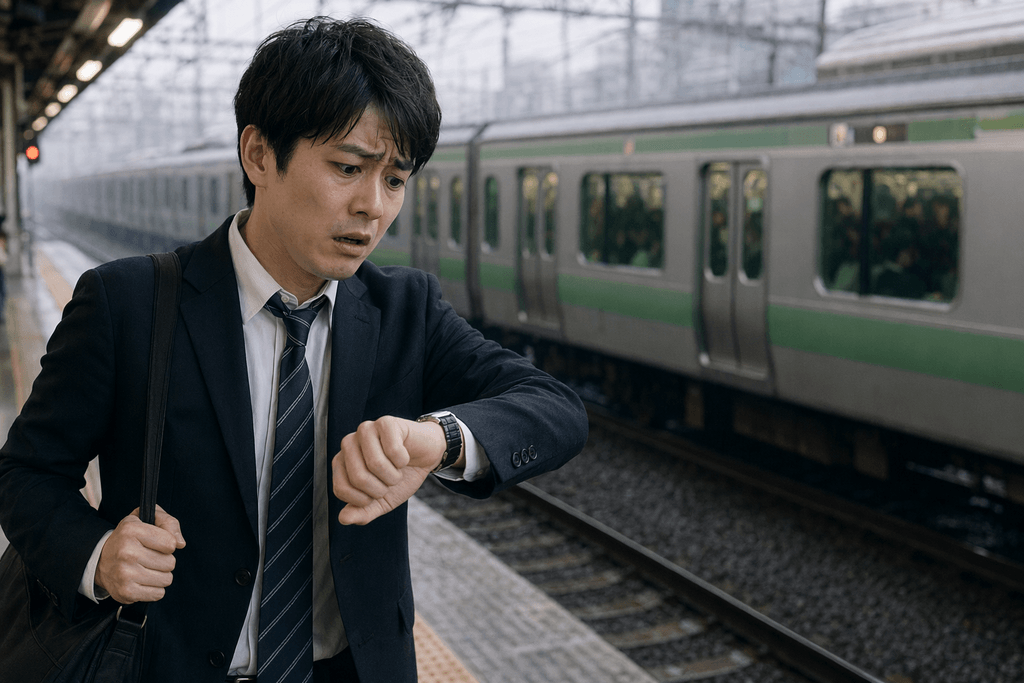
သူ ၏ အကောင်းမြင် အမြင် သည် ခိုင်မာ သော အခြေခံ တစ် ခု မ ရှိ သောကြောင့် ၊ မျှော်လင့် ထား သည့် အတိုင်း ၊ အစီအစဉ် သည် အစပိုင်း အဆင့် တွင် သောင်တင် ခဲ့ သည် ။
( Base form )
( romanization )
( hiragana )
損なう
ပျက်စီးစေသည် / လုပ်ရန်ပျက်ကွက်သည်
損なう
ပျက်စီးစေသည် / လုပ်ရန်ပျက်ကွက်သည်
Explanation
損なう
ပျက်စီးစေသည် / လုပ်ရန်ပျက်ကွက်သည်
損なう
ထိခိုက်ပျက်စီးစေသည် / ဖျက်ဆီးသည် / အလှကို ပျက်စေသည်

Word Forms
The basic and commonly used forms of this verb.
Basic forms
| Form | Word form | Usage |
|---|---|---|
| Imperfective form (mizenkei) |
Alternative:
損なお
|
Connects to endings such as nai, reru, and seru. |
| Continuative form (renyokei) | Connects to endings such as masu, tai, and ta. | |
| Conclusive form (shushikei) | Ends a sentence and serves as the dictionary form. | |
| Attributive form (rentaikei) | Modifies a noun. | |
| Conditional form (kateikei) | Combines with ba to express a condition. | |
| Imperative form (meireikei) | Expresses a command or instruction. |
Common forms
Loading...

JLPT N1 多言語単語帳・3032語 / JLPT N1 Multilingual Vocabulary: 3032 Words

Jonathan Waller 氏の JLPT Resources の語彙リスト・レベル分類を出典とし、CC BY の条件に従って DiQt が学習者向けに意味を作り直した3032語の単語帳です。JLPT公式の語彙リストではありません。
This collection of 3032 words is based on the vocabulary list and level classifications in Jonathan Waller’s JLPT Resources under CC BY, with meanings rewritten by DiQt for learners. It is not an official JLPT vocabulary list.
Key Operations
Select the first quiz:
Ctrl + Enter
View Explanation:Ctrl + G
Close a feedback:Esc
When selecting a quiz
Answer:Enter
Select a choice:↓ or ↑
Reading out the question:Ctrl + K
View Hint: Ctrl + M
I don't know: Ctrl + Y



