
JLPT N1 ဝေါဟာရအဓိပ္ပာယ် လေ့ကျင့်ခန်း - Unsolved

JLPT N1 စကားလုံး 3032 လုံး၏ မြန်မာအဓိပ္ပာယ်ကို အဖြေရွေးချယ်စရာ လေးခုပါသော မေးခွန်းများဖြင့် လေ့လာပါ။
-
အတူပါရှိသည်
-
တည်ထောင်သည်
-
ဆက်စပ်နေသည်
- 「明かす」は「明らかにする」「夜を過ごす」のいずれの意味でも同じ活用です。
-
နွမ်းခြောက်သည်
-
ပေးသွင်းပြီးဖြစ်သည် / သိမ်းဆည်းပြီးဖြစ်သည်
-
ပိုမိုအားကောင်းလာသည်
-
တုံ့ပြန်မှု
-
လျှို့ဝှက်ဝင်ရောက်မှု
-
ကိုယ်ပိုင်တံဆိပ်တုံး
-
တရားစွဲဆိုမှု
-
သူရဲဘောကြောင်မှု
-
သပိတ်မှောက်မှု
-
ကောင်းမွန်သောကဗျာစာကြောင်း
-
အခြေခံ / ဘေ့စ်သံ
-
စွန့်လွှတ်အနစ်နာခံမှု
-
မာကျောစေသည် / ခိုင်မာစေသည်
-
မှလွတ်မြောက်သည်
-
အာရုံစိုက်သည် / အသေးစိတ်ကြံစည်သည်
-
မြုပ်နေသည် / ပြည့်သွားသည်
-
သတင်းတင်ပြသည်
-
လိပ်မူသည်
-
အချိုးအစား
-
ဘဝင်မြင့်မှု
-
စီးပွားရေးစည်ကားမှု
-
ပေးကမ်းသည် / ဆောင်ရွက်သည်
-
ချန်လှပ်သည်
-
ချိတ်သည် / ထောင်ချောက်ဆင်သည်
- 「寝る(ねる)」は下一段活用だが、「練る(ねる)」は五段ラ行活用。
-
နာမည်ကောင်း
-
ဩဇာရှိသော / ဖြစ်နိုင်ခြေများသော
-
ကျွမ်းကျင်သော / ကျန်းမာသော
明かす
ဖွင့်ဟသည် / တစ်ညလုံးမအိပ်ဘဲနေသည်
明かす
ဖွင့်ဟသည် / တစ်ညလုံးမအိပ်ဘဲနေသည်
Explanation
明かす
ဖွင့်ဟသည် / တစ်ညလုံးမအိပ်ဘဲနေသည်
明かす
ဖော်ထုတ်သည် / တစ်ညလုံး မအိပ်ဘဲ နိုးနေသည်
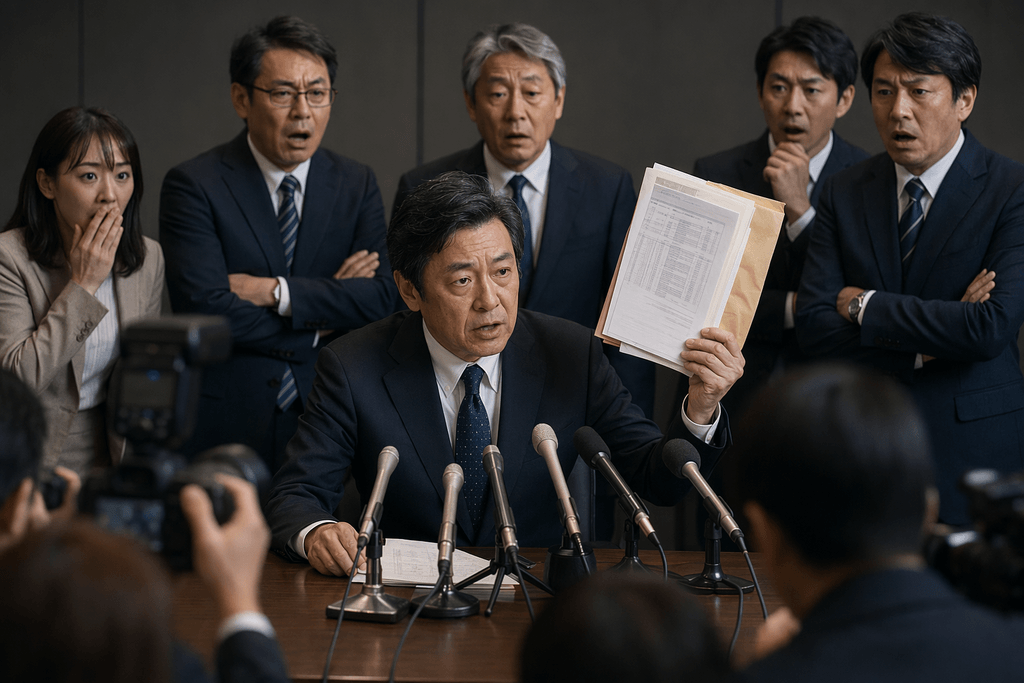
သူက နှစ်ပေါင်းများစွာ ဖုံးကွယ်ထားခဲ့တဲ့ မတရားမှုကို သတင်းစာရှင်းလင်းပွဲမှာ နောက်ဆုံးတော့ ဖော်ထုတ်လိုက်ပြီး အဖွဲ့အစည်းတစ်ခုလုံးအနှံ့ အလွန်ပြင်းထန်တဲ့ တုန်လှုပ်မှု ဖြစ်ပွားသွားခဲ့သည်။
Word Forms
The basic and commonly used forms of this verb.
Basic forms
| Form | Word form | Usage |
|---|---|---|
| Imperfective form (mizenkei) |
Alternative:
明かそ
|
Connects to endings such as nai, reru, and seru. |
| Continuative form (renyokei) | Connects to endings such as masu, tai, and ta. | |
| Conclusive form (shushikei) | Ends a sentence and serves as the dictionary form. | |
| Attributive form (rentaikei) | Modifies a noun. | |
| Conditional form (kateikei) | Combines with ba to express a condition. | |
| Imperative form (meireikei) | Expresses a command or instruction. |
Common forms
| Form | Word form | Usage |
|---|---|---|
| Te-form | Connects clauses with te. | |
| Ta-form | Expresses the past with ta. | |
| Nai-form | Expresses negation with nai. | |
| Masu-form | Used for polite speech. | |
| Ba-form | Expresses a condition with ba. | |
| Volitional form | Expresses intention or invitation. |
Notes
踏まえる
အခြေခံထားသည်
踏まえる
အခြေခံထားသည်
Explanation
踏まえる
အခြေခံထားသည်
踏まえる
အချက်အလက်/အခြေအနေကို ထည့်သွင်းယူဆ၍ အခြေခံလုပ်ဆောင်သည် / ခြေချတည်ကြည်နေသည်

Word Forms
The basic and commonly used forms of this verb.
Basic forms
| Form | Word form | Usage |
|---|---|---|
| Imperfective form (mizenkei) | Connects to endings such as nai, reru, and seru. | |
| Continuative form (renyokei) | Connects to endings such as masu, tai, and ta. | |
| Conclusive form (shushikei) | Ends a sentence and serves as the dictionary form. | |
| Attributive form (rentaikei) | Modifies a noun. | |
| Conditional form (kateikei) | Combines with ba to express a condition. | |
| Imperative form (meireikei) |
Alternative:
踏まえよ
|
Expresses a command or instruction. |
Common forms
退治
အမြစ်ပြတ်နှိမ်နင်းမှု
退治
အမြစ်ပြတ်နှိမ်နင်းမှု
Explanation
退治
အမြစ်ပြတ်နှိမ်နင်းမှု
退治
တိုက်ဖျက်ခြင်း / ဖျက်သိမ်းခြင်း / ပိုးမွှားတိုက်ဖျက်ရေး
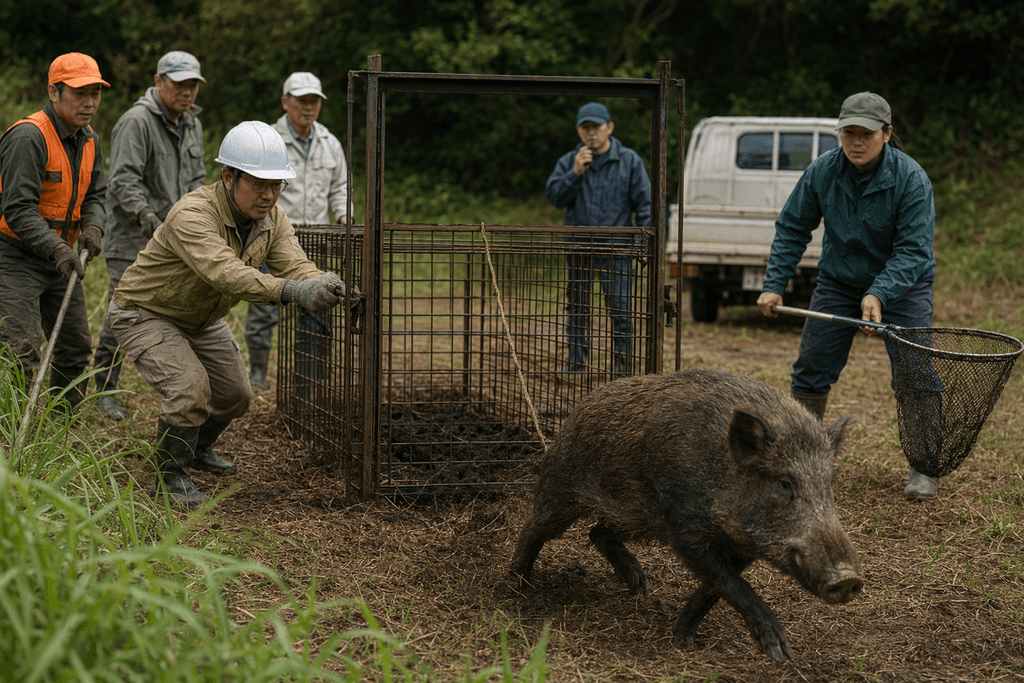
နှစ်ပေါင်းများစွာ ဒေသကို ဒုက္ခပေးလာတဲ့ အန္တရာယ်ဖြစ်စေသော တိရစ္ဆာန်များကို ဖျက်ဆီးနှိမ်နင်းတာဟာ လွယ်လွယ်ကူကူ မဖြစ်နိုင်ဘဲ၊ ဆက်စပ်အဖွဲ့အစည်းများအကြား ပူးပေါင်းညှိနှိုင်းမှုနဲ့ သည်းခံတည်တံ့စွာ ဆောင်ရွက်တဲ့ တန်ပြန်အစီအမံတွေက မရှိမဖြစ်လိုအပ်တယ်။
( Base form )
( romanization )
( romanization )
( hiragana historical )
( hiragana )
レッスン
သင်ခန်းစာ
レッスン
သင်ခန်းစာ
Explanation
သင်ခန်းစာ
レッスン
သင်ခန်းစာ / သင်တန်းချိန် / လေ့ကျင့်သင်ကြားပွဲ
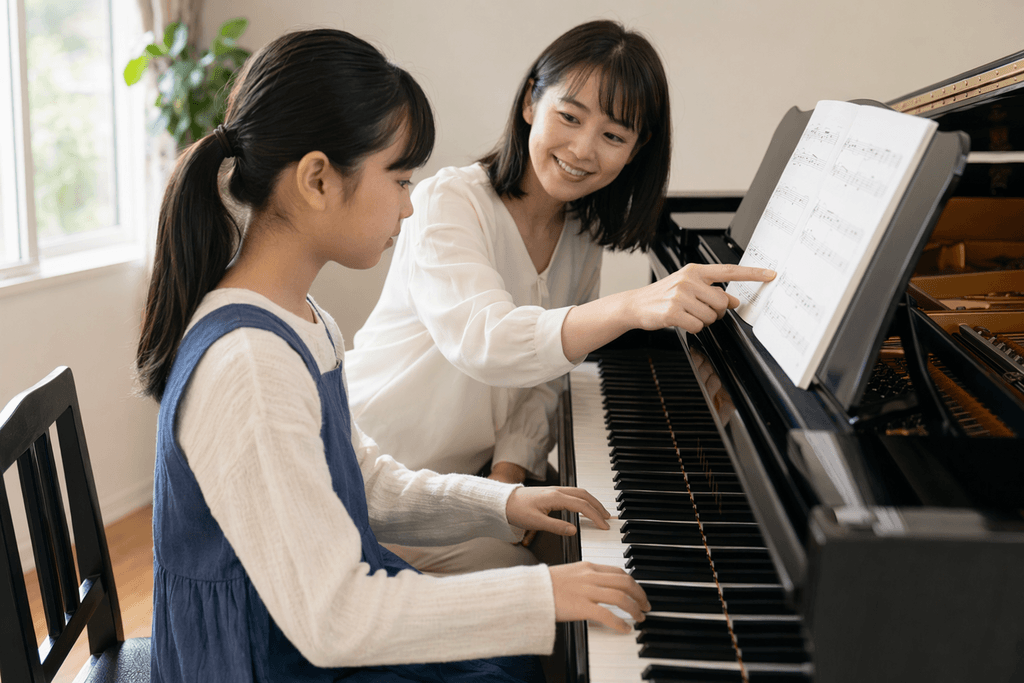
အလွန်အလုပ်များသောနေ့ရက်များကြား၌ပင် ဆရာ၏သင်ခန်းစာများကို ဘယ်တော့မျှ မပျက်ခဲ့သည့်အပြင် သူ၏အနေအထားတွင် ရှေ့နောက်မညီမှုကိုပင် လျစ်လျူမရှုခဲ့ချေ။
( romanization )
美術
အနုပညာပန်းချီ
美術
အနုပညာပန်းချီ
Explanation
美術
အနုပညာပန်းချီ
美術
အနုပညာ / ရုပ်ပိုင်းအနုပညာ

( Base form )
( romanization )
( hiragana )
受け入れる
လက်ခံသည်
受け入れる
လက်ခံသည်
Explanation
受け入れる
လက်ခံသည်
受け入れる
လက်ခံသည် / ခံယူသည် / သဘောတူလက်ခံသည်

Word Forms
The basic and commonly used forms of this verb.
Basic forms
| Form | Word form | Usage |
|---|---|---|
| Imperfective form (mizenkei) | Connects to endings such as nai, reru, and seru. | |
| Continuative form (renyokei) | Connects to endings such as masu, tai, and ta. | |
| Conclusive form (shushikei) | Ends a sentence and serves as the dictionary form. | |
| Attributive form (rentaikei) | Modifies a noun. | |
| Conditional form (kateikei) | Combines with ba to express a condition. | |
| Imperative form (meireikei) |
Alternative:
受け入れよ
|
Expresses a command or instruction. |
Common forms
蕩ける
အရည်ပျော်သည် / စွဲလမ်းမိသည်
蕩ける
အရည်ပျော်သည် / စွဲလမ်းမိသည်
Explanation
蕩ける
အရည်ပျော်သည် / စွဲလမ်းမိသည်
蕩ける
အရည်ပျော်သွားသည် / ပူလောင်၍ အရည်ပျော်လွယ်လာသည် / (နှလုံး/စိတ်) နူးညံ့ပျော်ရွှင်သွားသည်
နေပူပြင်းတဲ့အောက်မှာ အချိန်ကြာကြာထားလွှတ်ထားတဲ့ အိုင်စ်က မျက်ချင်းဆိုင် မျက်ချင်းဆိုင်ပဲ အမြန်လျှင်အမြန် လီလီကျဲကျဲပျော်ကျသွားပြီး လက်ဖဝါးကို ချိုချဉ်စွာညစ်စေခဲ့တယ်။

Word Forms
The basic and commonly used forms of this verb.
Basic forms
| Form | Word form | Usage |
|---|---|---|
| Imperfective form (mizenkei) | Connects to endings such as nai, reru, and seru. | |
| Continuative form (renyokei) | Connects to endings such as masu, tai, and ta. | |
| Conclusive form (shushikei) | Ends a sentence and serves as the dictionary form. | |
| Attributive form (rentaikei) | Modifies a noun. | |
| Conditional form (kateikei) | Combines with ba to express a condition. | |
| Imperative form (meireikei) |
Alternative:
蕩けよ
|
Expresses a command or instruction. |
Common forms
誇張
ချဲ့ကားခြင်း
誇張
ချဲ့ကားခြင်း
Explanation
誇張
ချဲ့ကားခြင်း
誇張
ဖြားဖြူးခြင်း / အလွန်အကျွံပြောဆိုခြင်း / ချဲ့ထွင်ပုံ

( Base form )
( romanization )
( hiragana )
練る
နယ်သည် / အစီအစဉ်ကိုအသေးစိတ်စဉ်းစားသည်
練る
နယ်သည် / အစီအစဉ်ကိုအသေးစိတ်စဉ်းစားသည်
Explanation
練る
နယ်သည် / အစီအစဉ်ကိုအသေးစိတ်စဉ်းစားသည်
練る
(မုန့်မား စသည်) ကို လက်ဖြင့် နယ်နှက်သည် / အတွေးအကြံ/အစီအစဉ်ကို ဆန်းစစ်၍ ပြင်ဆင်တိုးတက်အောင် လုပ်သည် / (ပိုးထည် စသည်) ကို နူးညံ့ချောမွေ့၊ တောက်ပအောင် ပြုလုပ်သည်
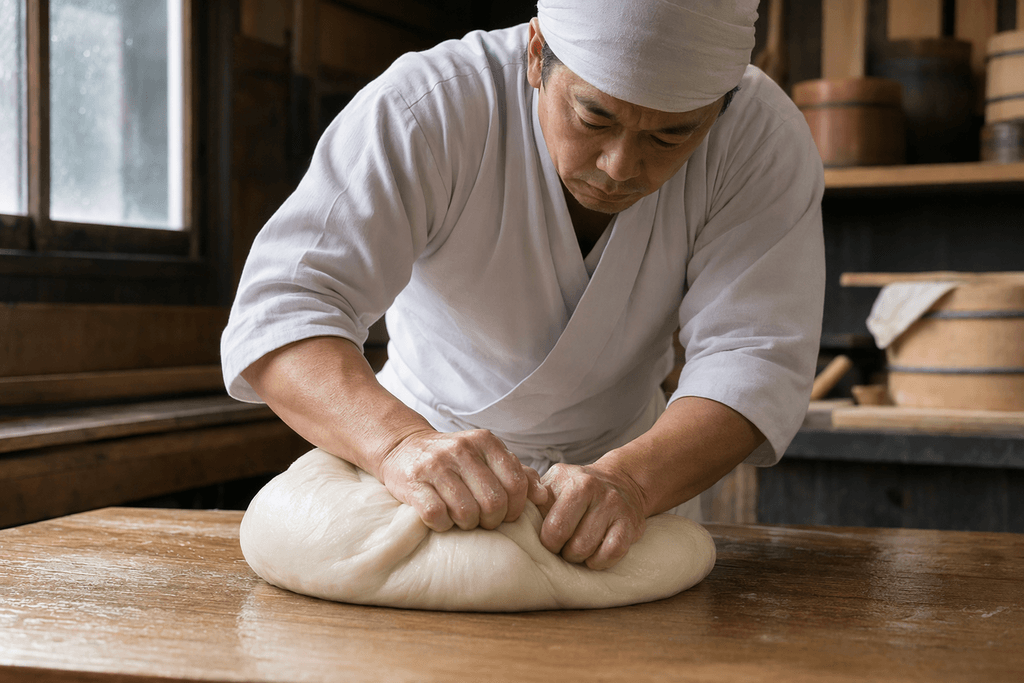
လက်မှုပညာရှင်သည် အပူချိန်နှင့် စိုထိုင်းဆကို အကဲခတ်ရင်း မုန့်သားကို စေ့စေ့စပ်စပ် နယ်ကာ စေးပျစ်မှုနှင့် တောက်ပြောင်မှု ပေါ်လာသည့် အခိုက်အတန့်ကို လက်လွတ်မခံပေ။
Word Forms
The basic and commonly used forms of this verb.
Basic forms
| Form | Word form | Usage |
|---|---|---|
| Imperfective form (mizenkei) |
Alternative:
練ろ
|
Connects to endings such as nai, reru, and seru. |
| Continuative form (renyokei) |
Alternative:
練っ
|
Connects to endings such as masu, tai, and ta. |
| Conclusive form (shushikei) | Ends a sentence and serves as the dictionary form. | |
| Attributive form (rentaikei) | Modifies a noun. | |
| Conditional form (kateikei) | Combines with ba to express a condition. | |
| Imperative form (meireikei) | Expresses a command or instruction. |
Common forms
| Form | Word form | Usage |
|---|---|---|
| Te-form | Connects clauses with te. | |
| Ta-form | Expresses the past with ta. | |
| Nai-form | Expresses negation with nai. | |
| Masu-form | Used for polite speech. | |
| Ba-form | Expresses a condition with ba. | |
| Volitional form | Expresses intention or invitation. |
Notes
未熟
မရင့်ကျက်သော / မကျွမ်းကျင်သော
未熟
မရင့်ကျက်သော / မကျွမ်းကျင်သော
Explanation
未熟
မရင့်ကျက်သော / မကျွမ်းကျင်သော
未熟
မရင့်ကျက်သေးသော / မရင့်သေးသော (အသီးအနှံ) / အတွေ့အကြုံနည်းသော
သူက နည်းပညာပိုင်းအရတော့ ထူးချွန်ပေမယ့် လူမှုဆက်ဆံရေးရဲ့ နူးညံ့သိမ်မွေ့မှုတွေကို ဖတ်ရှုနိုင်တဲ့အပိုင်းမှာတော့ မကျက်သေးတာကို နက်နက်ရှိုင်းရှိုင်း ခံစားသိရှိလိုက်ရတယ်။

Word Forms
The basic and commonly used forms of this adjectival noun.
Basic forms
| Form | Word form | Usage |
|---|---|---|
| Imperfective form (mizenkei) |
Alternative:
未熟でしょ
|
Used in forms such as darou. |
| Continuative form (renyokei) |
Alternative:
未熟に
|
Used with de or ni. |
| Conclusive form (shushikei) |
Alternative:
未熟です
|
Ends a sentence with da. |
| Attributive form (rentaikei) |
Alternative:
未熟である
|
Modifies a noun with na. |
| Conditional form (kateikei) |
Alternative:
未熟であれば
|
Expresses a condition with nara. |
| Imperative form (meireikei) | Used in formal expressions such as de are. |
Common forms
Loading...

JLPT N1 多言語単語帳・3032語 / JLPT N1 Multilingual Vocabulary: 3032 Words

Jonathan Waller 氏の JLPT Resources の語彙リスト・レベル分類を出典とし、CC BY の条件に従って DiQt が学習者向けに意味を作り直した3032語の単語帳です。JLPT公式の語彙リストではありません。
This collection of 3032 words is based on the vocabulary list and level classifications in Jonathan Waller’s JLPT Resources under CC BY, with meanings rewritten by DiQt for learners. It is not an official JLPT vocabulary list.
Key Operations
Select the first quiz:
Ctrl + Enter
View Explanation:Ctrl + G
Close a feedback:Esc
When selecting a quiz
Answer:Enter
Select a choice:↓ or ↑
Reading out the question:Ctrl + K
View Hint: Ctrl + M
I don't know: Ctrl + Y



