
JLPT N1 ဝေါဟာရအဓိပ္ပာယ် လေ့ကျင့်ခန်း - Unsolved

JLPT N1 စကားလုံး 3032 လုံး၏ မြန်မာအဓိပ္ပာယ်ကို အဖြေရွေးချယ်စရာ လေးခုပါသော မေးခွန်းများဖြင့် လေ့လာပါ။
-
မှားယွင်းသည် / ပြောင်းလဲသည်
-
ကြင်နာစောင့်ရှောက်သည်
-
စည်းကမ်းဖောက်မှုကိုနှိမ်နင်းသည်
- 「濯ぐ」は五段活用ガ行の動詞。読みは「すすぐ」。
- 未然形「濯ご」は主に意志形「濯ごう」に現れる形。
-
ကျူးကျော်သည် / ထိပါးသည်
-
မှာယူပို့ဆောင်စေသည်
-
ချိတ်သည် / ထောင်ချောက်ဆင်သည်
- 「驕る」の異表記。
-
နှင်းပြိုမှု
-
ဦးဆောင်ကွပ်ကဲမှု
-
လေး
-
အဟောင်းအလဲအထပ်ပေးဝယ်ခြင်း
-
စတင်ရောင်းချမှု / ဈေးလျှော့ရောင်းပွဲ
-
လက်ထောက်ဇောက်ထိုးရပ်ခြင်း / ခေါင်းထောက်ဇောက်ထိုးရပ်ခြင်း
-
ဟိုဘက်မှာ
-
ငါ
-
သင်
-
တမ်းတမှု
-
ခွက်အိုး / အရည်အချင်း
-
အလေးအနက်ထားမှု
-
နှုတ်စကားပါးခြင်း
-
ဝိညာဉ်
-
ကြွယ်ဝမှု
-
လက်သုတ်ပဝါ / အမျိုးသမီးလစဉ်သုံးပစ္စည်း
-
အရည်အချင်းမရှိမှု
-
မကျေနပ်မှု / ကန့်ကွက်မှု
-
သယ်ဆောင်သွားသည် / ပြန်ပေးဆွဲသည်
-
တိမ်းစောင်းစေသည် / အင်အားမြှုပ်နှံသည်
-
စိုစွတ်သည် / ချမ်းသာလာသည်
- 「問う」はワア行五段活用の動詞。連用形接続の「て」「た」は、標準的には特殊音便で「問うて」「問うた」となる。
- 「問って」「問った」も類推形・口語的な形として用いられることがある。
-
ပန့်စက်
-
ခရစ်ယာန်သင်းအုပ်ဆရာ
-
မူရင်းထွန်းကားရာဒေသ
濯ぐ
ရေဆေးချသည်
濯ぐ
ရေဆေးချသည်
Explanation
濯ぐ
ရေဆေးချသည်
濯ぐ
ရေဖြင့်ဆေးကြောသည် / ရေဖြင့်သန့်စင်သည် / ရေဖြင့်ပြန်ဆေးသည်

Word Forms
The basic and commonly used forms of this verb.
Basic forms
| Form | Word form | Usage |
|---|---|---|
| Imperfective form (mizenkei) |
Alternative:
濯ご
|
Connects to endings such as nai, reru, and seru. |
| Continuative form (renyokei) | Connects to endings such as masu, tai, and ta. | |
| Conclusive form (shushikei) | Ends a sentence and serves as the dictionary form. | |
| Attributive form (rentaikei) | Modifies a noun. | |
| Conditional form (kateikei) | Combines with ba to express a condition. | |
| Imperative form (meireikei) | Expresses a command or instruction. |
Common forms
| Form | Word form | Usage |
|---|---|---|
| Te-form | Connects clauses with te. | |
| Ta-form | Expresses the past with ta. | |
| Nai-form | Expresses negation with nai. | |
| Masu-form | Used for polite speech. | |
| Ba-form | Expresses a condition with ba. | |
| Volitional form | Expresses intention or invitation. |
Notes
傲る
မောက်မာသည်
傲る
မောက်မာသည်
Explanation
傲る
မောက်မာသည်
傲る
မာနကြီးသည် / မာန်တက်သည် / မျက်နှာမြင့်သည်

Word Forms
The basic and commonly used forms of this verb.
Basic forms
| Form | Word form | Usage |
|---|---|---|
| Imperfective form (mizenkei) |
Alternative:
傲ろ
|
Connects to endings such as nai, reru, and seru. |
| Continuative form (renyokei) |
Alternative:
傲っ
|
Connects to endings such as masu, tai, and ta. |
| Conclusive form (shushikei) | Ends a sentence and serves as the dictionary form. | |
| Attributive form (rentaikei) | Modifies a noun. | |
| Conditional form (kateikei) | Combines with ba to express a condition. | |
| Imperative form (meireikei) | Expresses a command or instruction. |
Common forms
| Form | Word form | Usage |
|---|---|---|
| Te-form | Connects clauses with te. | |
| Ta-form | Expresses the past with ta. | |
| Nai-form | Expresses negation with nai. | |
| Masu-form | Used for polite speech. | |
| Ba-form | Expresses a condition with ba. | |
| Volitional form | Expresses intention or invitation. |
Notes
ホール
ခန်းမ / အပေါက်
ホール
ခန်းမ / အပေါက်
Explanation
ခန်းမ / အပေါက်
ホール
အပေါက် / (ဂေါ့ဖ) အပေါက် / (ရူပဗေဒ) အီလက်ထရွန်လွတ်နေရာ
ဤပြားပတ်တွင် အလွန်သေးငယ်သော ဟိုးလ်များ၏ အရွယ်အစားအမှားက သတ်မှတ်ခွင့်ပြုနယ်ပယ်ကို ကျော်လွန်သွားပါက အပူစက်ဝန်း စမ်းသပ်မှုတွင် အက်ကွဲမှုများသည် စောစီးစွာ တိုးပွားသွားနိုင်သည်။

( romanization )
象徴
သင်္ကေတ
象徴
သင်္ကေတ
Explanation
象徴
သင်္ကေတ
象徴
သင်္ကေတ / ကိုယ်စားပြုသော အမှတ်အသား
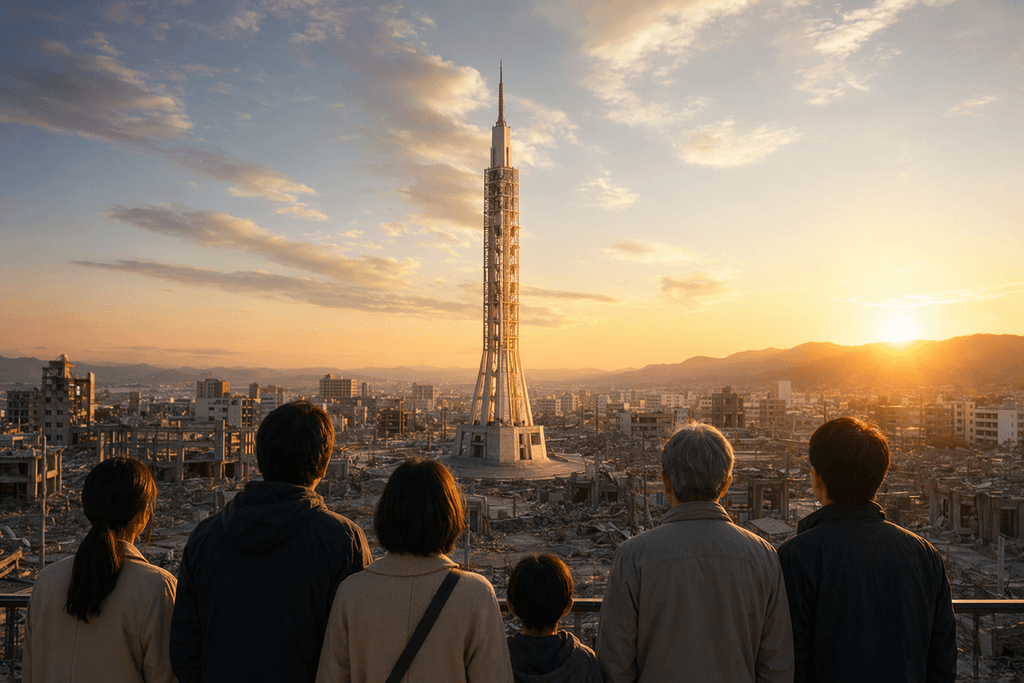
ချိုးဖြူကို ငြိမ်းချမ်းရေး၏အမှတ်လက္ခဏာအဖြစ် ကျယ်ကျယ်ပြန့်ပြန့် အသိအမှတ်ပြုကြသော်လည်း ၎င်း၏အနက်ဖွင့်ဆိုချက်သည် ယဉ်ကျေးမှုနောက်ခံပေါ်မူတည်၍ သိမ်မွေ့စွာ ကွဲပြားခြားနားသည်။
( Base form )
( romanization )
( kyūjitai )
( hiragana )
彼方
ဟိုဘက် / ဟိုပုဂ္ဂိုလ်
彼方
ဟိုဘက် / ဟိုပုဂ္ဂိုလ်
Explanation
彼方
ဟိုဘက် / ဟိုပုဂ္ဂိုလ်
彼方
အဲဒီဘက် / အဲဒီနေရာ / အဲဒီတစ်ယောက်/အဲဒီတစ်ခု (ယဉ်ပြေ)

( Base form )
( romanization )
( hiragana )
過ち
အမှား
過ち
အမှား
Explanation
過ち
အမှား
過ち
အမှား / ပြစ်မှု / မတော်မတရားလုပ်ရပ် (အထူးသဖြင့် လိင်ပိုင်းဆိုင်ရာ ဖောက်ပြန်မှု)

( Base form )
( romanization )
立方
တတိယထပ်ကိန်း
立方
တတိယထပ်ကိန်း
Explanation
立方
တတိယထပ်ကိန်း
立方
ကိန်းဂဏန်း၏ သုံးမြှောက် / သုံးမြှောက်တန်ဖိုး

( Base form )
( romanization )
( hiragana )
私有
ပုဂ္ဂလိကပိုင်ဆိုင်မှု
私有
ပုဂ္ဂလိကပိုင်ဆိုင်မှု
Explanation
私有
ပုဂ္ဂလိကပိုင်ဆိုင်မှု
私有
ပုဂ္ဂိုလ်ပိုင်ဆိုင်မှု / ကိုယ်ပိုင်ပိုင်ဆိုင်ချက် / ပုဂ္ဂလိကပိုင်
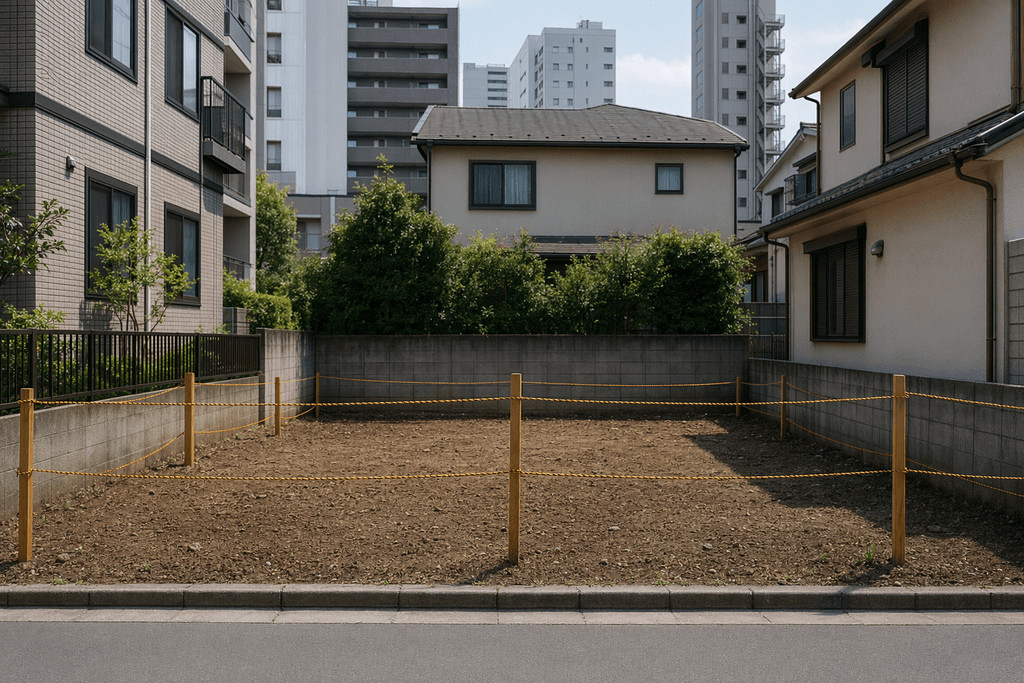
မြို့ပြဒေသများတွင် မြေယာကို ပုဂ္ဂလိကပိုင်ဆိုင်မှုအဖြစ် ပြောင်းလဲသွားခြင်း တိုးတက်လာနေသော်လည်း၊ အများပြည်သူသုံးနေရာကို သေချာစွာ 확보ရန်မှာ ပိုပို၍ ခက်ခဲလာနေသည်။
問う
မေးမြန်းသည် / တာဝန်ယူခိုင်းသည်
問う
မေးမြန်းသည် / တာဝန်ယူခိုင်းသည်
Explanation
問う
မေးမြန်းသည် / တာဝန်ယူခိုင်းသည်
問う
မေးမြန်းသည် / အပြစ်စွဲဆိုသည် / ဂရုစိုက်သည်

Word Forms
The basic and commonly used forms of this verb.
Basic forms
| Form | Word form | Usage |
|---|---|---|
| Imperfective form (mizenkei) | Connects to endings such as nai, reru, and seru. | |
| Continuative form (renyokei) | Connects to endings such as masu, tai, and ta. | |
| Conclusive form (shushikei) | Ends a sentence and serves as the dictionary form. | |
| Attributive form (rentaikei) | Modifies a noun. | |
| Conditional form (kateikei) | Combines with ba to express a condition. | |
| Imperative form (meireikei) | Expresses a command or instruction. |
Common forms
| Form | Word form | Usage |
|---|---|---|
| Te-form |
Alternative:
問って
|
Connects clauses with te. |
| Ta-form |
Alternative:
問った
|
Expresses the past with ta. |
| Nai-form | Expresses negation with nai. | |
| Masu-form | Used for polite speech. | |
| Ba-form | Expresses a condition with ba. | |
| Volitional form | Expresses intention or invitation. |
Notes
愛憎
အချစ်အမုန်း
愛憎
အချစ်အမုန်း
Explanation
愛憎
အချစ်အမုန်း
愛憎
အချစ်နှင့်အမုန်း / ချစ်မုန်းရောနှောခံစားချက် / ချစ်၍မုန်းသောစိတ်
သူမရဲ့အောင်မြင်မှုကို ဂုဏ်ပြုချင်တဲ့စိတ်နဲ့ မနာလိုတဲ့စိတ်တို့ တစ်ဖက်တစ်ဖက် တိုက်ဆိုင်နေပြီး၊ ရင်ထဲမှာတော့ အချစ်နဲ့ မုန်းခြင်းရောထွေးလို့ ရှုပ်ထွေးနေခဲ့တယ်။

( Base form )
( romanization )
( hiragana )
Loading...

JLPT N1 多言語単語帳・3032語 / JLPT N1 Multilingual Vocabulary: 3032 Words

Jonathan Waller 氏の JLPT Resources の語彙リスト・レベル分類を出典とし、CC BY の条件に従って DiQt が学習者向けに意味を作り直した3032語の単語帳です。JLPT公式の語彙リストではありません。
This collection of 3032 words is based on the vocabulary list and level classifications in Jonathan Waller’s JLPT Resources under CC BY, with meanings rewritten by DiQt for learners. It is not an official JLPT vocabulary list.
Key Operations
Select the first quiz:
Ctrl + Enter
View Explanation:Ctrl + G
Close a feedback:Esc
When selecting a quiz
Answer:Enter
Select a choice:↓ or ↑
Reading out the question:Ctrl + K
View Hint: Ctrl + M
I don't know: Ctrl + Y



