
JLPT N1 ဝေါဟာရအဓိပ္ပာယ် လေ့ကျင့်ခန်း - Unsolved

JLPT N1 စကားလုံး 3032 လုံး၏ မြန်မာအဓိပ္ပာယ်ကို အဖြေရွေးချယ်စရာ လေးခုပါသော မေးခွန်းများဖြင့် လေ့လာပါ။
-
အထွေထွေရုံးလုပ်ငန်း
-
ကန့်ကွက်ချက်
-
ထောင့် / သီးသန့်ကဏ္ဍ
-
ဖြစ်ကတတ်ဆန်းလုပ်သော
-
ပင်ကိုပါသော / သီးသန့်ထူးခြားသော
-
တရားဝင်မှန်ကန်သော / ခိုင်လုံသော
-
အမွေဆက်ခံသည် / လွှဲယူသည်
-
သွားသည်
-
ရှေ့သို့ထုတ်ပေးသည် / တင်သွင်းသည်
- 「有する」は改まった文体で用いられるサ変動詞。否定は「有しない」が標準的で、「有さない」「有せぬ」も用いられることがある。
-
စာအုပ်ဝေဖန်ချက်
-
ရှုမြင်ပုံ
-
တစ်ပြေးညီကျင့်သုံးမှု
-
ခံစားချက်တူညီမှု
-
တိုက်ဆိုင်စစ်ဆေးမှု
-
လေပြင်းမုန်တိုင်း
-
ဗုဒ္ဓဘာသာဘုန်းကြီး
-
ဖိအားပေးမေးမြန်းခြင်း
-
လူမှုဖူလုံရေး
-
အကြွေးတောင်းသည် / ရာထူးတိုးပေးသည်
-
အုံဖွဲ့စုဝေးသည်
-
မီးကင်သည်
-
လူဦးရေလျော့ပါးမှု
-
အပင်တံ
-
စုဝေးမှု / စုဝေးရာနေရာ
-
ထည့်သွင်းသည် / ခံစားချက်ထည့်သည်
-
ဆက်စပ်ပေးသည်
-
သတင်းတင်ပြသည်
-
လက္ခဏာ / နိမိတ်
-
ခွင့်ပြုသဘောတူမှု
-
ပုလဲ
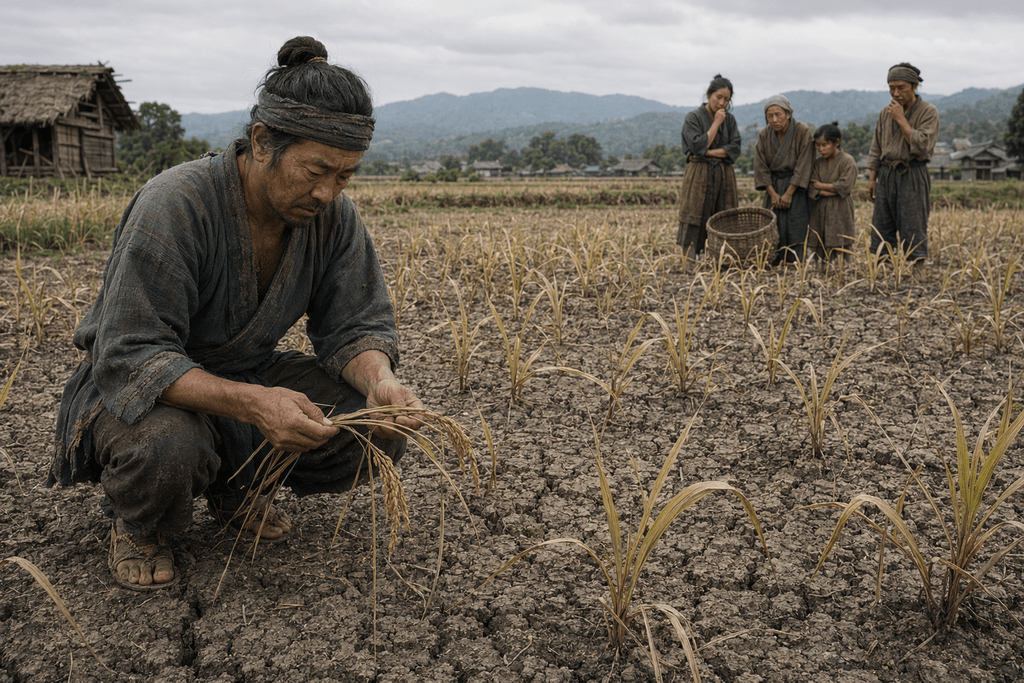
凶作
သီးနှံအထွက်နည်းမှု
凶作
သီးနှံအထွက်နည်းမှု
Explanation
凶作
သီးနှံအထွက်နည်းမှု
凶作
သီးနှံအထွက်ဆိုးရွားမှု / အထွက်လျော့သော ကောက်ရိတ်ရာသီ
နှစ်စဉ် ဆက်တိုက် မကောင်းသော သီးနှံထွက်နှုန်းများကြောင့် ရွာက သိမ်းဆည်းထားသည့် စားနပ်ရိက္ခာကို အကုန်စားသုံးကုန်ပြီး လူငယ်အများစုက အလုပ်ရှာဖွေရန် နယ်ရပ်ပြင်ပသို့ ထွက်သွားရခြင်း မလွဲမသွေ ဖြစ်ခဲ့သည်။
( Base form )
( romanization )
( hiragana )
良好
ကောင်းမွန်သော
良好
ကောင်းမွန်သော
Explanation
良好
ကောင်းမွန်သော
良好
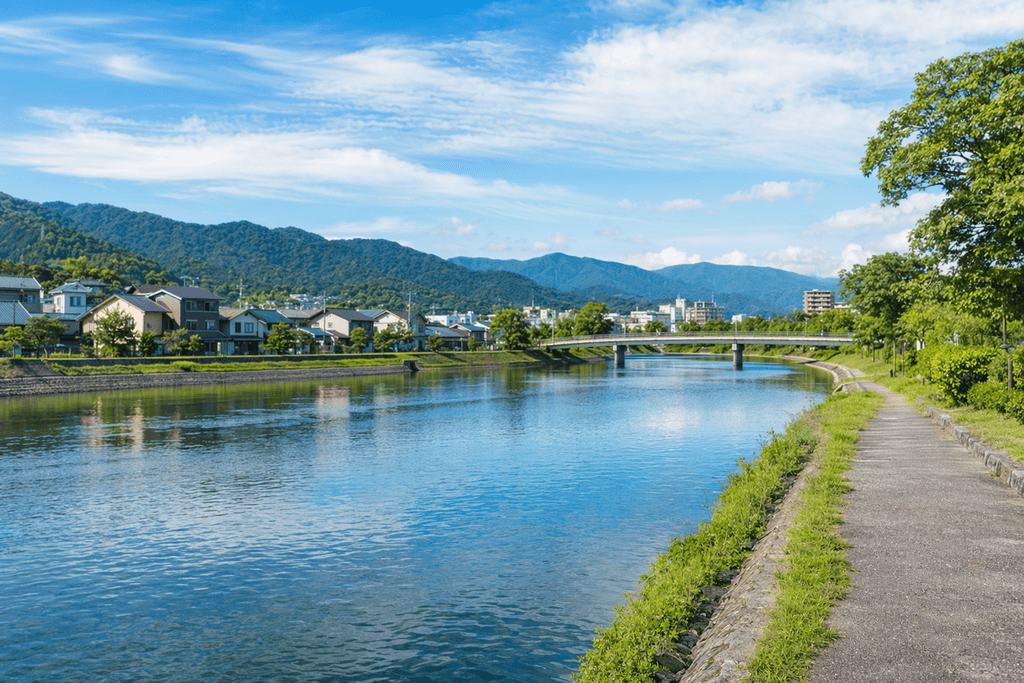
ကောင်းမွန် / လုံလောက်၍ ကျေနပ်ဖွယ် / အထူးကောင်း
Word Forms
The basic and commonly used forms of this adjectival noun.
Basic forms
| Form | Word form | Usage |
|---|---|---|
| Imperfective form (mizenkei) | Used in forms such as darou. | |
| Continuative form (renyokei) |
Alternative:
良好に
|
Used with de or ni. |
| Conclusive form (shushikei) | Ends a sentence with da. | |
| Attributive form (rentaikei) |
Alternative:
良好である
|
Modifies a noun with na. |
| Conditional form (kateikei) |
Alternative:
良好であれば
|
Expresses a condition with nara. |
| Imperative form (meireikei) | Used in formal expressions such as de are. |
Common forms
有する
ပိုင်ဆိုင်သည်
有する
ပိုင်ဆိုင်သည်
Explanation
有する
ပိုင်ဆိုင်သည်
有する
ရှိသည် / ပိုင်ဆိုင်သည် / ကိုင်ဆောင်သည်

Word Forms
The basic and commonly used forms of this verb.
Basic forms
| Form | Word form | Usage |
|---|---|---|
| Imperfective form (mizenkei) |
Alternative:
有さ
有せ
|
Connects to endings such as nai, reru, and seru. |
| Continuative form (renyokei) | Connects to endings such as masu, tai, and ta. | |
| Conclusive form (shushikei) | Ends a sentence and serves as the dictionary form. | |
| Attributive form (rentaikei) | Modifies a noun. | |
| Conditional form (kateikei) | Combines with ba to express a condition. | |
| Imperative form (meireikei) |
Alternative:
有しろ
|
Expresses a command or instruction. |
Common forms
| Form | Word form | Usage |
|---|---|---|
| Te-form | Connects clauses with te. | |
| Ta-form | Expresses the past with ta. | |
| Nai-form |
Alternative:
有さない
有せぬ
|
Expresses negation with nai. |
| Masu-form | Used for polite speech. | |
| Ba-form | Expresses a condition with ba. | |
| Volitional form | Expresses intention or invitation. |
Notes
放置
ပစ်ထားခြင်း
放置
ပစ်ထားခြင်း
Explanation
放置
ပစ်ထားခြင်း
放置
လျစ်လျူရှု၍ချန်ထားခြင်း / စွန့်ပစ်ထားခြင်း
နှစ်ပေါင်းများစွာ အိုမင်းနေသော တံတားကို မပြုပြင်ခဲ့သည့်ရလဒ်အနေနှင့် ဒေသခံအစိုးရသည် ပြန်ပြောင်း၍မရနိုင်သော မတော်တဆမှုတစ်ခု ဖြစ်ပေါ်စေသည့်အတွက် ပြင်းပြင်းထန်ထန် ပြစ်တင်ရှုတ်ချခံခဲ့ရသည်။

( Base form )
( romanization )
( hiragana )
手掛かり
သဲလွန်စ
手掛かり
သဲလွန်စ
Explanation
手掛かり
သဲလွန်စ
手掛かり
သဲလွန်စ / အရိပ်အမြွက် / ဆက်သွယ်ရာ လမ်းစ

( romanization )
( hiragana historical )
比例
တိုက်ရိုက်အချိုးကျမှု
比例
တိုက်ရိုက်အချိုးကျမှု
Explanation
比例
တိုက်ရိုက်အချိုးကျမှု
比例
အချိုးညီမှု / အချိုးအညီ ဖြစ်ခြင်း
ရောင်းအားသည် ကြော်ငြာစရိတ်နှင့် မဖြစ်မနေ အချိုးကျနေမည်မဟုတ်ဘဲ၊ အမှတ်တံဆိပ်အပေါ် ယုံကြည်မှုနှင့် ဈေးကွက်၏ ရင့်ကျက်မှုအဆင့်တို့အပေါ်လည်း မူတည်သည်။

( Base form )
( romanization )
( hiragana )
こだわる
အသေးစိတ်အလေးထားသည်
こだわる
အသေးစိတ်အလေးထားသည်
Explanation
အသေးစိတ်အလေးထားသည်
こだわる
အရာတစ်ခုကို အရေးထား၍ လျှော့ချမတတ် / တစ်ခုခုအပေါ် စွဲလမ်းနေသည် / အသေးစိတ်ကို အလွန်စိစစ်၍ ရွေးစိသည်
သူသည် အကျိုးအမြတ်ထက် မိမိ၏ယုံကြည်ချက်ကို ပိုမိုအလေးထားကာ ပတ်ဝန်းကျင်မှ ကန့်ကွက်မှုများကို ကျော်လွှားပြီး ပြုပြင်ပြောင်းလဲရေးကို ပြတ်ပြတ်သားသား အကောင်အထည်ဖော်ခဲ့သည်။

Word Forms
The basic and commonly used forms of this verb.
Basic forms
| Form | Word form | Usage |
|---|---|---|
| Imperfective form (mizenkei) |
Alternative:
拘ら
こだわろ
拘ろ
|
Connects to endings such as nai, reru, and seru. |
| Continuative form (renyokei) |
Alternative:
拘り
|
Connects to endings such as masu, tai, and ta. |
| Conclusive form (shushikei) |
Alternative:
拘る
|
Ends a sentence and serves as the dictionary form. |
| Attributive form (rentaikei) |
Alternative:
拘る
|
Modifies a noun. |
| Conditional form (kateikei) |
Alternative:
拘れ
|
Combines with ba to express a condition. |
| Imperative form (meireikei) |
Alternative:
拘れ
|
Expresses a command or instruction. |
Common forms
| Form | Word form | Usage |
|---|---|---|
| Te-form |
Alternative:
拘って
|
Connects clauses with te. |
| Ta-form |
Alternative:
拘った
|
Expresses the past with ta. |
| Nai-form |
Alternative:
拘らない
|
Expresses negation with nai. |
| Masu-form |
Alternative:
拘ります
|
Used for polite speech. |
| Ba-form |
Alternative:
拘れば
|
Expresses a condition with ba. |
| Volitional form |
Alternative:
拘ろう
|
Expresses intention or invitation. |
区間
လမ်းပိုင်း
区間
လမ်းပိုင်း
Explanation
区間
လမ်းပိုင်း
区間
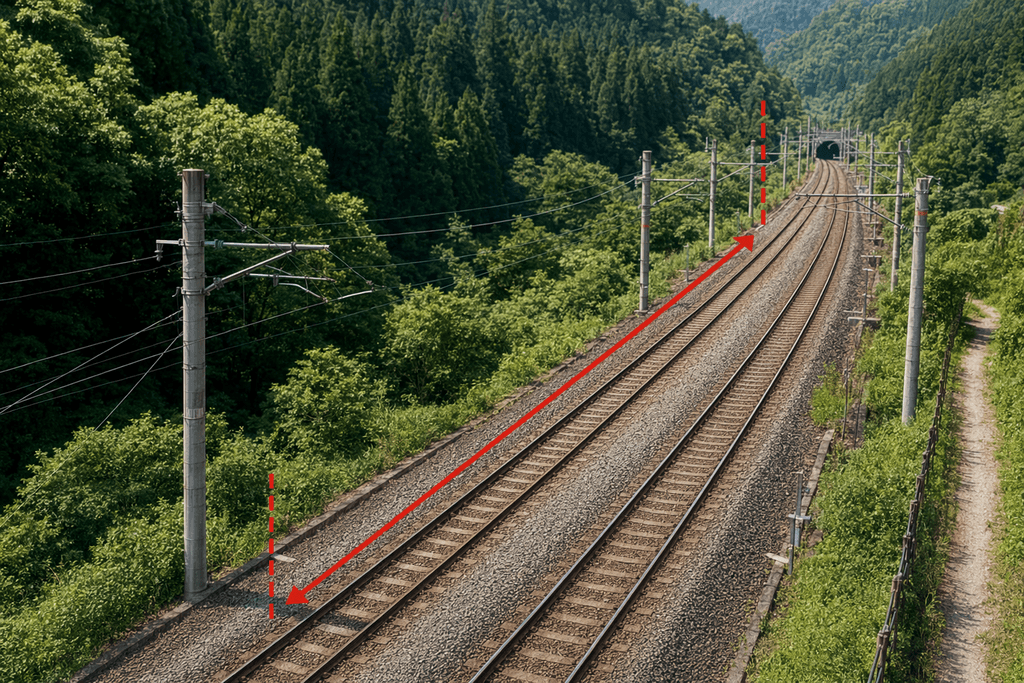
လမ်းကြောင်းအပိုင်း / ရထားလမ်းအပိုင်း / ကိန်းဂဏန်း အကွာအဝေးအပိုင်း
( Base form )
( romanization )
( kyūjitai )
( hiragana )
申し入れる
တရားဝင်တောင်းဆိုသည်
申し入れる
တရားဝင်တောင်းဆိုသည်
Explanation
申し入れる
တရားဝင်တောင်းဆိုသည်
申し入れる
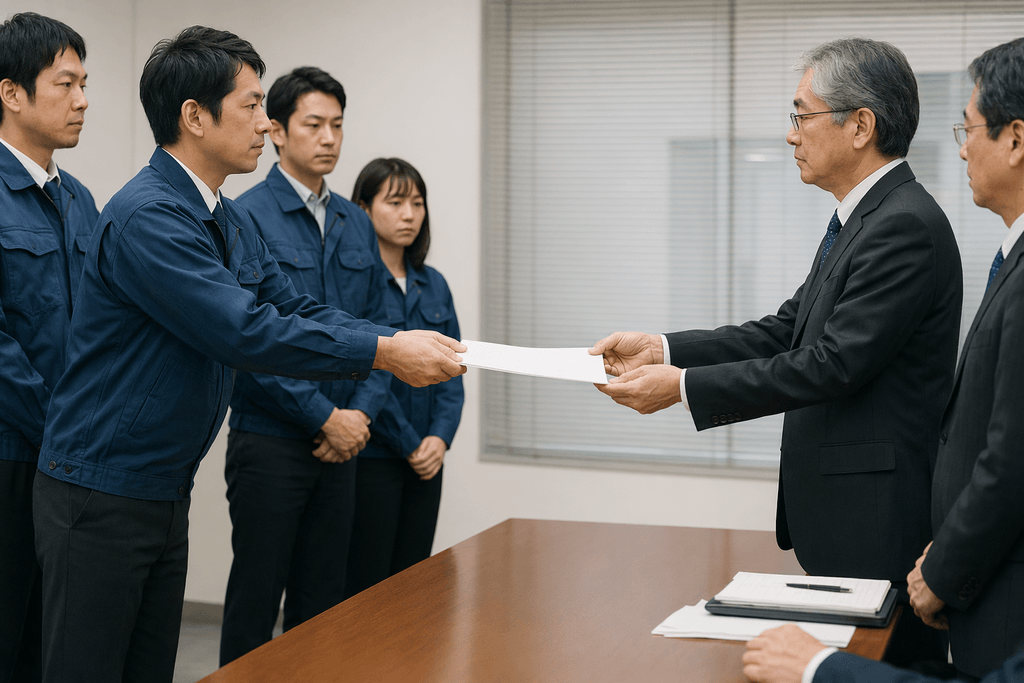
အကြံပြုသည် / ကမ်းလှမ်းသည် / တရားဝင်တင်ပြတောင်းဆိုသည်
အလုပ်သမဂ္ဂက လစာပြန်လည်သုံးသပ်ပေးရန် ကုမ္ပဏီဘက်သို့ တောင်းဆိုရာတွင်ပင်မက၊ ဆွေးနွေးညှိနှိုင်းမှု ပျက်ပြားသွားပါက သပိတ်မှောက်ရေးကိုပါ မလျှော့မရပ် ဆောင်ရွက်မည်ဟု ရပ်တည်ချက်ကို ပြသခဲ့သည်။
Word Forms
The basic and commonly used forms of this verb.
Basic forms
| Form | Word form | Usage |
|---|---|---|
| Imperfective form (mizenkei) | Connects to endings such as nai, reru, and seru. | |
| Continuative form (renyokei) | Connects to endings such as masu, tai, and ta. | |
| Conclusive form (shushikei) | Ends a sentence and serves as the dictionary form. | |
| Attributive form (rentaikei) | Modifies a noun. | |
| Conditional form (kateikei) | Combines with ba to express a condition. | |
| Imperative form (meireikei) |
Alternative:
申し入れよ
|
Expresses a command or instruction. |
Common forms
遭難
ဘေးဒုက္ခကြုံမှု / သင်္ဘောပျက်မှု
遭難
ဘေးဒုက္ခကြုံမှု / သင်္ဘောပျက်မှု
Explanation
遭難
ဘေးဒုက္ခကြုံမှု / သင်္ဘောပျက်မှု
遭難
သင်္ဘောပျက်စီးမှု / ဘေးအန္တရာယ်ကျရောက်ခြင်း / နေရာမလျော်ရာတွင် ပိတ်မိခြင်း
အဖေသည် သူလိုက်ပါစီးနင်းခဲ့သော ကုန်တင်သင်္ဘော ပျက်စီးဒုက္ခရောက်မှုမှ အံ့ဖွယ်သဖြင့် အသက်ရှင်လွတ်မြောက်လာပြီးနောက်ပိုင်းတွင်ပင် ပင်လယ်အပေါ်ရှိ ကြောက်ရွံ့ရိုသေမှုကို ဘယ်သောအခါမျှ မဆုံးရှုံးခဲ့ပါ။

( Base form )
( romanization )
( hiragana )
Loading...

JLPT N1 多言語単語帳・3032語 / JLPT N1 Multilingual Vocabulary: 3032 Words

Jonathan Waller 氏の JLPT Resources の語彙リスト・レベル分類を出典とし、CC BY の条件に従って DiQt が学習者向けに意味を作り直した3032語の単語帳です。JLPT公式の語彙リストではありません。
This collection of 3032 words is based on the vocabulary list and level classifications in Jonathan Waller’s JLPT Resources under CC BY, with meanings rewritten by DiQt for learners. It is not an official JLPT vocabulary list.
Key Operations
Select the first quiz:
Ctrl + Enter
View Explanation:Ctrl + G
Close a feedback:Esc
When selecting a quiz
Answer:Enter
Select a choice:↓ or ↑
Reading out the question:Ctrl + K
View Hint: Ctrl + M
I don't know: Ctrl + Y



