
JLPT N1 ဝေါဟာရအဓိပ္ပာယ် လေ့ကျင့်ခန်း - Unsolved

JLPT N1 စကားလုံး 3032 လုံး၏ မြန်မာအဓိပ္ပာယ်ကို အဖြေရွေးချယ်စရာ လေးခုပါသော မေးခွန်းများဖြင့် လေ့လာပါ။
-
အဆိုပြုချက်လက်ခံမှု
-
ခေတ်တစ်ခု၏ပထမနှစ်
-
စံနမူနာ
-
လိမ်လည်မှု
-
အခြေခံအရင်းအမြစ်
-
စီးနင်းတိုက်ခိုက်မှု
-
ကုန်သိုလှောင်ရုံ
-
တရားဝင်ကြေညာတင်ပြမှု / အခွန်စာရင်းတင်သွင်းမှု
-
တောင်ထိပ်
-
ညှိုးနွမ်းသည် / လေလျော့သည်
-
အဖုအပိမ့်ထွက်သည် / လွှမ်းမိုးခံရသည်
-
ရစ်ပတ်သည် / ဆက်နွယ်ပါဝင်သည်
-
သက်သေ
-
ထမင်းဟင်းအစုံ
-
ထိန်းချုပ်မှု
-
တစ်ဖက်သတ်အချစ်
-
ကူးပြောင်းမှု
-
လျှို့ဝှက်ဝင်ရောက်မှု
-
တာဝန်ကိုထမ်းဆောင်နိုင်သည်
-
ထည့်တပ်သည် / ဝတ်ဆင်သည်
-
စတင်ရောင်းသည် / နာမည်တက်အောင်လုပ်သည်
- 古語の謙譲語。「奉る」とも書く。
- 古典文法ではラ行四段活用。派生形 te/ta/nai/masu/ba/ishi には現代語相当の形を主に示した。
-
ရောထွေးမှားယွင်းမှု
-
ရထားလက်ကိုင်ကွင်း
-
အရေးပေါ်အခြေအနေ
-
ခန်းခြောက်သည်
-
ချုပ်တည်းသည် / မှတ်သားသည်
-
ထပ်ဖြည့်သည်
-
မိသားစုတည်းခိုခန်း
-
အမည်အပြည့်အစုံ
-
သံထုတ်လုပ်ခြင်း
類似
ဆင်တူမှု
類似
ဆင်တူမှု
Explanation
類似
ဆင်တူမှု
類似
ဆင်တူခြင်း / အလားတူခြင်း / တူညီမှု

( Base form )
( romanization )
( hiragana )
従業員
အလုပ်သမားဝန်ထမ်း
従業員
အလုပ်သမားဝန်ထမ်း
Explanation
従業員
အလုပ်သမားဝန်ထမ်း
従業員
ဝန်ထမ်း / အလုပ်သမား

( Base form )
( romanization )
( hiragana )
所持
လက်ဝယ်ရှိမှု
所持
လက်ဝယ်ရှိမှု
Explanation
所持
လက်ဝယ်ရှိမှု
所持
ပိုင်ဆိုင်ခြင်း / ကိုယ်တွင် ကိုင်ဆောင်ခြင်း / သယ်ဆောင်ထားမှု

( Base form )
( romanization )
( hiragana )
かさばる
နေရာကျယ်ကျယ်ယူသည်
かさばる
နေရာကျယ်ကျယ်ယူသည်
Explanation
နေရာကျယ်ကျယ်ယူသည်
かさばる
(ပစ္စည်း) နေရာအများယူ၍ ထူထပ်ကြီးမားလာသည် / (ကိုင်တွယ်/သယ်ယူ) အရွယ်ကြီးလို့ မလွယ်ကူဖြစ်သည် / (ပမာဏ) ပို၍ ထူထပ်/အစုကြီးလာသည်
နိုင်ငံခြားစီးပွားရေးခရီးရှည် သွားသည့်အခါ အလွန်လျှို့ဝှက်ထားသောပစ္စည်းများကို ဒစ်ဂျစ်တယ်ပုံစံပြုသင့်ပြီး စာရွက်စာတမ်းကြီးများကို အနည်းဆုံးသယ်ဆောင်သင့်သည်။

Word Forms
The basic and commonly used forms of this verb.
Basic forms
| Form | Word form | Usage |
|---|---|---|
| Imperfective form (mizenkei) |
Alternative:
かさばろ
|
Connects to endings such as nai, reru, and seru. |
| Continuative form (renyokei) |
Alternative:
かさばっ
|
Connects to endings such as masu, tai, and ta. |
| Conclusive form (shushikei) | Ends a sentence and serves as the dictionary form. | |
| Attributive form (rentaikei) | Modifies a noun. | |
| Conditional form (kateikei) | Combines with ba to express a condition. | |
| Imperative form (meireikei) | Expresses a command or instruction. |
Common forms
動向
ဦးတည်လမ်းကြောင်း
動向
ဦးတည်လမ်းကြောင်း
Explanation
動向
ဦးတည်လမ်းကြောင်း
動向
အခြေအနေများ၏ အလားအလာ / တိုးတက်ပြောင်းရွှေ့သည့် လမ်းကြောင်း
အစိုးရသည် ဈေးကွက်၏ အခြေအနေအပြောင်းအလဲများကို အနီးကပ်စောင့်ကြည့်လျက် စီးပွားရေးကို ထောက်ပံ့ပေးရန်အတွက် ထပ်မံဆောင်ရွက်မည့် အစီအမံများကို စဉ်းစားသုံးသပ်နေသည်။

( Base form )
( romanization )
( hiragana )
農場
လယ်ယာခြံ
農場
လယ်ယာခြံ
Explanation
農場
လယ်ယာခြံ
農場
လယ်ယာမြေ / ယာမြေ / စိုက်ပျိုး သို့မဟုတ် မွေးမြူရေးလုပ်ငန်း ပြုလုပ်ရာနေရာ
နောက်ဆက်ခံသူမလုံလောက်မှုက ပိုမိုပြင်းထန်လာနေသောအခြေအနေအတွင်း၊ ဤလယ်ယာသည် ဒေတာအခြေပြု စိုက်ပျိုးထိန်းချုပ်မှုကို အကောင်အထည်ဖော်ပြီး ထုတ်လုပ်မှုစွမ်းရည် မြှင့်တင်ခြင်းနှင့် ပတ်ဝန်းကျင်ပေါ် သက်ရောက်မှုလျှော့ချခြင်းကို တစ်ပြိုင်နက်တည်း အောင်မြင်စေခဲ့သည်။

( Base form )
( romanization )
( hiragana )
たてまつる
ရိုသေစွာဆက်သသည်
たてまつる
ရိုသေစွာဆက်သသည်
Explanation
ရိုသေစွာဆက်သသည်
たてまつる
(ရိုသေခင်ဗျားစကား) ပေးအပ်သည်၊ ဆက်ကပ်သည် / (နိမ့်ချစကား) လက်ဆောင်ပေးသည်
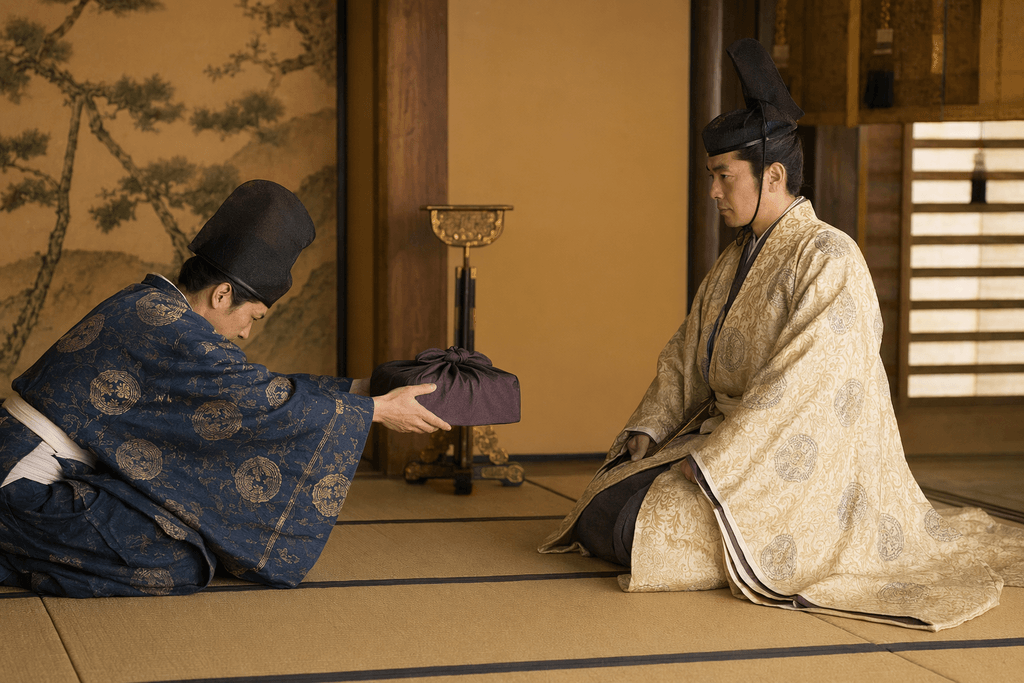
Word Forms
The basic and commonly used forms of this verb.
Basic forms
| Form | Word form | Usage |
|---|---|---|
| Imperfective form (mizenkei) | Connects to endings such as nai, reru, and seru. | |
| Continuative form (renyokei) | Connects to endings such as masu, tai, and ta. | |
| Conclusive form (shushikei) | Ends a sentence and serves as the dictionary form. | |
| Attributive form (rentaikei) | Modifies a noun. | |
| Conditional form (kateikei) | Combines with ba to express a condition. | |
| Imperative form (meireikei) | Expresses a command or instruction. |
Common forms
| Form | Word form | Usage |
|---|---|---|
| Te-form |
Alternative:
たてまつりて
|
Connects clauses with te. |
| Ta-form |
Alternative:
たてまつりた
|
Expresses the past with ta. |
| Nai-form | Expresses negation with nai. | |
| Masu-form | Used for polite speech. | |
| Ba-form | Expresses a condition with ba. | |
| Volitional form | Expresses intention or invitation. |
Notes
粘り
စေးကပ်မှု / ဇွဲလုံ့လ
粘り
စေးကပ်မှု / ဇွဲလုံ့လ
Explanation
粘り
စေးကပ်မှု / ဇွဲလုံ့လ
粘り
ဇွဲလုံ့လပြုမှု၊ မရပ်မနားကြိုးစားမှု / ခံနိုင်ရည်၊ တည်တံ့ကြာရှည်နိုင်မှု / ကပ်ကပ်ညှပ်ညှပ်ဖြစ်မှု၊ တင်းတိမ်ကပ်ခြင်း
ညှိနှိုင်းမှုက ခက်ခဲပြီး မတိုးမရတောတည်နေခဲ့ပေမယ့် သူ့ရဲ့ အပြတ်မလျော့တဲ့ ဇွဲကြောင့် အခြေအနေကို ချိုးဖောက်ကာ နောက်ဆုံးမှာ နှစ်ဘက်စလုံး လက်ခံနိုင်တဲ့ သဘောတူညီချက်တစ်ရပ်ကို ရရှိအောင် ဆောင်ရွက်နိုင်ခဲ့တယ်။

追い込む
ချောင်ပိတ်သည်
追い込む
ချောင်ပိတ်သည်
Explanation
追い込む
ချောင်ပိတ်သည်
追い込む
ထောင့်ချသည် / ဖိနှိပ်၍ လုပ်ရန်တွန်းတင်သည် / တိုက်နှင်၍ အခြေအနေတစ်ခုထဲသို့ ဝင်စေသည်
ပို့ဆောင်ရမည့် သတ်မှတ်ရက်နီးကပ်လာချိန်မှာ မဖြစ်နိုင်လောက်တဲ့ သတ်မှတ်ချက်ပြောင်းလဲမှုတွေတောင် ထပ်တိုးလာပြီး၊ ဒီပရောဂျက်က ဖွံ့ဖြိုးရေးအဖွဲ့ကို စိတ်ပိုင်းဆိုင်ရာအရ ဖိအားကြီးစေတဲ့ အခြေအနေဖြစ်သွားခဲ့တယ်။

Word Forms
The basic and commonly used forms of this verb.
Basic forms
| Form | Word form | Usage |
|---|---|---|
| Imperfective form (mizenkei) |
Alternative:
追い込も
|
Connects to endings such as nai, reru, and seru. |
| Continuative form (renyokei) | Connects to endings such as masu, tai, and ta. | |
| Conclusive form (shushikei) | Ends a sentence and serves as the dictionary form. | |
| Attributive form (rentaikei) | Modifies a noun. | |
| Conditional form (kateikei) | Combines with ba to express a condition. | |
| Imperative form (meireikei) | Expresses a command or instruction. |
Common forms
腕前
ကျွမ်းကျင်မှု
腕前
ကျွမ်းကျင်မှု
Explanation
腕前
ကျွမ်းကျင်မှု
腕前
ကျွမ်းကျင်မှု / တတ်မြောက်မှု / စွမ်းရည်
သူ့ရဲ့ ချက်ပြုတ်သူအဖြစ် လက်ရာကတော့ အစားအစာပစ္စည်းတစ်ခုချင်းစီရဲ့ အရသာကောင်းမွန်မှုကို အတတ်နိုင်ဆုံး ထုတ်ဖော်နိုင်တဲ့ နူးညံ့သိမ်မွေ့မှုနဲ့ အထောက်အထားပြုထားတာ ဖြစ်ပါတယ်။

( romanization )
( romanization )
( hiragana historical )
Loading...

JLPT N1 多言語単語帳・3032語 / JLPT N1 Multilingual Vocabulary: 3032 Words

Jonathan Waller 氏の JLPT Resources の語彙リスト・レベル分類を出典とし、CC BY の条件に従って DiQt が学習者向けに意味を作り直した3032語の単語帳です。JLPT公式の語彙リストではありません。
This collection of 3032 words is based on the vocabulary list and level classifications in Jonathan Waller’s JLPT Resources under CC BY, with meanings rewritten by DiQt for learners. It is not an official JLPT vocabulary list.
Key Operations
Select the first quiz:
Ctrl + Enter
View Explanation:Ctrl + G
Close a feedback:Esc
When selecting a quiz
Answer:Enter
Select a choice:↓ or ↑
Reading out the question:Ctrl + K
View Hint: Ctrl + M
I don't know: Ctrl + Y



