
JLPT N1 ဝေါဟာရအဓိပ္ပာယ် လေ့ကျင့်ခန်း - Unsolved

JLPT N1 စကားလုံး 3032 လုံး၏ မြန်မာအဓိပ္ပာယ်ကို အဖြေရွေးချယ်စရာ လေးခုပါသော မေးခွန်းများဖြင့် လေ့လာပါ။
-
ရိုသေအားနာသည် / ကျေးဇူးတင်သည်
-
မနာလိုဖြစ်သည်
-
သရုပ်ဆောင်သည်
-
ယားကျိကျိဖြစ်သော
-
ကြာရှည်သော
-
စိတ်ဝင်စားစရာကောင်းသော / ပျော်စရာကောင်းသော
- 「貴い」は「たっとい」のほか「とうとい」とも読まれる。
-
လှပသော / သန့်ရှင်းသော
-
ကြီးကျယ်ခမ်းနားသော
-
ချောမွေ့သော
-
လျှော့ချသည် / ပြန်ရုပ်သိမ်းသည်
-
ကိုက်စားသည် / အနည်းငယ်သိသည်
-
စမ်းကြည့်သည်
-
ခေတ်တစ်ခု၏ပထမနှစ်
-
အရေးပေါ်အခြေအနေ
-
လက်ဖက်ရည်ပွဲအခမ်းအနား
-
အလွန်ကြီးမားသော
-
ထပ်တလဲလဲဖြစ်သော / အရသာအီလွန်းသော
-
ရှုပ်ထွေးသော
-
အပြည့်အစုံ
-
လုပ်ခါနီး / တိတိကျကျ
-
အလွန်ချောင်လျက်
-
အဆက်ပြတ်သည်
-
ချစ်ကြိုက်သည်
-
ခေတ်မစားတော့သည်
-
ရုပ်သံအနုပညာရှင်
-
ပိုင်းခြားနားချက်
-
အပြတ်အတောက် / ဖြတ်ရာ
-
အသက်ရှင်ကျန်းမာသော
-
အညိုရင့်ရောင်
-
အကျုံးမဝင်သော
差し出す
ရှေ့သို့ထုတ်ပေးသည် / တင်သွင်းသည်
差し出す
ရှေ့သို့ထုတ်ပေးသည် / တင်သွင်းသည်
Explanation
差し出す
ရှေ့သို့ထုတ်ပေးသည် / တင်သွင်းသည်
差し出す
တိုးထုတ်ပေး / တင်ပြ / အပ်ပေး
သူ့ကို မသင်္ကာတဲ့ မျက်လုံးတွေနဲ့ ကြည့်ခံရသော်လည်း သက်သေအဖြစ်ဖြစ်တဲ့ စာရွက်စာတမ်းတွေကို မပြောမနေ ငြိမ်ငြိမ်တိတ်တိတ် ထုတ်ပေးပြီး ကိုယ့်မှာ အပြစ်မရှိကြောင်း အခိုင်အမာ ပြောဆိုခဲ့သည်။

Word Forms
The basic and commonly used forms of this verb.
Basic forms
| Form | Word form | Usage |
|---|---|---|
| Imperfective form (mizenkei) | Connects to endings such as nai, reru, and seru. | |
| Continuative form (renyokei) | Connects to endings such as masu, tai, and ta. | |
| Conclusive form (shushikei) | Ends a sentence and serves as the dictionary form. | |
| Attributive form (rentaikei) | Modifies a noun. | |
| Conditional form (kateikei) | Combines with ba to express a condition. | |
| Imperative form (meireikei) | Expresses a command or instruction. |
Common forms
貴い
အဖိုးတန်သော / မြင့်မြတ်သော
貴い
အဖိုးတန်သော / မြင့်မြတ်သော
Explanation
貴い
အဖိုးတန်သော / မြင့်မြတ်သော
貴い
တန်ဖိုးကြီးသော၊ အဖိုးတန်သော / ဂုဏ်သိက္ခာမြင့်သော၊ မြတ်နိုးအထူးဖြစ်သော / အလေးအနက်ရှိသော၊ သန့်ရှင်းမြတ်သော
သူက စစ်မီးတောက်နေတဲ့အတွင်း ကယ်တင်ခံရတဲ့ အသက်ရဲ့အလေးချိန်ကို စဉ်းစားပြီး၊ တန်ဖိုးကြီးတဲ့ နေ့စဉ်ဘဝကို နောက်တစ်ခါမှ အလဟသ မဖြုန်းတီးတော့မယ်လို့ ကတိသစ္စာ ပြုခဲ့သည်။

Word Forms
The basic and commonly used forms of this adjective.
Basic forms
| Form | Word form | Usage |
|---|---|---|
| Imperfective form (mizenkei) | Used in forms such as karou; mainly literary. | |
| Continuative form (renyokei) |
Alternative:
貴かっ
|
Used in forms such as kute and kunai. |
| Conclusive form (shushikei) | Ends a sentence. | |
| Attributive form (rentaikei) | Modifies a noun. | |
| Conditional form (kateikei) | Expresses a condition with kereba. | |
| Imperative form (meireikei) | Rarely used in modern Japanese. |
Common forms
| Form | Word form | Usage |
|---|---|---|
| Te-form | Connects clauses with kute. | |
| Ta-form | Expresses the past with katta. | |
| Nai-form | Expresses negation with kunai. | |
| Ba-form | Expresses a condition with kereba. |
Notes
不当
မတရားသော
不当
မတရားသော
Explanation
不当
မတရားသော
不当
မတရား / မညီမျှ / အကျုံးမဝင်

Word Forms
The basic and commonly used forms of this adjectival noun.
Basic forms
| Form | Word form | Usage |
|---|---|---|
| Imperfective form (mizenkei) | Used in forms such as darou. | |
| Continuative form (renyokei) |
Alternative:
不当に
不当だっ
|
Used with de or ni. |
| Conclusive form (shushikei) | Ends a sentence with da. | |
| Attributive form (rentaikei) |
Alternative:
不当である
|
Modifies a noun with na. |
| Conditional form (kateikei) |
Alternative:
不当であれば
|
Expresses a condition with nara. |
| Imperative form (meireikei) | Used in formal expressions such as de are. |
Common forms
揺さぶる
ပြင်းပြင်းလှုပ်သည်
揺さぶる
ပြင်းပြင်းလှုပ်သည်
Explanation
揺さぶる
ပြင်းပြင်းလှုပ်သည်
揺さぶる
(တစ်ခုခုကို) လှုပ်ခါ/လှုပ်ရှားအောင်လုပ်သည် / (စိတ်ခံစားမှု၊ လူမှုရေး) လှုပ်ရှားမှုဖြစ်စေ၍ ရုတ်ရမ်းစေသည် / (အခြေအနေတစ်ခုကို) ထိခိုက်စေ၍ အနှောင့်အယှက်ဖြစ်စေသည်
သက်သေအထောက်အထားများကို ဖုံးကွယ်ရန် ကြိုးစားရင်း၊ သူသည် သံသယရှိသူ၏ ပြစ်မှုဖြစ်ပွားချိန်တွင် အခြားနေရာ၌ ရှိနေခဲ့ကြောင်း အဆိုကို ယိုင်နဲ့သွားစေမည့် မေးခွန်းများဖြင့် မရမက ဆက်တိုက် မေးမြန်းခဲ့သည်။

Word Forms
The basic and commonly used forms of this verb.
Basic forms
| Form | Word form | Usage |
|---|---|---|
| Imperfective form (mizenkei) |
Alternative:
揺さぶろ
|
Connects to endings such as nai, reru, and seru. |
| Continuative form (renyokei) |
Alternative:
揺さぶっ
|
Connects to endings such as masu, tai, and ta. |
| Conclusive form (shushikei) | Ends a sentence and serves as the dictionary form. | |
| Attributive form (rentaikei) | Modifies a noun. | |
| Conditional form (kateikei) | Combines with ba to express a condition. | |
| Imperative form (meireikei) | Expresses a command or instruction. |
Common forms
病
ရောဂါ
病
ရောဂါ
Explanation
病
ရောဂါ
病
ရောဂါ၊ နာမကျန်းမှု / ဆိုးလေ့၊ အလေ့အကျင့်ဆိုး
ရောဂါကို ခံစားနေရသူဖြစ်တဲ့ သူက ပြန်ဖြစ်လာနိုင်တဲ့ လက္ခဏာတွေကို ကြောက်ရွံ့နေတုန်းပဲ၊ ကုသမှုမူဝါဒကို ပြန်လည်သုံးသပ်ပေးဖို့ သူ့ရဲ့ အဓိကကုသဆရာဝန်ကို တိုက်တွန်းခဲ့သည်။

( romanization )
( romanization )
( hiragana historical )
( hiragana )
しぶとい
ဇွဲကောင်းသော
しぶとい
ဇွဲကောင်းသော
Explanation
ဇွဲကောင်းသော
しぶとい
ခေါင်းမာသော၊ အတင်းအကြပ်တိမ်မကျသော / ဇွဲပြင်းသော၊ မလွယ်ကူဘဲ တည်ကြည်သော / ခံနိုင်ရည်ကောင်းသော၊ တင်းတိန်သော

Word Forms
The basic and commonly used forms of this adjective.
Basic forms
| Form | Word form | Usage |
|---|---|---|
| Imperfective form (mizenkei) | Used in forms such as karou; mainly literary. | |
| Continuative form (renyokei) |
Alternative:
しぶとう
|
Used in forms such as kute and kunai. |
| Conclusive form (shushikei) | Ends a sentence. | |
| Attributive form (rentaikei) | Modifies a noun. | |
| Conditional form (kateikei) | Expresses a condition with kereba. | |
| Imperative form (meireikei) | Rarely used in modern Japanese. |
Common forms
終始
အစမှအဆုံးတိုင်
終始
အစမှအဆုံးတိုင်
Explanation
終始
အစမှအဆုံးတိုင်
終始
အစမှအဆုံးအထိ / တစ်လျှောက်လုံး / တစိုက်မတ်မတ်
ကော်မတီအစည်းအဝေးတွင် သူ၏ရှင်းပြချက်သည် တစ်လျှောက်လုံးတွင် မသဲမကွဲဖြစ်ခဲ့ပြီး ကိစ္စရပ်၏အဓိကအချက်ကို ဖြေရှင်းရန် သူ၏တွန့်ဆုတ်မှုက သံသယများကို ပို၍နက်ရှိုင်းစေခဲ့သည်။

( Base form )
( romanization )
( hiragana )
沈める
နစ်မြုပ်စေသည် / ရေထဲမြှုပ်သည်
沈める
နစ်မြုပ်စေသည် / ရေထဲမြှုပ်သည်
Explanation
沈める
နစ်မြုပ်စေသည် / ရေထဲမြှုပ်သည်
沈める
ရေထဲသို့ နှစ်မြှုပ်စေသည် / ရေအောက်သို့ ငုပ်စေသည်

Word Forms
The basic and commonly used forms of this verb.
Basic forms
| Form | Word form | Usage |
|---|---|---|
| Imperfective form (mizenkei) | Connects to endings such as nai, reru, and seru. | |
| Continuative form (renyokei) | Connects to endings such as masu, tai, and ta. | |
| Conclusive form (shushikei) | Ends a sentence and serves as the dictionary form. | |
| Attributive form (rentaikei) | Modifies a noun. | |
| Conditional form (kateikei) | Combines with ba to express a condition. | |
| Imperative form (meireikei) |
Alternative:
沈めよ
|
Expresses a command or instruction. |
Common forms
良心
ကိုယ်ကျင့်တရားအသိ
良心
ကိုယ်ကျင့်တရားအသိ
Explanation
良心
ကိုယ်ကျင့်တရားအသိ
良心
ကောင်းမကောင်းကို ခွဲခြားသိမြင်သည့် စိတ် / မိမိ၏ အပြုအမူကို စိစစ်သိမြင်စေသော အတွင်းစိတ်
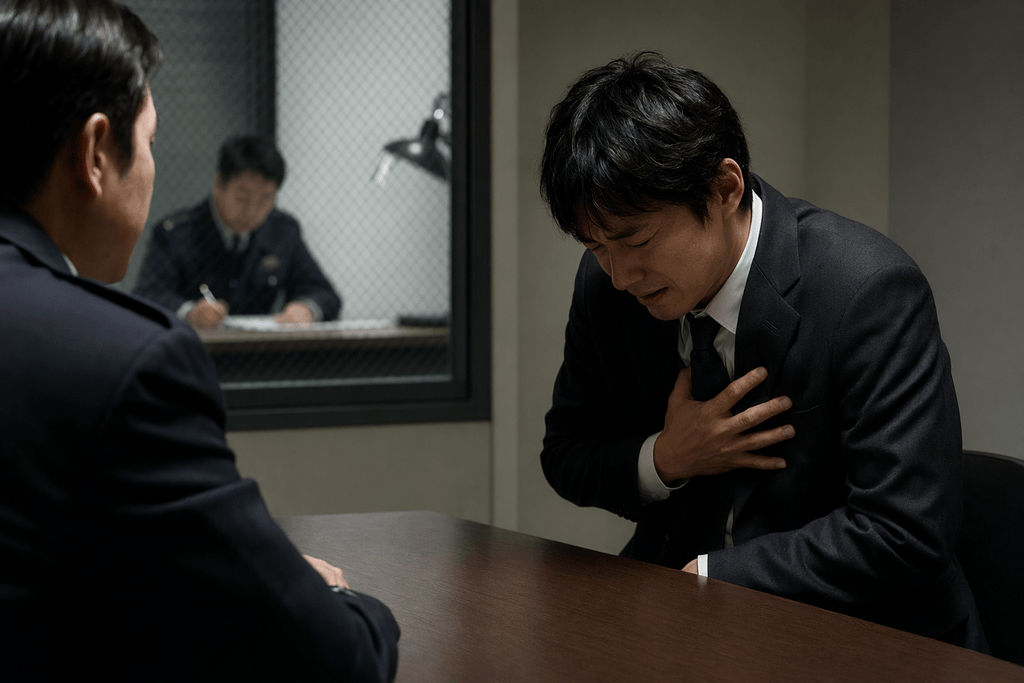
( Base form )
( romanization )
( hiragana )
爽やか
လန်းဆန်းသော
爽やか
လန်းဆန်းသော
Explanation
爽やか
လန်းဆန်းသော
爽やか
လန်းဆန်းပြီး စိတ်ကိုသက်သာစေသော / (အသံ စ.) ရှင်းလင်းထင်ရှားသော / စကားချောရွဲ၊ ပြောဆိုရန်လွယ်ကူသော
ဆွေးနွေးချက်တွေ အတော်အတန် အကျပ်အတည်းတက်လာနေတဲ့ အစည်းအဝေးရဲ့ အဆုံးပိုင်းမှာ သူ့ရဲ့ လန်းဆန်းတဲ့ အကြံပြုချက်က အခန်းအတွင်းက လေထုကို တစ်ချက်တည်းနဲ့ လုံးဝပြောင်းလဲသွားစေခဲ့သည်။

Word Forms
The basic and commonly used forms of this adjectival noun.
Basic forms
| Form | Word form | Usage |
|---|---|---|
| Imperfective form (mizenkei) | Used in forms such as darou. | |
| Continuative form (renyokei) |
Alternative:
爽やかに
|
Used with de or ni. |
| Conclusive form (shushikei) | Ends a sentence with da. | |
| Attributive form (rentaikei) | Modifies a noun with na. | |
| Conditional form (kateikei) | Expresses a condition with nara. | |
| Imperative form (meireikei) | Used in formal expressions such as de are. |
Common forms
Loading...

JLPT N1 多言語単語帳・3032語 / JLPT N1 Multilingual Vocabulary: 3032 Words

Jonathan Waller 氏の JLPT Resources の語彙リスト・レベル分類を出典とし、CC BY の条件に従って DiQt が学習者向けに意味を作り直した3032語の単語帳です。JLPT公式の語彙リストではありません。
This collection of 3032 words is based on the vocabulary list and level classifications in Jonathan Waller’s JLPT Resources under CC BY, with meanings rewritten by DiQt for learners. It is not an official JLPT vocabulary list.
Key Operations
Select the first quiz:
Ctrl + Enter
View Explanation:Ctrl + G
Close a feedback:Esc
When selecting a quiz
Answer:Enter
Select a choice:↓ or ↑
Reading out the question:Ctrl + K
View Hint: Ctrl + M
I don't know: Ctrl + Y



