
JLPT N1 ဝေါဟာရအဓိပ္ပာယ် လေ့ကျင့်ခန်း - Unsolved

JLPT N1 စကားလုံး 3032 လုံး၏ မြန်မာအဓိပ္ပာယ်ကို အဖြေရွေးချယ်စရာ လေးခုပါသော မေးခွန်းများဖြင့် လေ့လာပါ။
-
တိုးတက်ခြင်း
-
ငွေကြေး
-
သွေးထွက်ခြင်း
-
ဆန့်ကျင်သည် / မကိုက်ညီသည်
-
နာကျင်စေသည် / စိတ်ထိခိုက်သည်
-
ရှုပ်ထွေးစေသည် / နှောင့်ယှက်သည်
-
အထက်ဖော်ပြပါ
-
ကင်းလွတ်ခွင့်
-
ဒေါ်
-
အနာစိမ်း
-
စိတ်ခံစားချက် / သာယာရသအငွေ့အသက်
-
သာယာကြည်လင်သောရာသီဥတု
-
ရစ်ပတ်သည် / ဆက်နွယ်ပါဝင်သည်
-
တန်းစီဆက်လျက်ရှိသည်
-
စောစီးစေသည်
- 下一段活用の動詞。見出し語が仮名表記のため、各活用形も仮名で示した。
-
ပဒေသရာဇ်သခင်
-
အဆင့်အတန်း
-
ထိပ်တန်းခေါင်းဆောင်
-
ပွယောင်းသော
-
အလိုအလျောက်ဖြစ်သော
-
ချောမွေ့သော
-
ပုံသဏ္ဌာန် / အမြှုပ်
-
ဟာသပြဇာတ်
-
ရေလက်ကြား
-
တစ်ဦးချင်းဆောင်ရွက်မှု
-
စာဖြင့်မှတ်တမ်းတင်မှု
-
အခြေအနေ
-
အကန့်ခွဲသည် / စီမံဦးဆောင်သည်
-
ဖြတ်တောက်သည် / ရှောင်ကြဉ်သည်
-
ရင်းနှီးလာသည်
協会
အသင်းအဖွဲ့
協会
အသင်းအဖွဲ့
Explanation
協会
အသင်းအဖွဲ့
協会
အသင်းအဖွဲ့ / အဖွဲ့အစည်း / အသင်း
သူသည် အနှစ်များစွာအတွင်း အဆိုပါအသင်း၏ ဒိုင်ရက်တာအဖွဲ့ဝင်အဖြစ် တာဝန်ထမ်းဆောင်ခဲ့ပြီး စက်မှုလုပ်ငန်းတစ်လျှောက်လုံး၏ ပွင့်လင်းမြင်သာမှု မြှင့်တင်ရေးအတွက် ကြိုးပမ်းလာခဲ့သည်။

( Base form )
( romanization )
( romanization )
( kyūjitai )
( hiragana historical )
( hiragana )
宛てる
လိပ်မူသည်
宛てる
လိပ်မူသည်
Explanation
宛てる
လိပ်မူသည်
宛てる
(စာ၊ ပါဆယ်) ကို တစ်ဦးထံသို့ ချံပို့ရန် လိပ်စာရေးသည် / (စာ/စကား) ကို တစ်ဦးသို့ ရည်ညွှန်း၍ ပို့/ပြောသည်
ကန့်ကွက်စာကို တာဝန်ခံ အရာရှိထံ လိပ်မူသင့်ကြောင်း အခိုင်အမာဆိုခဲ့သော်လည်း၊ အဖွဲ့အစည်း၏ ထုံးတမ်းအရ အများပြည်သူဆက်ဆံရေးဌာနသို့ လွှဲပေးခြင်းက ပုံမှန်လေ့လာဓလေ့ဖြစ်ခဲ့သည်။

Word Forms
The basic and commonly used forms of this verb.
Basic forms
| Form | Word form | Usage |
|---|---|---|
| Imperfective form (mizenkei) | Connects to endings such as nai, reru, and seru. | |
| Continuative form (renyokei) | Connects to endings such as masu, tai, and ta. | |
| Conclusive form (shushikei) | Ends a sentence and serves as the dictionary form. | |
| Attributive form (rentaikei) | Modifies a noun. | |
| Conditional form (kateikei) | Combines with ba to express a condition. | |
| Imperative form (meireikei) |
Alternative:
宛てよ
|
Expresses a command or instruction. |
Common forms
消息
တစ်စုံတစ်ဦး၏သတင်း
消息
တစ်စုံတစ်ဦး၏သတင်း
Explanation
消息
တစ်စုံတစ်ဦး၏သတင်း
消息
သတင်း၊ အချက်အလက် / တလောအခြေအနေ တိုးတက်မှုအကြောင်း / သူတစ်ဦး၏ အနေအထားသတင်း

( Base form )
( romanization )
( hiragana )
変動
အတက်အကျပြောင်းလဲမှု
変動
အတက်အကျပြောင်းလဲမှု
Explanation
変動
အတက်အကျပြောင်းလဲမှု
変動
အပြောင်းအလဲ / တက်ကျဖြစ်ပွားမှု
ကုန်ကြမ်းဈေးနှုန်းအပြောင်းအလဲကို ကြိုတင်ခန့်မှန်းပြီး စာချုပ်အခြေအနေများကို ပြန်လည်သုံးသပ်မပြင်ဆင်မချင်း အကျိုးအမြတ်အချိုးအစားကို ထိန်းသိမ်းထားရန် ခက်ခဲသည်။

( Base form )
( romanization )
( hiragana )
やすめる
အနားပေးသည်
やすめる
အနားပေးသည်
Explanation
အနားပေးသည်
やすめる
အရာတစ်ခုကို အနားပေး၊ ခဏရပ်နားစေ / အနားယူ၊ နားပန်းယူ / လယ်မြေကို ခဏ မထွန်မရွက်ထား (နားပေး)

Word Forms
The basic and commonly used forms of this verb.
Basic forms
| Form | Word form | Usage |
|---|---|---|
| Imperfective form (mizenkei) | Connects to endings such as nai, reru, and seru. | |
| Continuative form (renyokei) | Connects to endings such as masu, tai, and ta. | |
| Conclusive form (shushikei) | Ends a sentence and serves as the dictionary form. | |
| Attributive form (rentaikei) | Modifies a noun. | |
| Conditional form (kateikei) | Combines with ba to express a condition. | |
| Imperative form (meireikei) |
Alternative:
やすめよ
|
Expresses a command or instruction. |
Common forms
| Form | Word form | Usage |
|---|---|---|
| Te-form | Connects clauses with te. | |
| Ta-form | Expresses the past with ta. | |
| Nai-form | Expresses negation with nai. | |
| Masu-form | Used for polite speech. | |
| Ba-form | Expresses a condition with ba. | |
| Volitional form | Expresses intention or invitation. |
Notes
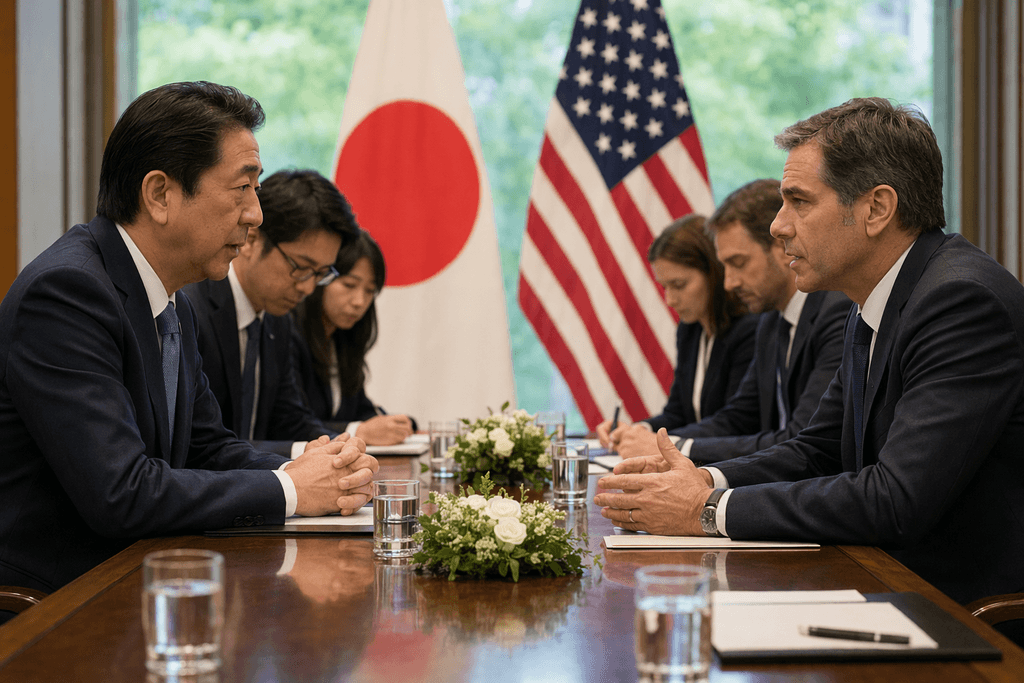
会談
တရားဝင်ဆွေးနွေးမှု
会談
တရားဝင်ဆွေးနွေးမှု
Explanation
会談
တရားဝင်ဆွေးနွေးမှု
会談
ဆွေးနွေးပွဲ / တွေ့ဆုံဆွေးနွေးမှု / ညှိနှိုင်းတွေ့ဆုံပွဲ
( Base form )
( romanization )
( romanization )
( kyūjitai )
( hiragana historical )
( hiragana )
柔軟
ပျော့ပျောင်းသော
柔軟
ပျော့ပျောင်းသော
Explanation
柔軟
ပျော့ပျောင်းသော
柔軟
နူးညံ့၍လွယ်ကူစွာကွေးနိုင်သော / ပြောင်းလွယ်ပြင်လွယ်သော / လိုက်လျောညီထွေသော
ကုမ္ပဏီများသည် ခန့်မှန်း၍မရနိုင်သော ဈေးကွက်ပြောင်းလဲမှုများကို ကျော်လွှားနိုင်ရန် ရိုးရာကျင့်ထုံးများကို ဆုပ်ကိုင်မထားဘဲ လိုက်လျောညီထွေဖြစ်သော ဆုံးဖြတ်ချက်ချမှတ်မှု ပြုလုပ်နိုင်သည့် ဖွဲ့စည်းပုံတစ်ရပ်မှာ မရှိမဖြစ်လိုအပ်သည်။

Word Forms
The basic and commonly used forms of this adjectival noun.
Basic forms
| Form | Word form | Usage |
|---|---|---|
| Imperfective form (mizenkei) | Used in forms such as darou. | |
| Continuative form (renyokei) |
Alternative:
柔軟に
|
Used with de or ni. |
| Conclusive form (shushikei) |
Alternative:
柔軟である
|
Ends a sentence with da. |
| Attributive form (rentaikei) |
Alternative:
柔軟である
|
Modifies a noun with na. |
| Conditional form (kateikei) |
Alternative:
柔軟であれば
|
Expresses a condition with nara. |
| Imperative form (meireikei) | Used in formal expressions such as de are. |
Common forms
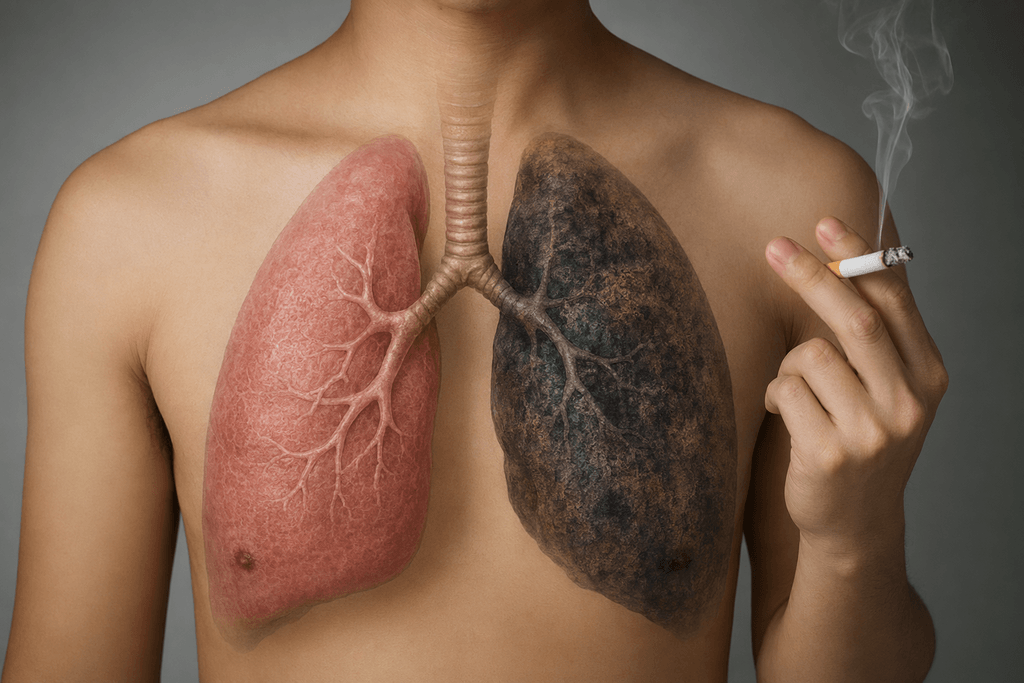
肺
အဆုတ်
肺
အဆုတ်
Explanation
肺
အဆုတ်
肺
အဆုတ် / အသက်ရှူအင်္ဂါ
နှစ်ပေါင်းများစွာ ဖုန်မှုန့်များကို ထိတွေ့ရှူရှိုက်ခဲ့ခြင်းကြောင့် သူ၏ အဆုတ်များတွင် ပြန်လည်မပြောင်းလဲနိုင်သော အမျှင်တစ်ရှူးဖြစ်ပေါ်မှု (fibrosis) တိုးတက်နေသည်ဟု ရောဂါရှာဖွေတွေ့ရှိခဲ့သည်။
( romanization )
( hiragana )
ドライブイン
လမ်းဘေးစားသောက်ဆိုင်
ドライブイン
လမ်းဘေးစားသောက်ဆိုင်
Explanation
လမ်းဘေးစားသောက်ဆိုင်
ドライブイン
ယာဉ်မထွက်ဘဲ ဝန်ဆောင်မှုရနိုင်သည့် ဆိုင်/နေရာ / ကားထိုင်နေပြီး အစားအစာဝယ်နိုင်သည့် စားသောက်ဆိုင် / ကားထိုင်နေပြီး ကြည့်နိုင်သည့် ရုပ်ရှင်ရုံ
တစ်ချိန်က နိုင်ငံတော်အဝေးပြေးလမ်းမများတစ်လျှောက် ဟိုတစ်နေရာ ဒီတစ်နေရာတွင် ရှိခဲ့သော ကားခရီးသည်နားနေဆိုင်များသည် ကုန်စည်ပို့ဆောင်ရေးနှင့် ခရီးသွားလာမှုပုံစံများ ပြောင်းလဲလာသည်နှင့်အမျှ တိတ်တဆိတ် ပျောက်ကွယ်သွားခဲ့ကြသည်။

( romanization )
侵す
ကျူးကျော်သည် / ထိပါးသည်
侵す
ကျူးကျော်သည် / ထိပါးသည်
Explanation
侵す
ကျူးကျော်သည် / ထိပါးသည်
侵す
နယ်နိမိတ် သို့မဟုတ် ပိုင်နယ်ကို ကျူးကျော်ဝင်ရောက် / စည်းမျဉ်း၊ ဥပဒေ သို့မဟုတ် အခွင့်အရေးကို ချိုးဖောက်

Word Forms
The basic and commonly used forms of this verb.
Basic forms
| Form | Word form | Usage |
|---|---|---|
| Imperfective form (mizenkei) |
Alternative:
侵そ
|
Connects to endings such as nai, reru, and seru. |
| Continuative form (renyokei) | Connects to endings such as masu, tai, and ta. | |
| Conclusive form (shushikei) | Ends a sentence and serves as the dictionary form. | |
| Attributive form (rentaikei) | Modifies a noun. | |
| Conditional form (kateikei) | Combines with ba to express a condition. | |
| Imperative form (meireikei) | Expresses a command or instruction. |
Common forms
Loading...

JLPT N1 多言語単語帳・3032語 / JLPT N1 Multilingual Vocabulary: 3032 Words

Jonathan Waller 氏の JLPT Resources の語彙リスト・レベル分類を出典とし、CC BY の条件に従って DiQt が学習者向けに意味を作り直した3032語の単語帳です。JLPT公式の語彙リストではありません。
This collection of 3032 words is based on the vocabulary list and level classifications in Jonathan Waller’s JLPT Resources under CC BY, with meanings rewritten by DiQt for learners. It is not an official JLPT vocabulary list.
Key Operations
Select the first quiz:
Ctrl + Enter
View Explanation:Ctrl + G
Close a feedback:Esc
When selecting a quiz
Answer:Enter
Select a choice:↓ or ↑
Reading out the question:Ctrl + K
View Hint: Ctrl + M
I don't know: Ctrl + Y



