
JLPT N1 ဝေါဟာရအဓိပ္ပာယ် လေ့ကျင့်ခန်း - Unsolved

JLPT N1 စကားလုံး 3032 လုံး၏ မြန်မာအဓိပ္ပာယ်ကို အဖြေရွေးချယ်စရာ လေးခုပါသော မေးခွန်းများဖြင့် လေ့လာပါ။
-
အနားယူအားမွေးခြင်း
-
အသုံးအဆောင်ပစ္စည်းများ
-
ကိုယ်ပိုင်ပစ္စည်းများ
-
ဆက်တိုက်တန်းစီသည်
-
ဆက်နေသည် / ကန့်သတ်ထားသည်
-
မျက်နှာနီမြန်းသည်
- 「歪む」は五段活用のマ行動詞です。ここでは指定読み「いがむ」に基づく活用を示しています。
-
တပ်ဆင်ပစ္စည်း
-
ရန်ပုံငွေ
-
အတူနေထိုင်မှု
-
ပြည့်ဝခြင်း
-
နိုင်ငံရေးအာဏာ / အုပ်ချုပ်ရေးအစိုးရ
-
ကိုယ်ပိုင်ထူးခြားမှု
-
တိုးမြှင့်ကောင်းမွန်မှု
-
ပညာသတိရှိမှု
-
လေရဟတ်
-
ပင်လယ်ခရီး
-
တိုးတက်ခြင်း
-
ငြင်းပယ်မှု
-
ပညာရေးနောက်ခံ
-
ကိုင်တွယ်မှု
-
အလင်းပေးခြင်း
-
ထမ်းသည် / ကြွေးတင်သည်
-
ကြားဖြတ်ဝင်သည်
-
ရောနှောသည်
- 外来語由来の俗語的な動詞。五段活用(ラ行)として「ダブらない」「ダブって」「ダブった」のように活用する。
-
စာဖတ်သူ
-
ဉာဏ်ပညာ
-
ပိတ်သိမ်းမှု
-
တာဝန်ကိုထမ်းဆောင်နိုင်သည်
-
ဆန့်ကျင်သည်
-
အညီလိုက်နာသည်
決断
ပြတ်သားသောဆုံးဖြတ်မှု
決断
ပြတ်သားသောဆုံးဖြတ်မှု
Explanation
決断
ပြတ်သားသောဆုံးဖြတ်မှု
決断
ဆုံးဖြတ်ချက် / တည်ကြည်စိတ်ဓာတ် / သေချာဆုံးဖြတ်နိုင်မှု
စီမံ ခန့်ခွဲ ရေး အဖွဲ့ သည် အကျိုးအမြတ် မ ရှိ သော စီးပွားရေး လုပ်ငန်း မှ ရုပ်သိမ်း ရန် ဆုံးဖြတ် ချက် ချ ခဲ့ ပြီး ၊ ရေတို ဆုံးရှုံး မှု များ ကို လက်ခံ ရန် အပြည့်အဝ ပြင်ဆင် ခဲ့ သည် ။

( Base form )
( romanization )
( kyūjitai )
( hiragana )
歪む
ပုံပျက်သည်
歪む
ပုံပျက်သည်
Explanation
歪む
ပုံပျက်သည်
歪む
ပုံပျက်ကွေးသွားသည် / အမြင် သို့မဟုတ် စိတ်ထား မှားယွင်းသည် / မျက်နှာ သို့မဟုတ် ပါးစပ် ကောက်ကနဲ ဖြစ်သည်

Word Forms
The basic and commonly used forms of this verb.
Basic forms
| Form | Word form | Usage |
|---|---|---|
| Imperfective form (mizenkei) |
Alternative:
いがま
|
Connects to endings such as nai, reru, and seru. |
| Continuative form (renyokei) |
Alternative:
いがみ
|
Connects to endings such as masu, tai, and ta. |
| Conclusive form (shushikei) |
Alternative:
いがむ
|
Ends a sentence and serves as the dictionary form. |
| Attributive form (rentaikei) |
Alternative:
いがむ
|
Modifies a noun. |
| Conditional form (kateikei) |
Alternative:
いがめ
|
Combines with ba to express a condition. |
| Imperative form (meireikei) |
Alternative:
いがめ
|
Expresses a command or instruction. |
Common forms
| Form | Word form | Usage |
|---|---|---|
| Te-form |
Alternative:
いがんで
|
Connects clauses with te. |
| Ta-form |
Alternative:
いがんだ
|
Expresses the past with ta. |
| Nai-form |
Alternative:
いがまない
|
Expresses negation with nai. |
| Masu-form |
Alternative:
いがみます
|
Used for polite speech. |
| Ba-form |
Alternative:
いがめば
|
Expresses a condition with ba. |
| Volitional form |
Alternative:
いがもう
|
Expresses intention or invitation. |
Notes
言い訳
ဆင်ခြေ
言い訳
ဆင်ခြေ
Explanation
言い訳
ဆင်ခြေ
言い訳
အမှားကို ကာကွယ်ရန် ပြောသည့် အကြောင်းပြချက် / ကြောင်းတင်ချက် / ကာကွယ်ရန် ရှင်းပြချက်

( Base form )
( romanization )
( hiragana )
球根
အပင်ဥ
球根
အပင်ဥ
Explanation
球根
အပင်ဥ
球根
အပင်၏ မြေအောက် အာဟာရသိုလှောင် ဘူးပုံအင်္ဂါ / မျိုးပွားအတွက် အထောက်အကူဖြစ်သော အလွှာစပ် အပင်အင်္ဂါ

( Base form )
( romanization )
( hiragana )
内部
အတွင်းပိုင်း
内部
အတွင်းပိုင်း
Explanation
内部
အတွင်းပိုင်း
内部
အတွင်းပိုင်း / အတွင်းဘက် / အဖွဲ့အစည်းအတွင်းပိုင်း
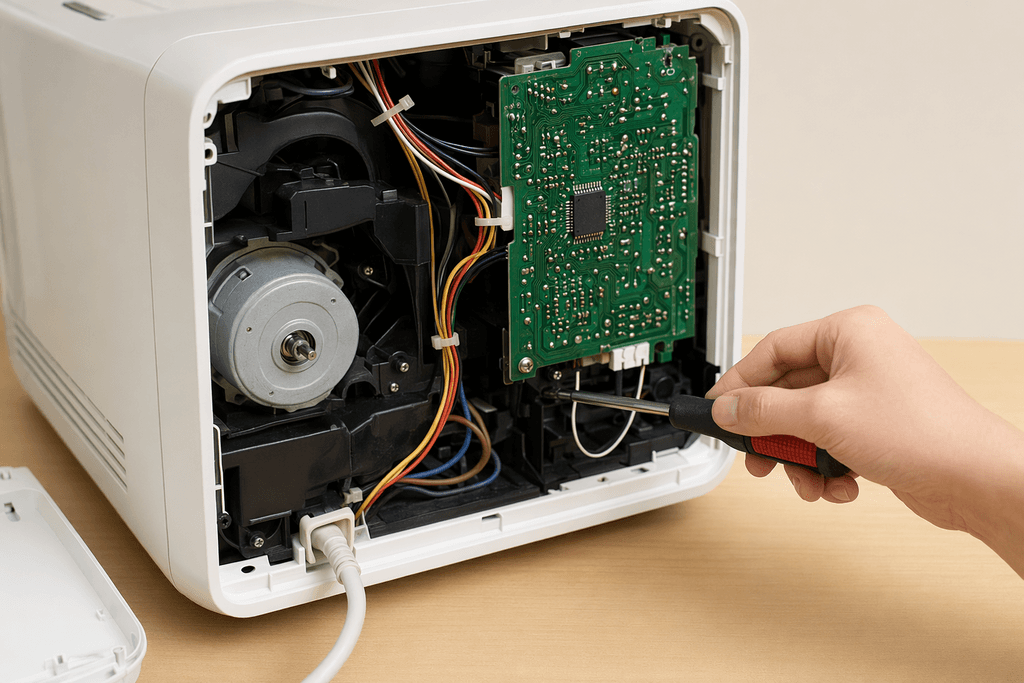
အဖွဲ့အစည်းအတွင်း၌ ပုန်းလျှိုးနေသော အကျိုးစီးပွားဆိုင်ရာ ပဋိပက္ခများကို လျစ်လျူရှုထားပြီး ပြုပြင်ပြောင်းလဲရေးကို အတင်းအကျပ်ဆောင်ရွက်ပါက၊ ထိုအစား ရှုပ်ထွေးမှုကို ပိုမိုအားပေးသွားစေနိုင်သည်။
( Base form )
( romanization )
( kyūjitai )
( hiragana )
概念
သဘောတရား
概念
သဘောတရား
Explanation
概念
သဘောတရား
概念
အယူအဆ / အမြင် / အကြမ်းဖျင်းအယူအဆ
အဲဒီမူဝါဒက ပထမကြည့်လျှင် လက်ခံလောက်အောင် သဘောတရားကျပြီး ဆင်ခြင်လို့ရသလို ထင်ရပေမယ့်၊ “တရားမျှတမှု” ဆိုတဲ့ အယူအဆကို ဘယ်လို သတ်မှတ်မလဲဆိုတာပေါ်မူတည်ပြီး အကဲဖြတ်ချက်က အလွန်ကွာခြားသွားနိုင်တယ်။

( Base form )
( romanization )
( hiragana )
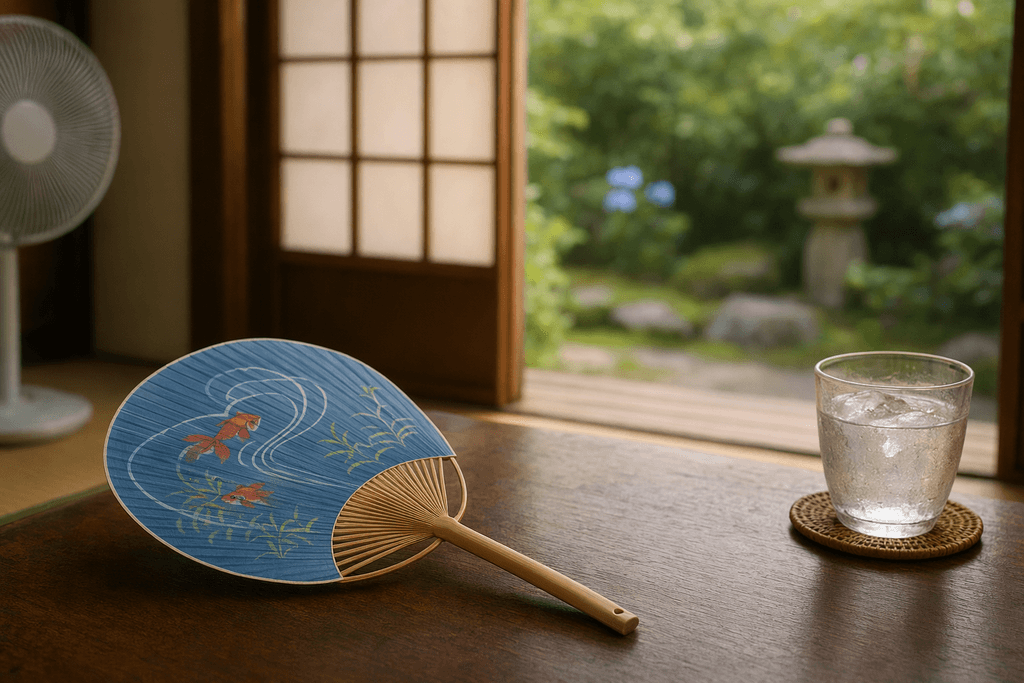
うちわ
ယပ်တောင်
うちわ
ယပ်တောင်
Explanation
ယပ်တောင်
うちわ
ချိုးခွေလို့မရသော ပြားပြား လက်ပန် / ပြားညက်သည့် လက်ကိုင် လက်ပန် / ဂျပန်ပုံစံ ရိုးရာ လက်ပန်
လျှပ်စစ်ချွေတာရန်ဆိုတဲ့အသံများမြင့်လာနေတဲ့ အခုလိုအချိန်မှာ၊ အအေးပေးစက်ကို အပြည့်အဝမမှီခိုဘဲ လက်ပန်ကာတစ်ချောင်းနဲ့ပဲ အပူကိုခံပြီးနေမယ်ဆိုတဲ့ အတွေးအခေါ်က မထင်မှတ်ဘဲ ပိုပြီးကာနာတဲ့အရာလိုတောင် ထင်လာတတ်သည်။
( romanization )
( romanization )
( hiragana historical )
ダブる
ထပ်နေသည် / ထပ်လုပ်သည်
ダブる
ထပ်နေသည် / ထပ်လုပ်သည်
Explanation
ထပ်နေသည် / ထပ်လုပ်သည်
ダブる
(အပြော) နှစ်ဆဖြစ်/ထပ်ဖြစ်သည်၊ ထပ်နေသည် / (အပြော) အချိန်တပြိုင်နက်တည်း တိုက်ဆိုင်ဖြစ်ပေါ်/ထပ်တူကျသည် / (ပညာရေး) အတန်း/နှစ် ပြန်တက်ရသည် (စာနှစ်ကျ)
စာရွက်စာတမ်းအမြောက်အမြားကို ပြန်စစ်ဆေးနေစဉ် ဌာနအသီးသီးမှ ဖောက်သည်တစ်ဦးတည်းထံ ပေးပို့သော တောင်းဆိုချက်များသည် အထပ်ထပ်ဖြစ်နေကြောင်း တွေ့ရှိခဲ့ပြီး ၎င်းတို့ကို ညှိနှိုင်းဆောင်ရွက်ခြင်းဖြင့် အလုပ်များနေသည်။

Word Forms
The basic and commonly used forms of this verb.
Basic forms
| Form | Word form | Usage |
|---|---|---|
| Imperfective form (mizenkei) | Connects to endings such as nai, reru, and seru. | |
| Continuative form (renyokei) |
Alternative:
ダブっ
|
Connects to endings such as masu, tai, and ta. |
| Conclusive form (shushikei) | Ends a sentence and serves as the dictionary form. | |
| Attributive form (rentaikei) | Modifies a noun. | |
| Conditional form (kateikei) | Combines with ba to express a condition. | |
| Imperative form (meireikei) | Expresses a command or instruction. |
Common forms
| Form | Word form | Usage |
|---|---|---|
| Te-form | Connects clauses with te. | |
| Ta-form | Expresses the past with ta. | |
| Nai-form | Expresses negation with nai. | |
| Masu-form | Used for polite speech. | |
| Ba-form | Expresses a condition with ba. | |
| Volitional form | Expresses intention or invitation. |
Notes
区切り
ပိုင်းခြားနားချက်
区切り
ပိုင်းခြားနားချက်
Explanation
区切り
ပိုင်းခြားနားချက်
区切り
အပိုင်းခွဲချက်၊ ကန့်သတ်မျဉ်း / ခွဲခြားကိရိယာ (separator/delimiter) / ခဏနားချိန်၊ ရပ်နားခြင်း
ဆွေးနွေးမှုက စိတ်ခံစားချက်အပေါ်အခြေခံတဲ့ အငြင်းပွားမှုဘက်ကို စီးဆင်းသွားမလိုဖြစ်လာလို့၊ ခဏတစ်ဖြတ် ရပ်နားပြီး အဖြစ်အပျက်နဲ့ သက်ဆိုင်တဲ့ အချက်အလက်တွေကို စနစ်တကျ စီစဉ်ပြီးမှ ပြန်လည်စတင်ခဲ့တယ်။

( Base form )
( romanization )
申し出る
ကမ်းလှမ်းသည် / တောင်းဆိုသည်
申し出る
ကမ်းလှမ်းသည် / တောင်းဆိုသည်
Explanation
申し出る
ကမ်းလှမ်းသည် / တောင်းဆိုသည်
申し出る
အကြံပြု၍ တင်ပြသည် / လျှောက်ထား သို့မဟုတ် တောင်းဆိုသည် / အကြောင်းကြားသည်
သူက အရှုပ်အထွေးဖြစ်ရပ်အတွက် တာဝန်ယူတဲ့အနေနဲ့ ရာထူးမှ နုတ်ထွက်ရန် လျှောက်ထားခဲ့ပေမယ့် ဒါရိုက်တာဘုတ်အဖွဲ့က အဖွဲ့အစည်းပြုပြင်ပြောင်းလဲရေးကို ဦးစားပေးပြီး အဲ့ဒီလျှောက်ထားချက်ကို ခေတ္တဆိုင်းငံ့ထားခဲ့သည်။

Word Forms
The basic and commonly used forms of this verb.
Basic forms
| Form | Word form | Usage |
|---|---|---|
| Imperfective form (mizenkei) | Connects to endings such as nai, reru, and seru. | |
| Continuative form (renyokei) | Connects to endings such as masu, tai, and ta. | |
| Conclusive form (shushikei) | Ends a sentence and serves as the dictionary form. | |
| Attributive form (rentaikei) | Modifies a noun. | |
| Conditional form (kateikei) | Combines with ba to express a condition. | |
| Imperative form (meireikei) |
Alternative:
申し出よ
|
Expresses a command or instruction. |
Common forms
Loading...

JLPT N1 多言語単語帳・3032語 / JLPT N1 Multilingual Vocabulary: 3032 Words

Jonathan Waller 氏の JLPT Resources の語彙リスト・レベル分類を出典とし、CC BY の条件に従って DiQt が学習者向けに意味を作り直した3032語の単語帳です。JLPT公式の語彙リストではありません。
This collection of 3032 words is based on the vocabulary list and level classifications in Jonathan Waller’s JLPT Resources under CC BY, with meanings rewritten by DiQt for learners. It is not an official JLPT vocabulary list.
Key Operations
Select the first quiz:
Ctrl + Enter
View Explanation:Ctrl + G
Close a feedback:Esc
When selecting a quiz
Answer:Enter
Select a choice:↓ or ↑
Reading out the question:Ctrl + K
View Hint: Ctrl + M
I don't know: Ctrl + Y



