
JLPT N1: Latihan arti kata - Unsolved

Pelajari arti 3032 kata JLPT N1 dalam bahasa Indonesia melalui soal dengan empat pilihan jawaban.
-
berkendara perlahan
-
pendudukan wilayah
-
logika
-
mencampurkan
-
menyebut / mengaku sebagai
-
mengaduk / mengacaukan
-
pertahanan
-
pengolahan lahan
-
latar belakang
-
mengutak-atik / mengubah sembarangan
-
memancangkan / menekuni
-
meredakan
-
intelektual
-
agung
-
hancur berkeping-keping
-
mempertahankan / menjaga
-
berusaha giat
-
bertukar
-
tempat upacara
-
berantakan
-
rakyat
-
berakhir / tewas
-
menyekat / mengelola
-
menerima
-
memerankan
-
memakan tempat
-
menelan / memahami
-
menarik ke atas / menarik diri
-
keluar semua
-
menyudutkan
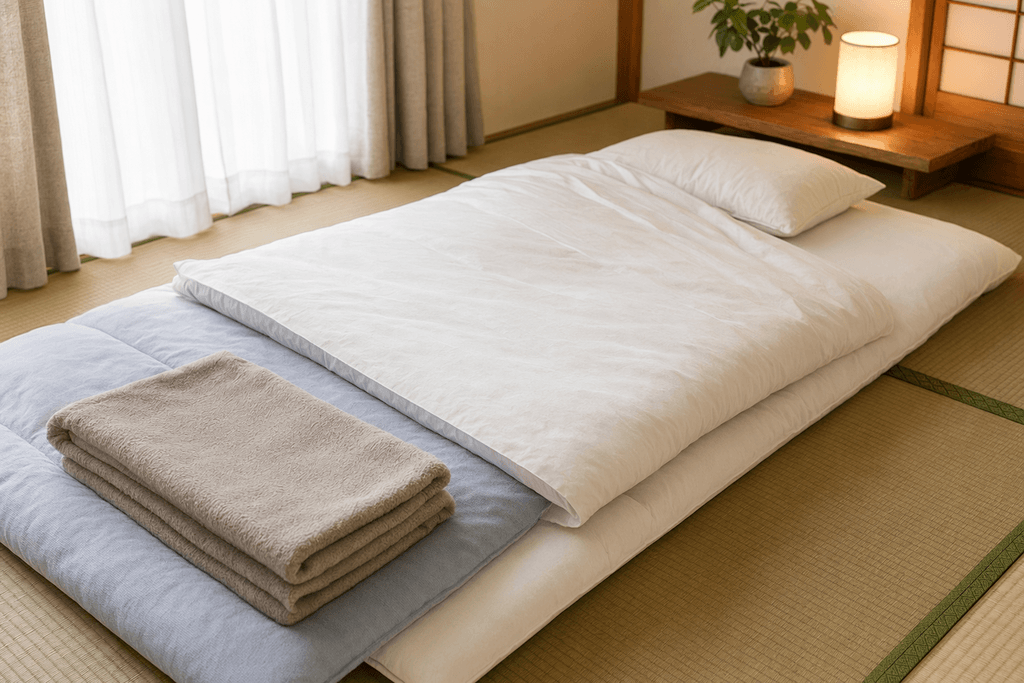
夜具
perlengkapan tidur
夜具
perlengkapan tidur
Explanation
夜具
perlengkapan tidur
夜具
perlengkapan tidur / perlengkapan tempat tidur (seperti futon, selimut)
( Base form )
( romanization )
( hiragana )
担う
memikul beban
担う
memikul beban
Explanation
担う
memikul beban
担う
memikul di bahu / menanggung beban/tanggung jawab / mengemban tugas
Di daerah di mana penurunan penduduk semakin cepat, tidak hanya pemerintah tetapi setiap penduduk ditanya apakah mereka siap memikul tanggung jawab menjaga pelayanan publik.

Word Forms
The basic and commonly used forms of this verb.
Basic forms
| Form | Word form | Usage |
|---|---|---|
| Imperfective form (mizenkei) |
Alternative:
担お
|
Connects to endings such as nai, reru, and seru. |
| Continuative form (renyokei) | Connects to endings such as masu, tai, and ta. | |
| Conclusive form (shushikei) | Ends a sentence and serves as the dictionary form. | |
| Attributive form (rentaikei) | Modifies a noun. | |
| Conditional form (kateikei) | Combines with ba to express a condition. | |
| Imperative form (meireikei) | Expresses a command or instruction. |
Common forms
上位
peringkat lebih tinggi
上位
peringkat lebih tinggi
Explanation
上位
peringkat lebih tinggi
上位
peringkat lebih tinggi / kedudukan lebih tinggi / tingkat atas

( Base form )
( romanization )
( romanization )
( hiragana historical )
( hiragana )
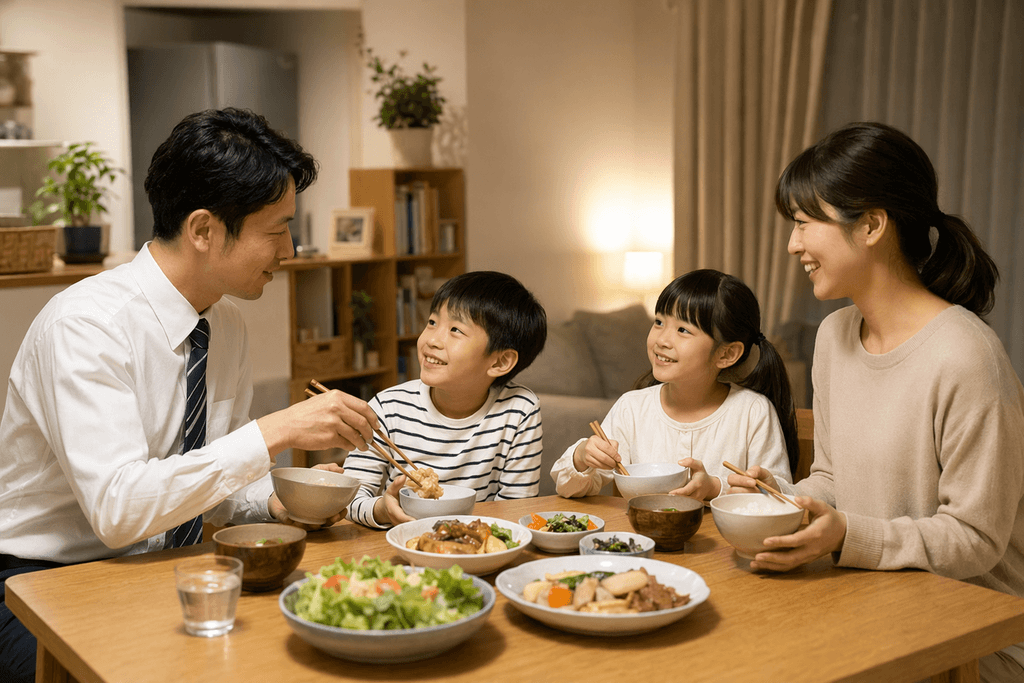
養う
menafkahi / memupuk
養う
menafkahi / memupuk
Explanation
養う
menafkahi / memupuk
養う
membesarkan / menafkahi / memupuk
Word Forms
The basic and commonly used forms of this verb.
Basic forms
| Form | Word form | Usage |
|---|---|---|
| Imperfective form (mizenkei) |
Alternative:
養お
|
Connects to endings such as nai, reru, and seru. |
| Continuative form (renyokei) | Connects to endings such as masu, tai, and ta. | |
| Conclusive form (shushikei) | Ends a sentence and serves as the dictionary form. | |
| Attributive form (rentaikei) | Modifies a noun. | |
| Conditional form (kateikei) | Combines with ba to express a condition. | |
| Imperative form (meireikei) | Expresses a command or instruction. |
Common forms
不審
mencurigakan
不審
mencurigakan
Explanation
不審
mencurigakan
不審
mencurigakan / meragukan / aneh
Masih ada sejumlah hal yang mencurigakan dalam penjelasannya, dan pihak berwenang berencana menelusuri ulang secara menyeluruh aliran dana semua pihak terkait.

Word Forms
The basic and commonly used forms of this adjectival noun.
Basic forms
| Form | Word form | Usage |
|---|---|---|
| Imperfective form (mizenkei) | Used in forms such as darou. | |
| Continuative form (renyokei) |
Alternative:
不審に
|
Used with de or ni. |
| Conclusive form (shushikei) | Ends a sentence with da. | |
| Attributive form (rentaikei) |
Alternative:
不審なる
|
Modifies a noun with na. |
| Conditional form (kateikei) | Expresses a condition with nara. | |
| Imperative form (meireikei) | Used in formal expressions such as de are. |
Common forms
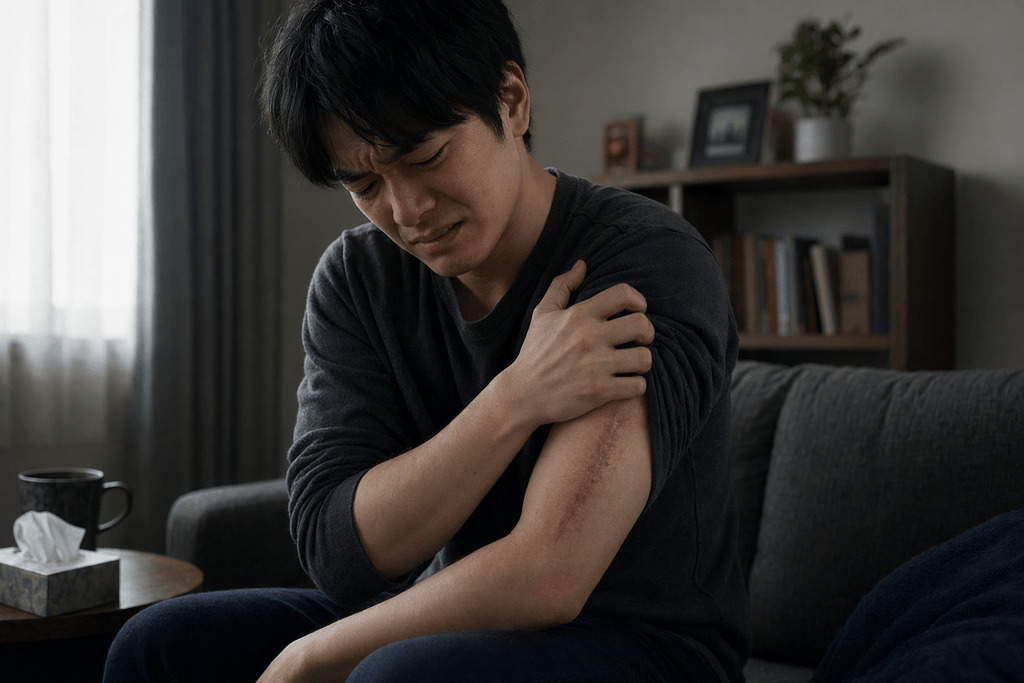
痛む
terasa sakit
痛む
terasa sakit
Explanation
痛む
terasa sakit
痛む
merasa sakit / merasa nyeri / terluka
Dia tertawa untuk menutupi semuanya, tetapi setiap kali luka lamanya terasa nyeri, bahkan kesalahan-kesalahan masa lalu pun ikut berdenyut di lubuk dadanya.
Word Forms
The basic and commonly used forms of this verb.
Basic forms
| Form | Word form | Usage |
|---|---|---|
| Imperfective form (mizenkei) | Connects to endings such as nai, reru, and seru. | |
| Continuative form (renyokei) | Connects to endings such as masu, tai, and ta. | |
| Conclusive form (shushikei) | Ends a sentence and serves as the dictionary form. | |
| Attributive form (rentaikei) | Modifies a noun. | |
| Conditional form (kateikei) | Combines with ba to express a condition. | |
| Imperative form (meireikei) | Expresses a command or instruction. |
Common forms
根気
ketekunan
根気
ketekunan
Explanation
根気
ketekunan
根気
kesabaran / ketekunan / keuletan

( Base form )
( romanization )
( kyūjitai )
( hiragana )
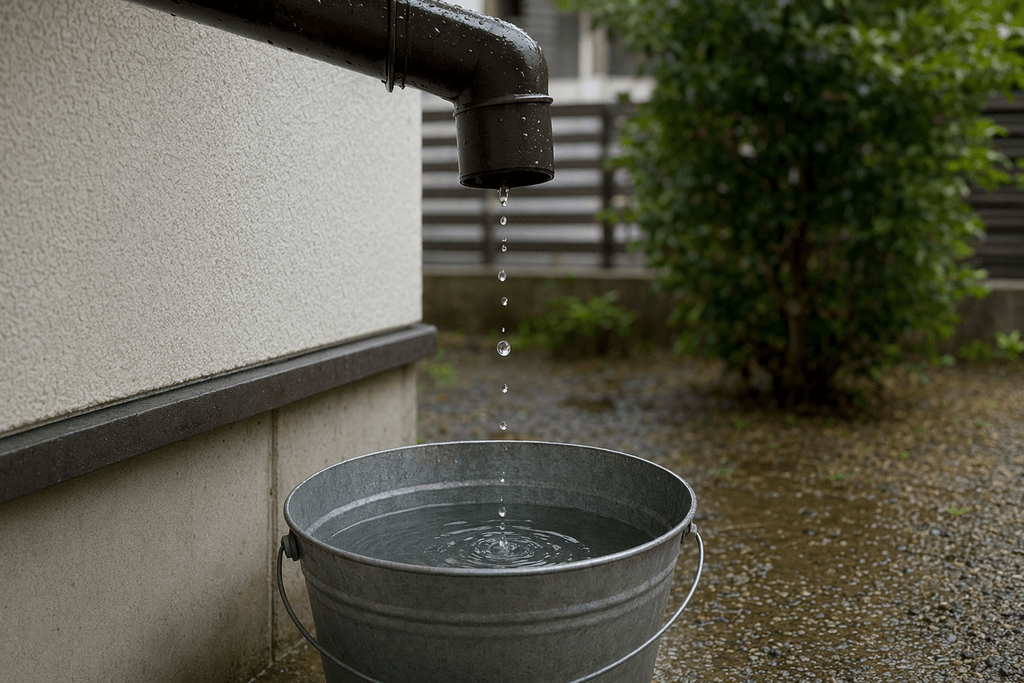
垂れる
menjuntai / menetes
垂れる
menjuntai / menetes
Explanation
垂れる
menjuntai / menetes
垂れる
menetes atau bocor / menggantung turun atau kendur / memberi (karunia/berkah) atau melepaskan/mengeluarkan
Word Forms
The basic and commonly used forms of this verb.
Basic forms
| Form | Word form | Usage |
|---|---|---|
| Imperfective form (mizenkei) | Connects to endings such as nai, reru, and seru. | |
| Continuative form (renyokei) | Connects to endings such as masu, tai, and ta. | |
| Conclusive form (shushikei) | Ends a sentence and serves as the dictionary form. | |
| Attributive form (rentaikei) | Modifies a noun. | |
| Conditional form (kateikei) | Combines with ba to express a condition. | |
| Imperative form (meireikei) |
Alternative:
垂れよ
|
Expresses a command or instruction. |
Common forms
弾む
memantul / menjadi semarak
弾む
memantul / menjadi semarak
Explanation
弾む
memantul / menjadi semarak
弾む
memantul / bersemangat / berfoya-foya
Menyaksikan bola merah yang terlepas dari tangan gadis itu memantul ringan di atas batu bulat yang tersapu hujan, dia merasakan kenangan masa kecilnya yang hilang tiba-tiba hidup kembali.

Word Forms
The basic and commonly used forms of this verb.
Basic forms
| Form | Word form | Usage |
|---|---|---|
| Imperfective form (mizenkei) |
Alternative:
弾も
|
Connects to endings such as nai, reru, and seru. |
| Continuative form (renyokei) | Connects to endings such as masu, tai, and ta. | |
| Conclusive form (shushikei) | Ends a sentence and serves as the dictionary form. | |
| Attributive form (rentaikei) | Modifies a noun. | |
| Conditional form (kateikei) | Combines with ba to express a condition. | |
| Imperative form (meireikei) | Expresses a command or instruction. |
Common forms
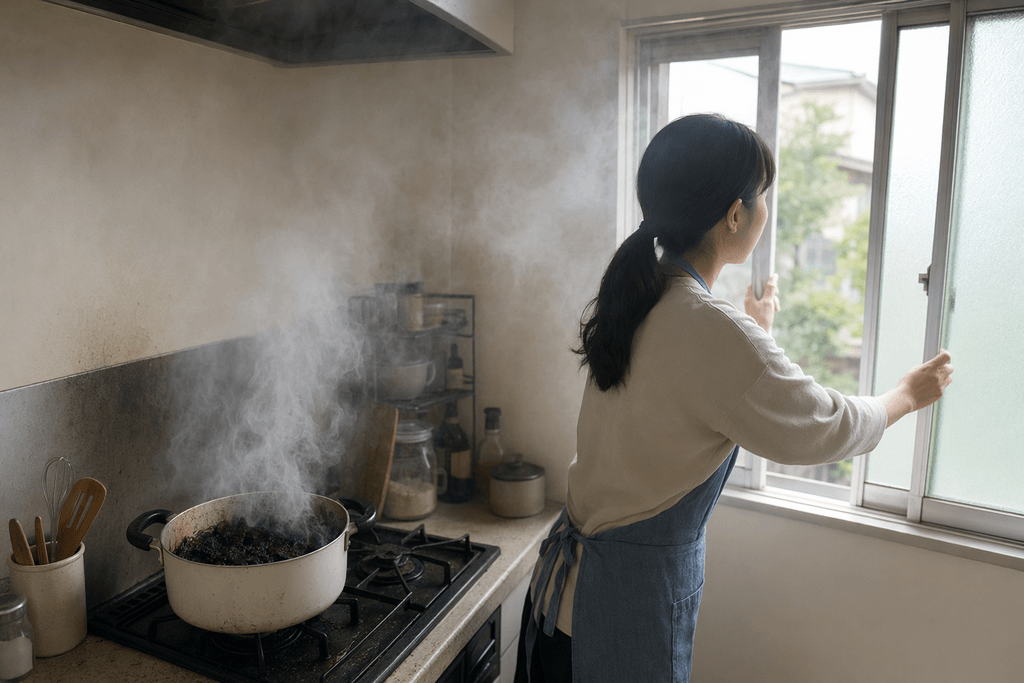
煙る
mengeluarkan asap
煙る
mengeluarkan asap
Explanation
煙る
mengeluarkan asap
煙る
mengeluarkan asap / berasap / berkabut
Word Forms
The basic and commonly used forms of this verb.
Basic forms
| Form | Word form | Usage |
|---|---|---|
| Imperfective form (mizenkei) | Connects to endings such as nai, reru, and seru. | |
| Continuative form (renyokei) | Connects to endings such as masu, tai, and ta. | |
| Conclusive form (shushikei) | Ends a sentence and serves as the dictionary form. | |
| Attributive form (rentaikei) | Modifies a noun. | |
| Conditional form (kateikei) | Combines with ba to express a condition. | |
| Imperative form (meireikei) | Expresses a command or instruction. |
Common forms
Loading...

JLPT N1 多言語単語帳・3032語 / JLPT N1 Multilingual Vocabulary: 3032 Words

Jonathan Waller 氏の JLPT Resources の語彙リスト・レベル分類を出典とし、CC BY の条件に従って DiQt が学習者向けに意味を作り直した3032語の単語帳です。JLPT公式の語彙リストではありません。
This collection of 3032 words is based on the vocabulary list and level classifications in Jonathan Waller’s JLPT Resources under CC BY, with meanings rewritten by DiQt for learners. It is not an official JLPT vocabulary list.
Key Operations
Select the first quiz:
Ctrl + Enter
View Explanation:Ctrl + G
Close a feedback:Esc
When selecting a quiz
Answer:Enter
Select a choice:↓ or ↑
Reading out the question:Ctrl + K
View Hint: Ctrl + M
I don't know: Ctrl + Y



