
JLPT N1: Latihan arti kata - Unsolved

Pelajari arti 3032 kata JLPT N1 dalam bahasa Indonesia melalui soal dengan empat pilihan jawaban.
-
terkena ruam / terpengaruh
-
mengkerut / mengempis
-
terbelit / melibatkan
-
berkas
-
aspirasi
-
pendaratan di pantai
-
sisi berhadapan
-
konversi
-
pemutaran film
-
menempatkan dengan tetap
-
memburu-buru
-
merangkai bunga
-
penuturan lisan
-
kerusuhan
-
teknik rekayasa
-
kemunduran akibat usia
-
pengekangan
-
bola tradisional
-
pengendapan
-
ujung akhir
-
kekuatan tempur
-
mampu menjalankan tugas
-
lulus ujian
-
mengungguli
-
keramahan
-
orbit / rel kereta
-
pembohong
-
lolos
-
menjadi rumit
-
meratapi
かさばる
memakan tempat
かさばる
memakan tempat
Explanation
memakan tempat
かさばる
memakan banyak tempat / besar/tebal sehingga merepotkan untuk dibawa / menjadi banyak/berjumlah besar
Saat melakukan perjalanan bisnis jauh ke luar negeri, materi yang sangat rahasia harus didigitalkan, dan membawa dokumen besar harus dijaga seminimal mungkin.

Word Forms
The basic and commonly used forms of this verb.
Basic forms
| Form | Word form | Usage |
|---|---|---|
| Imperfective form (mizenkei) |
Alternative:
かさばろ
|
Connects to endings such as nai, reru, and seru. |
| Continuative form (renyokei) |
Alternative:
かさばっ
|
Connects to endings such as masu, tai, and ta. |
| Conclusive form (shushikei) | Ends a sentence and serves as the dictionary form. | |
| Attributive form (rentaikei) | Modifies a noun. | |
| Conditional form (kateikei) | Combines with ba to express a condition. | |
| Imperative form (meireikei) | Expresses a command or instruction. |
Common forms
素材
bahan mentah / bahan cerita
素材
bahan mentah / bahan cerita
Explanation
素材
bahan mentah / bahan cerita
素材
bahan; bahan baku / materi untuk membuat sesuatu (mis. makanan, halaman web, karya seni) / bahan untuk penulisan atau penyusunan dokumen
Untuk menyeimbangkan keselamatan dan daya ekspresif, penting untuk menyeleksi material secara cermat sesuai用途 serta merancang dengan mempertimbangkan hingga proses pengolahan.

( Base form )
( romanization )
( hiragana )
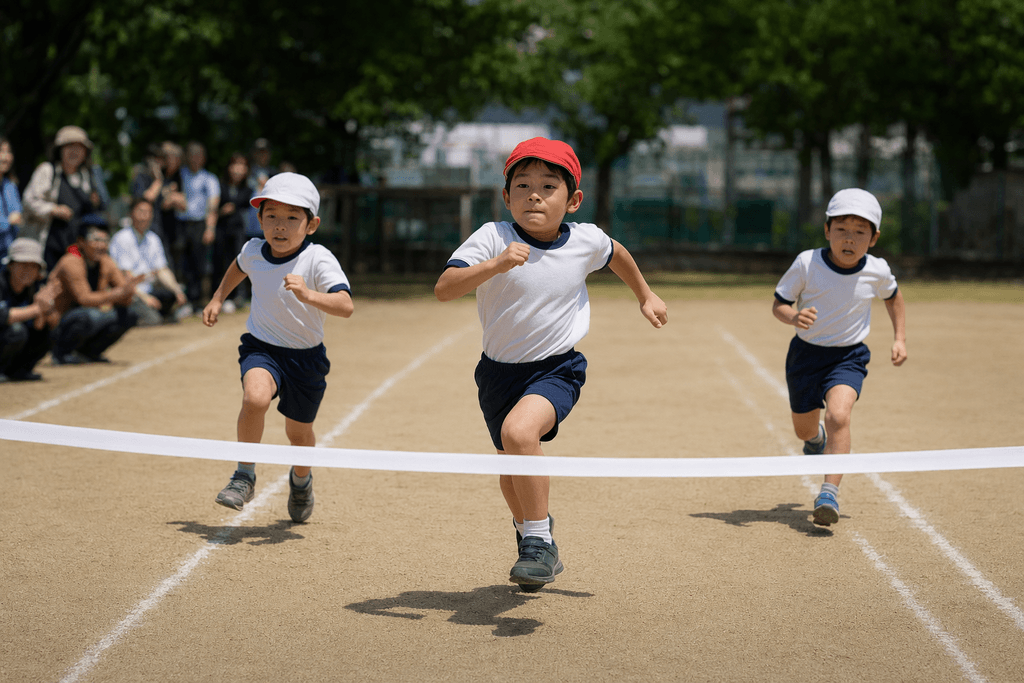
かけっこ
lomba lari
かけっこ
lomba lari
Explanation
lomba lari
かけっこ
perlombaan lari anak-anak / adu lari / lari cepat anak-anak
( romanization )
呼び止める
memanggil agar berhenti
呼び止める
memanggil agar berhenti
Explanation
呼び止める
memanggil agar berhenti
呼び止める
memanggil seseorang untuk berhenti / mencegat seseorang dengan memanggilnya / menahan seseorang dengan memanggilnya

Word Forms
The basic and commonly used forms of this verb.
Basic forms
| Form | Word form | Usage |
|---|---|---|
| Imperfective form (mizenkei) | Connects to endings such as nai, reru, and seru. | |
| Continuative form (renyokei) | Connects to endings such as masu, tai, and ta. | |
| Conclusive form (shushikei) | Ends a sentence and serves as the dictionary form. | |
| Attributive form (rentaikei) | Modifies a noun. | |
| Conditional form (kateikei) | Combines with ba to express a condition. | |
| Imperative form (meireikei) |
Alternative:
呼び止めよ
|
Expresses a command or instruction. |
Common forms
規定
peraturan / ketentuan
規定
peraturan / ketentuan
Explanation
規定
peraturan / ketentuan
規定
ketentuan / peraturan

( Base form )
( romanization )
( hiragana )
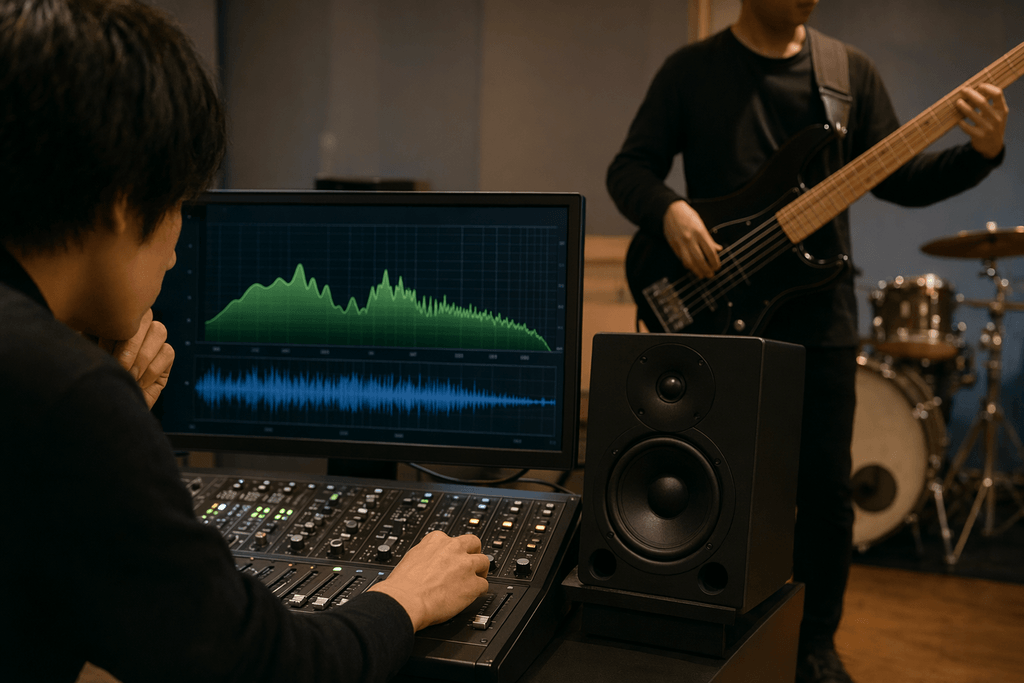
ベース
basis / bas
ベース
basis / bas
Explanation
basis / bas
ベース
rentang nada rendah dalam musik / gitar bas (instrumen musik)
Semakin padat sebuah mix, semakin mudah rentang frekuensi bass berinterferensi dengan instrumen lain, jadi saya meninjau ulang fase dan sidechain untuk memastikan kontur low-end tetap jelas.
( romanization )
腹立ち
kekesalan
腹立ち
kekesalan
Explanation
腹立ち
kekesalan
腹立ち
kemarahan / amarah / rasa kesal

( Base form )
( romanization )
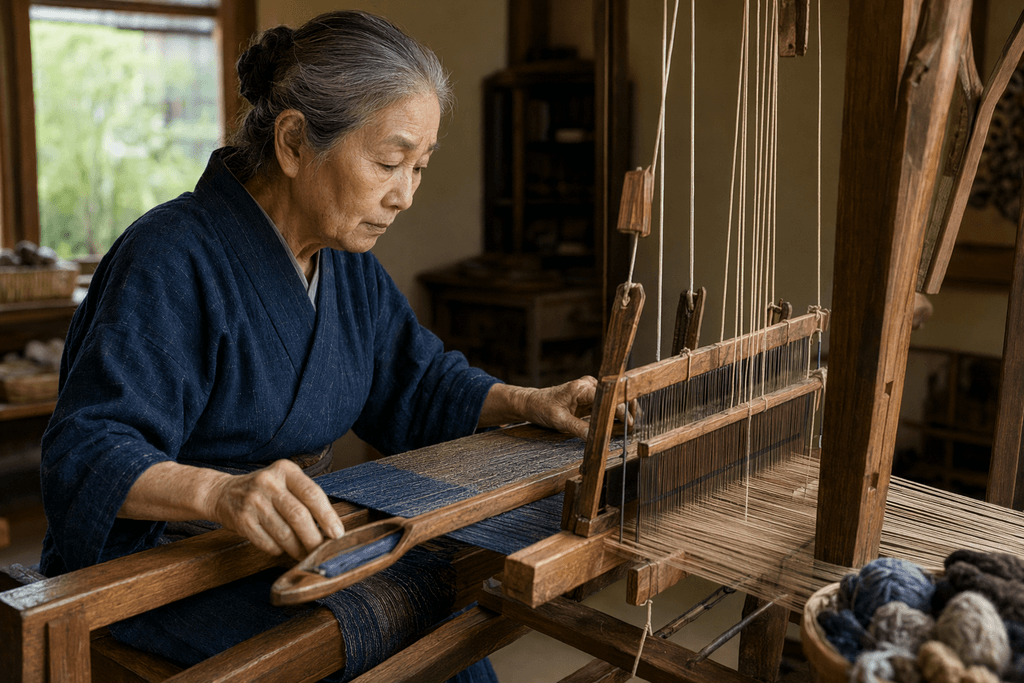
織る
menenun
織る
menenun
Explanation
織る
menenun
織る
menenun / menganyam
Word Forms
The basic and commonly used forms of this verb.
Basic forms
| Form | Word form | Usage |
|---|---|---|
| Imperfective form (mizenkei) |
Alternative:
織ろ
|
Connects to endings such as nai, reru, and seru. |
| Continuative form (renyokei) | Connects to endings such as masu, tai, and ta. | |
| Conclusive form (shushikei) | Ends a sentence and serves as the dictionary form. | |
| Attributive form (rentaikei) | Modifies a noun. | |
| Conditional form (kateikei) | Combines with ba to express a condition. | |
| Imperative form (meireikei) | Expresses a command or instruction. |
Common forms
資金
dana
資金
dana
Explanation
資金
dana
資金
dana / modal

( Base form )
( romanization )
( hiragana )
仕入れる
membeli stok dagangan
仕入れる
membeli stok dagangan
Explanation
仕入れる
membeli stok dagangan
仕入れる
menyetok barang / mengadakan persediaan / membeli barang untuk dijual lagi

Word Forms
The basic and commonly used forms of this verb.
Basic forms
| Form | Word form | Usage |
|---|---|---|
| Imperfective form (mizenkei) | Connects to endings such as nai, reru, and seru. | |
| Continuative form (renyokei) | Connects to endings such as masu, tai, and ta. | |
| Conclusive form (shushikei) | Ends a sentence and serves as the dictionary form. | |
| Attributive form (rentaikei) | Modifies a noun. | |
| Conditional form (kateikei) | Combines with ba to express a condition. | |
| Imperative form (meireikei) |
Alternative:
仕入れよ
|
Expresses a command or instruction. |
Common forms
Loading...

JLPT N1 多言語単語帳・3032語 / JLPT N1 Multilingual Vocabulary: 3032 Words

Jonathan Waller 氏の JLPT Resources の語彙リスト・レベル分類を出典とし、CC BY の条件に従って DiQt が学習者向けに意味を作り直した3032語の単語帳です。JLPT公式の語彙リストではありません。
This collection of 3032 words is based on the vocabulary list and level classifications in Jonathan Waller’s JLPT Resources under CC BY, with meanings rewritten by DiQt for learners. It is not an official JLPT vocabulary list.
Key Operations
Select the first quiz:
Ctrl + Enter
View Explanation:Ctrl + G
Close a feedback:Esc
When selecting a quiz
Answer:Enter
Select a choice:↓ or ↑
Reading out the question:Ctrl + K
View Hint: Ctrl + M
I don't know: Ctrl + Y



