
JLPT N1 어휘 뜻 4지선다 - Unsolved

4지선다 문제로 JLPT N1 어휘 3032개의 뜻을 한국어로 익힙니다.
-
질투
-
이별
-
현행의
-
관습
-
금물
-
예언
-
증진
-
종사
-
판화
-
질투하다
-
명심하다 / 힘쓰다
-
일으키다
-
하사받다 / 하사하다
-
조사하다
-
신음하다 / 으르렁거리다
-
레슨
-
탈출
-
의욕
-
다스
-
최선 / 조끼
-
산악
-
중히 여기다
-
완화하다
-
내던지다 / 내팽개치다
-
아쉽다
-
평평하다 / 평이하다
-
엄청나게 많다
- 「だるい」の漢字表記・異表記。
-
시기적절하다 / 적시타
-
연일
-
독자
出産
출산
出産
출산
Explanation
出産
출산
出産
아이를 낳는 일 / 분만 / (의학) 생식

( Base form )
( romanization )
( kyūjitai )
( hiragana )
必修
필수 과목
必修
필수 과목
Explanation
必修
필수 과목
必修
필수 과목 / 반드시 배워야 하는 것 / 필수 학습

( Base form )
( romanization )
( hiragana )
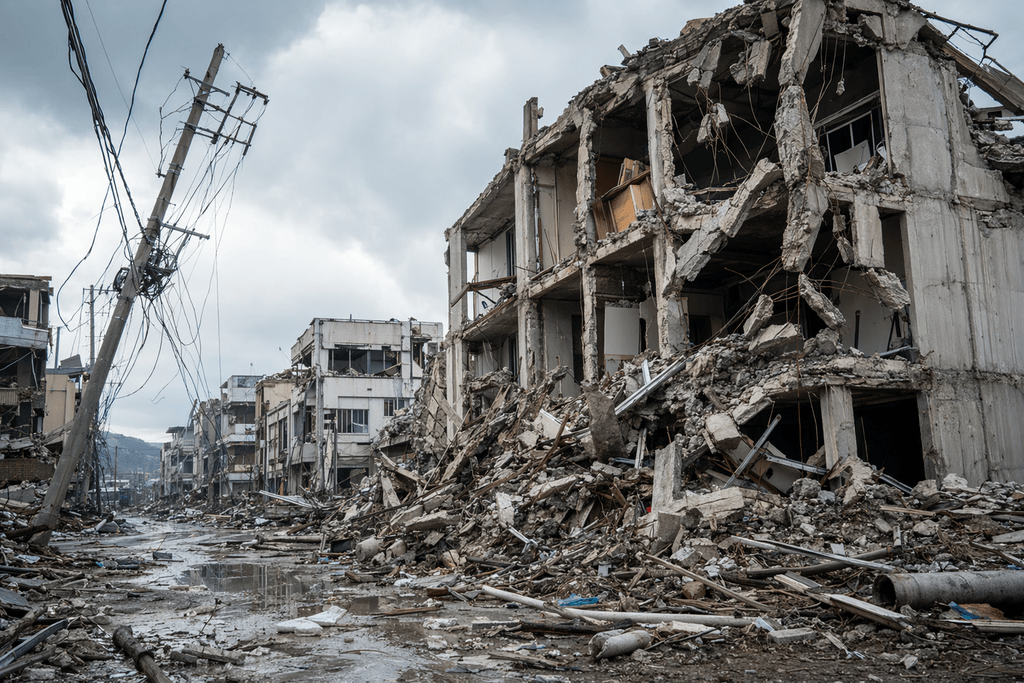
破壊
파괴
破壊
파괴
Explanation
破壊
파괴
破壊
파괴 / 붕괴 / 해체
( Base form )
( romanization )
( romanization )
( kyūjitai )
( hiragana historical )
( hiragana )
据える
놓다 / 앉히다
据える
놓다 / 앉히다
Explanation
据える
놓다 / 앉히다
据える
단단히 놓다·고정시키다 / 토대를 마련하다·자리를 잡다·마음·시선을 고정하다 / (사람을) 앉히다·도장을 찍다·뜸을 뜨다·(새 등이) 앉다

Word Forms
The basic and commonly used forms of this verb.
Basic forms
| Form | Word form | Usage |
|---|---|---|
| Imperfective form (mizenkei) | Connects to endings such as nai, reru, and seru. | |
| Continuative form (renyokei) | Connects to endings such as masu, tai, and ta. | |
| Conclusive form (shushikei) | Ends a sentence and serves as the dictionary form. | |
| Attributive form (rentaikei) | Modifies a noun. | |
| Conditional form (kateikei) | Combines with ba to express a condition. | |
| Imperative form (meireikei) |
Alternative:
据えよ
|
Expresses a command or instruction. |
Common forms
抜け出す
빠져나오다 / 벗어나다
抜け出す
빠져나오다 / 벗어나다
Explanation
抜け出す
빠져나오다 / 벗어나다
抜け出す
몰래 빠져나가다 / 불리한 상황에서 벗어나다

Word Forms
The basic and commonly used forms of this verb.
Basic forms
| Form | Word form | Usage |
|---|---|---|
| Imperfective form (mizenkei) |
Alternative:
抜け出そ
|
Connects to endings such as nai, reru, and seru. |
| Continuative form (renyokei) | Connects to endings such as masu, tai, and ta. | |
| Conclusive form (shushikei) | Ends a sentence and serves as the dictionary form. | |
| Attributive form (rentaikei) | Modifies a noun. | |
| Conditional form (kateikei) | Combines with ba to express a condition. | |
| Imperative form (meireikei) | Expresses a command or instruction. |
Common forms
唾
침
唾
침
Explanation
唾
침
唾
침 / 타액 / 침(을 뱉은 것)

( romanization )
( hiragana )
雨天
우천
雨天
우천
Explanation
雨天
우천
雨天
우천 / 비 오는 날씨 / 비 오는 날

( Base form )
( romanization )
( hiragana )
役立つ
도움이 되다
役立つ
도움이 되다
Explanation
役立つ
도움이 되다
役立つ
쓸모가 있다 / 도움이 되다 / 유익하다

Word Forms
The basic and commonly used forms of this verb.
Basic forms
| Form | Word form | Usage |
|---|---|---|
| Imperfective form (mizenkei) |
Alternative:
役立と
|
Connects to endings such as nai, reru, and seru. |
| Continuative form (renyokei) | Connects to endings such as masu, tai, and ta. | |
| Conclusive form (shushikei) | Ends a sentence and serves as the dictionary form. | |
| Attributive form (rentaikei) | Modifies a noun. | |
| Conditional form (kateikei) | Combines with ba to express a condition. | |
| Imperative form (meireikei) | Expresses a command or instruction. |
Common forms
怠い
나른하다
怠い
나른하다
Explanation
怠い
나른하다
怠い
나른하고 힘이 없는 / 몸이 무겁고 피곤한 / 귀찮고 성가신

Word Forms
The basic and commonly used forms of this adjective.
Basic forms
| Form | Word form | Usage |
|---|---|---|
| Imperfective form (mizenkei) | Used in forms such as karou; mainly literary. | |
| Continuative form (renyokei) |
Alternative:
怠かっ
|
Used in forms such as kute and kunai. |
| Conclusive form (shushikei) | Ends a sentence. | |
| Attributive form (rentaikei) | Modifies a noun. | |
| Conditional form (kateikei) | Expresses a condition with kereba. | |
| Imperative form (meireikei) | Rarely used in modern Japanese. |
Common forms
| Form | Word form | Usage |
|---|---|---|
| Te-form | Connects clauses with kute. | |
| Ta-form | Expresses the past with katta. | |
| Nai-form | Expresses negation with kunai. | |
| Ba-form | Expresses a condition with kereba. |
Notes
ストライキ
파업
ストライキ
파업
Explanation
파업
ストライキ
파업; 노동자가 임금·근로조건 등을 위해 집단적으로 작업을 중지하는 행위 / 동맹휴학; 학생들이 수업과 시험을 집단적으로 거부하는 행동

( romanization )
Loading...

JLPT N1 多言語単語帳・3032語 / JLPT N1 Multilingual Vocabulary: 3032 Words

Jonathan Waller 氏の JLPT Resources の語彙リスト・レベル分類を出典とし、CC BY の条件に従って DiQt が学習者向けに意味を作り直した3032語の単語帳です。JLPT公式の語彙リストではありません。
This collection of 3032 words is based on the vocabulary list and level classifications in Jonathan Waller’s JLPT Resources under CC BY, with meanings rewritten by DiQt for learners. It is not an official JLPT vocabulary list.
Key Operations
Select the first quiz:
Ctrl + Enter
View Explanation:Ctrl + G
Close a feedback:Esc
When selecting a quiz
Answer:Enter
Select a choice:↓ or ↑
Reading out the question:Ctrl + K
View Hint: Ctrl + M
I don't know: Ctrl + Y



