
JLPT N1 어휘 뜻 4지선다 - Unsolved

4지선다 문제로 JLPT N1 어휘 3032개의 뜻을 한국어로 익힙니다.
-
절벽
-
과제 / 문제
-
잡화
-
장난감
-
착오
-
권고
-
화폐
-
표어
-
맑은 날씨
-
간결함
-
필수 과목
-
기혼
-
건재하다
-
성실하다
-
매우 길다
-
구매
-
체격
-
경연 대회
-
고상한 / 고귀한
-
경로
-
확보
-
귀중한 물건
-
본보기
-
이성
-
강경하다
-
낭만적이다
-
국제적이다
-
간이
-
노란색
-
가냘프다 / 날씬하다
利息
이자
利息
이자
Explanation
利息
이자
利息
이자 / 원금에 대해 금리로 계산되어 기간에 따라 발생하는 금액

( Base form )
( romanization )
( hiragana )
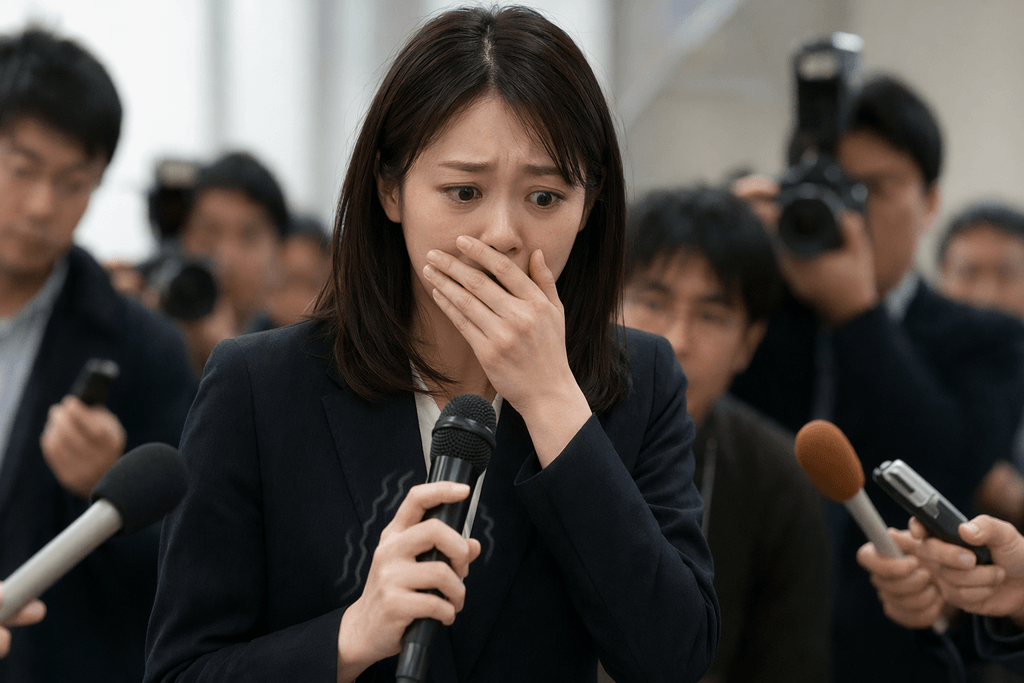
動揺
동요 / 흔들림
動揺
동요 / 흔들림
Explanation
動揺
동요 / 흔들림
動揺
흔들림 / 마음의 동요 / 변동
( Base form )
( romanization )
( hiragana )
権限
권한
権限
권한
Explanation
権限
권한
権限
권한 / 관할권 / 직권

( Base form )
( romanization )
( kyūjitai )
( hiragana )
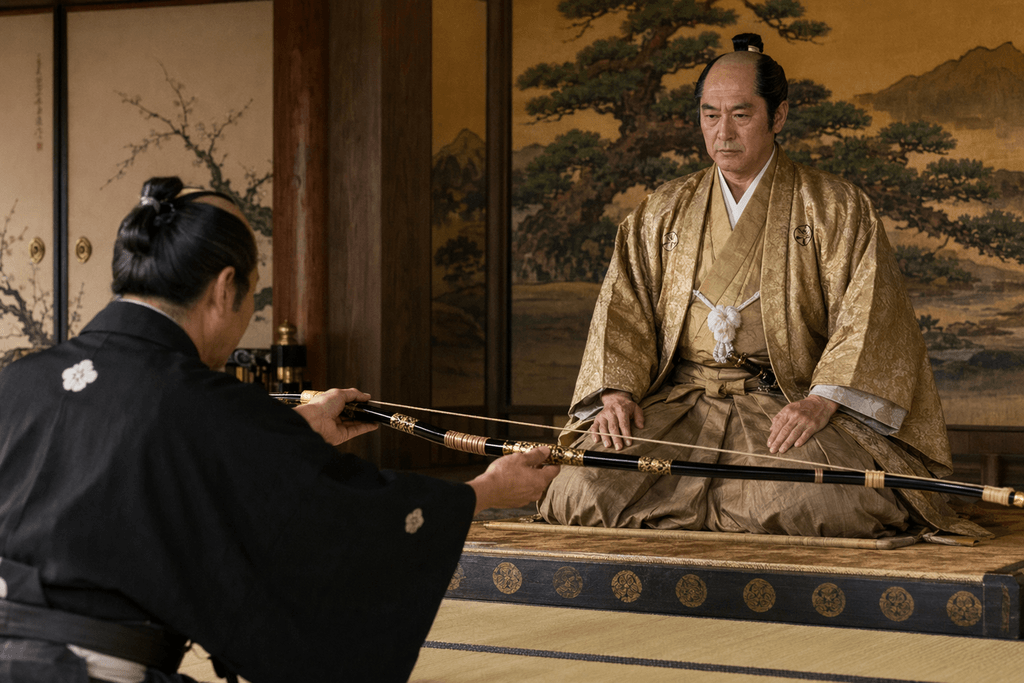
弓
활
弓
활
Explanation
弓
활
弓
(드물게·존칭) (귀족의) 활 / (문어) 궁(弓)
( romanization )
( hiragana )
痛切
절실하다
痛切
절실하다
Explanation
痛切
절실하다
痛切
몹시 절실한 / 사무치게 아픈 / 애절한

Word Forms
The basic and commonly used forms of this adjectival noun.
Basic forms
| Form | Word form | Usage |
|---|---|---|
| Imperfective form (mizenkei) | Used in forms such as darou. | |
| Continuative form (renyokei) |
Alternative:
痛切に
痛切だっ
|
Used with de or ni. |
| Conclusive form (shushikei) | Ends a sentence with da. | |
| Attributive form (rentaikei) |
Alternative:
痛切なる
|
Modifies a noun with na. |
| Conditional form (kateikei) | Expresses a condition with nara. | |
| Imperative form (meireikei) | Used in formal expressions such as de are. |
Common forms
軍服
군복
軍服
군복
Explanation
軍服
군복
軍服
군복 / 군인의 제복 / 군사용 복장

( Base form )
( romanization )
( hiragana )
転居
이사
転居
이사
Explanation
転居
이사
転居
이사 / 거주지 이전 / 주거지 변경

必然
필연
必然
필연
Explanation
必然
필연
必然
필연성 / 불가피함 / 확실성

( Base form )
( romanization )
( hiragana )
好調
상태가 좋다
好調
상태가 좋다
Explanation
好調
상태가 좋다
好調
순조로운 / 유리한 / 전망이 좋은

Word Forms
The basic and commonly used forms of this adjectival noun.
Basic forms
| Form | Word form | Usage |
|---|---|---|
| Imperfective form (mizenkei) | Used in forms such as darou. | |
| Continuative form (renyokei) |
Alternative:
好調に
|
Used with de or ni. |
| Conclusive form (shushikei) | Ends a sentence with da. | |
| Attributive form (rentaikei) | Modifies a noun with na. | |
| Conditional form (kateikei) | Expresses a condition with nara. | |
| Imperative form (meireikei) | Used in formal expressions such as de are. |
Common forms
猛烈
맹렬하다
猛烈
맹렬하다
Explanation
猛烈
맹렬하다
猛烈
맹렬한 / 격렬한 / 열렬한

Word Forms
The basic and commonly used forms of this adjectival noun.
Basic forms
| Form | Word form | Usage |
|---|---|---|
| Imperfective form (mizenkei) |
Alternative:
猛烈でしょ
|
Used in forms such as darou. |
| Continuative form (renyokei) |
Alternative:
猛烈に
|
Used with de or ni. |
| Conclusive form (shushikei) |
Alternative:
猛烈です
|
Ends a sentence with da. |
| Attributive form (rentaikei) |
Alternative:
猛烈なる
|
Modifies a noun with na. |
| Conditional form (kateikei) |
Alternative:
猛烈であれば
|
Expresses a condition with nara. |
| Imperative form (meireikei) | Used in formal expressions such as de are. |
Common forms
Loading...

JLPT N1 多言語単語帳・3032語 / JLPT N1 Multilingual Vocabulary: 3032 Words

Jonathan Waller 氏の JLPT Resources の語彙リスト・レベル分類を出典とし、CC BY の条件に従って DiQt が学習者向けに意味を作り直した3032語の単語帳です。JLPT公式の語彙リストではありません。
This collection of 3032 words is based on the vocabulary list and level classifications in Jonathan Waller’s JLPT Resources under CC BY, with meanings rewritten by DiQt for learners. It is not an official JLPT vocabulary list.
Key Operations
Select the first quiz:
Ctrl + Enter
View Explanation:Ctrl + G
Close a feedback:Esc
When selecting a quiz
Answer:Enter
Select a choice:↓ or ↑
Reading out the question:Ctrl + K
View Hint: Ctrl + M
I don't know: Ctrl + Y



