
JLPT N1 어휘 뜻 4지선다 - Unsolved

4지선다 문제로 JLPT N1 어휘 3032개의 뜻을 한국어로 익힙니다.
-
증강
-
보강
-
솔직함
-
일으키다
-
늘어서다
-
더듬다 / 길을 따라가다
-
나긋나긋하다
-
부담 없다 / 스스럼없다
-
웅대하다
- 表記は「綺麗」も一般的。
-
맛있다
-
든든하다
-
쉽다
-
권리 / 권한
-
종이 크기
-
살
-
외상
-
부양
-
몰락
-
통달한 사람 / 편지
-
제비뽑기
-
보급
-
어둠 / 암거래
-
유사
-
의사소통
-
통제
-
명부
-
젖 / 젖가슴
-
정규 멤버
-
시세
-
임명
補助
보조
補助
보조
Explanation
補助
보조
補助
보조 / 지원 / 도움

( Base form )
( romanization )
( romanization )
( hiragana historical )
( hiragana )
携わる
종사하다
携わる
종사하다
Explanation
携わる
종사하다
携わる
참여하다 / 관여하다 / 종사하다

Word Forms
The basic and commonly used forms of this verb.
Basic forms
| Form | Word form | Usage |
|---|---|---|
| Imperfective form (mizenkei) | Connects to endings such as nai, reru, and seru. | |
| Continuative form (renyokei) | Connects to endings such as masu, tai, and ta. | |
| Conclusive form (shushikei) | Ends a sentence and serves as the dictionary form. | |
| Attributive form (rentaikei) | Modifies a noun. | |
| Conditional form (kateikei) | Combines with ba to express a condition. | |
| Imperative form (meireikei) | Expresses a command or instruction. |
Common forms
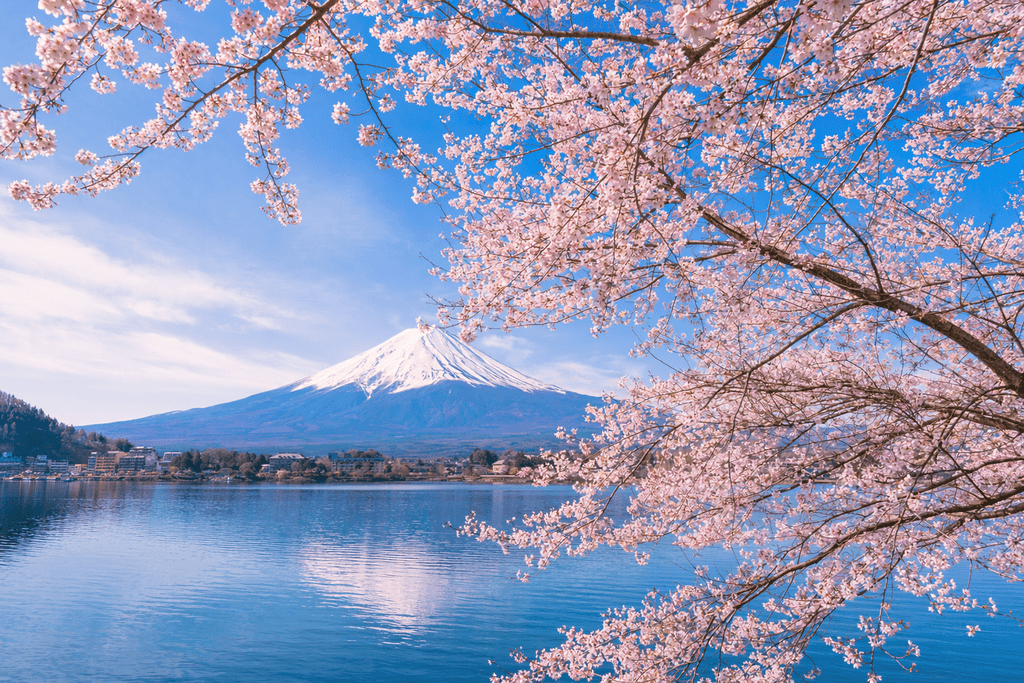
奇麗
예쁘다 / 깨끗하다
奇麗
예쁘다 / 깨끗하다
Explanation
奇麗
예쁘다 / 깨끗하다
奇麗
예쁜 / 아름다운
Word Forms
The basic and commonly used forms of this adjectival noun.
Basic forms
| Form | Word form | Usage |
|---|---|---|
| Imperfective form (mizenkei) | Used in forms such as darou. | |
| Continuative form (renyokei) |
Alternative:
奇麗に
奇麗だっ
|
Used with de or ni. |
| Conclusive form (shushikei) | Ends a sentence with da. | |
| Attributive form (rentaikei) | Modifies a noun with na. | |
| Conditional form (kateikei) | Expresses a condition with nara. | |
| Imperative form (meireikei) | Used in formal expressions such as de are. |
Common forms
| Form | Word form | Usage |
|---|---|---|
| Te-form equivalent | Connects clauses using de. | |
| Ta-form | Expresses the past with datta. | |
| Nai-form |
Alternative:
奇麗じゃない
|
Expresses negation with dewa nai or ja nai. |
| Desu-form | Used for polite speech. |
Notes
久しい
오래되다
久しい
오래되다
Explanation
久しい
오래되다
久しい
오래된 / 오랜 시간이 지난 / 오래간만의

Word Forms
The basic and commonly used forms of this adjective.
Basic forms
| Form | Word form | Usage |
|---|---|---|
| Imperfective form (mizenkei) | Used in forms such as karou; mainly literary. | |
| Continuative form (renyokei) |
Alternative:
久しかっ
|
Used in forms such as kute and kunai. |
| Conclusive form (shushikei) | Ends a sentence. | |
| Attributive form (rentaikei) | Modifies a noun. | |
| Conditional form (kateikei) | Expresses a condition with kereba. | |
| Imperative form (meireikei) | Rarely used in modern Japanese. |
Common forms
さん
씨 / 님
さん
씨 / 님
Explanation
씨 / 님
さん
사람 이름(이름·성) 뒤에 붙이는 경칭 접미사(‘씨’, ‘님’에 해당) / 직업명·직함·회사명 뒤에 붙이는 경칭 / (구어) 가게 이름 뒤에 붙이는 접미사

( romanization )
持ち
소유 / 내구성
持ち
소유 / 내구성
Explanation
持ち
소유 / 내구성
持ち
(손에) 쥐고 있음, 들고 있음 / 소유, 보유 / (물건의) 내구성, 오래감

( Base form )
( romanization )
設定
설정 / 환경 설정
設定
설정 / 환경 설정
Explanation
設定
설정 / 환경 설정
設定
(장치·프로그램) 동작 조건을 정하는 항목이나 값 / 기준이나 조건을 정하여 마련함

( Base form )
( romanization )
( hiragana )
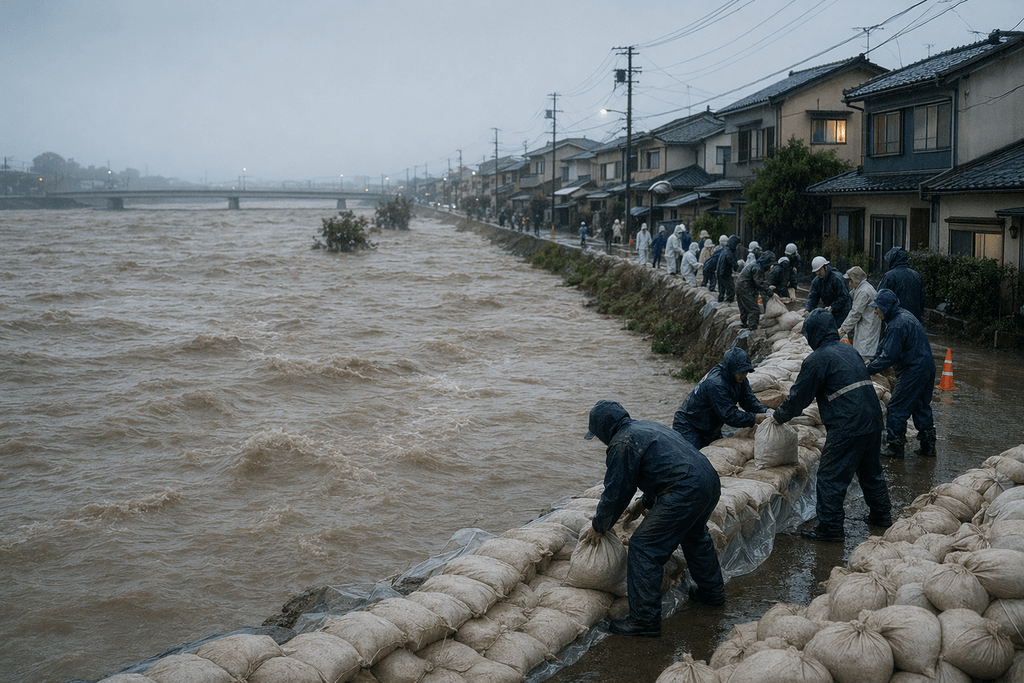
氾濫
범람
氾濫
범람
Explanation
氾濫
범람
氾濫
물이 불어나 넘쳐 흐르는 일 / 바람직하지 않은 것이 지나치게 많이 퍼지는 상태
( Base form )
( romanization )
( hiragana )
不動産
부동산
不動産
부동산
Explanation
不動産
부동산
不動産
토지와 건물 등 움직이지 않는 재산 / 부동산 산업·업계 / 부동산 자산

( Base form )
( romanization )
( kyūjitai )
( hiragana )
たきび
모닥불
たきび
모닥불
Explanation
모닥불
たきび
모닥불 / 화톳불 / 야외에서 피운 불

( romanization )
( hiragana historical )
Loading...

JLPT N1 多言語単語帳・3032語 / JLPT N1 Multilingual Vocabulary: 3032 Words

Jonathan Waller 氏の JLPT Resources の語彙リスト・レベル分類を出典とし、CC BY の条件に従って DiQt が学習者向けに意味を作り直した3032語の単語帳です。JLPT公式の語彙リストではありません。
This collection of 3032 words is based on the vocabulary list and level classifications in Jonathan Waller’s JLPT Resources under CC BY, with meanings rewritten by DiQt for learners. It is not an official JLPT vocabulary list.
Key Operations
Select the first quiz:
Ctrl + Enter
View Explanation:Ctrl + G
Close a feedback:Esc
When selecting a quiz
Answer:Enter
Select a choice:↓ or ↑
Reading out the question:Ctrl + K
View Hint: Ctrl + M
I don't know: Ctrl + Y



