
JLPT N1 어휘 뜻 4지선다 - Unsolved

4지선다 문제로 JLPT N1 어휘 3032개의 뜻을 한국어로 익힙니다.
-
사랑에 빠지다
-
두절되다
-
쇠퇴하다 / 유행에 뒤지다
-
자만
-
밀도
-
활
-
맑은 날씨
-
사진작가 / 촬영 기사
-
단면
-
편입하다
-
참다 / 억누르다
-
죄를 짓다 / 강간하다
- 「引き摺る」の代用表記。
-
저명하다
-
미숙하다 / 서투르다
-
능숙하다
- 「気楽」はナ形容詞(形容動詞)として用いられます。
- 連用形「気楽に」は副詞的用法です。
-
과제 / 문제
-
배경
-
착오
-
간지럽다
-
흥미롭다 / 재미있다
-
오래되다
- 「貴い」は「たっとい」のほか「とうとい」とも読まれる。
-
인기가 있다
-
전하다
-
전환하다
-
스포츠카
-
상연
-
소아과
-
본보기
-
눈 깜박임
-
매실장아찌
沈める
가라앉히다 / 잠기게 하다
沈める
가라앉히다 / 잠기게 하다
Explanation
沈める
가라앉히다 / 잠기게 하다
沈める
가라앉히다 / 잠기게 하다 / 침몰시키다

Word Forms
The basic and commonly used forms of this verb.
Basic forms
| Form | Word form | Usage |
|---|---|---|
| Imperfective form (mizenkei) | Connects to endings such as nai, reru, and seru. | |
| Continuative form (renyokei) | Connects to endings such as masu, tai, and ta. | |
| Conclusive form (shushikei) | Ends a sentence and serves as the dictionary form. | |
| Attributive form (rentaikei) | Modifies a noun. | |
| Conditional form (kateikei) | Combines with ba to express a condition. | |
| Imperative form (meireikei) |
Alternative:
沈めよ
|
Expresses a command or instruction. |
Common forms
財源
재원
財源
재원
Explanation
財源
재원
財源
자금의 원천 / 재정 자원 / 수입원

( Base form )
( romanization )
( hiragana )
同感
동감
同感
동감
Explanation
同感
동감
同感
의견이나 감정이 같음 / 남의 의견에 동의함 / 찬성함

( Base form )
( romanization )
( hiragana )
引きずる
질질 끌다 / 미련을 두다
引きずる
질질 끌다 / 미련을 두다
Explanation
引きずる
질질 끌다 / 미련을 두다
引きずる
질질 끌다 / 끌고 가다 / (과거·미련·영향 등을) 오래 끌다

Word Forms
The basic and commonly used forms of this verb.
Basic forms
| Form | Word form | Usage |
|---|---|---|
| Imperfective form (mizenkei) | Connects to endings such as nai, reru, and seru. | |
| Continuative form (renyokei) | Connects to endings such as masu, tai, and ta. | |
| Conclusive form (shushikei) | Ends a sentence and serves as the dictionary form. | |
| Attributive form (rentaikei) | Modifies a noun. | |
| Conditional form (kateikei) | Combines with ba to express a condition. | |
| Imperative form (meireikei) | Expresses a command or instruction. |
Common forms
| Form | Word form | Usage |
|---|---|---|
| Te-form | Connects clauses with te. | |
| Ta-form | Expresses the past with ta. | |
| Nai-form | Expresses negation with nai. | |
| Masu-form | Used for polite speech. | |
| Ba-form | Expresses a condition with ba. | |
| Volitional form | Expresses intention or invitation. |
Notes
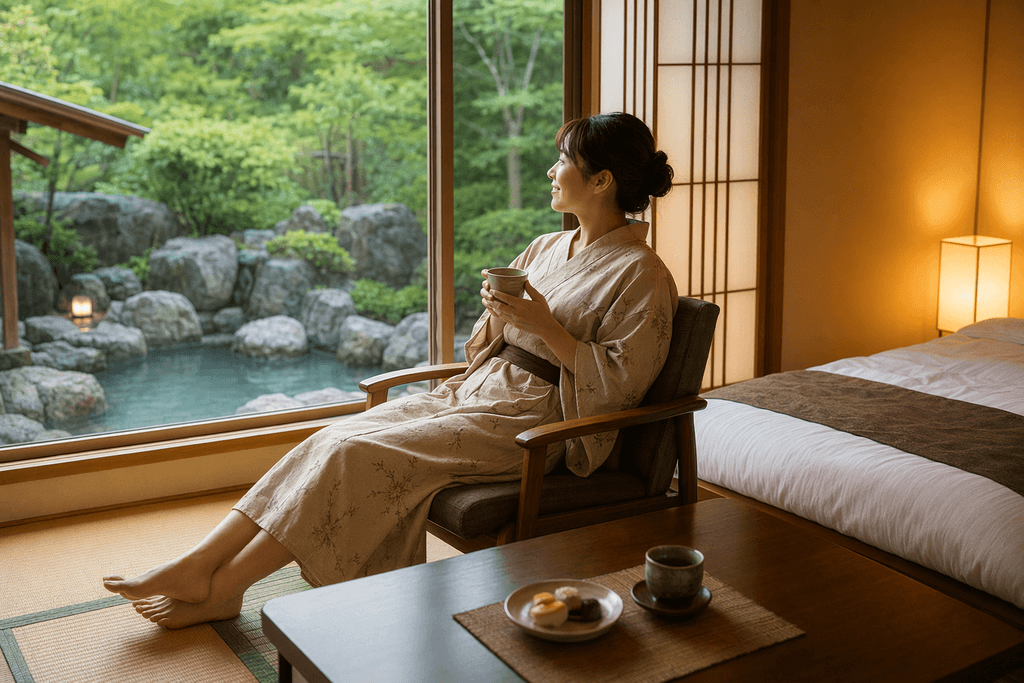
気楽
마음이 편하다
気楽
마음이 편하다
Explanation
気楽
마음이 편하다
気楽
마음이 편하고 걱정 없는 / 느긋하고 태평한 / 부담 없고 편한
Word Forms
The basic and commonly used forms of this adjectival noun.
Basic forms
| Form | Word form | Usage |
|---|---|---|
| Imperfective form (mizenkei) | Used in forms such as darou. | |
| Continuative form (renyokei) |
Alternative:
気楽に
気楽だっ
|
Used with de or ni. |
| Conclusive form (shushikei) | Ends a sentence with da. | |
| Attributive form (rentaikei) | Modifies a noun with na. | |
| Conditional form (kateikei) |
Alternative:
気楽であれば
|
Expresses a condition with nara. |
| Imperative form (meireikei) | Used in formal expressions such as de are. |
Common forms
| Form | Word form | Usage |
|---|---|---|
| Te-form equivalent | Connects clauses using de. | |
| Ta-form | Expresses the past with datta. | |
| Nai-form |
Alternative:
気楽じゃない
|
Expresses negation with dewa nai or ja nai. |
| Desu-form | Used for polite speech. |
Notes
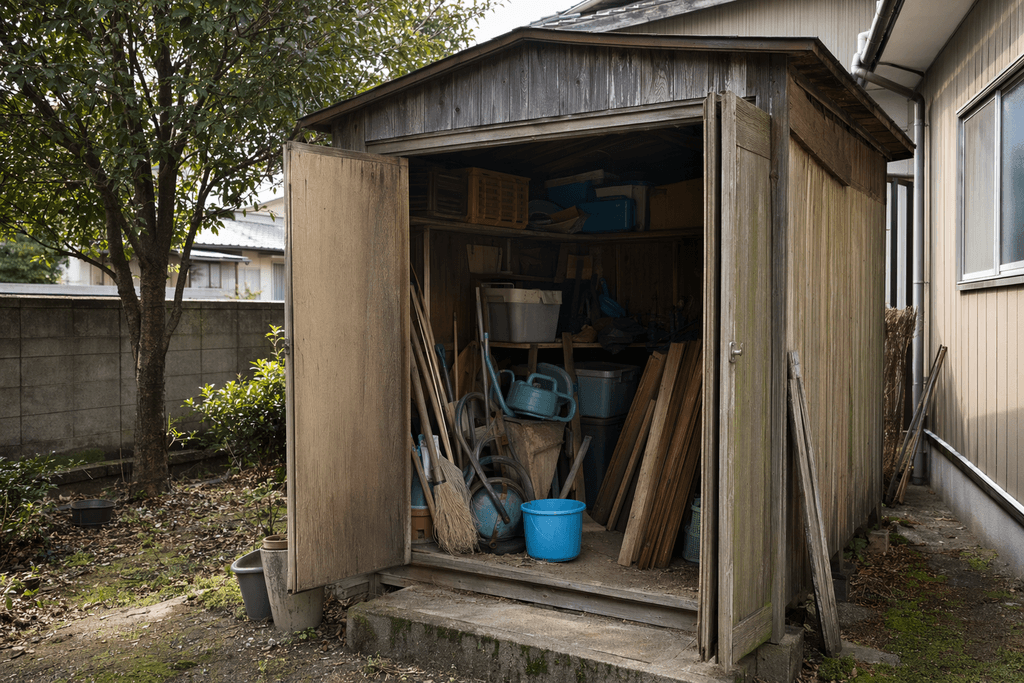
物置き
창고
物置き
창고
Explanation
物置き
창고
物置き
창고 / 물건 보관실 / 수납실
( Base form )
( romanization )
貴い
귀중하다 / 고귀하다
貴い
귀중하다 / 고귀하다
Explanation
貴い
귀중하다 / 고귀하다
貴い
고귀한 / 귀중한 / 소중한

Word Forms
The basic and commonly used forms of this adjective.
Basic forms
| Form | Word form | Usage |
|---|---|---|
| Imperfective form (mizenkei) | Used in forms such as karou; mainly literary. | |
| Continuative form (renyokei) |
Alternative:
貴かっ
|
Used in forms such as kute and kunai. |
| Conclusive form (shushikei) | Ends a sentence. | |
| Attributive form (rentaikei) | Modifies a noun. | |
| Conditional form (kateikei) | Expresses a condition with kereba. | |
| Imperative form (meireikei) | Rarely used in modern Japanese. |
Common forms
| Form | Word form | Usage |
|---|---|---|
| Te-form | Connects clauses with kute. | |
| Ta-form | Expresses the past with katta. | |
| Nai-form | Expresses negation with kunai. | |
| Ba-form | Expresses a condition with kereba. |
Notes
打ち込む
박아 넣다 / 몰두하다
打ち込む
박아 넣다 / 몰두하다
Explanation
打ち込む
박아 넣다 / 몰두하다
打ち込む
세게 박거나 치거나 쏘아 넣다 / 데이터를 입력하다 / (일·취미 등에) 몰두하다, 전념하다

Word Forms
The basic and commonly used forms of this verb.
Basic forms
| Form | Word form | Usage |
|---|---|---|
| Imperfective form (mizenkei) |
Alternative:
打ち込も
|
Connects to endings such as nai, reru, and seru. |
| Continuative form (renyokei) | Connects to endings such as masu, tai, and ta. | |
| Conclusive form (shushikei) | Ends a sentence and serves as the dictionary form. | |
| Attributive form (rentaikei) | Modifies a noun. | |
| Conditional form (kateikei) | Combines with ba to express a condition. | |
| Imperative form (meireikei) | Expresses a command or instruction. |
Common forms
融資
융자
融資
융자
Explanation
融資
융자
融資
융자 / 대출 / 자금 조달

( Base form )
( romanization )
( hiragana )
奇数
홀수
奇数
홀수
Explanation
奇数
홀수
奇数
홀수 / 2로 나누어 떨어지지 않는 정수

( Base form )
( romanization )
( kyūjitai )
( hiragana )
Loading...

JLPT N1 多言語単語帳・3032語 / JLPT N1 Multilingual Vocabulary: 3032 Words

Jonathan Waller 氏の JLPT Resources の語彙リスト・レベル分類を出典とし、CC BY の条件に従って DiQt が学習者向けに意味を作り直した3032語の単語帳です。JLPT公式の語彙リストではありません。
This collection of 3032 words is based on the vocabulary list and level classifications in Jonathan Waller’s JLPT Resources under CC BY, with meanings rewritten by DiQt for learners. It is not an official JLPT vocabulary list.
Key Operations
Select the first quiz:
Ctrl + Enter
View Explanation:Ctrl + G
Close a feedback:Esc
When selecting a quiz
Answer:Enter
Select a choice:↓ or ↑
Reading out the question:Ctrl + K
View Hint: Ctrl + M
I don't know: Ctrl + Y



