
JLPT N1 어휘 뜻 4지선다 - Unsolved

4지선다 문제로 JLPT N1 어휘 3032개의 뜻을 한국어로 익힙니다.
-
항복
-
수동성 / 수동태
-
호의
-
들어가다 / 가라앉다
-
따라가다
-
만지작거리다 / 함부로 손대다
- 「要する(ようする)」はサ変動詞。意味は「必要とする・要る」。
-
덧붙이다
-
관통하다 / 관철하다
-
이끌다
-
도매상
-
거품 찌꺼기 / 떫은맛
-
모금
-
하천
-
사전 교섭
-
공용
-
식장
-
인민
-
엉망
-
배열
-
장식
-
실비
-
결부되다
-
마련하다
-
수반하다
- 「明かす」は「明らかにする」「夜を過ごす」のいずれの意味でも同じ活用です。
-
주임
-
감점
-
번개
-
단호히 / 월등히
-
늦어도
-
꼭 맞게
新婚
신혼
新婚
신혼
Explanation
新婚
신혼
新婚
결혼한 지 얼마 안 된 상태 / 갓 결혼함 / 신혼 부부의 상태

( Base form )
( romanization )
( hiragana )
要する
필요로 하다
要する
필요로 하다
Explanation
要する
필요로 하다
要する
필요로 하다 / 요하다 / 요약하다

Word Forms
The basic and commonly used forms of this verb.
Basic forms
| Form | Word form | Usage |
|---|---|---|
| Imperfective form (mizenkei) |
Alternative:
要せ
要さ
|
Connects to endings such as nai, reru, and seru. |
| Continuative form (renyokei) | Connects to endings such as masu, tai, and ta. | |
| Conclusive form (shushikei) | Ends a sentence and serves as the dictionary form. | |
| Attributive form (rentaikei) | Modifies a noun. | |
| Conditional form (kateikei) | Combines with ba to express a condition. | |
| Imperative form (meireikei) |
Alternative:
要せよ
|
Expresses a command or instruction. |
Common forms
| Form | Word form | Usage |
|---|---|---|
| Te-form | Connects clauses with te. | |
| Ta-form | Expresses the past with ta. | |
| Nai-form | Expresses negation with nai. | |
| Masu-form | Used for polite speech. | |
| Ba-form | Expresses a condition with ba. | |
| Volitional form | Expresses intention or invitation. |
Notes
取り立てる
빚을 받아내다 / 발탁하다
取り立てる
빚을 받아내다 / 발탁하다
Explanation
取り立てる
빚을 받아내다 / 발탁하다
取り立てる
(빚·세금 등을) 징수하다 / (사람을) 발탁하다 / 특별히 내세우다

Word Forms
The basic and commonly used forms of this verb.
Basic forms
| Form | Word form | Usage |
|---|---|---|
| Imperfective form (mizenkei) | Connects to endings such as nai, reru, and seru. | |
| Continuative form (renyokei) | Connects to endings such as masu, tai, and ta. | |
| Conclusive form (shushikei) | Ends a sentence and serves as the dictionary form. | |
| Attributive form (rentaikei) | Modifies a noun. | |
| Conditional form (kateikei) | Combines with ba to express a condition. | |
| Imperative form (meireikei) |
Alternative:
取り立てよ
|
Expresses a command or instruction. |
Common forms
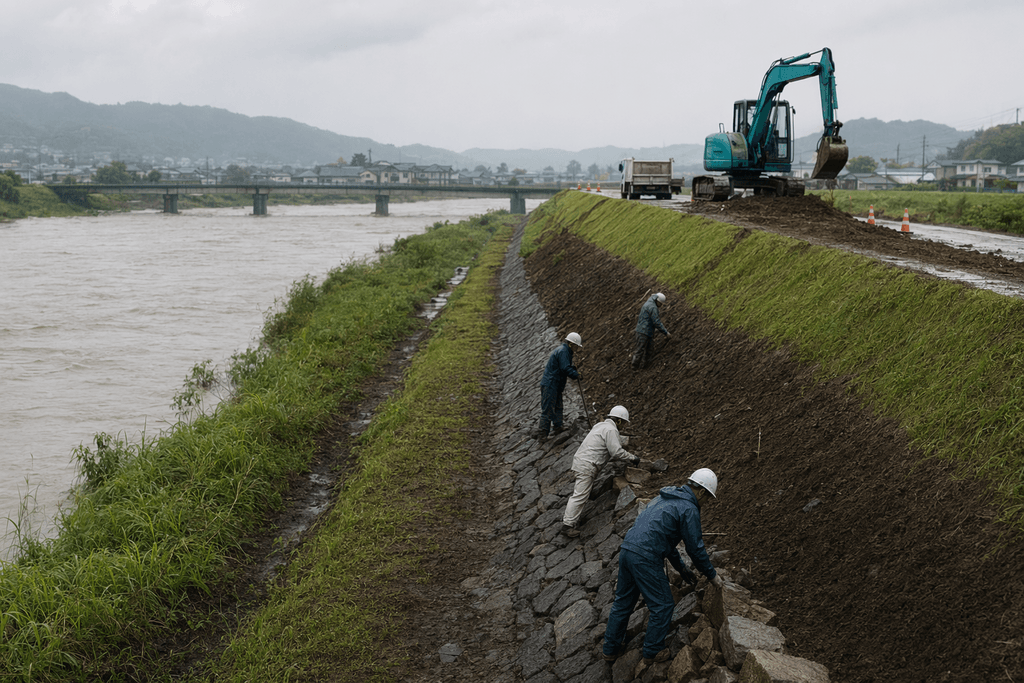
土手
둑
土手
둑
Explanation
土手
둑
土手
둑, 제방 / 참치 등의 등살 두툼한 조각 / 빠진 치아 자리를 둘러싼 잇몸
( Base form )
( romanization )
( hiragana )
同等
동등함
同等
동등함
Explanation
同等
동등함
同等
지위·가치·자격 등이 서로 같음 / 같은 등급이나 수준 / 대등함

( Base form )
( romanization )
( hiragana )
根気
끈기
根気
끈기
Explanation
根気
끈기
根気
끈기 / 인내심 / 참을성

( Base form )
( romanization )
( kyūjitai )
( hiragana )
画
획
画
획
Explanation
画
획
画
경계, 구획 / 구분선, 한계점 / 계획, 전략

( romanization )
( kyūjitai )
( hiragana )
明かす
밝히다 / 밤을 새우다
明かす
밝히다 / 밤을 새우다
Explanation
明かす
밝히다 / 밤을 새우다
明かす
밝히다, 드러내다 / 밤을 새다
Word Forms
The basic and commonly used forms of this verb.
Basic forms
| Form | Word form | Usage |
|---|---|---|
| Imperfective form (mizenkei) |
Alternative:
明かそ
|
Connects to endings such as nai, reru, and seru. |
| Continuative form (renyokei) | Connects to endings such as masu, tai, and ta. | |
| Conclusive form (shushikei) | Ends a sentence and serves as the dictionary form. | |
| Attributive form (rentaikei) | Modifies a noun. | |
| Conditional form (kateikei) | Combines with ba to express a condition. | |
| Imperative form (meireikei) | Expresses a command or instruction. |
Common forms
| Form | Word form | Usage |
|---|---|---|
| Te-form | Connects clauses with te. | |
| Ta-form | Expresses the past with ta. | |
| Nai-form | Expresses negation with nai. | |
| Masu-form | Used for polite speech. | |
| Ba-form | Expresses a condition with ba. | |
| Volitional form | Expresses intention or invitation. |
Notes
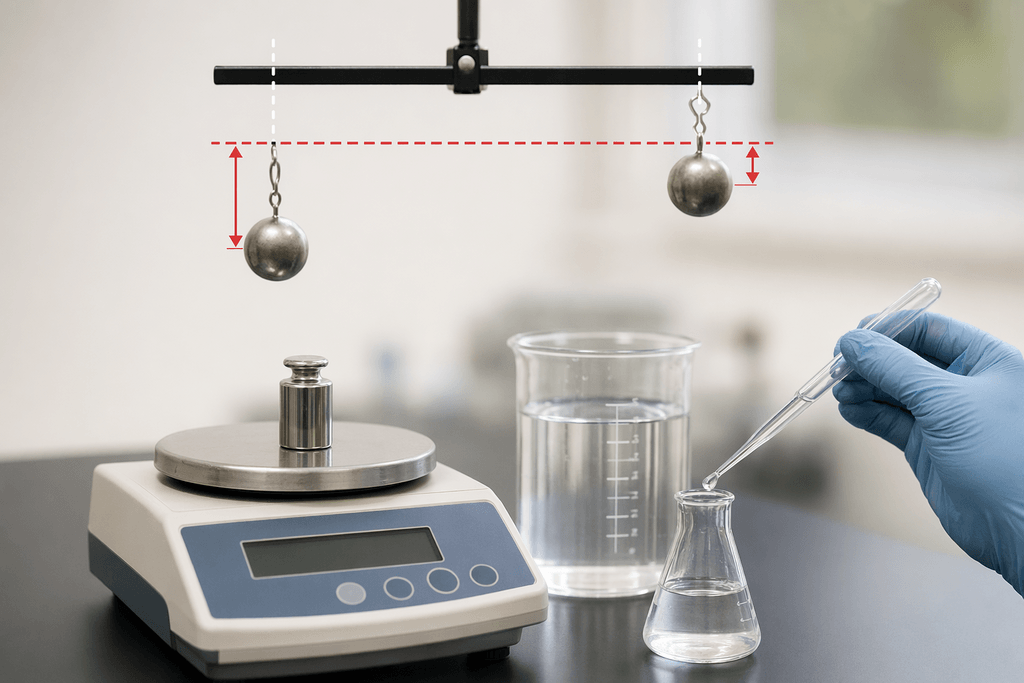
誤差
오차
誤差
오차
Explanation
誤差
오차
誤差
오차 / 측정값 또는 계산값과 참값의 차이 / 측정·계산의 부정확함을 나타내는 값
( Base form )
( romanization )
( hiragana )
取りあえず
우선
取りあえず
우선
Explanation
取りあえず
우선
取りあえず
우선 / 일단 / 당분간

( Base form )
( romanization )
( romanization )
( hiragana historical )
Loading...

JLPT N1 多言語単語帳・3032語 / JLPT N1 Multilingual Vocabulary: 3032 Words

Jonathan Waller 氏の JLPT Resources の語彙リスト・レベル分類を出典とし、CC BY の条件に従って DiQt が学習者向けに意味を作り直した3032語の単語帳です。JLPT公式の語彙リストではありません。
This collection of 3032 words is based on the vocabulary list and level classifications in Jonathan Waller’s JLPT Resources under CC BY, with meanings rewritten by DiQt for learners. It is not an official JLPT vocabulary list.
Key Operations
Select the first quiz:
Ctrl + Enter
View Explanation:Ctrl + G
Close a feedback:Esc
When selecting a quiz
Answer:Enter
Select a choice:↓ or ↑
Reading out the question:Ctrl + K
View Hint: Ctrl + M
I don't know: Ctrl + Y



