
JLPT N1 어휘 뜻 4지선다 - Unsolved

4지선다 문제로 JLPT N1 어휘 3032개의 뜻을 한국어로 익힙니다.
-
자갈
-
평상시
-
진흥
-
시세
-
대변
-
매장 자원
-
계시다 / 오시다
-
번지다 / 배어 나오다
-
기울이다 / 쏟다
-
뻣뻣해지다 / 버티다
-
넣다 / 담다
-
인수하다 / 물러가다
- 「押さえる/押える」「抑える」の表記がある。
-
타협
-
탄력
-
청진기
-
성년
-
일문
-
정렬
-
복잡하다
-
기분이 좋다
-
부족하다
-
넣다 / 담다
-
보도하다
-
결부시키다
-
반대 의견
-
규약
-
해당
-
원래
-
일률적으로
-
질질
比率
비율
比率
비율
Explanation
比率
비율
比率
비율 / 비례 / 백분율

( Base form )
( romanization )
( hiragana )
除外
제외
除外
제외
Explanation
除外
제외
除外
제외 / 배제 / 예외

( Base form )
( romanization )
( hiragana )
裂ける
갈라지다 / 찢어지다
裂ける
갈라지다 / 찢어지다
Explanation
裂ける
갈라지다 / 찢어지다
裂ける
찢어지다 / 갈라지다

Word Forms
The basic and commonly used forms of this verb.
Basic forms
| Form | Word form | Usage |
|---|---|---|
| Imperfective form (mizenkei) | Connects to endings such as nai, reru, and seru. | |
| Continuative form (renyokei) | Connects to endings such as masu, tai, and ta. | |
| Conclusive form (shushikei) | Ends a sentence and serves as the dictionary form. | |
| Attributive form (rentaikei) | Modifies a noun. | |
| Conditional form (kateikei) | Combines with ba to express a condition. | |
| Imperative form (meireikei) |
Alternative:
裂けよ
|
Expresses a command or instruction. |
Common forms
おさえる
누르다 / 억누르다
おさえる
누르다 / 억누르다
Explanation
누르다 / 억누르다
おさえる
눌러 고정하다 / 억누르다 / 억제하다

Word Forms
The basic and commonly used forms of this verb.
Basic forms
| Form | Word form | Usage |
|---|---|---|
| Imperfective form (mizenkei) | Connects to endings such as nai, reru, and seru. | |
| Continuative form (renyokei) | Connects to endings such as masu, tai, and ta. | |
| Conclusive form (shushikei) | Ends a sentence and serves as the dictionary form. | |
| Attributive form (rentaikei) | Modifies a noun. | |
| Conditional form (kateikei) | Combines with ba to express a condition. | |
| Imperative form (meireikei) |
Alternative:
おさえよ
|
Expresses a command or instruction. |
Common forms
| Form | Word form | Usage |
|---|---|---|
| Te-form | Connects clauses with te. | |
| Ta-form | Expresses the past with ta. | |
| Nai-form | Expresses negation with nai. | |
| Masu-form | Used for polite speech. | |
| Ba-form | Expresses a condition with ba. | |
| Volitional form | Expresses intention or invitation. |
Notes
窒息
질식
窒息
질식
Explanation
窒息
질식
窒息
질식 / 숨막힘

( Base form )
( romanization )
( hiragana )
左利き
왼손잡이
左利き
왼손잡이
Explanation
左利き
왼손잡이
左利き
왼손잡이 / 왼손잡이임·좌완 / 왼손을 더 잘 쓰는 사람

( Base form )
( Base form )
( romanization )
( romanization )
好ましい
호감이 가다
好ましい
호감이 가다
Explanation
好ましい
호감이 가다
好ましい
호감이 가는 / 바람직한 / (고어) 음탕한

Word Forms
The basic and commonly used forms of this adjective.
Basic forms
| Form | Word form | Usage |
|---|---|---|
| Imperfective form (mizenkei) | Used in forms such as karou; mainly literary. | |
| Continuative form (renyokei) |
Alternative:
好ましかっ
|
Used in forms such as kute and kunai. |
| Conclusive form (shushikei) | Ends a sentence. | |
| Attributive form (rentaikei) | Modifies a noun. | |
| Conditional form (kateikei) | Expresses a condition with kereba. | |
| Imperative form (meireikei) | Rarely used in modern Japanese. |
Common forms
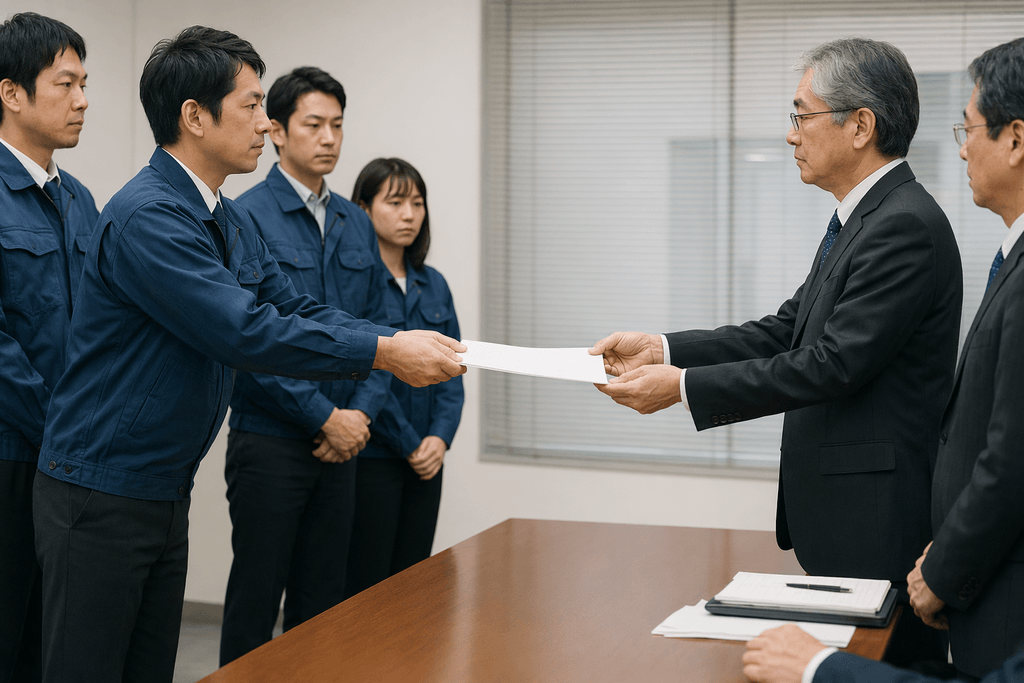
申し入れる
정식으로 요청하다
申し入れる
정식으로 요청하다
Explanation
申し入れる
정식으로 요청하다
申し入れる
제의하다 / 제안하다 / 요청하다
Word Forms
The basic and commonly used forms of this verb.
Basic forms
| Form | Word form | Usage |
|---|---|---|
| Imperfective form (mizenkei) | Connects to endings such as nai, reru, and seru. | |
| Continuative form (renyokei) | Connects to endings such as masu, tai, and ta. | |
| Conclusive form (shushikei) | Ends a sentence and serves as the dictionary form. | |
| Attributive form (rentaikei) | Modifies a noun. | |
| Conditional form (kateikei) | Combines with ba to express a condition. | |
| Imperative form (meireikei) |
Alternative:
申し入れよ
|
Expresses a command or instruction. |
Common forms
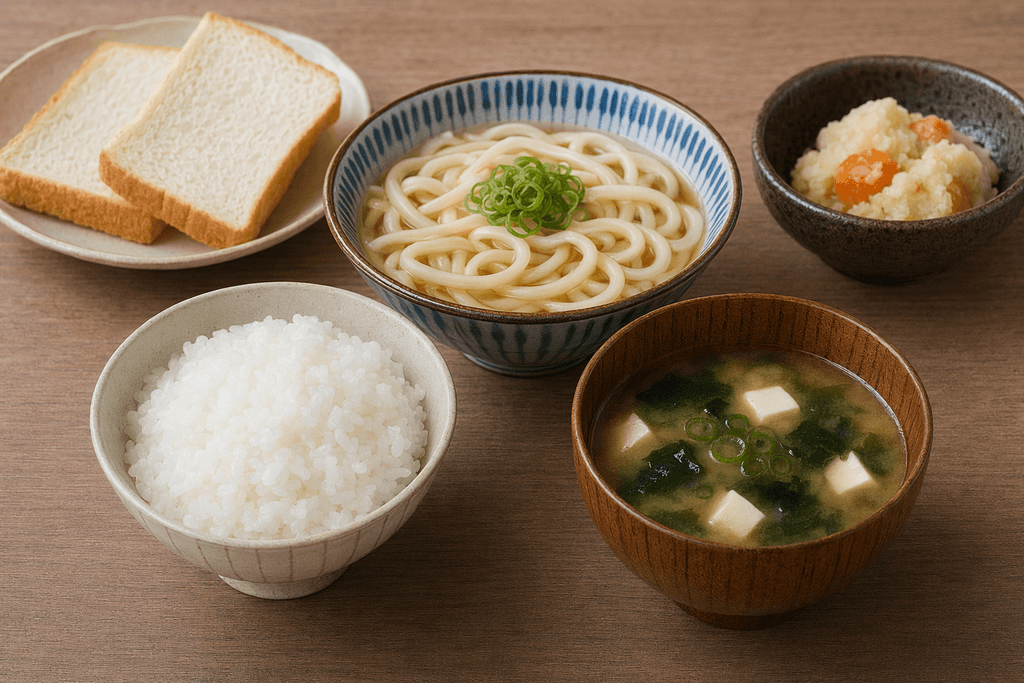
主食
주식
主食
주식
Explanation
主食
주식
主食
일상적으로 먹는 주된 음식 / 한 지역에서 주로 소비되는 기본 식품
( Base form )
( romanization )
( hiragana )
きっかり
꼭 맞게
きっかり
꼭 맞게
Explanation
꼭 맞게
きっかり
정확히, 딱 맞게 / 정각에, 칼같이

( romanization )
Loading...

JLPT N1 多言語単語帳・3032語 / JLPT N1 Multilingual Vocabulary: 3032 Words

Jonathan Waller 氏の JLPT Resources の語彙リスト・レベル分類を出典とし、CC BY の条件に従って DiQt が学習者向けに意味を作り直した3032語の単語帳です。JLPT公式の語彙リストではありません。
This collection of 3032 words is based on the vocabulary list and level classifications in Jonathan Waller’s JLPT Resources under CC BY, with meanings rewritten by DiQt for learners. It is not an official JLPT vocabulary list.
Key Operations
Select the first quiz:
Ctrl + Enter
View Explanation:Ctrl + G
Close a feedback:Esc
When selecting a quiz
Answer:Enter
Select a choice:↓ or ↑
Reading out the question:Ctrl + K
View Hint: Ctrl + M
I don't know: Ctrl + Y



