
JLPT N5: Significados das palavras - Unsolved

Aprenda em português os significados de 665 palavras do JLPT N5 com questões de quatro alternativas.
-
colocar dentro
-
abrir
-
mostrar
-
quando
-
agora
-
já
-
todos os dias
-
já
-
por perto
-
irmão mais velho
-
oito dias / dia oito
-
dois
-
fechar
-
afivelar / apertar
-
atravessar
-
pegar emprestado
-
correr
-
usar
- 五段活用カ行の動詞。未然形「咲こ」は意志・勧誘の助動詞「う」に接続する場合の形。
-
sempre
-
todo ano
-
o mais / número um
-
ao lado
-
botão
-
boca
-
ler
-
fazer
-
descer do veículo / descer
-
notícias
-
pão
-
tio / homem de meia-idade
置く
colocar
置く
colocar
Explanation
置く
colocar
置く
pôr / colocar / deixar em certo lugar

Word Forms
The basic and commonly used forms of this verb.
Basic forms
| Form | Word form | Usage |
|---|---|---|
| Imperfective form (mizenkei) |
Alternative:
置こ
|
Connects to endings such as nai, reru, and seru. |
| Continuative form (renyokei) | Connects to endings such as masu, tai, and ta. | |
| Conclusive form (shushikei) | Ends a sentence and serves as the dictionary form. | |
| Attributive form (rentaikei) | Modifies a noun. | |
| Conditional form (kateikei) | Combines with ba to express a condition. | |
| Imperative form (meireikei) | Expresses a command or instruction. |
Common forms
だんだん
gradualmente
だんだん
gradualmente
Explanation
gradualmente
だんだん
gradualmente / aos poucos / cada vez mais
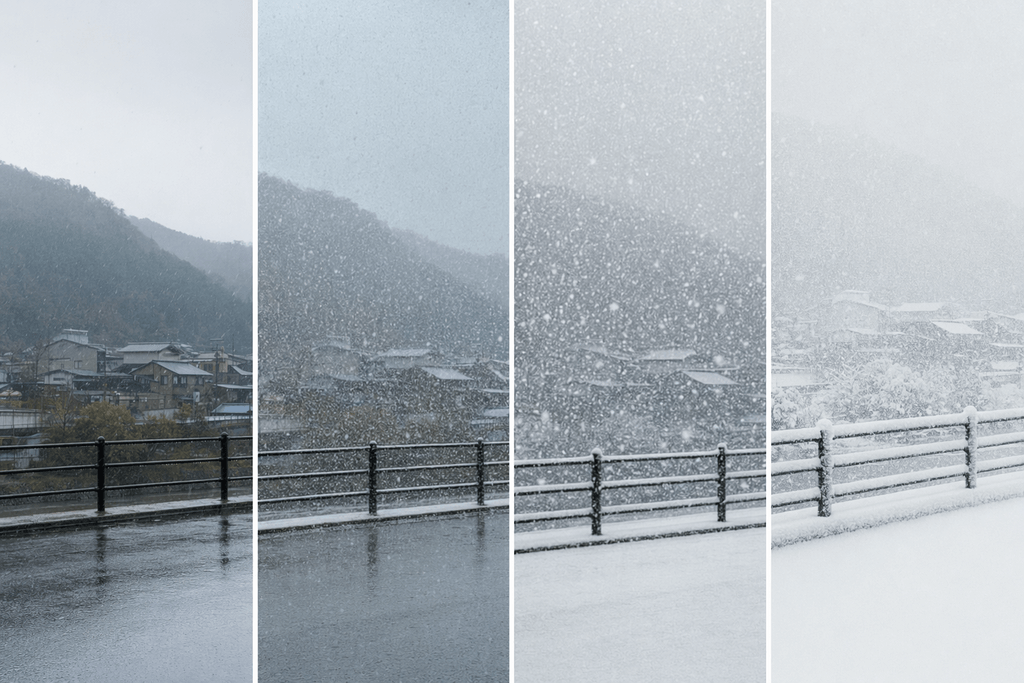
いつ
quando
いつ
quando
Explanation
quando
いつ
quando / em que momento / em qual ocasião

( romanization )
( romanization )
( hiragana historical )
ポスト
caixa de correio
ポスト
caixa de correio
Explanation
caixa de correio
ポスト
caixa de correio pública / cargo ou posição hierárquica / pilar; coluna

( romanization )
取る
pegar
取る
pegar
Explanation
取る
pegar
取る
pegar / tomar / obter

Word Forms
The basic and commonly used forms of this verb.
Basic forms
| Form | Word form | Usage |
|---|---|---|
| Imperfective form (mizenkei) |
Alternative:
取ろ
|
Connects to endings such as nai, reru, and seru. |
| Continuative form (renyokei) | Connects to endings such as masu, tai, and ta. | |
| Conclusive form (shushikei) | Ends a sentence and serves as the dictionary form. | |
| Attributive form (rentaikei) | Modifies a noun. | |
| Conditional form (kateikei) | Combines with ba to express a condition. | |
| Imperative form (meireikei) | Expresses a command or instruction. |
Common forms
咲く
florescer
咲く
florescer
Explanation
咲く
florescer
咲く
florescer; desabrochar / florir / encrespar-se; rebentar em branco (ondas, espuma)

Word Forms
The basic and commonly used forms of this verb.
Basic forms
| Form | Word form | Usage |
|---|---|---|
| Imperfective form (mizenkei) |
Alternative:
咲こ
|
Connects to endings such as nai, reru, and seru. |
| Continuative form (renyokei) | Connects to endings such as masu, tai, and ta. | |
| Conclusive form (shushikei) | Ends a sentence and serves as the dictionary form. | |
| Attributive form (rentaikei) | Modifies a noun. | |
| Conditional form (kateikei) | Combines with ba to express a condition. | |
| Imperative form (meireikei) | Expresses a command or instruction. |
Common forms
| Form | Word form | Usage |
|---|---|---|
| Te-form | Connects clauses with te. | |
| Ta-form | Expresses the past with ta. | |
| Nai-form | Expresses negation with nai. | |
| Masu-form | Used for polite speech. | |
| Ba-form | Expresses a condition with ba. | |
| Volitional form | Expresses intention or invitation. |
Notes
また
de novo
また
de novo
Explanation
de novo
また
novamente / também / de novo

( romanization )
家
casa
家
casa
Explanation
家
casa
家
casa / lar / residência

( romanization )
( romanization )
( hiragana historical )
( hiragana )
晴れる
abrir o tempo
晴れる
abrir o tempo
Explanation
晴れる
abrir o tempo
晴れる
abrir (o tempo) / dissipar-se / ser inocentado

Word Forms
The basic and commonly used forms of this verb.
Basic forms
| Form | Word form | Usage |
|---|---|---|
| Imperfective form (mizenkei) | Connects to endings such as nai, reru, and seru. | |
| Continuative form (renyokei) | Connects to endings such as masu, tai, and ta. | |
| Conclusive form (shushikei) | Ends a sentence and serves as the dictionary form. | |
| Attributive form (rentaikei) | Modifies a noun. | |
| Conditional form (kateikei) | Combines with ba to express a condition. | |
| Imperative form (meireikei) |
Alternative:
晴れよ
|
Expresses a command or instruction. |
Common forms
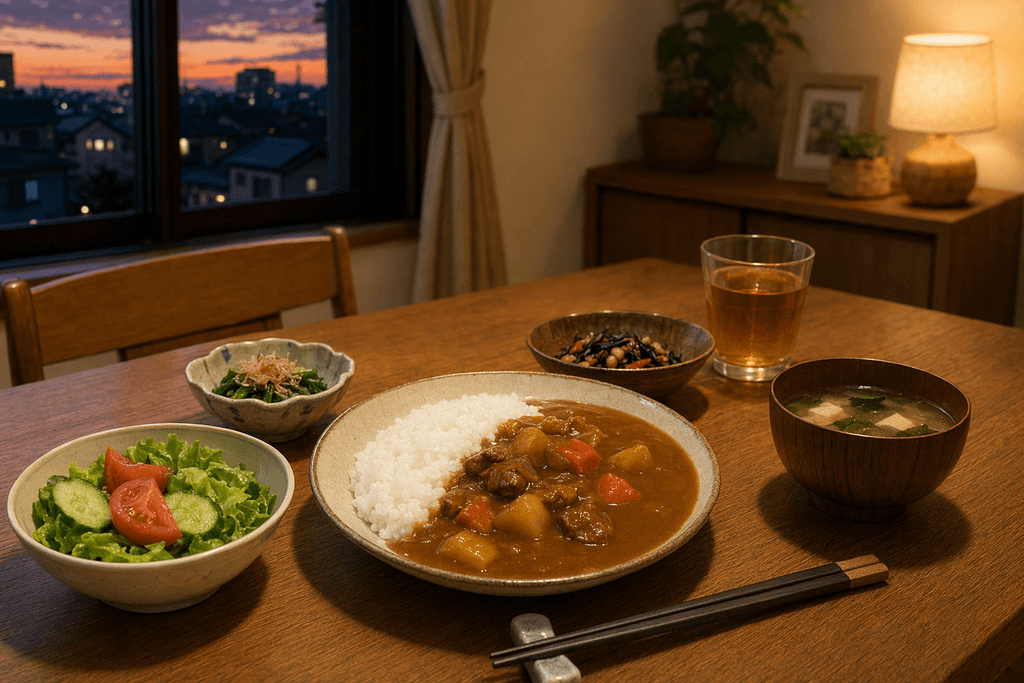
夕飯
jantar
夕飯
jantar
Explanation
夕飯
jantar
夕飯
jantar / refeição da noite
( Base form )
( romanization )
( romanization )
( hiragana historical )
( hiragana )
Loading...

JLPT N5 多言語単語帳・665語 / JLPT N5 Multilingual Vocabulary: 665 Words

Jonathan Waller 氏の JLPT Resources の語彙リスト・レベル分類を出典とし、CC BY の条件に従って DiQt が初級向けに意味を作り直した665語の単語帳です。JLPT公式の語彙リストではありません。
This collection of 665 words is based on the vocabulary list and level classifications in Jonathan Waller’s JLPT Resources under CC BY, with meanings rewritten by DiQt for beginners. It is not an official JLPT vocabulary list.
Key Operations
Select the first quiz:
Ctrl + Enter
View Explanation:Ctrl + G
Close a feedback:Esc
When selecting a quiz
Answer:Enter
Select a choice:↓ or ↑
Reading out the question:Ctrl + K
View Hint: Ctrl + M
I don't know: Ctrl + Y



