
JLPT N5 词义四选一 - Unsolved

通过四选一题目,用简体中文学习JLPT N5的665个单词含义。
-
转弯 / 弯曲
-
打开
-
到达
-
里面
-
夜晚
-
电车
-
大
-
危险
-
快
-
开
-
进入
-
脱衣服
- 五段活用・タ行の動詞。
- 連用形は「て」「た」に接続すると促音便になり、「持って」「持った」となる。
-
一万
-
唱片
-
一
-
鞋
-
号码
-
南
-
药
-
自己
-
二
-
红茶
-
去年
-
爸爸
-
蓝色
-
录音机
-
脚 / 腿
-
附近
-
怎么样
-
非常
読む
读
読む
读
Explanation
読む
读
読む
读;阅读 / 朗读;念 / 解读;读懂

Word Forms
The basic and commonly used forms of this verb.
Basic forms
| Form | Word form | Usage |
|---|---|---|
| Imperfective form (mizenkei) |
Alternative:
読も
|
Connects to endings such as nai, reru, and seru. |
| Continuative form (renyokei) | Connects to endings such as masu, tai, and ta. | |
| Conclusive form (shushikei) | Ends a sentence and serves as the dictionary form. | |
| Attributive form (rentaikei) | Modifies a noun. | |
| Conditional form (kateikei) | Combines with ba to express a condition. | |
| Imperative form (meireikei) | Expresses a command or instruction. |
Common forms
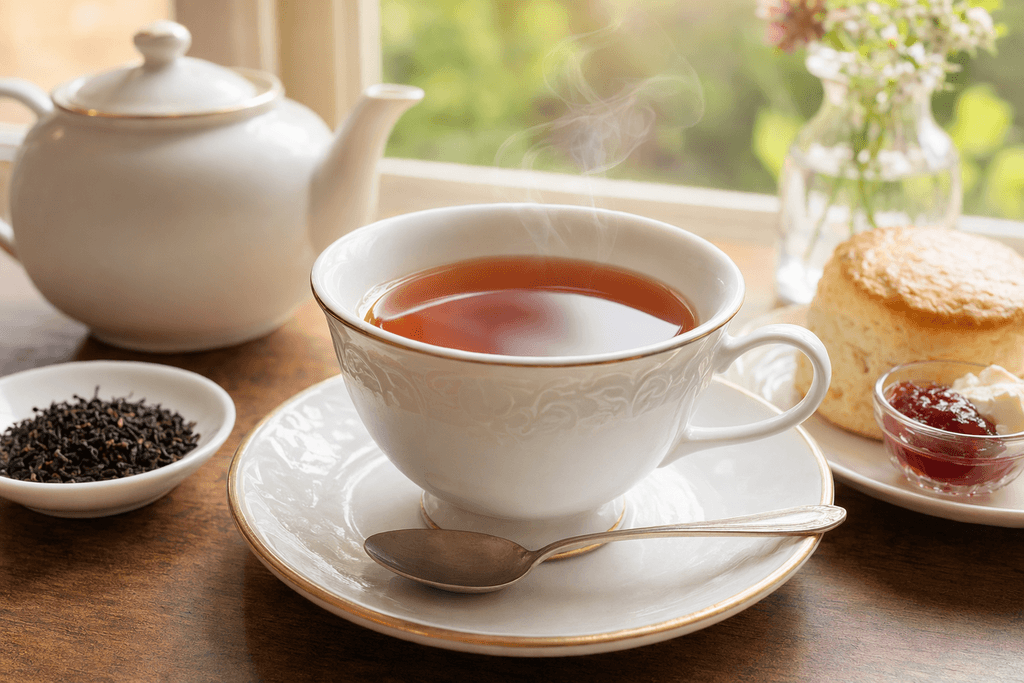
紅茶
红茶
紅茶
红茶
Explanation
紅茶
红茶
紅茶
由茶叶完全发酵制成的茶,汤色红亮 / 用此茶叶冲泡的饮品
( Base form )
( romanization )
( hiragana )
広い
宽敞 / 宽
広い
宽敞 / 宽
Explanation
広い
宽敞 / 宽
広い
宽的 / 宽敞的 / 广阔的

Word Forms
The basic and commonly used forms of this adjective.
Basic forms
| Form | Word form | Usage |
|---|---|---|
| Imperfective form (mizenkei) | Used in forms such as karou; mainly literary. | |
| Continuative form (renyokei) |
Alternative:
広かっ
|
Used in forms such as kute and kunai. |
| Conclusive form (shushikei) | Ends a sentence. | |
| Attributive form (rentaikei) | Modifies a noun. | |
| Conditional form (kateikei) | Expresses a condition with kereba. | |
| Imperative form (meireikei) | Rarely used in modern Japanese. |
Common forms
持つ
拿着 / 拥有
持つ
拿着 / 拥有
Explanation
持つ
拿着 / 拥有
持つ
拿着;握住 / 拥有;持有

Word Forms
The basic and commonly used forms of this verb.
Basic forms
| Form | Word form | Usage |
|---|---|---|
| Imperfective form (mizenkei) |
Alternative:
持と
|
Connects to endings such as nai, reru, and seru. |
| Continuative form (renyokei) |
Alternative:
持っ
|
Connects to endings such as masu, tai, and ta. |
| Conclusive form (shushikei) | Ends a sentence and serves as the dictionary form. | |
| Attributive form (rentaikei) | Modifies a noun. | |
| Conditional form (kateikei) | Combines with ba to express a condition. | |
| Imperative form (meireikei) | Expresses a command or instruction. |
Common forms
| Form | Word form | Usage |
|---|---|---|
| Te-form | Connects clauses with te. | |
| Ta-form | Expresses the past with ta. | |
| Nai-form | Expresses negation with nai. | |
| Masu-form | Used for polite speech. | |
| Ba-form | Expresses a condition with ba. | |
| Volitional form | Expresses intention or invitation. |
Notes
掃除
打扫
掃除
打扫
Explanation
掃除
打扫
掃除
打扫 / 清扫 / 清洁

( Base form )
( romanization )
( hiragana )
バター
黄油
バター
黄油
Explanation
黄油
バター
黄油 / 牛奶制成的固态乳脂(用于烹饪或涂抹)

( romanization )
上
上面
上
上面
Explanation
上
上面
上
上方、上面、上部(位置或方向) / 表面、表层 / 上级、上等、较高水平(在技能、年龄、等级等方面)

( romanization )
( romanization )
( hiragana historical )
( hiragana )
自分
自己
自分
自己
Explanation
自分
自己
自分
自己;自身 / 我(自谦) / (关西)你

( Base form )
( romanization )
( hiragana )
映画
电影
映画
电影
Explanation
映画
电影
映画
电影 / 影片

( Base form )
( romanization )
( romanization )
( counter )
( kyūjitai )
( hiragana historical )
( hiragana )
いちばん
最 / 第一
いちばん
最 / 第一
Explanation
最 / 第一
いちばん
最;最为 / 第一;首位
( romanization )
Loading...

JLPT N5 多言語単語帳・665語 / JLPT N5 Multilingual Vocabulary: 665 Words

Jonathan Waller 氏の JLPT Resources の語彙リスト・レベル分類を出典とし、CC BY の条件に従って DiQt が初級向けに意味を作り直した665語の単語帳です。JLPT公式の語彙リストではありません。
This collection of 665 words is based on the vocabulary list and level classifications in Jonathan Waller’s JLPT Resources under CC BY, with meanings rewritten by DiQt for beginners. It is not an official JLPT vocabulary list.
Key Operations
Select the first quiz:
Ctrl + Enter
View Explanation:Ctrl + G
Close a feedback:Esc
When selecting a quiz
Answer:Enter
Select a choice:↓ or ↑
Reading out the question:Ctrl + K
View Hint: Ctrl + M
I don't know: Ctrl + Y



