
JLPT N3 ဝေါဟာရအဓိပ္ပာယ် လေ့ကျင့်ခန်း - Unsolved

JLPT N3 စကားလုံး 1677 လုံး၏ မြန်မာအဓိပ္ပာယ်ကို အဖြေရွေးချယ်စရာ လေးခုပါသော မေးခွန်းများဖြင့် လေ့လာပါ။
-
ရေကူးခြင်း
-
ယောက်ျားလေး / အမျိုးသား
-
ရုံးလုပ်ငန်း
-
တစ်ပတ်
-
လောကဝတ်
-
ကတ်
-
ပရိသတ်
-
ကားရပ်နားမှု
-
ထိခိုက်နစ်နာမှု
-
စစ်ကြီး
-
အဆိုတော်
-
အမှား / မစ္စ
-
ဂါဝန်
-
ကုန်ပစ္စည်း
-
ပြာ
-
သနားစရာကောင်းသော
-
အလားတူသော
-
အလွန်ကြီးမားသော
- 形容動詞(ナ形容詞)。連用形は接続により「不幸で」「不幸に」を用いる。
-
ဖြစ်နိုင်သော
-
အလေးအနက်ထားသော
-
အဖိုးတန်သော
-
ခွင့်ပြုသည် / ခွင့်လွှတ်သည်
-
စကားစမြည်ပြောသည်
-
သတ်သည်
-
လေ့ကျင့်ရေး
-
စောင်
-
ပိုက်
-
တစ်ခုပြီးတစ်ခု
-
နည်းနည်းမျှမ
-
သေချာပေါက်မဟုတ်
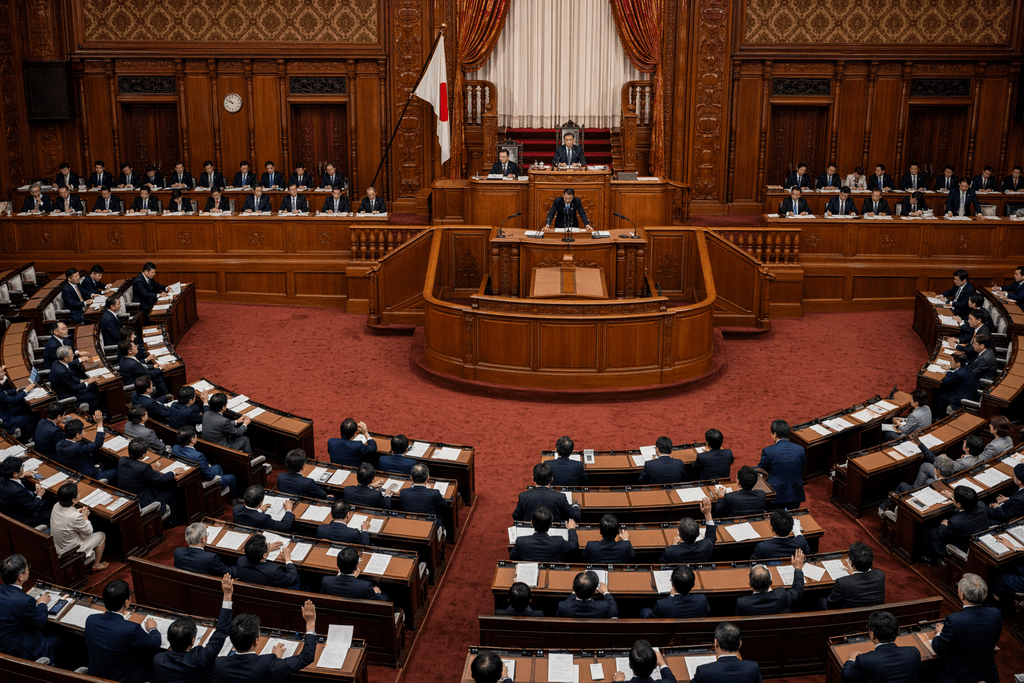
議会
လွှတ်တော်
議会
လွှတ်တော်
Explanation
議会
လွှတ်တော်
議会
လွှတ်တော် / ဥပဒေပြုရေး အဖွဲ့ / ကိုယ်စားလှယ်များ အစည်းအဝေး
( Base form )
( romanization )
( romanization )
( kyūjitai )
( hiragana historical )
( hiragana )
企業
ကုမ္ပဏီ
企業
ကုမ္ပဏီ
Explanation
企業
ကုမ္ပဏီ
企業
ကုမ္ပဏီ / စီးပွားရေးလုပ်ငန်း / စီးပွားရေးအဖွဲ့အစည်း

( Base form )
( romanization )
( hiragana )
案
အစီအစဉ် / မူကြမ်း
案
အစီအစဉ် / မူကြမ်း
Explanation
案
အစီအစဉ် / မူကြမ်း
案
အစီအစဉ်၊ စီမံကိန်း / အဆိုပြုချက်၊ အကြံပြုချက် / မူကြမ်း၊ ရေးသားရပ်စဲစာမူ

椅子
ကုလားထိုင်
椅子
ကုလားထိုင်
Explanation
椅子
ကုလားထိုင်
椅子
လူအတွက် ထိုင်ရန်ရည်ရွယ်သော ပစ္စည်း / ထိုင်ခုံ

( Base form )
( romanization )
( counter )
( hiragana )
地
မြေ
地
မြေ
Explanation
地
မြေ
地
မြေ၊ မြေပြင် / နောက်ခံ၊ အောက်ခံမျက်နှာပြင် / အထည်၏ မျက်နှာသွင်ပြင်/အရည်အသွေး၊ (ဂို) နယ်မြေ၊ အမှတ်

( romanization )
( hiragana historical )
( hiragana )
不幸
ကံဆိုးမှု
不幸
ကံဆိုးမှု
Explanation
不幸
ကံဆိုးမှု
不幸
ကံမကောင်းသော / မပျော်ရွှင်သော

Word Forms
The basic and commonly used forms of this adjectival noun.
Basic forms
| Form | Word form | Usage |
|---|---|---|
| Imperfective form (mizenkei) | Used in forms such as darou. | |
| Continuative form (renyokei) |
Alternative:
不幸に
|
Used with de or ni. |
| Conclusive form (shushikei) | Ends a sentence with da. | |
| Attributive form (rentaikei) | Modifies a noun with na. | |
| Conditional form (kateikei) | Expresses a condition with nara. | |
| Imperative form (meireikei) | Used in formal expressions such as de are. |
Common forms
| Form | Word form | Usage |
|---|---|---|
| Te-form equivalent | Connects clauses using de. | |
| Ta-form | Expresses the past with datta. | |
| Nai-form |
Alternative:
不幸じゃない
|
Expresses negation with dewa nai or ja nai. |
| Desu-form | Used for polite speech. |
Notes
適度
အတော်အသင့်ဖြစ်သော
適度
အတော်အသင့်ဖြစ်သော
Explanation
適度
အတော်အသင့်ဖြစ်သော
適度
အလယ်အလတ် / မလွန်မလျော့ / သင့်တော်

Word Forms
The basic and commonly used forms of this adjectival noun.
Basic forms
| Form | Word form | Usage |
|---|---|---|
| Imperfective form (mizenkei) | Used in forms such as darou. | |
| Continuative form (renyokei) |
Alternative:
適度に
|
Used with de or ni. |
| Conclusive form (shushikei) | Ends a sentence with da. | |
| Attributive form (rentaikei) | Modifies a noun with na. | |
| Conditional form (kateikei) | Expresses a condition with nara. | |
| Imperative form (meireikei) | Used in formal expressions such as de are. |
Common forms
黙る
တိတ်ဆိတ်သွားသည်
黙る
တိတ်ဆိတ်သွားသည်
Explanation
黙る
တိတ်ဆိတ်သွားသည်
黙る
တိတ်နေသည် / စကားမပြောဘဲနေသည် / စကားပိတ်သည်

Word Forms
The basic and commonly used forms of this verb.
Basic forms
| Form | Word form | Usage |
|---|---|---|
| Imperfective form (mizenkei) |
Alternative:
黙ろ
|
Connects to endings such as nai, reru, and seru. |
| Continuative form (renyokei) | Connects to endings such as masu, tai, and ta. | |
| Conclusive form (shushikei) | Ends a sentence and serves as the dictionary form. | |
| Attributive form (rentaikei) | Modifies a noun. | |
| Conditional form (kateikei) | Combines with ba to express a condition. | |
| Imperative form (meireikei) | Expresses a command or instruction. |
Common forms
悪魔
မကောင်းဆိုးဝါး
悪魔
မကောင်းဆိုးဝါး
Explanation
悪魔
မကောင်းဆိုးဝါး
悪魔
မာရ်နတ်၊ နတ်ဆိုး / စေတန် / အလွန်ဆိုးရွားသောလူ

( Base form )
( romanization )
( hiragana )
要するに
အချုပ်အားဖြင့်
要するに
အချုပ်အားဖြင့်
Explanation
要するに
အချုပ်အားဖြင့်
要するに
အကျဉ်းချုပ်အားဖြင့် / တစ်စကားဖြင့် / အတိုချုပ်အားဖြင့်

( Base form )
( romanization )
( romanization )
( hiragana historical )
Loading...

JLPT N3 多言語単語帳・1677語 / JLPT N3 Multilingual Vocabulary: 1677 Words

Jonathan Waller 氏の JLPT Resources の語彙リスト・レベル分類を出典とし、CC BY の条件に従って DiQt が学習者向けに意味を作り直した1677語の単語帳です。JLPT公式の語彙リストではありません。
This collection of 1677 words is based on the vocabulary list and level classifications in Jonathan Waller’s JLPT Resources under CC BY, with meanings rewritten by DiQt for learners. It is not an official JLPT vocabulary list.
Key Operations
Select the first quiz:
Ctrl + Enter
View Explanation:Ctrl + G
Close a feedback:Esc
When selecting a quiz
Answer:Enter
Select a choice:↓ or ↑
Reading out the question:Ctrl + K
View Hint: Ctrl + M
I don't know: Ctrl + Y



