
JLPT N3 ဝေါဟာရအဓိပ္ပာယ် လေ့ကျင့်ခန်း - Unsolved

JLPT N3 စကားလုံး 1677 လုံး၏ မြန်မာအဓိပ္ပာယ်ကို အဖြေရွေးချယ်စရာ လေးခုပါသော မေးခွန်းများဖြင့် လေ့လာပါ။
-
ကျောင်းသင်ဘာသာရပ်
-
အိမ်ငှားခ
-
ပမာဏ
-
ပျော်ရွှင်ဖွယ်ကောင်းသော
-
အဖိုးတန်သော
-
ထူးချွန်သော
-
စတင်ခြင်း
-
အဖော်
-
အပေါင်း / အကျိုး
-
ဗန်ကား
-
နို့
-
လျှို့ဝှက်ချက်
-
ပြင်းထန်သော
-
လွန်ကဲသော / လုံးဝမဖြစ်နိုင်
-
ကြောက်စရာကောင်းသော
- 「いい」は終止形・連体形でよく用いられる口語形。活用形は通常「よく」「よかった」「よければ」など「よい」系になる。
-
မိုက်ခရိုဖုန်း
-
မှတ်စု
-
ကွာရှင်းမှု
-
နွေးထွေးသော
-
အဖိုးတန်သော
-
အတော်အသင့်ဖြစ်သော
- 「妙」は形容動詞語幹として用いられ、「妙な」「妙に」「妙だ」のように接続する。
- 意味は文脈により「不思議な・変な」と「すぐれた・巧みな」の両方を取り得る。
-
နေ
-
လွင်ပြင်
-
အလုပ်ရရှိမှု
-
ကျောက်သင်ပုန်း
-
ယောက်ျားလေး / စားပွဲထိုး
-
အစာအိမ်
-
မတိုင်မီ / ယခင်က
-
အပိုင်းအစ / ထက်မြက်မှု
-
ဝမ်းကွဲညီအစ်ကို
ダンス
အက
ダンス
အက
Explanation
အက
ダンス
အက / အကပြုခြင်း

( romanization )
完全
ပြည့်စုံသော
完全
ပြည့်စုံသော
Explanation
完全
ပြည့်စုံသော
完全
အပြည့်အစုံသော / ပြည့်စုံသော / ချို့ချက်မရှိသော

Word Forms
The basic and commonly used forms of this adjectival noun.
Basic forms
| Form | Word form | Usage |
|---|---|---|
| Imperfective form (mizenkei) | Used in forms such as darou. | |
| Continuative form (renyokei) |
Alternative:
完全に
|
Used with de or ni. |
| Conclusive form (shushikei) | Ends a sentence with da. | |
| Attributive form (rentaikei) | Modifies a noun with na. | |
| Conditional form (kateikei) | Expresses a condition with nara. | |
| Imperative form (meireikei) | Used in formal expressions such as de are. |
Common forms
スピーチ
မိန့်ခွန်း
スピーチ
မိန့်ခွန်း
Explanation
မိန့်ခွန်း
スピーチ
မိန့်ခွန်း / လူထုမိန့်ခွန်း / ဟောပြောချက်

( romanization )
万一
အကယ်၍
万一
အကယ်၍
Explanation
万一
အကယ်၍
万一
မမျှော်လင့်ဖြစ်ရပ် / မဖြစ်နိုင်လောက်သော်လည်းဖြစ်နိုင်သည့်အခါအတွက် / အရေးပေါ်အခြေအနေ

( Base form )
( romanization )
( kyūjitai )
( hiragana )
良い
ကောင်းသော
良い
ကောင်းသော
Explanation
良い
ကောင်းသော
良い
ကောင်းသော / ကောင်းမွန်သော / သင့်လျော်သော

Word Forms
The basic and commonly used forms of this adjective.
Basic forms
| Form | Word form | Usage |
|---|---|---|
| Imperfective form (mizenkei) |
Alternative:
よかろ
|
Used in forms such as karou; mainly literary. |
| Continuative form (renyokei) |
Alternative:
よく
良かっ
よかっ
|
Used in forms such as kute and kunai. |
| Conclusive form (shushikei) |
Alternative:
いい
よい
|
Ends a sentence. |
| Attributive form (rentaikei) |
Alternative:
いい
よい
|
Modifies a noun. |
| Conditional form (kateikei) |
Alternative:
よけれ
|
Expresses a condition with kereba. |
| Imperative form (meireikei) |
Alternative:
よかれ
|
Rarely used in modern Japanese. |
Common forms
| Form | Word form | Usage |
|---|---|---|
| Te-form |
Alternative:
よくて
|
Connects clauses with kute. |
| Ta-form |
Alternative:
よかった
|
Expresses the past with katta. |
| Nai-form |
Alternative:
よくない
|
Expresses negation with kunai. |
| Ba-form |
Alternative:
よければ
|
Expresses a condition with kereba. |
Notes
時期
အချိန်ကာလ
時期
အချိန်ကာလ
Explanation
時期
အချိန်ကာလ
時期
အချိန်ကာလ / လုပ်ရန်အချိန် / ရာသီကာလ

( Base form )
( romanization )
( hiragana )
妙
ထူးဆန်းသော
妙
ထူးဆန်းသော
Explanation
妙
ထူးဆန်းသော
妙
ဆန်းကြယ်သော / ထူးခြားသော / အလွန်ကောင်းမြတ်သော

Word Forms
The basic and commonly used forms of this adjectival noun.
Basic forms
| Form | Word form | Usage |
|---|---|---|
| Imperfective form (mizenkei) |
Alternative:
妙でしょ
|
Used in forms such as darou. |
| Continuative form (renyokei) |
Alternative:
妙に
|
Used with de or ni. |
| Conclusive form (shushikei) |
Alternative:
妙です
|
Ends a sentence with da. |
| Attributive form (rentaikei) |
Alternative:
妙なる
|
Modifies a noun with na. |
| Conditional form (kateikei) | Expresses a condition with nara. | |
| Imperative form (meireikei) | Used in formal expressions such as de are. |
Common forms
| Form | Word form | Usage |
|---|---|---|
| Te-form equivalent | Connects clauses using de. | |
| Ta-form |
Alternative:
妙でした
|
Expresses the past with datta. |
| Nai-form |
Alternative:
妙じゃない
妙でない
|
Expresses negation with dewa nai or ja nai. |
| Desu-form | Used for polite speech. |
Notes
支配
ချုပ်ကိုင်မှု
支配
ချုပ်ကိုင်မှု
Explanation
支配
ချုပ်ကိုင်မှု
支配
အုပ်စိုးမှု / ထိန်းချုပ်မှု / အာဏာလွှမ်းမိုးမှု

( Base form )
( romanization )
( hiragana )
鬼
ဘီလူး
鬼
ဘီလူး
Explanation
鬼
ဘီလူး
鬼
ဘီလူး၊ နတ်ဆိုး (မကောင်းဝိညာဉ်) / မရပ်မနား လုပ်တတ်ကြိုးစားသူ / ကစားပွဲတွင် လိုက်ဖမ်းသူ ('it')
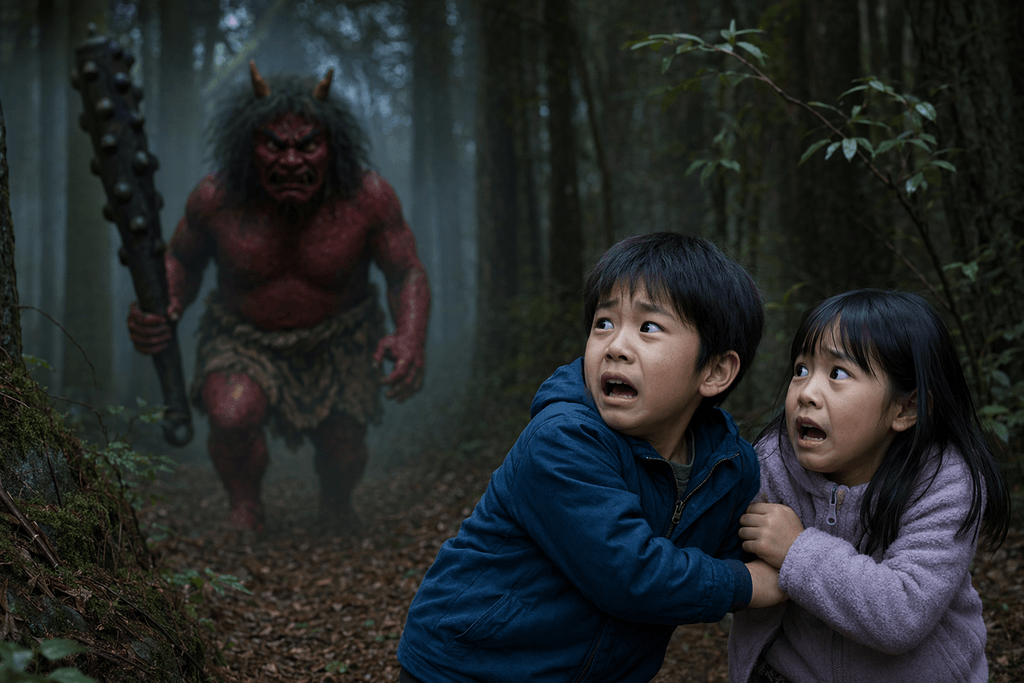
( romanization )
( hiragana )
著者
စာရေးသူ
著者
စာရေးသူ
Explanation
著者
စာရေးသူ
著者
စာရေးသူ / စာအုပ်ရေးသူ / ရေးသားသူ

( Base form )
( romanization )
( hiragana )
Loading...

JLPT N3 多言語単語帳・1677語 / JLPT N3 Multilingual Vocabulary: 1677 Words

Jonathan Waller 氏の JLPT Resources の語彙リスト・レベル分類を出典とし、CC BY の条件に従って DiQt が学習者向けに意味を作り直した1677語の単語帳です。JLPT公式の語彙リストではありません。
This collection of 1677 words is based on the vocabulary list and level classifications in Jonathan Waller’s JLPT Resources under CC BY, with meanings rewritten by DiQt for learners. It is not an official JLPT vocabulary list.
Key Operations
Select the first quiz:
Ctrl + Enter
View Explanation:Ctrl + G
Close a feedback:Esc
When selecting a quiz
Answer:Enter
Select a choice:↓ or ↑
Reading out the question:Ctrl + K
View Hint: Ctrl + M
I don't know: Ctrl + Y



