
JLPT N3 ဝေါဟာရအဓိပ္ပာယ် လေ့ကျင့်ခန်း - Unsolved

JLPT N3 စကားလုံး 1677 လုံး၏ မြန်မာအဓိပ္ပာယ်ကို အဖြေရွေးချယ်စရာ လေးခုပါသော မေးခွန်းများဖြင့် လေ့လာပါ။
-
လှည့်သည်
-
မတ်တတ်ထသည်
-
ခွဲဝေသည် / ခွဲဖျက်သည်
-
စိတ်ပျက်သော
-
ဘာကြောင့်
-
အနည်းငယ်
-
တိုးတက်မှု
-
ဘာမျှမရှိခြင်း
-
လူ့အဖွဲ့အစည်း
-
အကြွေစေ့
-
လူသား
-
ဆန့်ကျင်ဘက်
-
ပြည့်စုံသော
-
အလားတူသော
-
အလေးအနက်ထားသော
-
သဘာဝလောက / သဘာဝကျသော
-
အရေပြား
-
လေထု
-
ဝေးကွာသွားသည် / ကွဲကွာနေသည်
-
ဟောင်သည် / ဟိန်းသည်
-
ရူးသည် / မှားယွင်းသည်
- 五段活用ラ行。連用形接続の「て/た」は促音便で「張って/張った」となる。
-
နစ်မြုပ်သည် / စိတ်ညစ်သည်
-
ချို့တဲ့သည် / ပဲ့သည်
-
ပြောပြသည်
-
ဈေး
-
အမှား
-
အစည်းအဝေး
-
စုပ်ယူခြင်း
-
ချိုင့်ဝှမ်း
-
ဝင်ငွေ
申し込む
လျှောက်ထားသည်
申し込む
လျှောက်ထားသည်
Explanation
申し込む
လျှောက်ထားသည်
申し込む
လျှောက်လွှာတင်သည် / (ဝန်ဆောင်မှု၊ အလုပ် စသည်) လျှောက်ထားသည် / စာရင်းပေးသွင်းရန် လျှောက်ထားသည်

Word Forms
The basic and commonly used forms of this verb.
Basic forms
| Form | Word form | Usage |
|---|---|---|
| Imperfective form (mizenkei) |
Alternative:
申し込も
|
Connects to endings such as nai, reru, and seru. |
| Continuative form (renyokei) | Connects to endings such as masu, tai, and ta. | |
| Conclusive form (shushikei) | Ends a sentence and serves as the dictionary form. | |
| Attributive form (rentaikei) | Modifies a noun. | |
| Conditional form (kateikei) | Combines with ba to express a condition. | |
| Imperative form (meireikei) | Expresses a command or instruction. |
Common forms
別に
အထူးတလည်မဟုတ်
別に
အထူးတလည်မဟုတ်
Explanation
別に
အထူးတလည်မဟုတ်
別に
အထူးမဟုတ် / သီးသန့်မဟုတ် / အထူးတစ်ခုခု မရှိ

( Base form )
( romanization )
野
ကွင်းပြင်
野
ကွင်းပြင်
Explanation
野
ကွင်းပြင်
野
လယ်ကွင်း / ကျေးလက်ဒေသ / ပြင်ပ၊ တောရိုင်း

( romanization )
( hiragana )
納得
နားလည်မှု / လက်ခံမှု
納得
နားလည်မှု / လက်ခံမှု
Explanation
納得
နားလည်မှု / လက်ခံမှု
納得
နားလည်မှု / သဘောတူမှု / လက်ခံမှု

( Base form )
( romanization )
( hiragana )
僅か
အနည်းငယ်မျှသာ
僅か
အနည်းငယ်မျှသာ
Explanation
僅か
အနည်းငယ်မျှသာ
僅か
အနည်းငယ်သာ / နည်းပါးသော / မသိသာသော

Word Forms
The basic and commonly used forms of this adjectival noun.
Basic forms
| Form | Word form | Usage |
|---|---|---|
| Imperfective form (mizenkei) | Used in forms such as darou. | |
| Continuative form (renyokei) |
Alternative:
僅かに
|
Used with de or ni. |
| Conclusive form (shushikei) | Ends a sentence with da. | |
| Attributive form (rentaikei) | Modifies a noun with na. | |
| Conditional form (kateikei) | Expresses a condition with nara. | |
| Imperative form (meireikei) | Used in formal expressions such as de are. |
Common forms
技師
အင်ဂျင်နီယာ
技師
အင်ဂျင်နီယာ
Explanation
技師
အင်ဂျင်နီယာ
技師
အင်ဂျင်နီယာ / နည်းပညာရှင် / စက်ပညာရှင်

( Base form )
( romanization )
( hiragana )
張る
တင်းအောင်ဆန့်သည် / ကပ်တင်သည်
張る
တင်းအောင်ဆန့်သည် / ကပ်တင်သည်
Explanation
張る
တင်းအောင်ဆန့်သည် / ကပ်တင်သည်
張る
ဖြန့်ဆန့်၊ တင်ကပ်၊ ထုတ်ပြ / ဖူးတင်းလာ၊ စိတ်တင်းမာ / စျေးကြီး၊ ရေကို အပြည့်ဖြည့်

Word Forms
The basic and commonly used forms of this verb.
Basic forms
| Form | Word form | Usage |
|---|---|---|
| Imperfective form (mizenkei) |
Alternative:
張ろ
|
Connects to endings such as nai, reru, and seru. |
| Continuative form (renyokei) | Connects to endings such as masu, tai, and ta. | |
| Conclusive form (shushikei) | Ends a sentence and serves as the dictionary form. | |
| Attributive form (rentaikei) | Modifies a noun. | |
| Conditional form (kateikei) | Combines with ba to express a condition. | |
| Imperative form (meireikei) | Expresses a command or instruction. |
Common forms
| Form | Word form | Usage |
|---|---|---|
| Te-form | Connects clauses with te. | |
| Ta-form | Expresses the past with ta. | |
| Nai-form | Expresses negation with nai. | |
| Masu-form | Used for polite speech. | |
| Ba-form | Expresses a condition with ba. | |
| Volitional form | Expresses intention or invitation. |
Notes
雇う
အလုပ်ခန့်သည်
雇う
အလုပ်ခန့်သည်
Explanation
雇う
အလုပ်ခန့်သည်
雇う
အလုပ်ခန့်ထားသည် / လုပ်သားယူခန့်သည် / ဝန်ထမ်းအဖြစ် ခန့်အပ်သည်

Word Forms
The basic and commonly used forms of this verb.
Basic forms
| Form | Word form | Usage |
|---|---|---|
| Imperfective form (mizenkei) |
Alternative:
雇お
|
Connects to endings such as nai, reru, and seru. |
| Continuative form (renyokei) | Connects to endings such as masu, tai, and ta. | |
| Conclusive form (shushikei) | Ends a sentence and serves as the dictionary form. | |
| Attributive form (rentaikei) | Modifies a noun. | |
| Conditional form (kateikei) | Combines with ba to express a condition. | |
| Imperative form (meireikei) | Expresses a command or instruction. |
Common forms
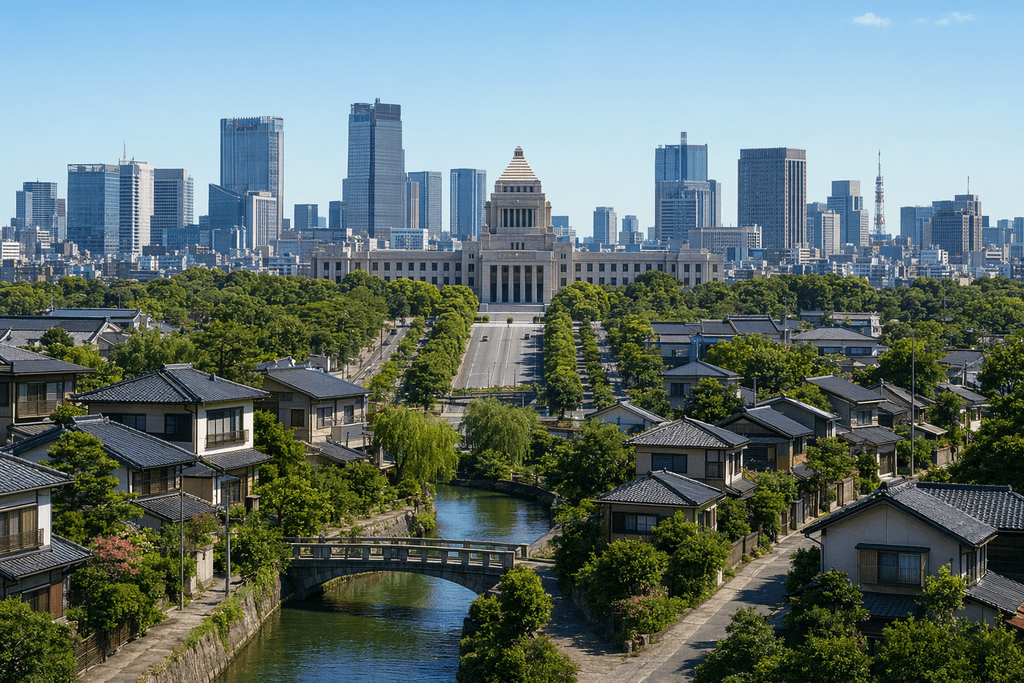
首都
မြို့တော်
首都
မြို့တော်
Explanation
首都
မြို့တော်
首都
မြို့တော် / နိုင်ငံ၏အုပ်ချုပ်ရေးဗဟိုမြို့
( Base form )
( romanization )
( hiragana )
化粧
မိတ်ကပ်
化粧
မိတ်ကပ်
Explanation
化粧
မိတ်ကပ်
化粧
မိတ်ကပ် / မိတ်ကပ်တင်ခြင်း / အလှကုန်

( Base form )
( romanization )
( romanization )
( hiragana historical )
( hiragana )
Loading...

JLPT N3 多言語単語帳・1677語 / JLPT N3 Multilingual Vocabulary: 1677 Words

Jonathan Waller 氏の JLPT Resources の語彙リスト・レベル分類を出典とし、CC BY の条件に従って DiQt が学習者向けに意味を作り直した1677語の単語帳です。JLPT公式の語彙リストではありません。
This collection of 1677 words is based on the vocabulary list and level classifications in Jonathan Waller’s JLPT Resources under CC BY, with meanings rewritten by DiQt for learners. It is not an official JLPT vocabulary list.
Key Operations
Select the first quiz:
Ctrl + Enter
View Explanation:Ctrl + G
Close a feedback:Esc
When selecting a quiz
Answer:Enter
Select a choice:↓ or ↑
Reading out the question:Ctrl + K
View Hint: Ctrl + M
I don't know: Ctrl + Y



