
JLPT N3 ဝေါဟာရအဓိပ္ပာယ် လေ့ကျင့်ခန်း - Unsolved

JLPT N3 စကားလုံး 1677 လုံး၏ မြန်မာအဓိပ္ပာယ်ကို အဖြေရွေးချယ်စရာ လေးခုပါသော မေးခွန်းများဖြင့် လေ့လာပါ။
-
လိုက်ဖက်သည်
-
အောက်ချသည်
-
ပျံစေသည် / ကျော်သည်
- 現代語では上一段活用。古風・文語的な対応形として「満つ」がある。
-
ပိုနှစ်သက်သည်
-
အကြောင်းအရာတင်ပြသည် / သိမ်းဆည်းသည်
-
ဆူပူကြိမ်းမောင်းသည်
- 「食う」は口語的・粗野な響きのある五段活用動詞。
- 未然形は「食わ」(否定接続)と「食お」(意志・推量接続)がある。
- 連用形は「食い」(ます接続など)と、促音便形「食っ」(て・た接続)がある。
-
ရန်သူ
-
ဆင်
-
လစာ
-
အပြန်အလှန်
-
အတော်အတန် / ညီမျှသော
-
မကြာခဏထပ်၍
-
ပျံ့နှံ့သည်
-
မတ်တတ်ထသည်
-
ရှာဖွေသည် / တောင်းဆိုသည်
-
ဆိုရလျှင်
-
မမျှော်လင့်ဘဲ / ဗုန်းခနဲ
-
တစ်နေ့နေ့
-
စိတ်ဝင်စားမှု
-
တိုးတက်ကောင်းမွန်ခြင်း
-
အမျိုးသား
-
နို့
-
အဆင်ပြေတိုးတက်မှု
-
ဝမ်းမြောက်မှု
-
ဘာမဆို
-
တမင်တကာ
-
ထို့အပြင် / ပို၍
-
အာမခံချက်
-
ကြိုတင်ခန့်မှန်းမှု
-
လက်မှတ်
満ちる
ပြည့်သည်
満ちる
ပြည့်သည်
Explanation
満ちる
ပြည့်သည်
満ちる
ပြည့်နေသည် / လပြည့်လာသည်၊ ရေတက်သည် / သက်တမ်း ပြည့်သည်

Word Forms
The basic and commonly used forms of this verb.
Basic forms
| Form | Word form | Usage |
|---|---|---|
| Imperfective form (mizenkei) | Connects to endings such as nai, reru, and seru. | |
| Continuative form (renyokei) | Connects to endings such as masu, tai, and ta. | |
| Conclusive form (shushikei) | Ends a sentence and serves as the dictionary form. | |
| Attributive form (rentaikei) | Modifies a noun. | |
| Conditional form (kateikei) | Combines with ba to express a condition. | |
| Imperative form (meireikei) |
Alternative:
満ちよ
|
Expresses a command or instruction. |
Common forms
| Form | Word form | Usage |
|---|---|---|
| Te-form | Connects clauses with te. | |
| Ta-form | Expresses the past with ta. | |
| Nai-form | Expresses negation with nai. | |
| Masu-form | Used for polite speech. | |
| Ba-form | Expresses a condition with ba. | |
| Volitional form | Expresses intention or invitation. |
Notes
食う
စားသည်
食う
စားသည်
Explanation
食う
စားသည်
食う
စား၊ စားသုံး / အသက်မွေးဝမ်းကျောင်းလုပ် / လိင်ဆက်ဆံ (ရိုင်းစကား)

Word Forms
The basic and commonly used forms of this verb.
Basic forms
| Form | Word form | Usage |
|---|---|---|
| Imperfective form (mizenkei) |
Alternative:
食お
|
Connects to endings such as nai, reru, and seru. |
| Continuative form (renyokei) |
Alternative:
食っ
|
Connects to endings such as masu, tai, and ta. |
| Conclusive form (shushikei) | Ends a sentence and serves as the dictionary form. | |
| Attributive form (rentaikei) | Modifies a noun. | |
| Conditional form (kateikei) | Combines with ba to express a condition. | |
| Imperative form (meireikei) | Expresses a command or instruction. |
Common forms
| Form | Word form | Usage |
|---|---|---|
| Te-form | Connects clauses with te. | |
| Ta-form | Expresses the past with ta. | |
| Nai-form | Expresses negation with nai. | |
| Masu-form | Used for polite speech. | |
| Ba-form | Expresses a condition with ba. | |
| Volitional form | Expresses intention or invitation. |
Notes
家具
ပရိဘောဂ
家具
ပရိဘောဂ
Explanation
家具
ပရိဘောဂ
家具
အိမ်ပရိဘောဂ / ပရိဘောဂပစ္စည်း / အိမ်သုံးပရိဘောဂ

( Base form )
( romanization )
( hiragana )
まさに
အတိအကျ
まさに
အတိအကျ
Explanation
အတိအကျ
まさに
အမှန်တကယ်၊ သေချာပေါက် / တိတိကျကျ၊ ပက်ပက်စက်စက် / အဲဒီအချိန်တိတိ၊ တစ်ချက်တည်းမှာ

( romanization )
隠れる
ပုန်းသည်
隠れる
ပုန်းသည်
Explanation
隠れる
ပုန်းသည်
隠れる
ကိုယ်ကို ဝှက်ခိုသည် / မြင်မမြင် ဖြစ်၍ ဝှက်ကွယ်သည် / ကွယ်လွန်သည်

Word Forms
The basic and commonly used forms of this verb.
Basic forms
| Form | Word form | Usage |
|---|---|---|
| Imperfective form (mizenkei) | Connects to endings such as nai, reru, and seru. | |
| Continuative form (renyokei) | Connects to endings such as masu, tai, and ta. | |
| Conclusive form (shushikei) | Ends a sentence and serves as the dictionary form. | |
| Attributive form (rentaikei) | Modifies a noun. | |
| Conditional form (kateikei) | Combines with ba to express a condition. | |
| Imperative form (meireikei) |
Alternative:
隠れよ
|
Expresses a command or instruction. |
Common forms
なんで
ဘာကြောင့်
なんで
ဘာကြောင့်
Explanation
ဘာကြောင့်
なんで
ဘာကြောင့် / ဘယ်လိုနည်းနဲ့ (ယာဉ်) / ဘာနဲ့ (ယာဉ်)

( romanization )
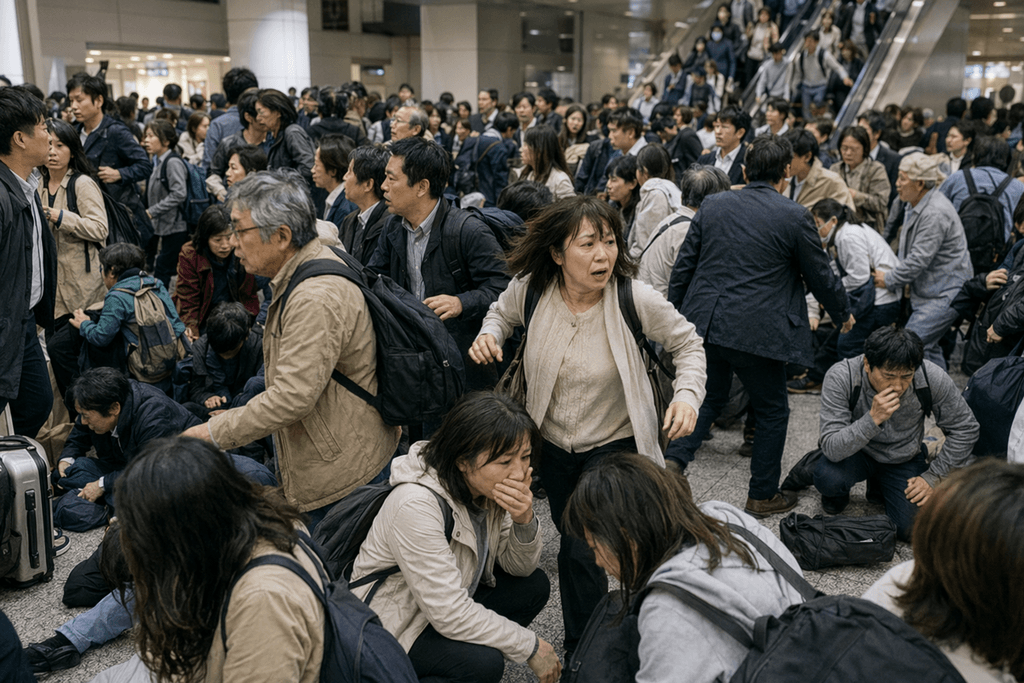
混乱
ရှုပ်ယှက်ခတ်မှု
混乱
ရှုပ်ယှက်ခတ်မှု
Explanation
混乱
ရှုပ်ယှက်ခတ်မှု
混乱
ရှုပ်ယွင်းမှု / ရောယားမှု / အော်ဟစ်ဆူညံမှု
( Base form )
( romanization )
( hiragana )
釣り
ငါးမျှားခြင်း / ပြန်အမ်းငွေ
釣り
ငါးမျှားခြင်း / ပြန်အမ်းငွေ
Explanation
釣り
ငါးမျှားခြင်း / ပြန်အမ်းငွေ
釣り
တံတမန်ဖြင့် ငါးဖမ်းခြင်း / အကြွေပြန် / အင်တာနက်တွယ်ယားခြင်း

( Base form )
( romanization )
一度に
တစ်ပြိုင်နက်တည်း
一度に
တစ်ပြိုင်နက်တည်း
Explanation
一度に
တစ်ပြိုင်နက်တည်း
一度に
တစ်ခါတည်း / တစ်ကြိမ်တည်းမှာ / အကုန်လုံးကို တစ်ခါတည်း

( Base form )
( romanization )
有利
အသာစီးရသော
有利
အသာစီးရသော
Explanation
有利
အသာစီးရသော
有利
အသာချက် / အကျိုးအသာ / အရေးသာမှု

( Base form )
( romanization )
( hiragana )
Loading...

JLPT N3 多言語単語帳・1677語 / JLPT N3 Multilingual Vocabulary: 1677 Words

Jonathan Waller 氏の JLPT Resources の語彙リスト・レベル分類を出典とし、CC BY の条件に従って DiQt が学習者向けに意味を作り直した1677語の単語帳です。JLPT公式の語彙リストではありません。
This collection of 1677 words is based on the vocabulary list and level classifications in Jonathan Waller’s JLPT Resources under CC BY, with meanings rewritten by DiQt for learners. It is not an official JLPT vocabulary list.
Key Operations
Select the first quiz:
Ctrl + Enter
View Explanation:Ctrl + G
Close a feedback:Esc
When selecting a quiz
Answer:Enter
Select a choice:↓ or ↑
Reading out the question:Ctrl + K
View Hint: Ctrl + M
I don't know: Ctrl + Y



