
JLPT N3 ဝေါဟာရအဓိပ္ပာယ် လေ့ကျင့်ခန်း - Unsolved

JLPT N3 စကားလုံး 1677 လုံး၏ မြန်မာအဓိပ္ပာယ်ကို အဖြေရွေးချယ်စရာ လေးခုပါသော မေးခွန်းများဖြင့် လေ့လာပါ။
-
အခွင့်မသာသော
-
ရာဇဝတ်မှု / အပြစ်
-
တာဝန်
-
စာရင်းကိုင်လုပ်ငန်း / ငွေတောင်းခံလွှာ
-
ပရော်ဖက်ရှင်နယ်
-
ပဟေဠိ
-
ချန်ပီယံဆု
-
စားသောက်ကုန်
-
သံ
-
စွန့်စားမှု
-
လူစိမ်း / အခြားသူ
-
မိုးလေဝသ
-
ယောက်ျားလေး
-
ဇီးသီး
-
အစားအစာတစ်နပ်
-
ရုံးလုပ်ငန်း
-
ညစ်ညမ်းမှု
-
ဒေသန္တရနယ်မြေ / တောနယ်
-
လူအရိပ်အယောင်
-
ခါးစည်း / အမြှောင်း
-
ကုန်သည်
-
မြက်ရိတ်သည် / ညှပ်သည်
-
ဆွဲထုတ်သည် / ချန်လှပ်သည်
-
မြင်သည် / ကြည့်သည်
- 「下ろす」「降ろす」「卸す」「堕ろす」はいずれも五段活用(サ行)で、活用形は同じです。
-
ချစ်သည်
-
မနာခံသည် / ဆန့်ကျင်သည်
-
ကျော်ဖြတ်သည် / ကျော်လွန်သည်
- 「頂戴する」はサ変動詞として活用する謙譲表現。
- 依頼表現では「頂戴」単独で「ください」に近く用いられることがある。
-
ဖြေရှင်းချက်
-
မေးခွန်း
-
လက်မှတ်
思い出
အမှတ်တရများ
思い出
အမှတ်တရများ
Explanation
思い出
အမှတ်တရများ
思い出
အမှတ်တရ / သတိရမှု / ပြန်သတိရမှု

( Base form )
( romanization )
( romanization )
( hiragana historical )
( hiragana )
母親
အမေ
母親
အမေ
Explanation
母親
အမေ
母親
မိခင် / အမေ

( Base form )
( romanization )
( hiragana )
哀れ
သနားစိတ်
哀れ
သနားစိတ်
Explanation
哀れ
သနားစိတ်
哀れ
သနားခြင်း / သနားဖွယ်ဖြစ်မှု / စိတ်ဝမ်းနည်းမှု

( Base form )
( romanization )
( romanization )
( hiragana historical )
成人
လူကြီး
成人
လူကြီး
Explanation
成人
လူကြီး
成人
လူကြီး / အရွယ်ရောက်သူ / အပြည့်အဝ အရွယ်ရောက်သူ

( Base form )
( romanization )
( hiragana )
感覚
အာရုံခံစားမှု
感覚
အာရုံခံစားမှု
Explanation
感覚
အာရုံခံစားမှု
感覚
အာရုံ၊ အာရုံခံစားချက် / ခံစားချက်၊ အတွင်းခံ / စတိုင်အမြင်

( Base form )
( romanization )
( kyūjitai )
( hiragana )
図
ပုံကြမ်း
図
ပုံကြမ်း
Explanation
図
ပုံကြမ်း
図
ပုံ / ပုံဇယား / ရုပ်ပုံ
( romanization )
( romanization )
( hiragana historical )
( hiragana )
あぶら
ဆီ
あぶら
ဆီ
Explanation
ဆီ
あぶら
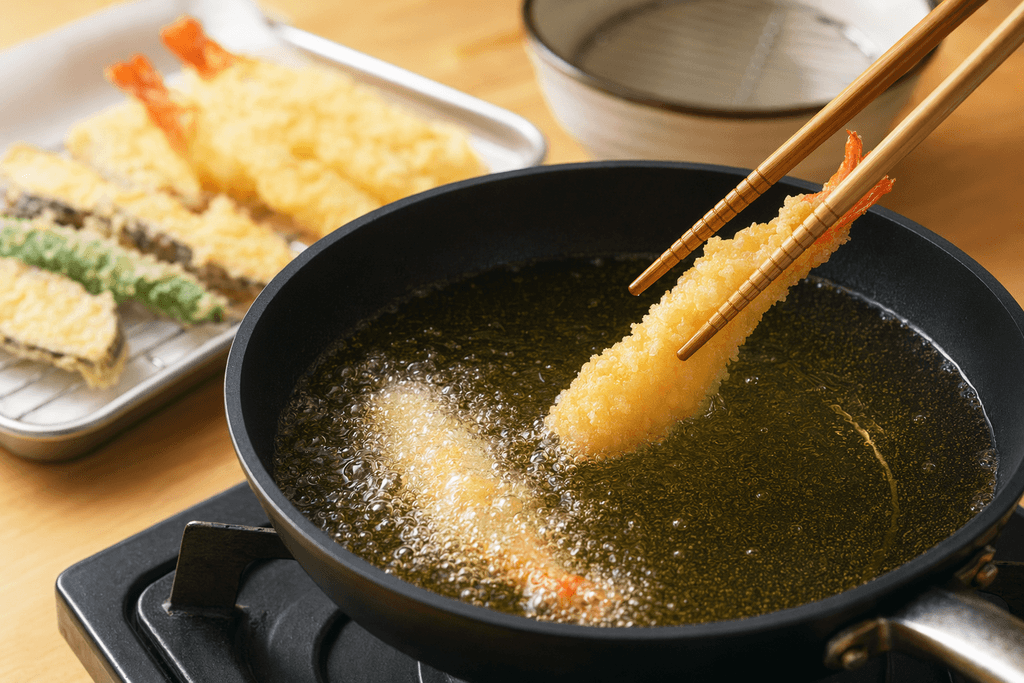
ဆီ (အရည်; သီးဝါးဆီ သို့မဟုတ် ရေနံ) / အဆီ (မာတည်; သတ္တဝါအဆီ) / အသားအရေမှ ထွက်သော အဆီ (အဆီပြန်)
( romanization )
おろす
အောက်ချသည်
おろす
အောက်ချသည်
Explanation
အောက်ချသည်
おろす
ချလိုက်သည်၊ လျှော့ချသည် / ကုန်တင်မှ ချ卸သည် / လက္ကားဖြင့် ရောင်းချသည်

Word Forms
The basic and commonly used forms of this verb.
Basic forms
| Form | Word form | Usage |
|---|---|---|
| Imperfective form (mizenkei) |
Alternative:
おろそ
|
Connects to endings such as nai, reru, and seru. |
| Continuative form (renyokei) | Connects to endings such as masu, tai, and ta. | |
| Conclusive form (shushikei) | Ends a sentence and serves as the dictionary form. | |
| Attributive form (rentaikei) | Modifies a noun. | |
| Conditional form (kateikei) | Combines with ba to express a condition. | |
| Imperative form (meireikei) | Expresses a command or instruction. |
Common forms
| Form | Word form | Usage |
|---|---|---|
| Te-form | Connects clauses with te. | |
| Ta-form | Expresses the past with ta. | |
| Nai-form | Expresses negation with nai. | |
| Masu-form | Used for polite speech. | |
| Ba-form | Expresses a condition with ba. | |
| Volitional form | Expresses intention or invitation. |
Notes
頂戴する
လက်ခံရရှိသည်
頂戴する
လက်ခံရရှိသည်
Explanation
頂戴する
လက်ခံရရှိသည်
頂戴する
လက်ခံရယူသည် (နိမ့်ချသုံး) / (စကားပြော) ပေးပါ; လုပ်ပေး

Word Forms
The basic and commonly used forms of this verb.
Basic forms
| Form | Word form | Usage |
|---|---|---|
| Imperfective form (mizenkei) |
Alternative:
頂戴せ
頂戴さ
|
Connects to endings such as nai, reru, and seru. |
| Continuative form (renyokei) | Connects to endings such as masu, tai, and ta. | |
| Conclusive form (shushikei) | Ends a sentence and serves as the dictionary form. | |
| Attributive form (rentaikei) | Modifies a noun. | |
| Conditional form (kateikei) | Combines with ba to express a condition. | |
| Imperative form (meireikei) |
Alternative:
頂戴せよ
|
Expresses a command or instruction. |
Common forms
| Form | Word form | Usage |
|---|---|---|
| Te-form | Connects clauses with te. | |
| Ta-form | Expresses the past with ta. | |
| Nai-form |
Alternative:
頂戴せぬ
|
Expresses negation with nai. |
| Masu-form | Used for polite speech. | |
| Ba-form | Expresses a condition with ba. | |
| Volitional form |
Alternative:
頂戴しましょう
|
Expresses intention or invitation. |
Notes
あな
အပေါက်
あな
အပေါက်
Explanation
အပေါက်
あな
အပေါက် / အဝ / ပေါက်

( romanization )
Loading...

JLPT N3 多言語単語帳・1677語 / JLPT N3 Multilingual Vocabulary: 1677 Words

Jonathan Waller 氏の JLPT Resources の語彙リスト・レベル分類を出典とし、CC BY の条件に従って DiQt が学習者向けに意味を作り直した1677語の単語帳です。JLPT公式の語彙リストではありません。
This collection of 1677 words is based on the vocabulary list and level classifications in Jonathan Waller’s JLPT Resources under CC BY, with meanings rewritten by DiQt for learners. It is not an official JLPT vocabulary list.
Key Operations
Select the first quiz:
Ctrl + Enter
View Explanation:Ctrl + G
Close a feedback:Esc
When selecting a quiz
Answer:Enter
Select a choice:↓ or ↑
Reading out the question:Ctrl + K
View Hint: Ctrl + M
I don't know: Ctrl + Y



