
JLPT N1 词义四选一 - Unsolved

通过四选一题目,用简体中文学习JLPT N1的3032个单词含义。
-
显得好看
-
朝向
-
称作 / 自称
- 「浚う」「渫う」は五段活用。未然形は否定接続の「さらわ」と、意志形に現れる「さらお」がある。
-
饮茶 / 茶馆
-
恐吓
-
罢工
-
体面
-
灵魂
-
预先调查
-
失误 / 失败
-
连成串
-
澄清 / 装作若无其事
-
团结互助
-
晶体 / 结晶
-
适应
-
热忱
-
贫困 / 匮乏
-
野心
-
尿液
-
新生
-
占领
-
记载
-
化合
-
资金
-
犯错
-
配备有 / 具备
-
扣除
-
教职
-
躯干
-
围棋棋盘
さらう
卷走 / 绑架
さらう
卷走 / 绑架
Explanation
卷走 / 绑架
さらう
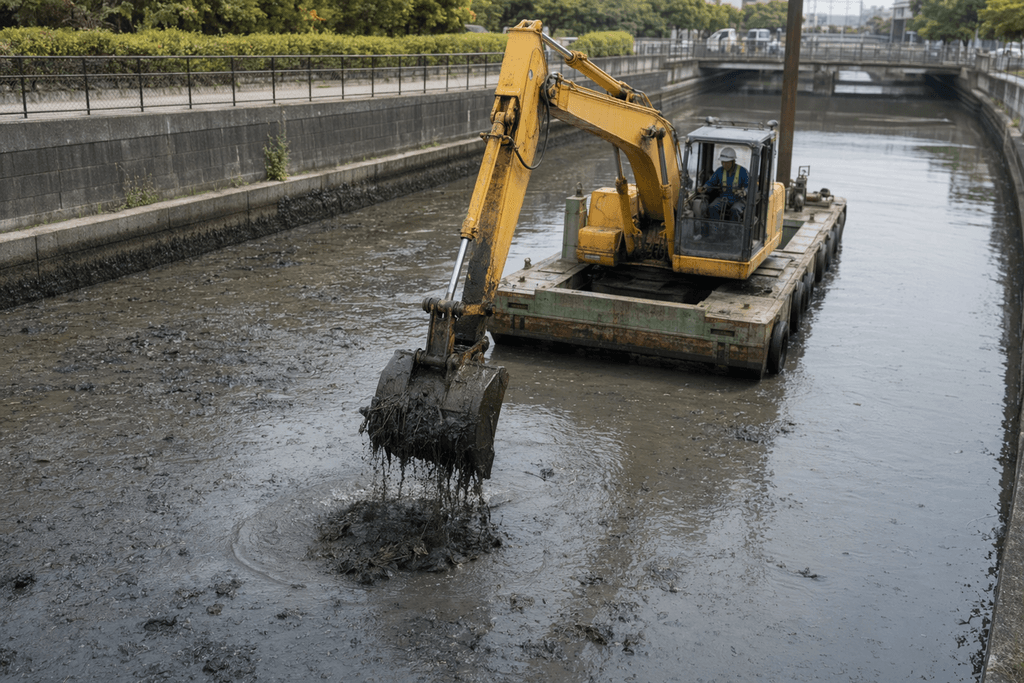
疏浚清理(河道、池塘等) / 清除干净 / 彻底打扫
Word Forms
The basic and commonly used forms of this verb.
Basic forms
| Form | Word form | Usage |
|---|---|---|
| Imperfective form (mizenkei) |
Alternative:
さらお
|
Connects to endings such as nai, reru, and seru. |
| Continuative form (renyokei) | Connects to endings such as masu, tai, and ta. | |
| Conclusive form (shushikei) | Ends a sentence and serves as the dictionary form. | |
| Attributive form (rentaikei) | Modifies a noun. | |
| Conditional form (kateikei) | Combines with ba to express a condition. | |
| Imperative form (meireikei) | Expresses a command or instruction. |
Common forms
| Form | Word form | Usage |
|---|---|---|
| Te-form | Connects clauses with te. | |
| Ta-form | Expresses the past with ta. | |
| Nai-form | Expresses negation with nai. | |
| Masu-form | Used for polite speech. | |
| Ba-form | Expresses a condition with ba. | |
| Volitional form | Expresses intention or invitation. |
Notes
電源
电源
電源
电源
Explanation
電源
电源
電源
电力来源;供电装置 / 电源插座

( Base form )
( romanization )
( hiragana )
暴動
暴乱
暴動
暴乱
Explanation
暴動
暴乱
暴動
暴动 / 骚乱 / 暴乱

( Base form )
( romanization )
( hiragana )
ひろまる
传播
ひろまる
传播
Explanation
传播
ひろまる
传播 / 扩散 / 蔓延

Word Forms
The basic and commonly used forms of this verb.
Basic forms
| Form | Word form | Usage |
|---|---|---|
| Imperfective form (mizenkei) |
Alternative:
ひろまろ
|
Connects to endings such as nai, reru, and seru. |
| Continuative form (renyokei) | Connects to endings such as masu, tai, and ta. | |
| Conclusive form (shushikei) | Ends a sentence and serves as the dictionary form. | |
| Attributive form (rentaikei) | Modifies a noun. | |
| Conditional form (kateikei) | Combines with ba to express a condition. | |
| Imperative form (meireikei) | Expresses a command or instruction. |
Common forms
タイミング
时机
タイミング
时机
Explanation
时机
タイミング
时机 / 时点 / (动作的)节奏配合

( romanization )
了解
理解 / 同意
了解
理解 / 同意
Explanation
了解
理解 / 同意
了解
理解;领会 / 同意;应允

( Base form )
( romanization )
( hiragana )
樹立
建立 / 创下
樹立
建立 / 创下
Explanation
樹立
建立 / 创下
樹立
建立;确立 / 奠定基础 / 创纪录

( Base form )
( romanization )
( hiragana )
製法
制造方法
製法
制造方法
Explanation
製法
制造方法
製法
制造方法 / 制作方法 / 生产工艺

( Base form )
( romanization )
( hiragana )
導く
引导
導く
引导
Explanation
導く
引导
導く
引导 / 带领 / 传导

Word Forms
The basic and commonly used forms of this verb.
Basic forms
| Form | Word form | Usage |
|---|---|---|
| Imperfective form (mizenkei) |
Alternative:
導こ
|
Connects to endings such as nai, reru, and seru. |
| Continuative form (renyokei) | Connects to endings such as masu, tai, and ta. | |
| Conclusive form (shushikei) | Ends a sentence and serves as the dictionary form. | |
| Attributive form (rentaikei) | Modifies a noun. | |
| Conditional form (kateikei) | Combines with ba to express a condition. | |
| Imperative form (meireikei) | Expresses a command or instruction. |
Common forms
改定
修改 / 调整
改定
修改 / 调整
Explanation
改定
修改 / 调整
改定
法律、规章的修订 / 法令条文的修订 / 制度条款的修改

( Base form )
( romanization )
( hiragana )
Loading...

JLPT N1 多言語単語帳・3032語 / JLPT N1 Multilingual Vocabulary: 3032 Words

Jonathan Waller 氏の JLPT Resources の語彙リスト・レベル分類を出典とし、CC BY の条件に従って DiQt が学習者向けに意味を作り直した3032語の単語帳です。JLPT公式の語彙リストではありません。
This collection of 3032 words is based on the vocabulary list and level classifications in Jonathan Waller’s JLPT Resources under CC BY, with meanings rewritten by DiQt for learners. It is not an official JLPT vocabulary list.
Key Operations
Select the first quiz:
Ctrl + Enter
View Explanation:Ctrl + G
Close a feedback:Esc
When selecting a quiz
Answer:Enter
Select a choice:↓ or ↑
Reading out the question:Ctrl + K
View Hint: Ctrl + M
I don't know: Ctrl + Y



