
JLPT N1 词义四选一 - Unsolved

通过四选一题目,用简体中文学习JLPT N1的3032个单词含义。
-
独特的
-
迟钝的
-
正常的
-
初版
-
补偿
-
渔船
-
产后
-
左撇子
-
习俗
-
指示
-
缘分
-
侮辱
-
粪便
-
家庭旅馆
-
爱憎
-
适性
-
束缚 / 限制
-
死亡
-
贬低
-
决定 / 制定
-
凝固 / 巩固
- 「図る」はラ行五段活用の動詞。
-
敢于 / 特意
-
尤其
-
如何 / 多么
-
言论
-
复出
-
旷地
-
强行实施
-
弹簧
-
背景
精巧
精巧的
精巧
精巧的
Explanation
精巧
精巧的
精巧
精致细腻 / 巧妙而细致 / 繁复而精致

Word Forms
The basic and commonly used forms of this adjectival noun.
Basic forms
| Form | Word form | Usage |
|---|---|---|
| Imperfective form (mizenkei) | Used in forms such as darou. | |
| Continuative form (renyokei) |
Alternative:
精巧に
精巧だっ
|
Used with de or ni. |
| Conclusive form (shushikei) | Ends a sentence with da. | |
| Attributive form (rentaikei) |
Alternative:
精巧なる
|
Modifies a noun with na. |
| Conditional form (kateikei) |
Alternative:
精巧であれば
|
Expresses a condition with nara. |
| Imperative form (meireikei) | Used in formal expressions such as de are. |
Common forms
刑
刑
刑
刑
Explanation
刑
刑
刑
刑罚 / 惩罚(尤指刑事处罚)

( romanization )
( hiragana )
合致
吻合
合致
吻合
Explanation
合致
吻合
合致
一致 / 符合 / 吻合

故人
逝者
故人
逝者
Explanation
故人
逝者
故人
已故之人 / 老友;旧友

( Base form )
( romanization )
( hiragana )
新築
新建
新築
新建
Explanation
新築
新建
新築
新房 / 新建住房 / 新建住宅

( Base form )
( romanization )
( hiragana )
お洒落
讲究打扮
お洒落
讲究打扮
Explanation
お洒落
讲究打扮
お洒落
时髦的人 / 穿着讲究的人 / 有品味的人

( Base form )
( romanization )
( hiragana )
図る
谋划 / 设法
図る
谋划 / 设法
Explanation
図る
谋划 / 设法
図る
计划 / 谋划 / 力求达到

Word Forms
The basic and commonly used forms of this verb.
Basic forms
| Form | Word form | Usage |
|---|---|---|
| Imperfective form (mizenkei) |
Alternative:
図ろ
|
Connects to endings such as nai, reru, and seru. |
| Continuative form (renyokei) | Connects to endings such as masu, tai, and ta. | |
| Conclusive form (shushikei) | Ends a sentence and serves as the dictionary form. | |
| Attributive form (rentaikei) | Modifies a noun. | |
| Conditional form (kateikei) | Combines with ba to express a condition. | |
| Imperative form (meireikei) | Expresses a command or instruction. |
Common forms
| Form | Word form | Usage |
|---|---|---|
| Te-form | Connects clauses with te. | |
| Ta-form | Expresses the past with ta. | |
| Nai-form | Expresses negation with nai. | |
| Masu-form | Used for polite speech. | |
| Ba-form | Expresses a condition with ba. | |
| Volitional form | Expresses intention or invitation. |
Notes
がっくり
垂头丧气 / 急剧下降
がっくり
垂头丧气 / 急剧下降
Explanation
垂头丧气 / 急剧下降
がっくり
沮丧地;垂头丧气地 / 突然崩塌地;一下子垮掉地 / (价格、成绩等)骤降地;大幅下跌地

辛抱
忍耐
辛抱
忍耐
Explanation
辛抱
忍耐
辛抱
忍耐 / 耐心 / 坚忍

( Base form )
( romanization )
( hiragana )
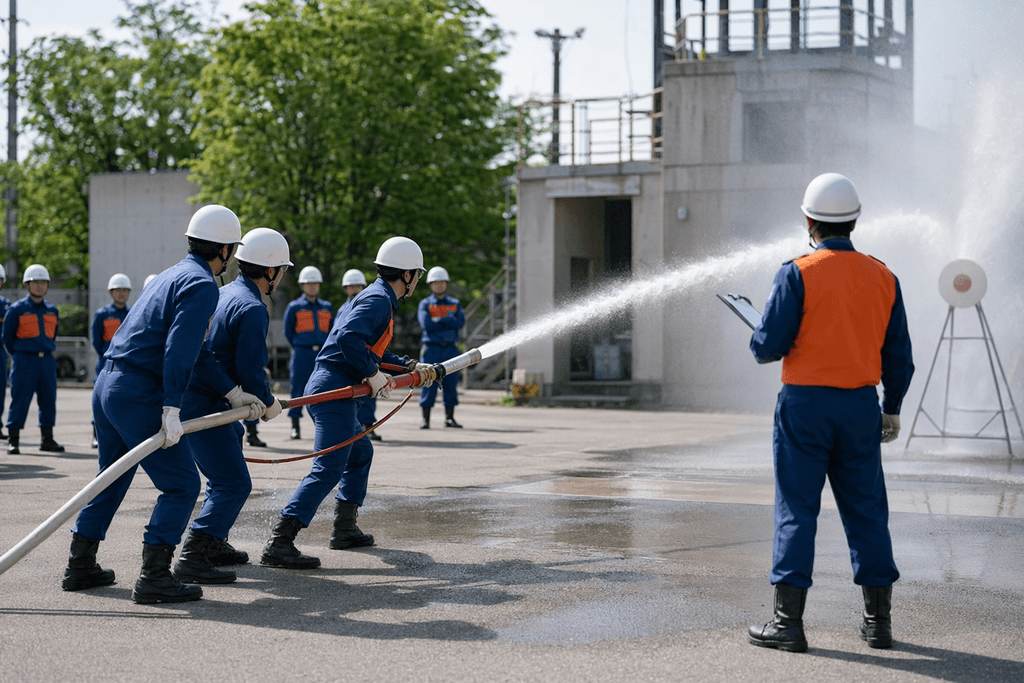
演習
练习 / 军事演习
演習
练习 / 军事演习
Explanation
演習
练习 / 军事演习
演習
演练或模拟训练 / 军事演习 / (学术/课程)练习、习题
( Base form )
( romanization )
( hiragana )
Loading...

JLPT N1 多言語単語帳・3032語 / JLPT N1 Multilingual Vocabulary: 3032 Words

Jonathan Waller 氏の JLPT Resources の語彙リスト・レベル分類を出典とし、CC BY の条件に従って DiQt が学習者向けに意味を作り直した3032語の単語帳です。JLPT公式の語彙リストではありません。
This collection of 3032 words is based on the vocabulary list and level classifications in Jonathan Waller’s JLPT Resources under CC BY, with meanings rewritten by DiQt for learners. It is not an official JLPT vocabulary list.
Key Operations
Select the first quiz:
Ctrl + Enter
View Explanation:Ctrl + G
Close a feedback:Esc
When selecting a quiz
Answer:Enter
Select a choice:↓ or ↑
Reading out the question:Ctrl + K
View Hint: Ctrl + M
I don't know: Ctrl + Y



