
JLPT N1 词义四选一 - Unsolved

通过四选一题目,用简体中文学习JLPT N1的3032个单词含义。
-
荣誉
-
香辛料
-
制造方法
-
按月分期付款
-
听讲
-
制裁
-
过量
-
天地
-
投降
-
不知不觉
-
妥善地 / 请多关照
-
分成两半
-
严谨的 / 精确的
-
夸张
-
一丝不苟
-
恶化
-
预定日期
-
禅宗
-
膨胀
-
开头
-
腐烂 / 腐败
-
违背 / 背离
-
尝试
-
缓解
-
奔跑
-
努力
-
盟誓
-
装饰
-
舆论争议
-
古董
コントロール
控制
コントロール
控制
Explanation
控制
コントロール
控制器(用于控制设备或系统的电子或机械装置) / 实验对照;对照组成员

( romanization )
負担
负担
負担
负担
Explanation
負担
负担
負担
负担 / 费用负担 / 责任、义务

( Base form )
( romanization )
( hiragana )
浮気
出轨
浮気
出轨
Explanation
浮気
出轨
浮気
外遇 / 感情不忠 / 善变

( Base form )
( romanization )
( romanization )
( kyūjitai )
( hiragana historical )
( hiragana )
とかく
往往 / 总之
とかく
往往 / 总之
Explanation
往往 / 总之
とかく
倾向于;易于;往往会 / (とかくの)各种各样的(多指负面) / 这样那样;总之;不管怎样

( romanization )
華奢
纤弱 / 苗条
華奢
纤弱 / 苗条
Explanation
華奢
纤弱 / 苗条
華奢
奢华的 / 华丽的 / 艳俗的

Word Forms
The basic and commonly used forms of this adjectival noun.
Basic forms
| Form | Word form | Usage |
|---|---|---|
| Imperfective form (mizenkei) | Used in forms such as darou. | |
| Continuative form (renyokei) |
Alternative:
華奢に
|
Used with de or ni. |
| Conclusive form (shushikei) |
Alternative:
華奢です
|
Ends a sentence with da. |
| Attributive form (rentaikei) | Modifies a noun with na. | |
| Conditional form (kateikei) | Expresses a condition with nara. | |
| Imperative form (meireikei) | Used in formal expressions such as de are. |
Common forms
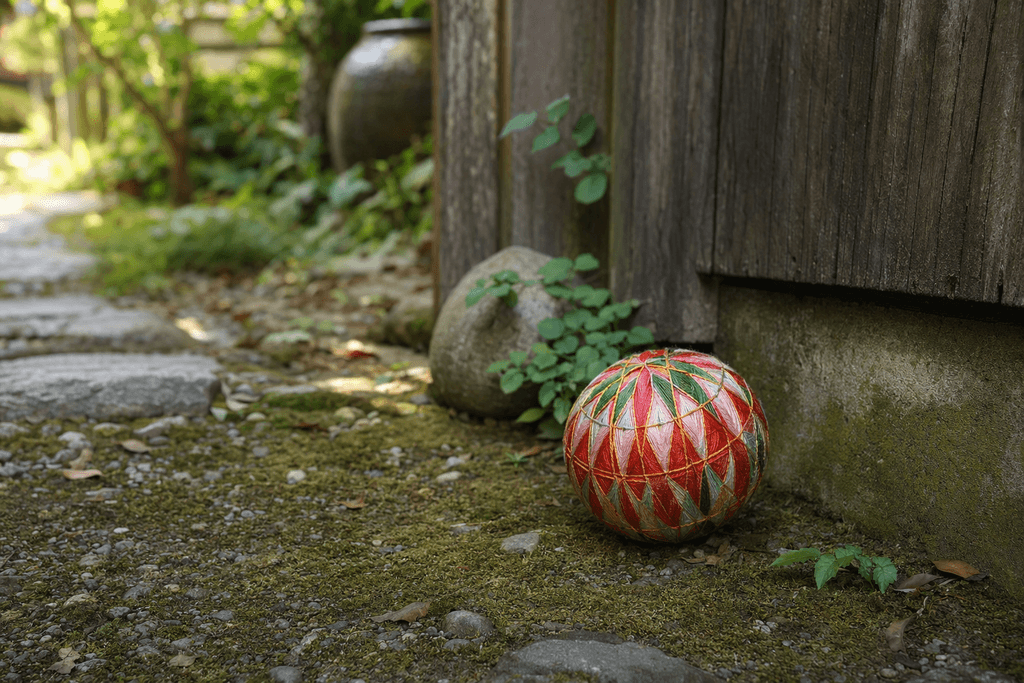
鞠
传统球
鞠
传统球
Explanation
鞠
传统球
鞠
球 / 皮球
意向
意向
意向
意向
Explanation
意向
意向
意向
意图或愿望 / 行为或选择的倾向 / 打算或设想

( Base form )
( romanization )
( romanization )
( hiragana historical )
( hiragana )
取り除く
除去
取り除く
除去
Explanation
取り除く
除去
取り除く
去除 / 剔除 / 拿走

Word Forms
The basic and commonly used forms of this verb.
Basic forms
| Form | Word form | Usage |
|---|---|---|
| Imperfective form (mizenkei) |
Alternative:
取り除こ
|
Connects to endings such as nai, reru, and seru. |
| Continuative form (renyokei) | Connects to endings such as masu, tai, and ta. | |
| Conclusive form (shushikei) | Ends a sentence and serves as the dictionary form. | |
| Attributive form (rentaikei) | Modifies a noun. | |
| Conditional form (kateikei) | Combines with ba to express a condition. | |
| Imperative form (meireikei) | Expresses a command or instruction. |
Common forms
差し掛かる
来到 / 临近
差し掛かる
来到 / 临近
Explanation
差し掛かる
来到 / 临近
差し掛かる
接近 / 临近

Word Forms
The basic and commonly used forms of this verb.
Basic forms
| Form | Word form | Usage |
|---|---|---|
| Imperfective form (mizenkei) |
Alternative:
差し掛かろ
|
Connects to endings such as nai, reru, and seru. |
| Continuative form (renyokei) | Connects to endings such as masu, tai, and ta. | |
| Conclusive form (shushikei) | Ends a sentence and serves as the dictionary form. | |
| Attributive form (rentaikei) | Modifies a noun. | |
| Conditional form (kateikei) | Combines with ba to express a condition. | |
| Imperative form (meireikei) | Expresses a command or instruction. |
Common forms
提示
出示
提示
出示
Explanation
提示
出示
提示
出示的行为(证据、文件等) / 展示、显示的行为 / 呈递某物以供查看的行为

( Base form )
( romanization )
( hiragana )
Loading...

JLPT N1 多言語単語帳・3032語 / JLPT N1 Multilingual Vocabulary: 3032 Words

Jonathan Waller 氏の JLPT Resources の語彙リスト・レベル分類を出典とし、CC BY の条件に従って DiQt が学習者向けに意味を作り直した3032語の単語帳です。JLPT公式の語彙リストではありません。
This collection of 3032 words is based on the vocabulary list and level classifications in Jonathan Waller’s JLPT Resources under CC BY, with meanings rewritten by DiQt for learners. It is not an official JLPT vocabulary list.
Key Operations
Select the first quiz:
Ctrl + Enter
View Explanation:Ctrl + G
Close a feedback:Esc
When selecting a quiz
Answer:Enter
Select a choice:↓ or ↑
Reading out the question:Ctrl + K
View Hint: Ctrl + M
I don't know: Ctrl + Y



