
JLPT N1 词义四选一 - Unsolved

通过四选一题目,用简体中文学习JLPT N1的3032个单词含义。
-
相称的
-
不过瘾
-
美味
-
街区
-
纠正
-
口信
-
漂洗
-
变模糊
-
害羞
- 「転ずる」ともいう。
-
凝固 / 巩固
-
扮演
-
蒙赐 / 赐予
-
假装
-
尽头
-
商家
-
同伴
-
救援
-
女士
-
催促
-
需要
-
冒烟
- 「尽きる・終わる」「死ぬ」の意のほか、動詞の連用形に付いて「すっかり〜する・極限まで〜する」の意を表す。
-
昆虫
-
源头
-
信徒
-
液体
-
远景
-
诊疗
-
分离
-
特派
-
吊环
紛らわしい
易混淆的
紛らわしい
易混淆的
Explanation
紛らわしい
易混淆的
紛らわしい
容易混淆的 / 具有误导性的 / 含糊不清的

Word Forms
The basic and commonly used forms of this adjective.
Basic forms
| Form | Word form | Usage |
|---|---|---|
| Imperfective form (mizenkei) | Used in forms such as karou; mainly literary. | |
| Continuative form (renyokei) |
Alternative:
紛らわしかっ
|
Used in forms such as kute and kunai. |
| Conclusive form (shushikei) | Ends a sentence. | |
| Attributive form (rentaikei) | Modifies a noun. | |
| Conditional form (kateikei) | Expresses a condition with kereba. | |
| Imperative form (meireikei) | Rarely used in modern Japanese. |
Common forms
収集
收集
収集
收集
Explanation
収集
收集
収集
收集、采集的行为 / 收藏或搜集到的物品、资料的总称

( Base form )
( romanization )
( romanization )
( hiragana historical )
( hiragana )
転じる
转向 / 转变
転じる
转向 / 转变
Explanation
転じる
转向 / 转变
転じる
改变 / 转向 / 转移(话题、焦点等)

Word Forms
The basic and commonly used forms of this verb.
Basic forms
| Form | Word form | Usage |
|---|---|---|
| Imperfective form (mizenkei) | Connects to endings such as nai, reru, and seru. | |
| Continuative form (renyokei) | Connects to endings such as masu, tai, and ta. | |
| Conclusive form (shushikei) | Ends a sentence and serves as the dictionary form. | |
| Attributive form (rentaikei) | Modifies a noun. | |
| Conditional form (kateikei) | Combines with ba to express a condition. | |
| Imperative form (meireikei) |
Alternative:
転じよ
|
Expresses a command or instruction. |
Common forms
| Form | Word form | Usage |
|---|---|---|
| Te-form | Connects clauses with te. | |
| Ta-form | Expresses the past with ta. | |
| Nai-form | Expresses negation with nai. | |
| Masu-form | Used for polite speech. | |
| Ba-form | Expresses a condition with ba. | |
| Volitional form | Expresses intention or invitation. |
Notes
果たす
履行
果たす
履行
Explanation
果たす
履行
果たす
完成;达成 / 履行职责、义务或诺言 / 执行任务;实现目标

Word Forms
The basic and commonly used forms of this verb.
Basic forms
| Form | Word form | Usage |
|---|---|---|
| Imperfective form (mizenkei) |
Alternative:
果たそ
|
Connects to endings such as nai, reru, and seru. |
| Continuative form (renyokei) | Connects to endings such as masu, tai, and ta. | |
| Conclusive form (shushikei) | Ends a sentence and serves as the dictionary form. | |
| Attributive form (rentaikei) | Modifies a noun. | |
| Conditional form (kateikei) | Combines with ba to express a condition. | |
| Imperative form (meireikei) | Expresses a command or instruction. |
Common forms
就業
就业
就業
就业
Explanation
就業
就业
就業
获得工作 / 受雇 / 参加工作

( Base form )
( romanization )
( romanization )
( hiragana historical )
( hiragana )
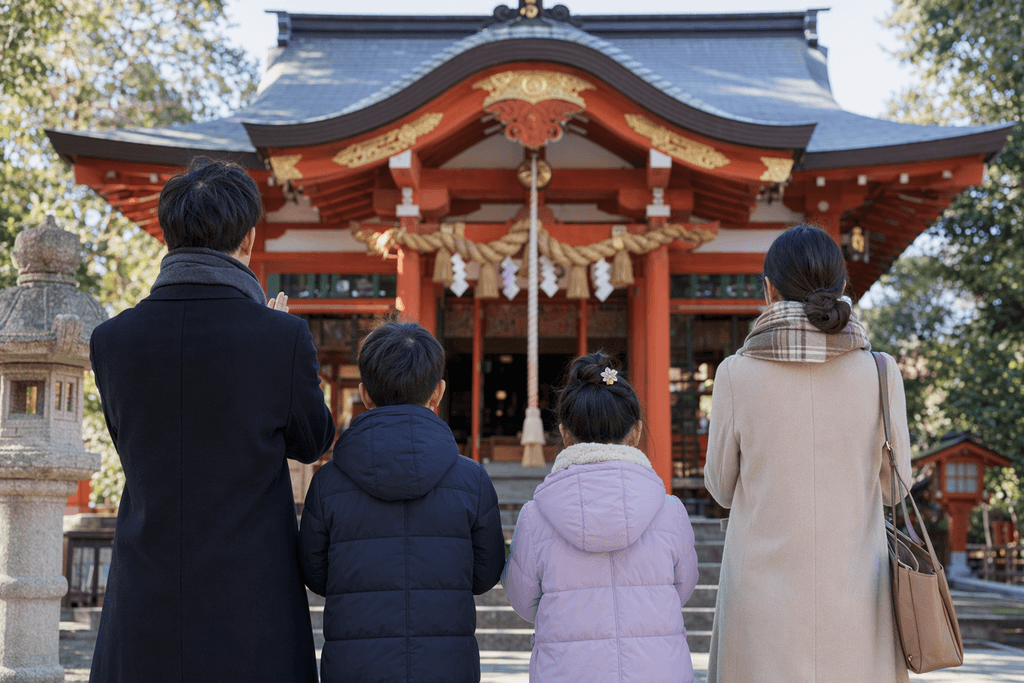
慣例
惯常做法
慣例
惯常做法
Explanation
慣例
惯常做法
慣例
常规做法 / 通行的规则或程序 / 先例
( Base form )
( romanization )
( hiragana )
果てる
结束 / 死去
果てる
结束 / 死去
Explanation
果てる
结束 / 死去
果てる
结束;终结 / 死亡 / (接在动词后)完全……;到极限

Word Forms
The basic and commonly used forms of this verb.
Basic forms
| Form | Word form | Usage |
|---|---|---|
| Imperfective form (mizenkei) | Connects to endings such as nai, reru, and seru. | |
| Continuative form (renyokei) | Connects to endings such as masu, tai, and ta. | |
| Conclusive form (shushikei) | Ends a sentence and serves as the dictionary form. | |
| Attributive form (rentaikei) | Modifies a noun. | |
| Conditional form (kateikei) | Combines with ba to express a condition. | |
| Imperative form (meireikei) |
Alternative:
果てよ
|
Expresses a command or instruction. |
Common forms
| Form | Word form | Usage |
|---|---|---|
| Te-form | Connects clauses with te. | |
| Ta-form | Expresses the past with ta. | |
| Nai-form | Expresses negation with nai. | |
| Masu-form | Used for polite speech. | |
| Ba-form | Expresses a condition with ba. | |
| Volitional form | Expresses intention or invitation. |
Notes
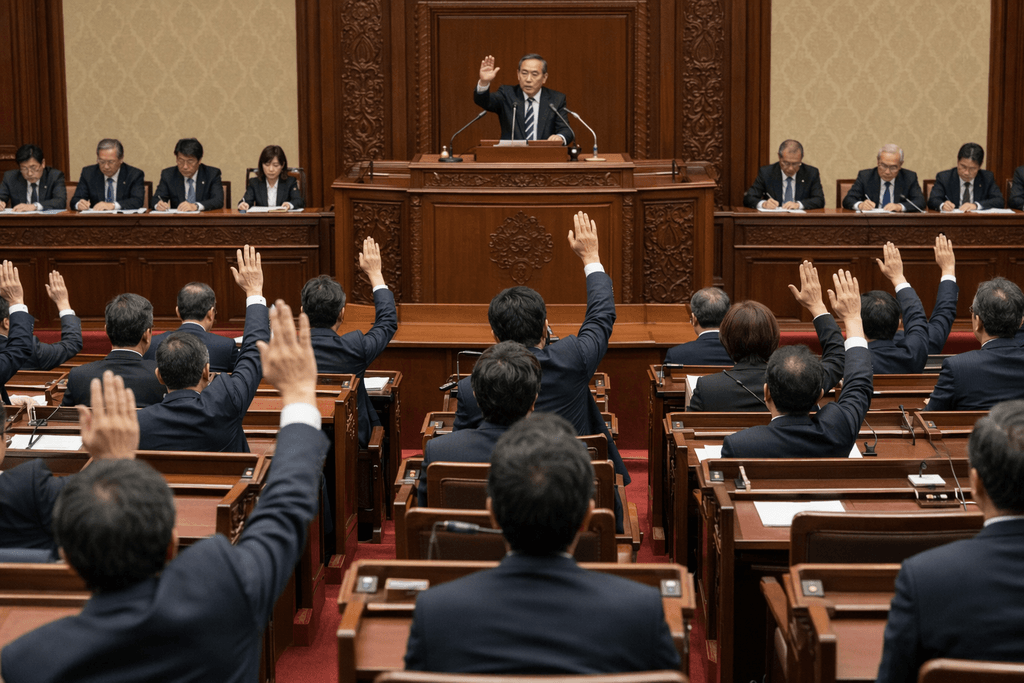
採決
表决
採決
表决
Explanation
採決
表决
採決
表决 / 投票表决 / 通过投票作出的决定
( Base form )
( romanization )
( hiragana )
歩
步兵棋子
歩
步兵棋子
Explanation
歩
步兵棋子
歩
(日本将棋)步兵(棋子) / (日本将棋)步(“步兵”的简称)
( romanization )
( kyūjitai )
( hiragana )
デモンストレーション
示范
デモンストレーション
示范
Explanation
示范
デモンストレーション
演示 / 示威游行

( romanization )
Loading...

JLPT N1 多言語単語帳・3032語 / JLPT N1 Multilingual Vocabulary: 3032 Words

Jonathan Waller 氏の JLPT Resources の語彙リスト・レベル分類を出典とし、CC BY の条件に従って DiQt が学習者向けに意味を作り直した3032語の単語帳です。JLPT公式の語彙リストではありません。
This collection of 3032 words is based on the vocabulary list and level classifications in Jonathan Waller’s JLPT Resources under CC BY, with meanings rewritten by DiQt for learners. It is not an official JLPT vocabulary list.
Key Operations
Select the first quiz:
Ctrl + Enter
View Explanation:Ctrl + G
Close a feedback:Esc
When selecting a quiz
Answer:Enter
Select a choice:↓ or ↑
Reading out the question:Ctrl + K
View Hint: Ctrl + M
I don't know: Ctrl + Y



