
JLPT N1 词义四选一 - Unsolved

通过四选一题目,用简体中文学习JLPT N1的3032个单词含义。
-
满月
-
奇特爱好
-
海拔
-
缓和
-
拜访
-
弹回 / 反抗
-
手工艺
-
亲切
-
弹回 / 反抗
-
现行的
-
离别
-
嫉妒
-
遗漏
-
施予 / 施行
-
钩住 / 设圈套
- 「寝る(ねる)」は下一段活用だが、「練る(ねる)」は五段ラ行活用。
-
疾病
-
假装
-
共情
-
神殿
-
秘书
-
盾牌 / 借口
-
哎呀
-
谢谢
-
来吧 / 关键时刻
-
订购 / 调货
-
干瘪
-
使休息
-
古董
-
判定
-
执着 / 执迷
処置
处置 / 治疗
処置
处置 / 治疗
Explanation
処置
处置 / 治疗
処置
措施 / 处置 / 处理

( Base form )
( romanization )
( hiragana )
直感
直觉
直感
直觉
Explanation
直感
直觉
直感
直觉 / 本能

( Base form )
( romanization )
( romanization )
( hiragana historical )
( hiragana )
分担
分担
分担
分担
Explanation
分担
分担
分担
分配 / 责任或费用的分摊 / 工作或任务的分工

( Base form )
( romanization )
( hiragana )
出産
分娩
出産
分娩
Explanation
出産
分娩
出産
生产(分娩) / 生育 / (医学)生殖

( Base form )
( romanization )
( kyūjitai )
( hiragana )
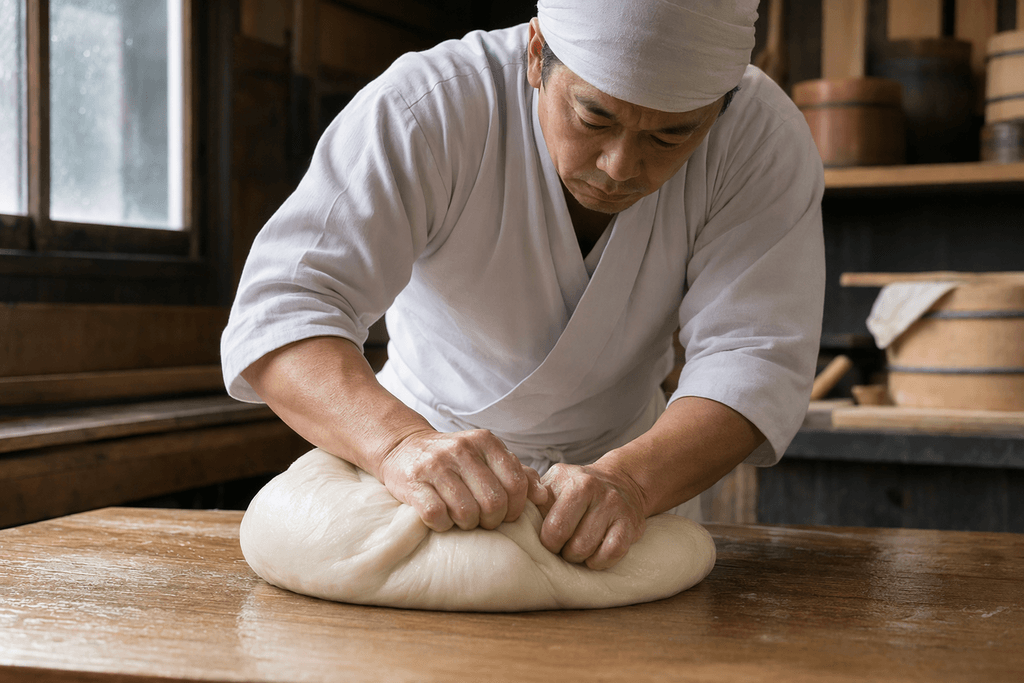
練る
揉捏 / 推敲计划
練る
揉捏 / 推敲计划
Explanation
練る
揉捏 / 推敲计划
練る
揉捏成团 / 反复推敲并完善(想法、方案等) / 使丝绸柔软并上光
Word Forms
The basic and commonly used forms of this verb.
Basic forms
| Form | Word form | Usage |
|---|---|---|
| Imperfective form (mizenkei) |
Alternative:
練ろ
|
Connects to endings such as nai, reru, and seru. |
| Continuative form (renyokei) |
Alternative:
練っ
|
Connects to endings such as masu, tai, and ta. |
| Conclusive form (shushikei) | Ends a sentence and serves as the dictionary form. | |
| Attributive form (rentaikei) | Modifies a noun. | |
| Conditional form (kateikei) | Combines with ba to express a condition. | |
| Imperative form (meireikei) | Expresses a command or instruction. |
Common forms
| Form | Word form | Usage |
|---|---|---|
| Te-form | Connects clauses with te. | |
| Ta-form | Expresses the past with ta. | |
| Nai-form | Expresses negation with nai. | |
| Masu-form | Used for polite speech. | |
| Ba-form | Expresses a condition with ba. | |
| Volitional form | Expresses intention or invitation. |
Notes
不意
意外
不意
意外
Explanation
不意
意外
不意
意外的 / 突然的 / 猝不及防的

( Base form )
( romanization )
( adnominal )
( adverbial )
( hiragana )
( table-tags )
( inflection-template )
( imperfective stem )
( imperfective stem )
( imperfective )
( continuative stem )
( continuative stem )
( continuative )
( stem terminative )
( stem terminative )
( terminative )
( attributive stem )
( attributive stem )
( attributive )
( hypothetical stem )
( hypothetical stem )
( hypothetical )
( Imperative stem )
( Imperative stem )
( Imperative )
( informal negative )
( informal negative )
( informal negative )
( informal negative )
( informal negative )
( informal negative )
( informal Past )
( informal Past )
( informal Past )
( informal negative Past )
( informal negative Past )
( informal negative Past )
( informal negative Past )
( informal negative Past )
( informal negative Past )
( formal )
( formal )
( formal )
( formal negative )
( formal negative )
( formal negative )
( formal negative )
( formal negative )
( formal negative )
( formal Past )
( formal Past )
( formal Past )
( formal negative Past )
( formal negative Past )
( formal negative Past )
( formal negative Past )
( formal negative Past )
( formal negative Past )
( conjunctive )
( conjunctive )
( conjunctive )
( Conditional )
( Conditional )
( Conditional )
( Conditional Past )
( Conditional Past )
( Conditional Past )
( volitional )
( volitional )
( volitional )
( adverbial )
( adverbial )
( adverbial )
( noun-from-adj )
( noun-from-adj )
( noun-from-adj )
幹線
干线
幹線
干线
Explanation
幹線
干线
幹線
交通运输中的主要线路 / 通信或电力网络中的主干线路

( Base form )
( romanization )
( hiragana )
どれどれ
让我看看
どれどれ
让我看看
Explanation
让我看看
どれどれ
让我看看 / 来看看 / 看看有什么

( romanization )
構える
设立 / 摆好架势
構える
设立 / 摆好架势
Explanation
構える
设立 / 摆好架势
構える
建造;设立(房屋、店铺等) / 摆出姿态;采取态度;装腔作势 / 端起并瞄准(武器);策划;图谋

Word Forms
The basic and commonly used forms of this verb.
Basic forms
| Form | Word form | Usage |
|---|---|---|
| Imperfective form (mizenkei) | Connects to endings such as nai, reru, and seru. | |
| Continuative form (renyokei) | Connects to endings such as masu, tai, and ta. | |
| Conclusive form (shushikei) | Ends a sentence and serves as the dictionary form. | |
| Attributive form (rentaikei) | Modifies a noun. | |
| Conditional form (kateikei) | Combines with ba to express a condition. | |
| Imperative form (meireikei) |
Alternative:
構えよ
|
Expresses a command or instruction. |
Common forms
貝殻
贝壳
貝殻
贝壳
Explanation
貝殻
贝壳
貝殻
贝类的外壳 / 海洋生物的硬壳

( Base form )
( romanization )
( romanization )
( kyūjitai )
( hiragana historical )
( hiragana )
Loading...

JLPT N1 多言語単語帳・3032語 / JLPT N1 Multilingual Vocabulary: 3032 Words

Jonathan Waller 氏の JLPT Resources の語彙リスト・レベル分類を出典とし、CC BY の条件に従って DiQt が学習者向けに意味を作り直した3032語の単語帳です。JLPT公式の語彙リストではありません。
This collection of 3032 words is based on the vocabulary list and level classifications in Jonathan Waller’s JLPT Resources under CC BY, with meanings rewritten by DiQt for learners. It is not an official JLPT vocabulary list.
Key Operations
Select the first quiz:
Ctrl + Enter
View Explanation:Ctrl + G
Close a feedback:Esc
When selecting a quiz
Answer:Enter
Select a choice:↓ or ↑
Reading out the question:Ctrl + K
View Hint: Ctrl + M
I don't know: Ctrl + Y



