
JLPT N1 词义四选一 - Unsolved

通过四选一题目,用简体中文学习JLPT N1的3032个单词含义。
-
极端
-
及物动词
-
强制
-
园圃 / 种植园
-
公务用途
-
骨肉亲属
-
成年
-
野外
-
支出
-
使命
-
阿拉伯人
-
脸颊
-
笼子
-
治疗
-
欲望
-
凝固 / 巩固
-
能胜任
-
膨胀 / 生闷气
-
预先
-
轮流
-
恐怕
-
优雅的
-
空洞 / 茫然
-
无礼的
- 「生真面目」はナ形容詞(形容動詞語幹)として活用する。
-
枯萎 / 瘪下去
-
追溯 / 沿路前进
-
闭门不出 / 闷热
-
思路 / 接近
-
理性
-
确信
盗み
偷窃
盗み
偷窃
Explanation
盗み
偷窃
盗み
盗窃 / 偷窃 / 盗窃行为

( Base form )
( romanization )
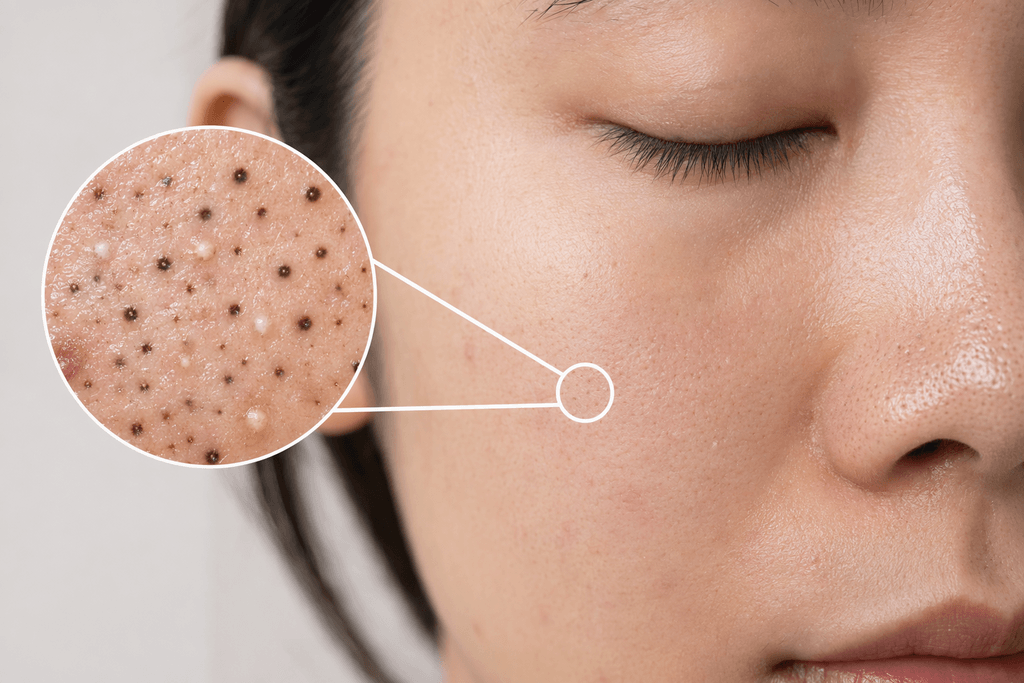
面皰
粉刺
面皰
粉刺
Explanation
面皰
粉刺
面皰
痤疮 / 粉刺 / 痘痘
( romanization )
( hiragana )
( alternative )
( Rōmaji )
誘惑
诱惑
誘惑
诱惑
Explanation
誘惑
诱惑
誘惑
诱惑;引诱 / 诱惑的力量或事物 / 圈套;陷阱(比喻)

( Base form )
( romanization )
( hiragana )
読者
读者
読者
读者
Explanation
読者
读者
読者
读者 / 阅读出版物的人

( Base form )
( romanization )
( hiragana )
清濁
清浊 / 善恶
清濁
清浊 / 善恶
Explanation
清濁
清浊 / 善恶
清濁
纯净与污浊 / 善与恶 / (语音)清音与浊音

( Base form )
( romanization )
( hiragana )
読み上げる
宣读
読み上げる
宣读
Explanation
読み上げる
宣读
読み上げる
朗读 / 读完

Word Forms
The basic and commonly used forms of this verb.
Basic forms
| Form | Word form | Usage |
|---|---|---|
| Imperfective form (mizenkei) | Connects to endings such as nai, reru, and seru. | |
| Continuative form (renyokei) | Connects to endings such as masu, tai, and ta. | |
| Conclusive form (shushikei) | Ends a sentence and serves as the dictionary form. | |
| Attributive form (rentaikei) | Modifies a noun. | |
| Conditional form (kateikei) | Combines with ba to express a condition. | |
| Imperative form (meireikei) |
Alternative:
読み上げよ
|
Expresses a command or instruction. |
Common forms
いかに
如何 / 多么
いかに
如何 / 多么
Explanation
如何 / 多么
いかに
如何地;以何种方式 / 无论多么;不管怎样

( romanization )
生真面目
过于认真
生真面目
过于认真
Explanation
生真面目
过于认真
生真面目
过于认真 / 过分严肃 / 一本正经

Word Forms
The basic and commonly used forms of this adjectival noun.
Basic forms
| Form | Word form | Usage |
|---|---|---|
| Imperfective form (mizenkei) | Used in forms such as darou. | |
| Continuative form (renyokei) |
Alternative:
生真面目に
生真面目だっ
|
Used with de or ni. |
| Conclusive form (shushikei) | Ends a sentence with da. | |
| Attributive form (rentaikei) |
Alternative:
生真面目の
|
Modifies a noun with na. |
| Conditional form (kateikei) |
Alternative:
生真面目であれば
|
Expresses a condition with nara. |
| Imperative form (meireikei) | Used in formal expressions such as de are. |
Common forms
| Form | Word form | Usage |
|---|---|---|
| Te-form equivalent | Connects clauses using de. | |
| Ta-form |
Alternative:
生真面目でした
|
Expresses the past with datta. |
| Nai-form |
Alternative:
生真面目じゃない
|
Expresses negation with dewa nai or ja nai. |
| Desu-form | Used for polite speech. |
Notes
禁じる
禁止
禁じる
禁止
Explanation
禁じる
禁止
禁じる
禁止 / 不准 / 严禁

Word Forms
The basic and commonly used forms of this verb.
Basic forms
| Form | Word form | Usage |
|---|---|---|
| Imperfective form (mizenkei) | Connects to endings such as nai, reru, and seru. | |
| Continuative form (renyokei) | Connects to endings such as masu, tai, and ta. | |
| Conclusive form (shushikei) | Ends a sentence and serves as the dictionary form. | |
| Attributive form (rentaikei) | Modifies a noun. | |
| Conditional form (kateikei) | Combines with ba to express a condition. | |
| Imperative form (meireikei) |
Alternative:
禁じよ
|
Expresses a command or instruction. |
Common forms
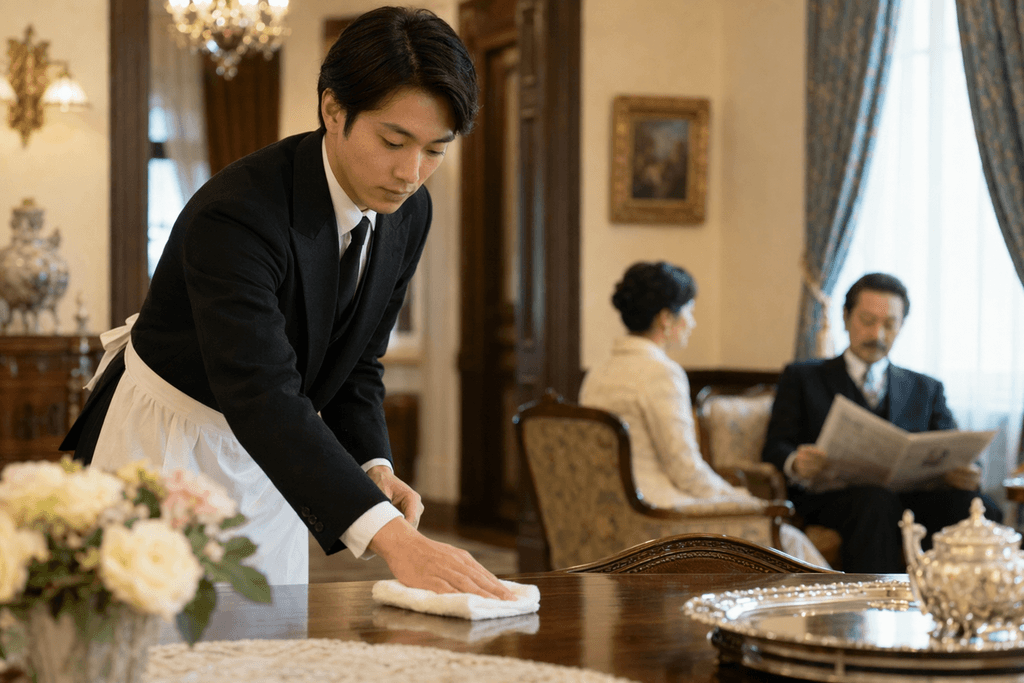
使用人
佣人
使用人
佣人
Explanation
使用人
佣人
使用人
雇员 / 仆人 / 佣人
( Base form )
( romanization )
( hiragana )
Loading...

JLPT N1 多言語単語帳・3032語 / JLPT N1 Multilingual Vocabulary: 3032 Words

Jonathan Waller 氏の JLPT Resources の語彙リスト・レベル分類を出典とし、CC BY の条件に従って DiQt が学習者向けに意味を作り直した3032語の単語帳です。JLPT公式の語彙リストではありません。
This collection of 3032 words is based on the vocabulary list and level classifications in Jonathan Waller’s JLPT Resources under CC BY, with meanings rewritten by DiQt for learners. It is not an official JLPT vocabulary list.
Key Operations
Select the first quiz:
Ctrl + Enter
View Explanation:Ctrl + G
Close a feedback:Esc
When selecting a quiz
Answer:Enter
Select a choice:↓ or ↑
Reading out the question:Ctrl + K
View Hint: Ctrl + M
I don't know: Ctrl + Y



