
JLPT N1 词义四选一 - Unsolved

通过四选一题目,用简体中文学习JLPT N1的3032个单词含义。
-
投资
-
规格
-
孤立
-
基础 / 素质
-
神秘
-
速度
-
远离
-
患病
-
袭击
-
拖拽 / 耿耿于怀
-
掐
-
反射光线
-
专修
-
密集
-
崩溃 / 放射性衰变
-
损害 / 妨碍
-
克制 / 记下
-
连成串
-
紧紧地 / 精明地
-
竟然
-
勉强
-
示范
-
群众
-
未知事物
-
教员
-
万能 / 全能
-
剧本
-
剪切
-
感受
-
末期
メディア
媒体
メディア
媒体
Explanation
媒体
メディア
新闻媒体 / 新闻界 / 传媒界

無駄遣い
浪费钱财
無駄遣い
浪费钱财
Explanation
無駄遣い
浪费钱财
無駄遣い
浪费(时间或金钱) / 无谓花费 / 胡乱花钱

( Base form )
( romanization )
掬う
舀
掬う
舀
Explanation
掬う
舀
掬う
用双手捧起(液体或细小物) / 用器具舀起、捞取 / 兜住、承接

Word Forms
The basic and commonly used forms of this verb.
Basic forms
| Form | Word form | Usage |
|---|---|---|
| Imperfective form (mizenkei) |
Alternative:
掬お
|
Connects to endings such as nai, reru, and seru. |
| Continuative form (renyokei) | Connects to endings such as masu, tai, and ta. | |
| Conclusive form (shushikei) | Ends a sentence and serves as the dictionary form. | |
| Attributive form (rentaikei) | Modifies a noun. | |
| Conditional form (kateikei) | Combines with ba to express a condition. | |
| Imperative form (meireikei) | Expresses a command or instruction. |
Common forms
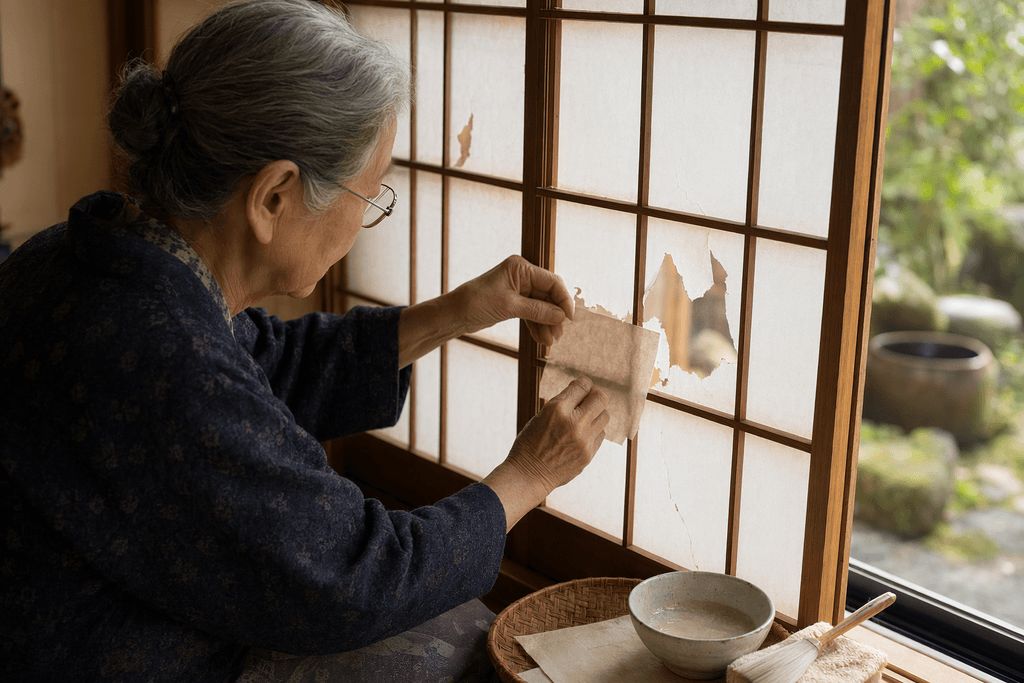
繕う
缝补 / 掩饰
繕う
缝补 / 掩饰
Explanation
繕う
缝补 / 掩饰
繕う
修补;缝补(衣物、鞋等) / 包扎伤口;处理伤势 / 整理仪容;掩饰以维持体面
Word Forms
The basic and commonly used forms of this verb.
Basic forms
| Form | Word form | Usage |
|---|---|---|
| Imperfective form (mizenkei) |
Alternative:
繕お
|
Connects to endings such as nai, reru, and seru. |
| Continuative form (renyokei) |
Alternative:
繕っ
|
Connects to endings such as masu, tai, and ta. |
| Conclusive form (shushikei) | Ends a sentence and serves as the dictionary form. | |
| Attributive form (rentaikei) | Modifies a noun. | |
| Conditional form (kateikei) | Combines with ba to express a condition. | |
| Imperative form (meireikei) | Expresses a command or instruction. |
Common forms
盲点
盲点
盲点
盲点
Explanation
盲点
盲点
盲点
视神经与视网膜连接处的不成像区域 / 未被注意到的方面或问题;容易被忽视的点

( Base form )
( romanization )
( kyūjitai )
( hiragana )
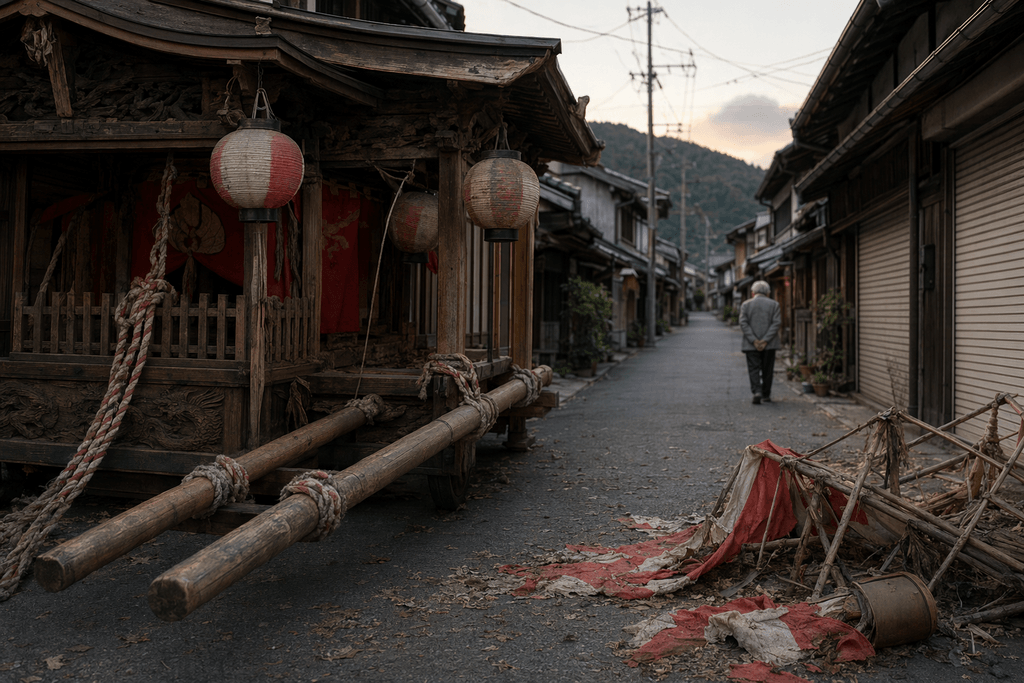
廃れる
过时 / 衰落
廃れる
过时 / 衰落
Explanation
廃れる
过时 / 衰落
廃れる
过时 / 不再使用 / 衰落
Word Forms
The basic and commonly used forms of this verb.
Basic forms
| Form | Word form | Usage |
|---|---|---|
| Imperfective form (mizenkei) | Connects to endings such as nai, reru, and seru. | |
| Continuative form (renyokei) | Connects to endings such as masu, tai, and ta. | |
| Conclusive form (shushikei) | Ends a sentence and serves as the dictionary form. | |
| Attributive form (rentaikei) | Modifies a noun. | |
| Conditional form (kateikei) | Combines with ba to express a condition. | |
| Imperative form (meireikei) |
Alternative:
廃れよ
|
Expresses a command or instruction. |
Common forms
無論
当然
無論
当然
Explanation
無論
当然
無論
当然 / 毫无疑问 / 不用说

( Base form )
( romanization )
( hiragana )
手法
手法
手法
手法
Explanation
手法
手法
手法
技法;技巧 / 方法;手段 / 做事的方式

( Base form )
( romanization )
( hiragana )
事業
事业
事業
事业
Explanation
事業
事业
事業
计划性工作或项目 / 企业或商业活动 / 事业

( Base form )
( romanization )
( romanization )
( hiragana historical )
( hiragana )
ともばたらき
双职工
ともばたらき
双职工
Explanation
双职工
ともばたらき
夫妻双方都工作 / 双薪家庭;双收入 / 双职工家庭

( romanization )
Loading...

JLPT N1 多言語単語帳・3032語 / JLPT N1 Multilingual Vocabulary: 3032 Words

Jonathan Waller 氏の JLPT Resources の語彙リスト・レベル分類を出典とし、CC BY の条件に従って DiQt が学習者向けに意味を作り直した3032語の単語帳です。JLPT公式の語彙リストではありません。
This collection of 3032 words is based on the vocabulary list and level classifications in Jonathan Waller’s JLPT Resources under CC BY, with meanings rewritten by DiQt for learners. It is not an official JLPT vocabulary list.
Key Operations
Select the first quiz:
Ctrl + Enter
View Explanation:Ctrl + G
Close a feedback:Esc
When selecting a quiz
Answer:Enter
Select a choice:↓ or ↑
Reading out the question:Ctrl + K
View Hint: Ctrl + M
I don't know: Ctrl + Y



