
JLPT N1 词义四选一 - Unsolved

通过四选一题目,用简体中文学习JLPT N1的3032个单词含义。
-
劳动
-
他意
-
用途
-
泵
-
美术
-
著述
-
奇数
-
登记
-
怀旧 / 思乡
-
剪刀
-
奇特爱好
-
检察官
-
犯罪 / 强奸
-
忍耐 / 抑制
-
编入
- 「引き摺る」の代用表記。
-
圆规 / 指南针
-
大脑
-
路段
-
化身
-
混合
-
逃走
-
沮丧 / 下跌
-
全部出现
-
谋划 / 设法
-
结构 / 运作机制
-
估价
-
制裁
-
灰色
-
信徒
-
每日津贴
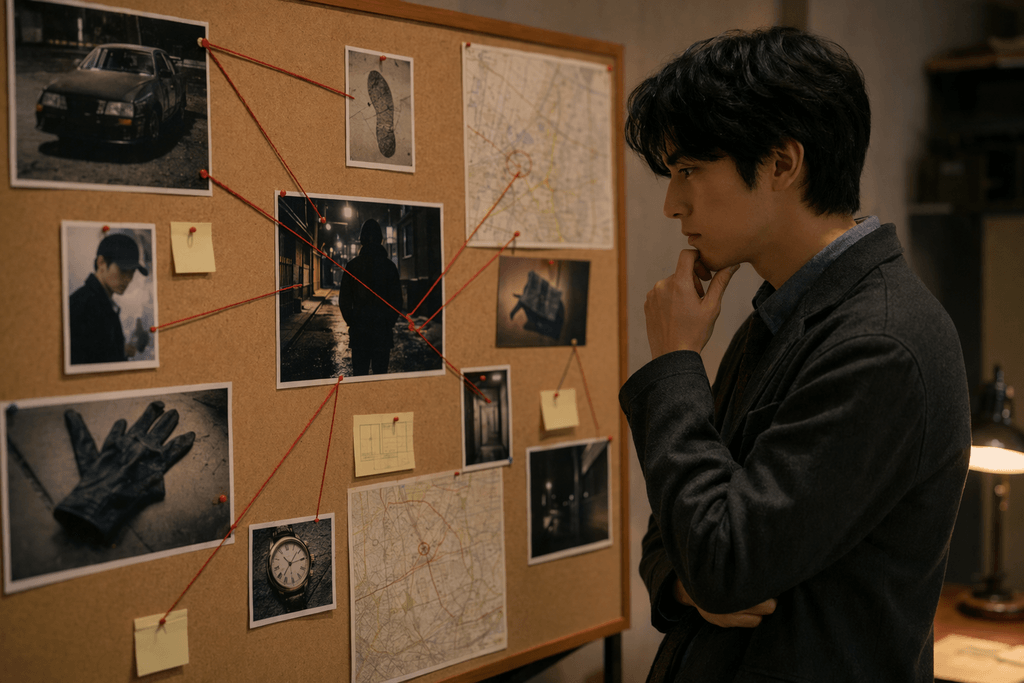
推理
推理
推理
推理
Explanation
推理
推理
推理
推断 / 推论 / 演绎
( Base form )
( romanization )
( hiragana )
値引き
降价
値引き
降价
Explanation
値引き
降价
値引き
折扣 / 降价 / 减价

( Base form )
( romanization )
センス
品味
センス
品味
Explanation
品味
センス
审美品味 / 鉴赏力 / 分寸感

( romanization )
手芸
手工艺
手芸
手工艺
Explanation
手芸
手工艺
手芸
手工艺 / 手工制作 / 针线活

( Base form )
( romanization )
( kyūjitai )
( hiragana )
引きずる
拖拽 / 耿耿于怀
引きずる
拖拽 / 耿耿于怀
Explanation
引きずる
拖拽 / 耿耿于怀
引きずる
拖拽;拖着走 / 强行拉着同行 / 对过去的事难以摆脱影响

Word Forms
The basic and commonly used forms of this verb.
Basic forms
| Form | Word form | Usage |
|---|---|---|
| Imperfective form (mizenkei) | Connects to endings such as nai, reru, and seru. | |
| Continuative form (renyokei) | Connects to endings such as masu, tai, and ta. | |
| Conclusive form (shushikei) | Ends a sentence and serves as the dictionary form. | |
| Attributive form (rentaikei) | Modifies a noun. | |
| Conditional form (kateikei) | Combines with ba to express a condition. | |
| Imperative form (meireikei) | Expresses a command or instruction. |
Common forms
| Form | Word form | Usage |
|---|---|---|
| Te-form | Connects clauses with te. | |
| Ta-form | Expresses the past with ta. | |
| Nai-form | Expresses negation with nai. | |
| Masu-form | Used for polite speech. | |
| Ba-form | Expresses a condition with ba. | |
| Volitional form | Expresses intention or invitation. |
Notes
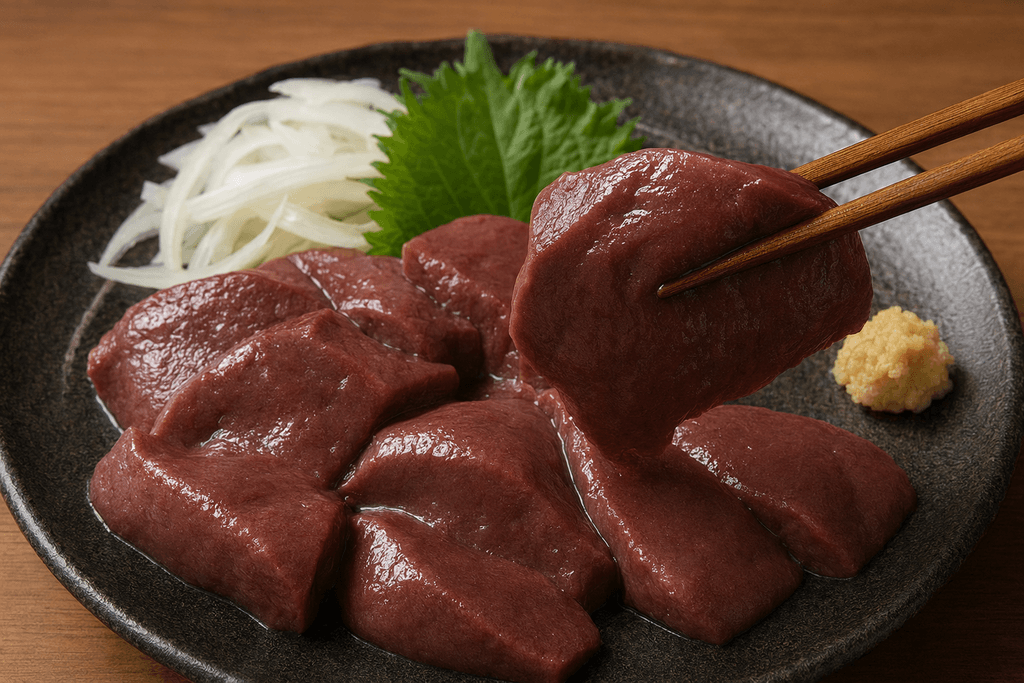
レバー
操纵杆 / 肝脏
レバー
操纵杆 / 肝脏
Explanation
操纵杆 / 肝脏
レバー
肝脏(作为食物) / 动物的肝(可食用)
( romanization )
立ち寄る
顺路去
立ち寄る
顺路去
Explanation
立ち寄る
顺路去
立ち寄る
顺便去 / 中途停留 / 顺道拜访

Word Forms
The basic and commonly used forms of this verb.
Basic forms
| Form | Word form | Usage |
|---|---|---|
| Imperfective form (mizenkei) |
Alternative:
立ち寄ろ
|
Connects to endings such as nai, reru, and seru. |
| Continuative form (renyokei) | Connects to endings such as masu, tai, and ta. | |
| Conclusive form (shushikei) | Ends a sentence and serves as the dictionary form. | |
| Attributive form (rentaikei) | Modifies a noun. | |
| Conditional form (kateikei) | Combines with ba to express a condition. | |
| Imperative form (meireikei) | Expresses a command or instruction. |
Common forms
違える
弄错 / 改变
違える
弄错 / 改变
Explanation
違える
弄错 / 改变
違える
改变,使不同 / 违背(诺言等),不履行 / 扭伤或脱臼(关节)

Word Forms
The basic and commonly used forms of this verb.
Basic forms
| Form | Word form | Usage |
|---|---|---|
| Imperfective form (mizenkei) | Connects to endings such as nai, reru, and seru. | |
| Continuative form (renyokei) | Connects to endings such as masu, tai, and ta. | |
| Conclusive form (shushikei) | Ends a sentence and serves as the dictionary form. | |
| Attributive form (rentaikei) | Modifies a noun. | |
| Conditional form (kateikei) | Combines with ba to express a condition. | |
| Imperative form (meireikei) |
Alternative:
違えよ
|
Expresses a command or instruction. |
Common forms
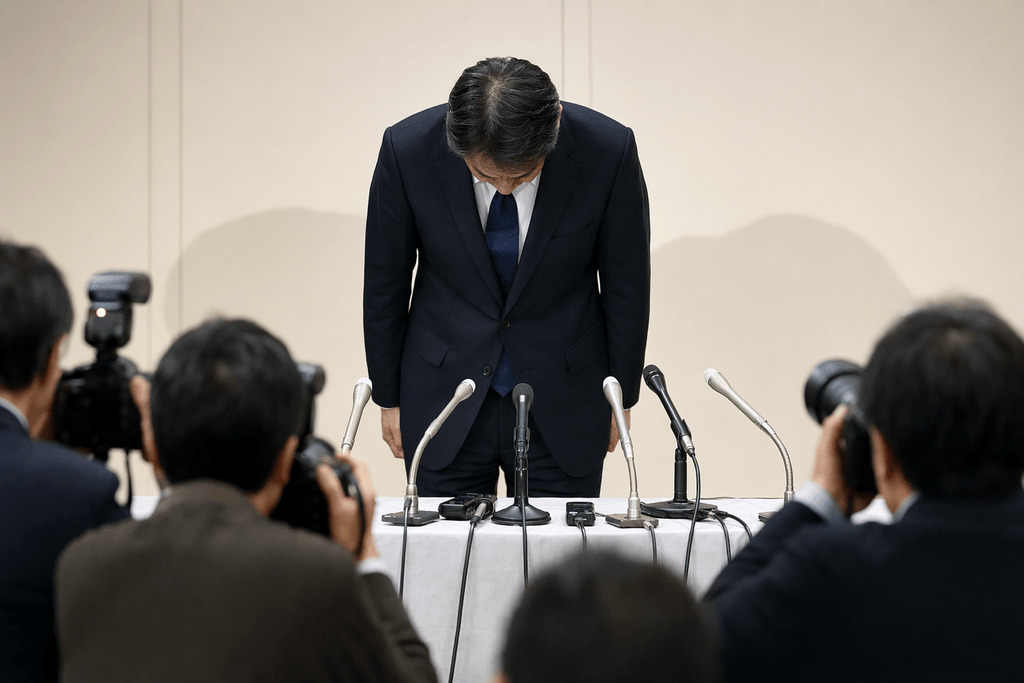
面目
体面
面目
体面
Explanation
面目
体面
面目
名誉;体面(旧) / 外貌;容貌(旧)
( Base form )
( romanization )
( hiragana )
差異
差异
差異
差异
Explanation
差異
差异
差異
差别 / 区别 / 差距

( Base form )
( romanization )
( hiragana )
Loading...

JLPT N1 多言語単語帳・3032語 / JLPT N1 Multilingual Vocabulary: 3032 Words

Jonathan Waller 氏の JLPT Resources の語彙リスト・レベル分類を出典とし、CC BY の条件に従って DiQt が学習者向けに意味を作り直した3032語の単語帳です。JLPT公式の語彙リストではありません。
This collection of 3032 words is based on the vocabulary list and level classifications in Jonathan Waller’s JLPT Resources under CC BY, with meanings rewritten by DiQt for learners. It is not an official JLPT vocabulary list.
Key Operations
Select the first quiz:
Ctrl + Enter
View Explanation:Ctrl + G
Close a feedback:Esc
When selecting a quiz
Answer:Enter
Select a choice:↓ or ↑
Reading out the question:Ctrl + K
View Hint: Ctrl + M
I don't know: Ctrl + Y



