
JLPT N1 词义四选一 - Unsolved

通过四选一题目,用简体中文学习JLPT N1的3032个单词含义。
-
劝告
-
大众传媒
-
妥协
-
必然
-
优势地位
-
出示
-
对抗 / 竞争
-
浪费
-
园圃 / 种植园
-
染色
-
填满 / 满足
-
取缔
- 「賜る(たまわる)」はラ行五段活用。謙譲語として「いただく」の意で用いられる。
- 表記揺れとして「賜わる」も見られる。
-
荒唐的
-
圆滚滚的
-
困倦的
-
泵
-
肺
-
除外
-
积聚 / 聚集处
-
加固
-
缩略语
-
宫殿
-
自己
-
相称
-
坐标
-
行星
-
盈余
-
补习班
-
接缝
-
期末
富
财富
富
财富
Explanation
富
财富
富
财富 / 富裕 / 繁荣

( romanization )
( hiragana )
語源
词源
語源
词源
Explanation
語源
词源
語源
词源 / 词语的来源 / 词的起源

( Base form )
( romanization )
( hiragana )
磁気
磁性
磁気
磁性
Explanation
磁気
磁性
磁気
磁性 / 磁现象 / 磁作用

( Base form )
( romanization )
( kyūjitai )
( hiragana )
賜る
蒙赐 / 赐予
賜る
蒙赐 / 赐予
Explanation
賜る
蒙赐 / 赐予
賜る
拜领(谦) / 承蒙赐予(谦)

Word Forms
The basic and commonly used forms of this verb.
Basic forms
| Form | Word form | Usage |
|---|---|---|
| Imperfective form (mizenkei) |
Alternative:
賜ろ
|
Connects to endings such as nai, reru, and seru. |
| Continuative form (renyokei) | Connects to endings such as masu, tai, and ta. | |
| Conclusive form (shushikei) |
Alternative:
賜わる
|
Ends a sentence and serves as the dictionary form. |
| Attributive form (rentaikei) |
Alternative:
賜わる
|
Modifies a noun. |
| Conditional form (kateikei) | Combines with ba to express a condition. | |
| Imperative form (meireikei) | Expresses a command or instruction. |
Common forms
| Form | Word form | Usage |
|---|---|---|
| Te-form |
Alternative:
賜わって
|
Connects clauses with te. |
| Ta-form |
Alternative:
賜わった
|
Expresses the past with ta. |
| Nai-form |
Alternative:
賜わらない
|
Expresses negation with nai. |
| Masu-form |
Alternative:
賜わります
|
Used for polite speech. |
| Ba-form |
Alternative:
賜われば
|
Expresses a condition with ba. |
| Volitional form |
Alternative:
賜わろう
|
Expresses intention or invitation. |
Notes
華々しい
辉煌的
華々しい
辉煌的
Explanation
華々しい
辉煌的
華々しい
辉煌的 / 华丽的 / 炫耀的

Word Forms
The basic and commonly used forms of this adjective.
Basic forms
| Form | Word form | Usage |
|---|---|---|
| Imperfective form (mizenkei) | Used in forms such as karou; mainly literary. | |
| Continuative form (renyokei) |
Alternative:
華々しかっ
|
Used in forms such as kute and kunai. |
| Conclusive form (shushikei) | Ends a sentence. | |
| Attributive form (rentaikei) | Modifies a noun. | |
| Conditional form (kateikei) | Expresses a condition with kereba. | |
| Imperative form (meireikei) | Rarely used in modern Japanese. |
Common forms
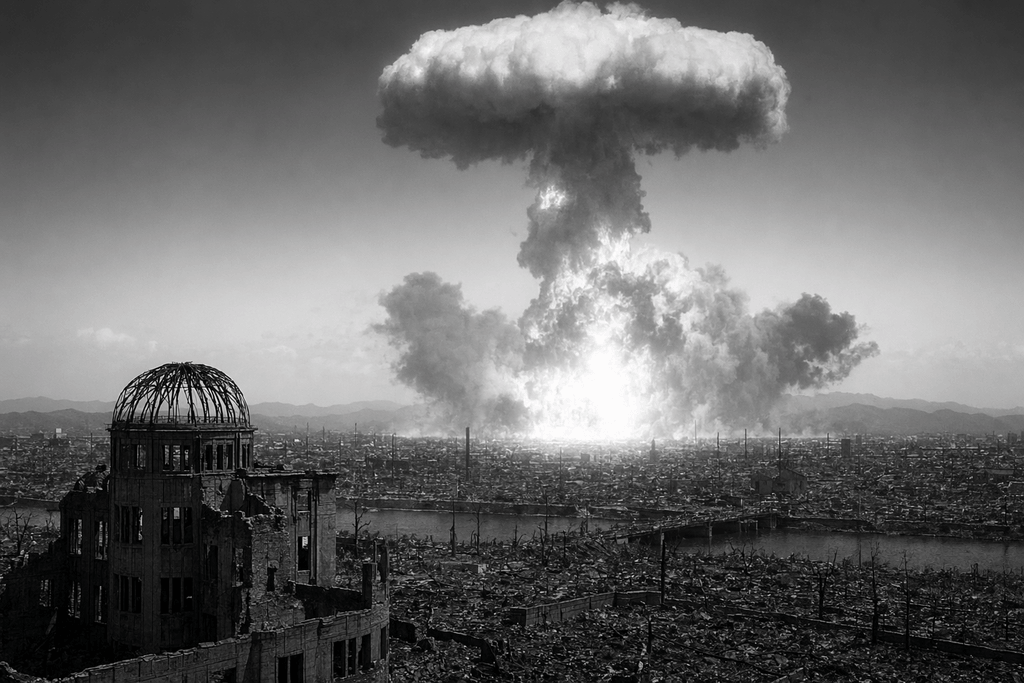
原爆
原子弹
原爆
原子弹
Explanation
原爆
原子弹
原爆
原子弹 / 核裂变炸弹
( Base form )
( romanization )
( hiragana )
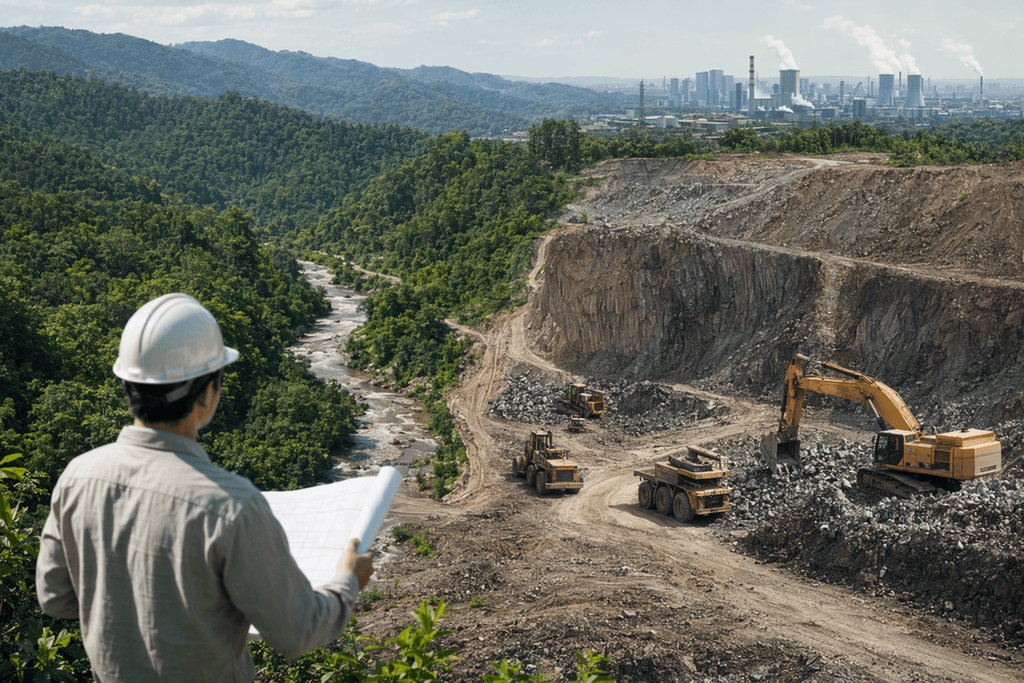
開発
开发
開発
开发
Explanation
開発
开发
開発
自然资源等的开发与利用 / 新技术、药物或产品的研发与创造 / 人才或能力的培养与开发
( Base form )
( romanization )
( kyūjitai )
( hiragana )
桟橋
栈桥
桟橋
栈桥
Explanation
桟橋
栈桥
桟橋
栈桥 / 码头

( Base form )
( romanization )
( romanization )
( hiragana historical )
( hiragana )
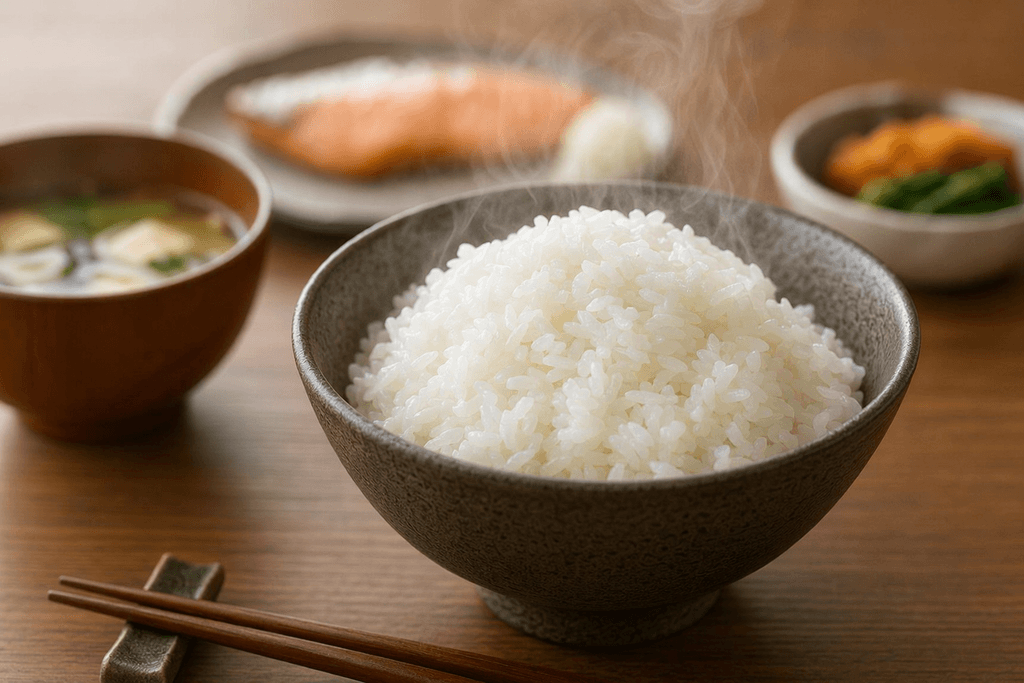
ライス
米饭
ライス
米饭
Explanation
米饭
ライス
米饭(煮熟的米) / 米(作为食物的稻米)
( romanization )
工作
手工制作 / 暗中活动
工作
手工制作 / 暗中活动
Explanation
工作
手工制作 / 暗中活动
工作
手工制作或工艺(如木工) / 秘密的政治、外交运作 / 间谍活动

( Base form )
( romanization )
( hiragana )
Loading...

JLPT N1 多言語単語帳・3032語 / JLPT N1 Multilingual Vocabulary: 3032 Words

Jonathan Waller 氏の JLPT Resources の語彙リスト・レベル分類を出典とし、CC BY の条件に従って DiQt が学習者向けに意味を作り直した3032語の単語帳です。JLPT公式の語彙リストではありません。
This collection of 3032 words is based on the vocabulary list and level classifications in Jonathan Waller’s JLPT Resources under CC BY, with meanings rewritten by DiQt for learners. It is not an official JLPT vocabulary list.
Key Operations
Select the first quiz:
Ctrl + Enter
View Explanation:Ctrl + G
Close a feedback:Esc
When selecting a quiz
Answer:Enter
Select a choice:↓ or ↑
Reading out the question:Ctrl + K
View Hint: Ctrl + M
I don't know: Ctrl + Y



