
JLPT N4 Vocabulary Meanings - Unsolved

Learn the English meanings of 631 JLPT N4 words through questions with four answer choices.
-
he / boyfriend
-
you
-
I
-
gain weight
-
move house
-
copy / photograph
- 「見る」の尊敬語。名詞「ご覧」+五段活用動詞「になる」として活用する。
- 命令形「ご覧になれ」は形としては可能だが、実際の丁寧な依頼では「ご覧になってください」「ご覧ください」などが一般的。
-
to that extent
-
completely
-
generally / roughly
-
get off / go down
-
praise
-
lower / hang
- 五段活用ガ行の動詞。連用形接続の「て」「た」ではイ音便により「急いで」「急いだ」となる。
-
jam
-
diary
-
war
-
month after next
-
law
-
medical science
-
touch
-
carry out
-
go down
-
enough
-
active / prosperous
-
after a long time
-
coast
-
consultation
-
shape
-
outskirts
-
word processor
-
elementary school
彼女
she / girlfriend
彼女
she / girlfriend
Explanation
彼女
she / girlfriend
彼女
she

( Base form )
( romanization )
( romanization )
( hiragana historical )
( hiragana )
ご覧になる
see / watch
ご覧になる
see / watch
Explanation
ご覧になる
see / watch
ご覧になる
(honorific) to see; to look; to watch; to view

Word Forms
The basic and commonly used forms of this verb.
Basic forms
| Form | Word form | Usage |
|---|---|---|
| Imperfective form (mizenkei) |
Alternative:
御覧になら
ごらんになら
|
Connects to endings such as nai, reru, and seru. |
| Continuative form (renyokei) |
Alternative:
御覧になり
ごらんになり
|
Connects to endings such as masu, tai, and ta. |
| Conclusive form (shushikei) |
Alternative:
御覧になる
ごらんになる
|
Ends a sentence and serves as the dictionary form. |
| Attributive form (rentaikei) |
Alternative:
御覧になる
ごらんになる
|
Modifies a noun. |
| Conditional form (kateikei) |
Alternative:
御覧になれ
ごらんになれ
|
Combines with ba to express a condition. |
| Imperative form (meireikei) |
Alternative:
御覧になれ
ごらんになれ
|
Expresses a command or instruction. |
Common forms
| Form | Word form | Usage |
|---|---|---|
| Te-form |
Alternative:
御覧になって
ごらんになって
|
Connects clauses with te. |
| Ta-form |
Alternative:
御覧になった
ごらんになった
|
Expresses the past with ta. |
| Nai-form |
Alternative:
御覧にならない
ごらんにならない
|
Expresses negation with nai. |
| Masu-form |
Alternative:
御覧になります
ごらんになります
|
Used for polite speech. |
| Ba-form |
Alternative:
御覧になれば
ごらんになれば
|
Expresses a condition with ba. |
| Volitional form |
Alternative:
御覧になろう
ごらんになろう
|
Expresses intention or invitation. |
Notes
できるだけ
as much as possible
できるだけ
as much as possible
Explanation
as much as possible
できるだけ
as much as one can / as much as possible / as far as possible / to the extent possible / to the best of one's ability

( Base form )
( romanization )
( kyūjitai )
急ぐ
hurry
急ぐ
hurry
Explanation
急ぐ
hurry
急ぐ
to hurry; to rush; to hasten / to speed up; to expedite

Word Forms
The basic and commonly used forms of this verb.
Basic forms
| Form | Word form | Usage |
|---|---|---|
| Imperfective form (mizenkei) |
Alternative:
急ご
|
Connects to endings such as nai, reru, and seru. |
| Continuative form (renyokei) | Connects to endings such as masu, tai, and ta. | |
| Conclusive form (shushikei) | Ends a sentence and serves as the dictionary form. | |
| Attributive form (rentaikei) | Modifies a noun. | |
| Conditional form (kateikei) | Combines with ba to express a condition. | |
| Imperative form (meireikei) | Expresses a command or instruction. |
Common forms
| Form | Word form | Usage |
|---|---|---|
| Te-form | Connects clauses with te. | |
| Ta-form | Expresses the past with ta. | |
| Nai-form | Expresses negation with nai. | |
| Masu-form | Used for polite speech. | |
| Ba-form | Expresses a condition with ba. | |
| Volitional form | Expresses intention or invitation. |
Notes
再来月
month after next
再来月
month after next
Explanation
再来月
month after next
再来月
the month after next

( Base form )
( romanization )
( hiragana )
ゴミ
garbage
ゴミ
garbage
Explanation
garbage
ゴミ
trash, rubbish, garbage

( Base form )
( Base form )
( romanization )
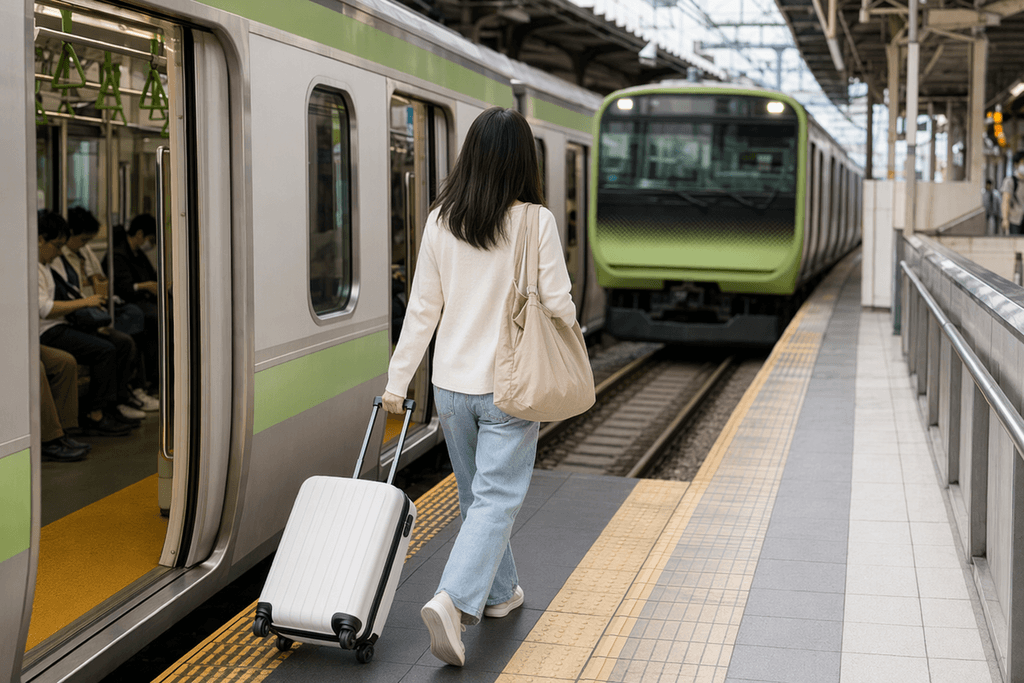
乗り換える
transfer
乗り換える
transfer
Explanation
乗り換える
transfer
乗り換える
to transfer (trains)
Word Forms
The basic and commonly used forms of this verb.
Basic forms
| Form | Word form | Usage |
|---|---|---|
| Imperfective form (mizenkei) | Connects to endings such as nai, reru, and seru. | |
| Continuative form (renyokei) | Connects to endings such as masu, tai, and ta. | |
| Conclusive form (shushikei) | Ends a sentence and serves as the dictionary form. | |
| Attributive form (rentaikei) | Modifies a noun. | |
| Conditional form (kateikei) | Combines with ba to express a condition. | |
| Imperative form (meireikei) |
Alternative:
乗り換えよ
|
Expresses a command or instruction. |
Common forms
真面目
serious / diligent
真面目
serious / diligent
Explanation
真面目
serious / diligent
真面目
serious, earnest / honest

Word Forms
The basic and commonly used forms of this adjectival noun.
Basic forms
| Form | Word form | Usage |
|---|---|---|
| Imperfective form (mizenkei) | Used in forms such as darou. | |
| Continuative form (renyokei) |
Alternative:
真面目に
|
Used with de or ni. |
| Conclusive form (shushikei) | Ends a sentence with da. | |
| Attributive form (rentaikei) | Modifies a noun with na. | |
| Conditional form (kateikei) | Expresses a condition with nara. | |
| Imperative form (meireikei) | Used in formal expressions such as de are. |
Common forms
値段
price
値段
price
Explanation
値段
price
値段
price

( Base form )
( romanization )
( hiragana )
鏡
mirror
鏡
mirror
Explanation
鏡
mirror
鏡

( romanization )
( hiragana )
Loading...

JLPT N4 多言語単語帳・631語 / JLPT N4 Multilingual Vocabulary: 631 Words

Jonathan Waller 氏の JLPT Resources の語彙リスト・レベル分類を出典とし、CC BY の条件に従って DiQt が初級向けに意味を作り直した631語の単語帳です。JLPT公式の語彙リストではありません。
This collection of 631 words is based on the vocabulary list and level classifications in Jonathan Waller’s JLPT Resources under CC BY, with meanings rewritten by DiQt for beginners. It is not an official JLPT vocabulary list.
Key Operations
Select the first quiz:
Ctrl + Enter
View Explanation:Ctrl + G
Close a feedback:Esc
When selecting a quiz
Answer:Enter
Select a choice:↓ or ↑
Reading out the question:Ctrl + K
View Hint: Ctrl + M
I don't know: Ctrl + Y



