
JLPT N3: Kahulugan ng mga salita - Unsolved

Alamin ang kahulugan ng 1677 salita sa JLPT N3 sa Filipino sa pamamagitan ng mga tanong na may apat na pagpipilian.
-
kalaliman ng gabi
-
higanteng halimaw
-
beans
-
matindi
-
kabalbalan / hinding-hindi
-
mabaho
- 「たまらない」は「堪らない」とも表記され、形容詞として扱う場合はイ形容詞型に活用する。
- 語源的には動詞「堪る」の否定形に由来するため、文脈によって連語的にも解釈される。
-
banatin / itayo
-
katakutan
-
igalaw
-
disbentahe
-
responsibilidad
-
krimen / kasalanan
-
nobya / manugang na babae
-
hangarin
-
mga aklat
-
adulto
-
abot-tanaw
-
tag-ulan
-
balahibo / pakpak
-
katandaan
-
limitasyon
-
prinsipe
-
lagay ng panahon
-
tsaa
-
kaibigan
-
hanapbuhay
-
bubong
-
pahintulutan / patawarin
-
kilalanin / aminin
-
maabot / dumating
銃
baril
銃
baril
Explanation
銃
baril
銃
baril / armas na pumuputok

( romanization )
( romanization )
( hiragana historical )
( hiragana )
たまらない
hindi matiis
たまらない
hindi matiis
Explanation
hindi matiis
たまらない
hindi matiis / hindi mapaglabanan / matindi

Word Forms
The basic and commonly used forms of this adjective.
Basic forms
| Form | Word form | Usage |
|---|---|---|
| Imperfective form (mizenkei) | Used in forms such as karou; mainly literary. | |
| Continuative form (renyokei) |
Alternative:
たまらなかっ
|
Used in forms such as kute and kunai. |
| Conclusive form (shushikei) | Ends a sentence. | |
| Attributive form (rentaikei) | Modifies a noun. | |
| Conditional form (kateikei) | Expresses a condition with kereba. | |
| Imperative form (meireikei) | Rarely used in modern Japanese. |
Common forms
| Form | Word form | Usage |
|---|---|---|
| Te-form | Connects clauses with kute. | |
| Ta-form | Expresses the past with katta. | |
| Nai-form | Expresses negation with kunai. | |
| Ba-form |
Alternative:
たまらなきゃ
|
Expresses a condition with kereba. |
Notes
流れる
umagos
流れる
umagos
Explanation
流れる
umagos
流れる
dumaloy / maanod / kumalat

Word Forms
The basic and commonly used forms of this verb.
Basic forms
| Form | Word form | Usage |
|---|---|---|
| Imperfective form (mizenkei) | Connects to endings such as nai, reru, and seru. | |
| Continuative form (renyokei) | Connects to endings such as masu, tai, and ta. | |
| Conclusive form (shushikei) | Ends a sentence and serves as the dictionary form. | |
| Attributive form (rentaikei) | Modifies a noun. | |
| Conditional form (kateikei) | Combines with ba to express a condition. | |
| Imperative form (meireikei) |
Alternative:
流れよ
|
Expresses a command or instruction. |
Common forms
思い出
mga alaala
思い出
mga alaala
Explanation
思い出
mga alaala
思い出
alaala / gunita / pang-alaala (alaalang bagay)

( Base form )
( romanization )
( romanization )
( hiragana historical )
( hiragana )
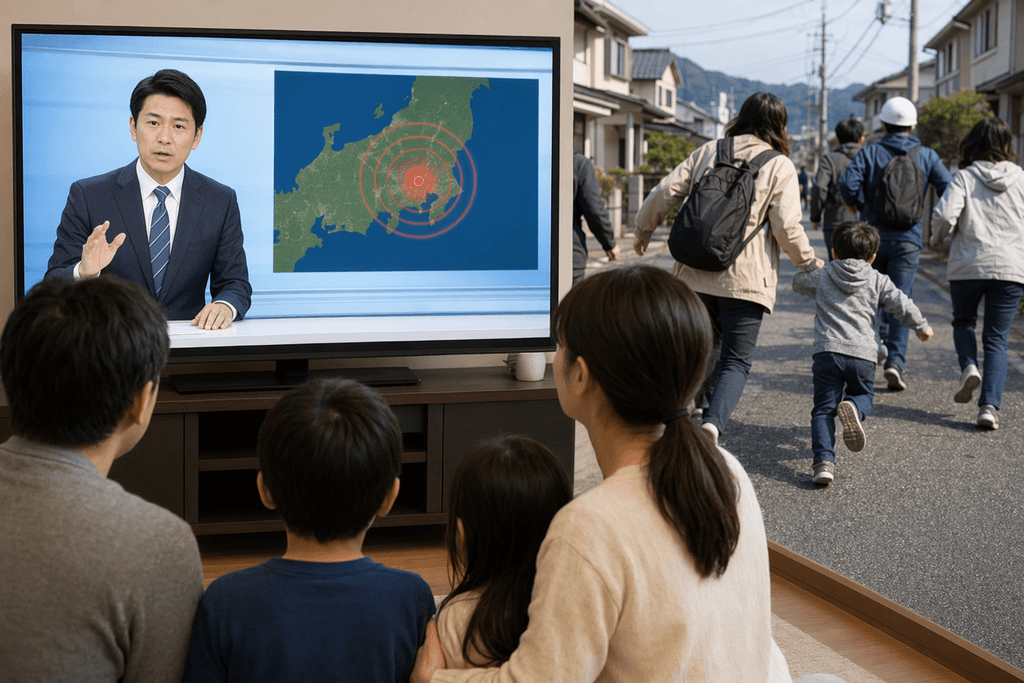
放送
pagsasahimpapawid
放送
pagsasahimpapawid
Explanation
放送
pagsasahimpapawid
放送
pagsasahimpapawid / pag-ere / brodkast
( Base form )
( romanization )
( romanization )
( hiragana historical )
( hiragana )
貯金
ipon
貯金
ipon
Explanation
貯金
ipon
貯金
ipon / pag-iimpok / deposito

( Base form )
( romanization )
( hiragana )
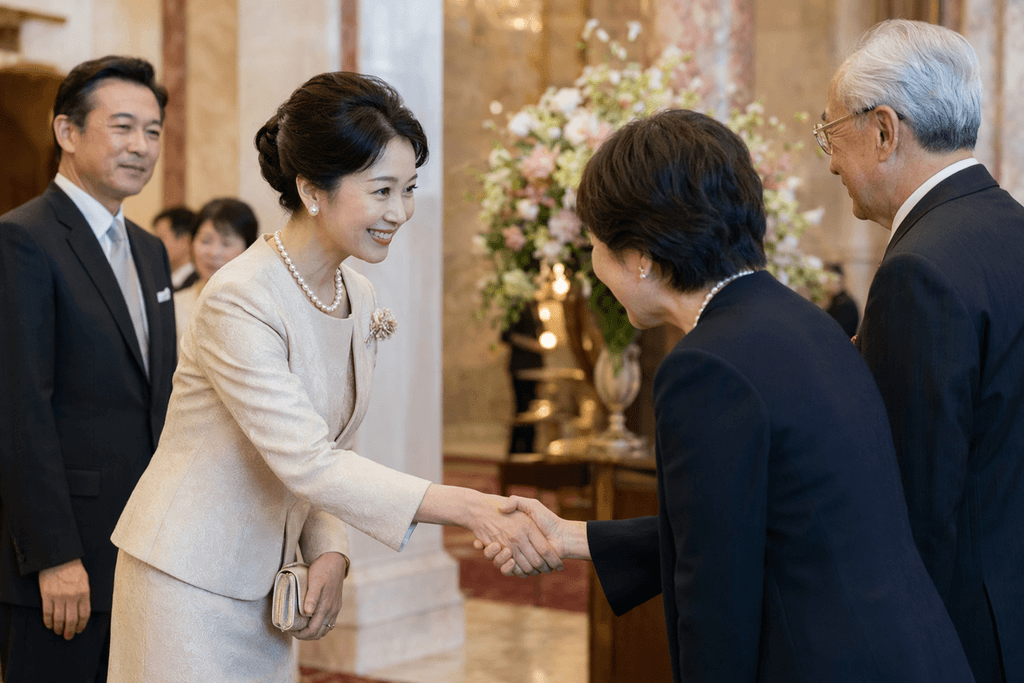
夫人
asawang babae / ginang
夫人
asawang babae / ginang
Explanation
夫人
asawang babae / ginang
夫人
asawa ng iba (magalang na pagtawag) / ginang / asawa ng maharlika o konsorte ng emperador (makaluma)
( Base form )
( romanization )
( hiragana )
月曜
Lunes
月曜
Lunes
Explanation
月曜
Lunes
月曜
Lunes / buwan (makaluma)

( Base form )
( romanization )
( romanization )
( hiragana historical )
( hiragana )
解釈
interpretasyon
解釈
interpretasyon
Explanation
解釈
interpretasyon
解釈
pagpapakahulugan / interpretasyon / pagbibigay-kahulugan

( Base form )
( romanization )
( kyūjitai )
( hiragana )
凍る
magyelo
凍る
magyelo
Explanation
凍る
magyelo
凍る
magyelo / tumigas sa lamig / mamuo

Word Forms
The basic and commonly used forms of this verb.
Basic forms
| Form | Word form | Usage |
|---|---|---|
| Imperfective form (mizenkei) |
Alternative:
凍ろ
|
Connects to endings such as nai, reru, and seru. |
| Continuative form (renyokei) | Connects to endings such as masu, tai, and ta. | |
| Conclusive form (shushikei) | Ends a sentence and serves as the dictionary form. | |
| Attributive form (rentaikei) | Modifies a noun. | |
| Conditional form (kateikei) | Combines with ba to express a condition. | |
| Imperative form (meireikei) | Expresses a command or instruction. |
Common forms
Loading...

JLPT N3 多言語単語帳・1677語 / JLPT N3 Multilingual Vocabulary: 1677 Words

Jonathan Waller 氏の JLPT Resources の語彙リスト・レベル分類を出典とし、CC BY の条件に従って DiQt が学習者向けに意味を作り直した1677語の単語帳です。JLPT公式の語彙リストではありません。
This collection of 1677 words is based on the vocabulary list and level classifications in Jonathan Waller’s JLPT Resources under CC BY, with meanings rewritten by DiQt for learners. It is not an official JLPT vocabulary list.
Key Operations
Select the first quiz:
Ctrl + Enter
View Explanation:Ctrl + G
Close a feedback:Esc
When selecting a quiz
Answer:Enter
Select a choice:↓ or ↑
Reading out the question:Ctrl + K
View Hint: Ctrl + M
I don't know: Ctrl + Y



