
JLPT N3: Kahulugan ng mga salita - Unsolved

Alamin ang kahulugan ng 1677 salita sa JLPT N3 sa Filipino sa pamamagitan ng mga tanong na may apat na pagpipilian.
-
habulin
-
kumalat
-
umabot
-
bilangin
-
makamit
-
taksilan
-
klima
-
pagtitipon
-
bote
-
isiksik / paikliin
-
iangat / purihin nang labis
-
umupa ng manggagawa
-
pahintulutan / patawarin
-
tumayo
-
ikabit nang mahigpit / panatilihin
- 五段活用(カ行)。連用形接続の「て」「た」ではイ音便により「招いて」「招いた」となる。
-
pag-aaral na akademiko
-
maulap na panahon
-
tuntunin
-
salarin
-
panlalait
-
pagpapanatili
-
bilang
-
pagpapatakbo ng negosyo
-
van
-
sa madaling salita
-
pero
-
dahil
-
ang huli sa dalawa
-
sahig
-
pagha-hiking
通す
padaanin / ipagpatuloy
通す
padaanin / ipagpatuloy
Explanation
通す
padaanin / ipagpatuloy
通す
padaanin / ipadaan / ipilit mangyari

Word Forms
The basic and commonly used forms of this verb.
Basic forms
| Form | Word form | Usage |
|---|---|---|
| Imperfective form (mizenkei) |
Alternative:
通そ
|
Connects to endings such as nai, reru, and seru. |
| Continuative form (renyokei) | Connects to endings such as masu, tai, and ta. | |
| Conclusive form (shushikei) | Ends a sentence and serves as the dictionary form. | |
| Attributive form (rentaikei) | Modifies a noun. | |
| Conditional form (kateikei) | Combines with ba to express a condition. | |
| Imperative form (meireikei) | Expresses a command or instruction. |
Common forms
ひろがる
kumalat
ひろがる
kumalat
Explanation
kumalat
ひろがる
kumalat / lumawak / umabot (ang saklaw)

Word Forms
The basic and commonly used forms of this verb.
Basic forms
| Form | Word form | Usage |
|---|---|---|
| Imperfective form (mizenkei) |
Alternative:
広がら
ひろがろ
広がろ
|
Connects to endings such as nai, reru, and seru. |
| Continuative form (renyokei) |
Alternative:
広がり
|
Connects to endings such as masu, tai, and ta. |
| Conclusive form (shushikei) |
Alternative:
広がる
|
Ends a sentence and serves as the dictionary form. |
| Attributive form (rentaikei) |
Alternative:
広がる
|
Modifies a noun. |
| Conditional form (kateikei) |
Alternative:
広がれ
|
Combines with ba to express a condition. |
| Imperative form (meireikei) |
Alternative:
広がれ
|
Expresses a command or instruction. |
Common forms
| Form | Word form | Usage |
|---|---|---|
| Te-form |
Alternative:
広がって
|
Connects clauses with te. |
| Ta-form |
Alternative:
広がった
|
Expresses the past with ta. |
| Nai-form |
Alternative:
広がらない
|
Expresses negation with nai. |
| Masu-form |
Alternative:
広がります
|
Used for polite speech. |
| Ba-form |
Alternative:
広がれば
|
Expresses a condition with ba. |
| Volitional form |
Alternative:
広がろう
|
Expresses intention or invitation. |
印象
impresyon
印象
impresyon
Explanation
印象
impresyon
印象
impresyon / pangkalahatang dating o pagtanaw / bakás sa isipan

( Base form )
( romanization )
( hiragana )
震える
manginig
震える
manginig
Explanation
震える
manginig
震える
manginig / mangatal / umuga

Word Forms
The basic and commonly used forms of this verb.
Basic forms
| Form | Word form | Usage |
|---|---|---|
| Imperfective form (mizenkei) | Connects to endings such as nai, reru, and seru. | |
| Continuative form (renyokei) | Connects to endings such as masu, tai, and ta. | |
| Conclusive form (shushikei) | Ends a sentence and serves as the dictionary form. | |
| Attributive form (rentaikei) | Modifies a noun. | |
| Conditional form (kateikei) | Combines with ba to express a condition. | |
| Imperative form (meireikei) |
Alternative:
震えよ
|
Expresses a command or instruction. |
Common forms
招く
mag-imbita / magdulot
招く
mag-imbita / magdulot
Explanation
招く
mag-imbita / magdulot
招く
mag-anyaya (sa pamamagitan ng kumpas) / mag-imbita / magdulot

Word Forms
The basic and commonly used forms of this verb.
Basic forms
| Form | Word form | Usage |
|---|---|---|
| Imperfective form (mizenkei) |
Alternative:
招こ
|
Connects to endings such as nai, reru, and seru. |
| Continuative form (renyokei) |
Alternative:
招い
|
Connects to endings such as masu, tai, and ta. |
| Conclusive form (shushikei) | Ends a sentence and serves as the dictionary form. | |
| Attributive form (rentaikei) | Modifies a noun. | |
| Conditional form (kateikei) | Combines with ba to express a condition. | |
| Imperative form (meireikei) | Expresses a command or instruction. |
Common forms
| Form | Word form | Usage |
|---|---|---|
| Te-form | Connects clauses with te. | |
| Ta-form | Expresses the past with ta. | |
| Nai-form | Expresses negation with nai. | |
| Masu-form | Used for polite speech. | |
| Ba-form | Expresses a condition with ba. | |
| Volitional form | Expresses intention or invitation. |
Notes
夜明け
bukang-liwayway
夜明け
bukang-liwayway
Explanation
夜明け
bukang-liwayway
夜明け
bukang-liwayway / madaling-araw / pagsikat ng araw

( romanization )
( hiragana historical )
可
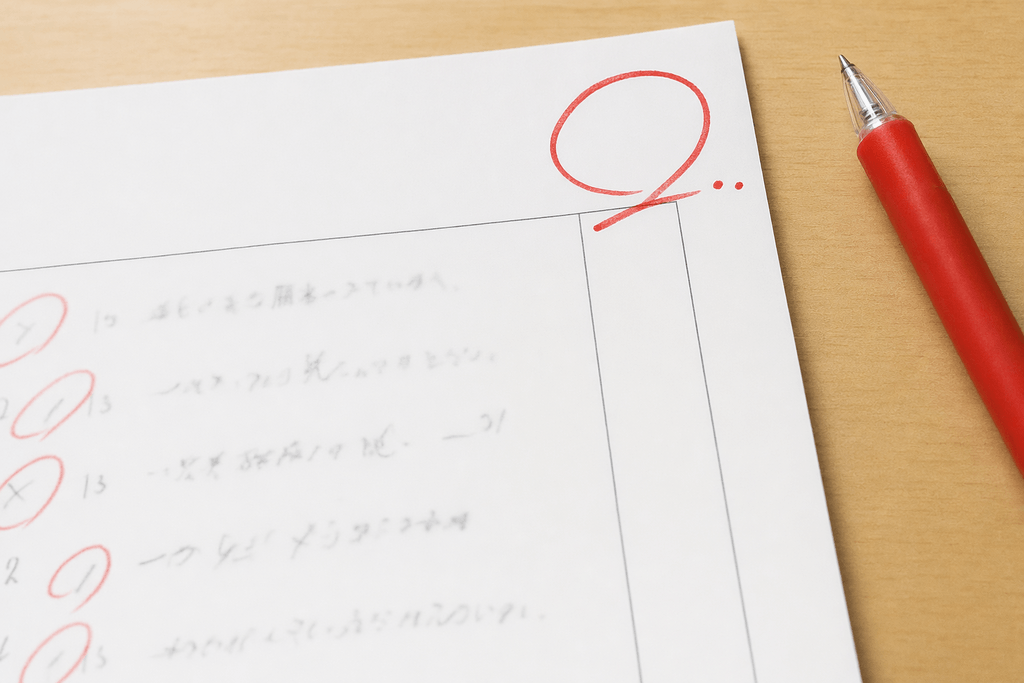
pasadong marka
可
pasadong marka
Explanation
可
pasadong marka
可
pahintulot / pagpayag / pag-apruba
( romanization )
( hiragana )
計
kabuuan / plano
計
kabuuan / plano
Explanation
計
kabuuan / plano
計
plano / kabuuan / suma

( romanization )
( hiragana )
それでも
gayon pa man
それでも
gayon pa man
Explanation
gayon pa man
それでも
gayunpaman / kahit ganoon / sa kabila niyon

( romanization )
不可
di-katanggap-tanggap
不可
di-katanggap-tanggap
Explanation
不可
di-katanggap-tanggap
不可
hindi katanggap-tanggap / bagsak na marka

( Base form )
( romanization )
( hiragana )
Loading...

JLPT N3 多言語単語帳・1677語 / JLPT N3 Multilingual Vocabulary: 1677 Words

Jonathan Waller 氏の JLPT Resources の語彙リスト・レベル分類を出典とし、CC BY の条件に従って DiQt が学習者向けに意味を作り直した1677語の単語帳です。JLPT公式の語彙リストではありません。
This collection of 1677 words is based on the vocabulary list and level classifications in Jonathan Waller’s JLPT Resources under CC BY, with meanings rewritten by DiQt for learners. It is not an official JLPT vocabulary list.
Key Operations
Select the first quiz:
Ctrl + Enter
View Explanation:Ctrl + G
Close a feedback:Esc
When selecting a quiz
Answer:Enter
Select a choice:↓ or ↑
Reading out the question:Ctrl + K
View Hint: Ctrl + M
I don't know: Ctrl + Y



