
JLPT N3: Kahulugan ng mga salita - Unsolved

Alamin ang kahulugan ng 1677 salita sa JLPT N3 sa Filipino sa pamamagitan ng mga tanong na may apat na pagpipilian.
-
ugat
-
ilalim
-
ngiti
-
piraso / talas
-
bago / dati
-
pinsang lalaki
-
idagdag
-
matamaan / tumama sa hula
-
magdalamhati
-
kalupaan
-
baitang / ranggo
-
tambilang
-
paghahalintulad
-
mataas na bilis
-
tagasanay
-
kabaligtaran
-
tao
-
barya
-
suportahan
-
umangkop
-
tiyakin
-
reklamo / parirala
-
kapaligiran
-
araw
-
asal
-
kasiglahan
-
pagpupulong
-
satelayt
-
pagkakatagpo
-
pagtataya
全員
lahat ng miyembro
全員
lahat ng miyembro
Explanation
全員
lahat ng miyembro
全員
lahat ng kasapi / lahat / buong pangkat

( Base form )
( romanization )
( hiragana )
著者
may-akda
著者
may-akda
Explanation
著者
may-akda
著者
may-akda / awtor / manunulat

( Base form )
( romanization )
( hiragana )
許す
pahintulutan / patawarin
許す
pahintulutan / patawarin
Explanation
許す
pahintulutan / patawarin
許す
magpatawad / payagan / palampasin

Word Forms
The basic and commonly used forms of this verb.
Basic forms
| Form | Word form | Usage |
|---|---|---|
| Imperfective form (mizenkei) |
Alternative:
許そ
|
Connects to endings such as nai, reru, and seru. |
| Continuative form (renyokei) | Connects to endings such as masu, tai, and ta. | |
| Conclusive form (shushikei) | Ends a sentence and serves as the dictionary form. | |
| Attributive form (rentaikei) | Modifies a noun. | |
| Conditional form (kateikei) | Combines with ba to express a condition. | |
| Imperative form (meireikei) | Expresses a command or instruction. |
Common forms
費用
gastos
費用
gastos
Explanation
費用
gastos
費用
gastos / bayarin / halaga ng gastos

( Base form )
( romanization )
( hiragana )
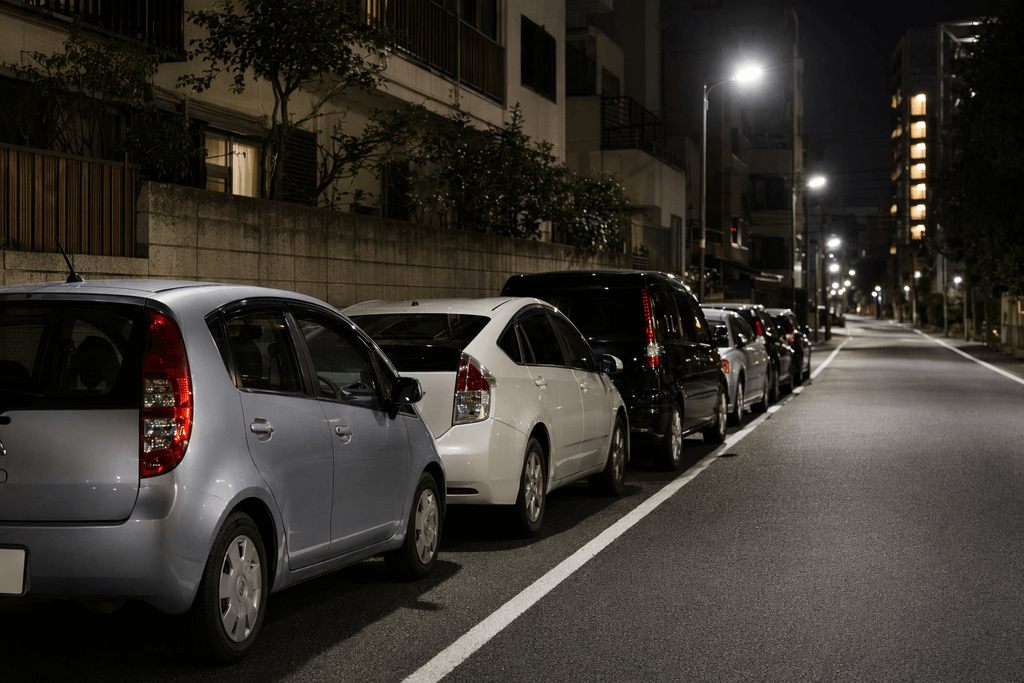
駐車
pagparada
駐車
pagparada
Explanation
駐車
pagparada
駐車
pagparada ng sasakyan / pag-park ng kotse
( Base form )
( romanization )
( hiragana )
納得
pag-unawa / pagtanggap
納得
pag-unawa / pagtanggap
Explanation
納得
pag-unawa / pagtanggap
納得
pag-unawa / pagsang-ayon / pagtanggap

( Base form )
( romanization )
( hiragana )
積もる
matambak
積もる
matambak
Explanation
積もる
matambak
積もる
maipon / tumambak / magpatong-patong

Word Forms
The basic and commonly used forms of this verb.
Basic forms
| Form | Word form | Usage |
|---|---|---|
| Imperfective form (mizenkei) | Connects to endings such as nai, reru, and seru. | |
| Continuative form (renyokei) | Connects to endings such as masu, tai, and ta. | |
| Conclusive form (shushikei) | Ends a sentence and serves as the dictionary form. | |
| Attributive form (rentaikei) | Modifies a noun. | |
| Conditional form (kateikei) | Combines with ba to express a condition. | |
| Imperative form (meireikei) | Expresses a command or instruction. |
Common forms
前者
naunang nabanggit
前者
naunang nabanggit
Explanation
前者
naunang nabanggit
前者
ang una (sa dalawang nabanggit) / ang nauna / ang unang binanggit

( Base form )
( romanization )
( hiragana )
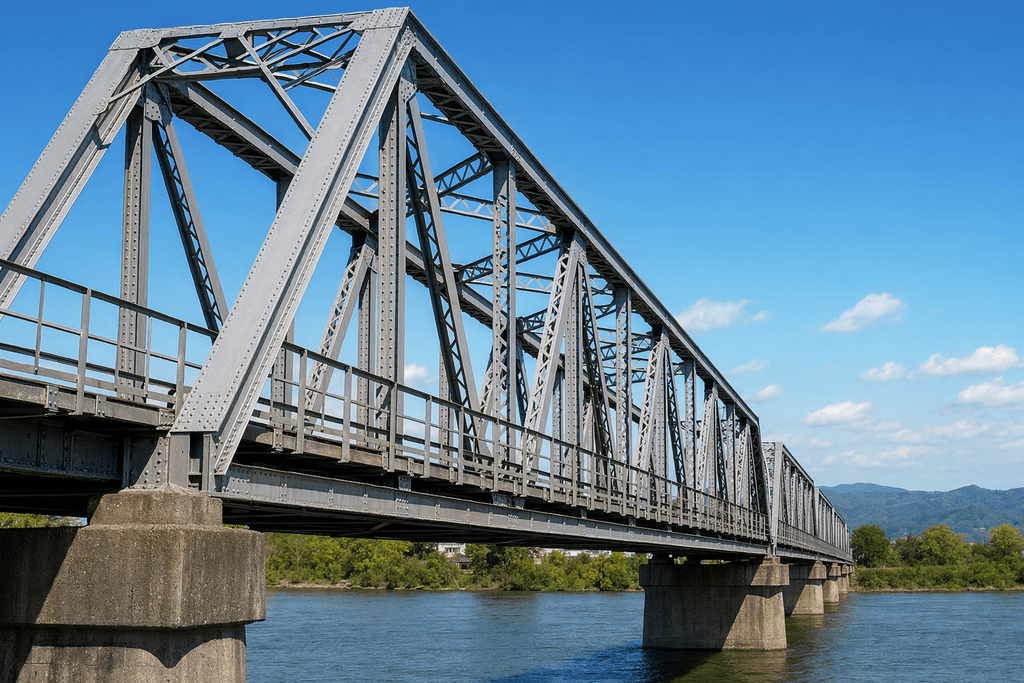
鉄
bakal
鉄
bakal
Explanation
鉄
bakal
鉄
bakal / bagay na napakatibay (parang bakal)
( romanization )
( kyūjitai )
( hiragana )
精神
isip / diwa
精神
isip / diwa
Explanation
精神
isip / diwa
精神
diwa / isipan / kalooban

( Base form )
( romanization )
( hiragana )
Loading...

JLPT N3 多言語単語帳・1677語 / JLPT N3 Multilingual Vocabulary: 1677 Words

Jonathan Waller 氏の JLPT Resources の語彙リスト・レベル分類を出典とし、CC BY の条件に従って DiQt が学習者向けに意味を作り直した1677語の単語帳です。JLPT公式の語彙リストではありません。
This collection of 1677 words is based on the vocabulary list and level classifications in Jonathan Waller’s JLPT Resources under CC BY, with meanings rewritten by DiQt for learners. It is not an official JLPT vocabulary list.
Key Operations
Select the first quiz:
Ctrl + Enter
View Explanation:Ctrl + G
Close a feedback:Esc
When selecting a quiz
Answer:Enter
Select a choice:↓ or ↑
Reading out the question:Ctrl + K
View Hint: Ctrl + M
I don't know: Ctrl + Y



