
JLPT N3: Kahulugan ng mga salita - Unsolved

Alamin ang kahulugan ng 1677 salita sa JLPT N3 sa Filipino sa pamamagitan ng mga tanong na may apat na pagpipilian.
-
hatiin
-
magyelo
-
mag-aplay
-
suplay
-
batas
-
koponan
-
pasasalamat
-
sobra
-
salawikain
-
nakakatakot
-
masarap
-
mabaho
- 形容詞「辛い(つらい)」の活用。命令形「つらかれ」は現代語では稀。
-
lason
-
saklaw
-
bawat tao
-
dahil
-
pero
-
higit pa rito
-
tanghalian
-
gobernador ng prepektura
-
pagtitimbang
-
maligayang pagdating
-
salamat sa pagkain
-
dahil / kahit
-
malunod / magpakalulong
-
bilangin
-
tawirin / higitan
-
paninda
-
buong bansa
-
teatro
組む
buuin / magsanib-puwersa
組む
buuin / magsanib-puwersa
Explanation
組む
buuin / magsanib-puwersa
組む
magkrus (ng mga braso o binti) / tirintasín; magtirintas (ng buhok, tali, atbp.) / bumuo/magtayo (gamit ang mga poste, pisi, atbp.)

Word Forms
The basic and commonly used forms of this verb.
Basic forms
| Form | Word form | Usage |
|---|---|---|
| Imperfective form (mizenkei) |
Alternative:
組も
|
Connects to endings such as nai, reru, and seru. |
| Continuative form (renyokei) | Connects to endings such as masu, tai, and ta. | |
| Conclusive form (shushikei) | Ends a sentence and serves as the dictionary form. | |
| Attributive form (rentaikei) | Modifies a noun. | |
| Conditional form (kateikei) | Combines with ba to express a condition. | |
| Imperative form (meireikei) | Expresses a command or instruction. |
Common forms
日常
pang-araw-araw na buhay
日常
pang-araw-araw na buhay
Explanation
日常
pang-araw-araw na buhay
日常
pang-araw-araw na buhay / karaniwang pamumuhay / buhay sa araw-araw

( Base form )
( romanization )
( romanization )
( hiragana historical )
( hiragana )
支店
sangay ng opisina
支店
sangay ng opisina
Explanation
支店
sangay ng opisina
支店
sangay ng tindahan / sangay ng opisina / sangay ng kumpanya

( Base form )
( romanization )
( hiragana )
つらい
masakit
つらい
masakit
Explanation
masakit
つらい
masakit / mapait / mabigat
Word Forms
The basic and commonly used forms of this adjective.
Basic forms
| Form | Word form | Usage |
|---|---|---|
| Imperfective form (mizenkei) | Used in forms such as karou; mainly literary. | |
| Continuative form (renyokei) |
Alternative:
つらかっ
|
Used in forms such as kute and kunai. |
| Conclusive form (shushikei) | Ends a sentence. | |
| Attributive form (rentaikei) | Modifies a noun. | |
| Conditional form (kateikei) | Expresses a condition with kereba. | |
| Imperative form (meireikei) | Rarely used in modern Japanese. |
Common forms
| Form | Word form | Usage |
|---|---|---|
| Te-form | Connects clauses with kute. | |
| Ta-form | Expresses the past with katta. | |
| Nai-form | Expresses negation with kunai. | |
| Ba-form |
Alternative:
つらけりゃ
|
Expresses a condition with kereba. |
Notes
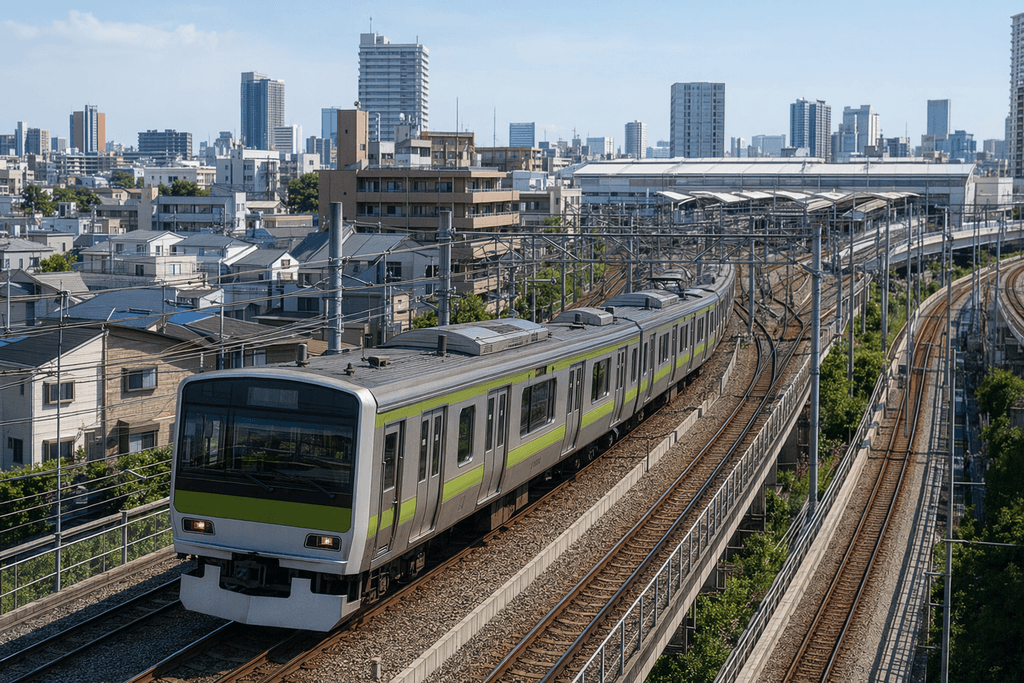
鉄道
daambakal
鉄道
daambakal
Explanation
鉄道
daambakal
鉄道
daang-bakal / riles ng tren / sistema ng riles
( Base form )
( romanization )
( romanization )
( kyūjitai )
( hiragana historical )
( hiragana )
ところで
siya nga pala
ところで
siya nga pala
Explanation
siya nga pala
ところで
siyanga pala / nga pala / bilang paglipat ng paksa

( romanization )
商人
mangangalakal
商人
mangangalakal
Explanation
商人
mangangalakal
商人
mangangalakal / negosyante / may-ari ng tindahan

( Base form )
( romanization )
( hiragana )
ちがいない
tiyak
ちがいない
tiyak
Explanation
tiyak
ちがいない
tiyak / walang duda / siguradong

繋ぐ
ikonekta
繋ぐ
ikonekta
Explanation
繋ぐ
ikonekta
繋ぐ
itali o ikabit / iugnay o idugtong / ikonekta (tawag sa telepono o WiFi)

Word Forms
The basic and commonly used forms of this verb.
Basic forms
| Form | Word form | Usage |
|---|---|---|
| Imperfective form (mizenkei) |
Alternative:
繋ご
|
Connects to endings such as nai, reru, and seru. |
| Continuative form (renyokei) | Connects to endings such as masu, tai, and ta. | |
| Conclusive form (shushikei) | Ends a sentence and serves as the dictionary form. | |
| Attributive form (rentaikei) | Modifies a noun. | |
| Conditional form (kateikei) | Combines with ba to express a condition. | |
| Imperative form (meireikei) | Expresses a command or instruction. |
Common forms
定期
takdang panahon / pase sa pag-commute
定期
takdang panahon / pase sa pag-commute
Explanation
定期
takdang panahon / pase sa pag-commute
定期
takdang panahon / daglat para sa tiket ng komyuter

( Base form )
( romanization )
( hiragana )
Loading...

JLPT N3 多言語単語帳・1677語 / JLPT N3 Multilingual Vocabulary: 1677 Words

Jonathan Waller 氏の JLPT Resources の語彙リスト・レベル分類を出典とし、CC BY の条件に従って DiQt が学習者向けに意味を作り直した1677語の単語帳です。JLPT公式の語彙リストではありません。
This collection of 1677 words is based on the vocabulary list and level classifications in Jonathan Waller’s JLPT Resources under CC BY, with meanings rewritten by DiQt for learners. It is not an official JLPT vocabulary list.
Key Operations
Select the first quiz:
Ctrl + Enter
View Explanation:Ctrl + G
Close a feedback:Esc
When selecting a quiz
Answer:Enter
Select a choice:↓ or ↑
Reading out the question:Ctrl + K
View Hint: Ctrl + M
I don't know: Ctrl + Y



