
JLPT N5 වචන අර්ථ පුහුණුව - Unsolved

පිළිතුරු විකල්ප හතරක් ඇති ප්රශ්න මඟින් JLPT N5 වචන 665ක අර්ථ සිංහලෙන් ඉගෙන ගන්න.
-
බොනවා
-
අහස පැහැදිලි වෙනවා
-
දකිනවා / නරඹනවා
- サ行変格活用の複合動詞。
-
ඇතුල්වීමේ ශාලාව
-
සඳුදා
-
මෝටර් රථය
-
පිරිසිදු කිරීම
-
බත් පෙට්ටිය
-
දුඹුරු
-
පිඹිනවා
-
හරහා යනවා
-
කලිසම් අඳිනවා / සපත්තු දාගන්නවා
- 五段活用カ行。未然形「引こ」は意志形などに用いる。
-
හදනවා
-
ඇඳුම් ගලවනවා
-
ඇඳුම් අඳිනවා
- 読みは「いく」のほか「ゆく」もある。
- 「行く」は五段カ行だが、テ形・タ形は通常「行って」「行った」となる。
-
දෙපාර්තමේන්තු ගබඩාව
-
ගමන් මලු
-
පොලිස් නිලධාරියා
-
සබන්
-
බිරිඳ
-
ශීත ඍතුව
-
ඊයේ රෑ
-
සාදය
-
පාලම
-
ගඟ
-
අද
-
ශරීරය
-
ගිය මාසයේ
-
පන්ති කාමරය
-
සියය
コピーする
පිටපත් කරනවා
コピーする
පිටපත් කරනවා
Explanation
පිටපත් කරනවා
コピーする
පිටපත් කරනවා / නකල් කරනවා / ෆොටෝකොපි කරනවා

Word Forms
The basic and commonly used forms of this verb.
Basic forms
| Form | Word form | Usage |
|---|---|---|
| Imperfective form (mizenkei) |
Alternative:
コピーせ
コピーさ
|
Connects to endings such as nai, reru, and seru. |
| Continuative form (renyokei) | Connects to endings such as masu, tai, and ta. | |
| Conclusive form (shushikei) | Ends a sentence and serves as the dictionary form. | |
| Attributive form (rentaikei) | Modifies a noun. | |
| Conditional form (kateikei) | Combines with ba to express a condition. | |
| Imperative form (meireikei) |
Alternative:
コピーせよ
|
Expresses a command or instruction. |
Common forms
| Form | Word form | Usage |
|---|---|---|
| Te-form | Connects clauses with te. | |
| Ta-form | Expresses the past with ta. | |
| Nai-form | Expresses negation with nai. | |
| Masu-form | Used for polite speech. | |
| Ba-form | Expresses a condition with ba. | |
| Volitional form | Expresses intention or invitation. |
Notes
おばさん
නැන්දා / මැදි වියේ කාන්තාව
おばさん
නැන්දා / මැදි වියේ කාන්තාව
Explanation
නැන්දා / මැදි වියේ කාන්තාව
おばさん
නෑනා (අම්මා/තාත්තාගේ සහෝදරිය) / මැද වයසේ කාන්තාව

山
කන්ද
山
කන්ද
Explanation
山
කන්ද
山
කන්ද / පර්වතය / ගොඩවීම / ඝන ගොඩක් (කූඩය, ගොඩ) / උච්චස්ථානය / ශිඛරය

( romanization )
( hiragana )
引く
අදිනවා
引く
අදිනවා
Explanation
引く
අදිනවා
引く
අදින්න / තම පසුපසට ඇදගෙන යාම / ටෝ කිරීම / ආකර්ෂණය කරගන්නා (අවධානය/පාරිභෝගිකයන්)

Word Forms
The basic and commonly used forms of this verb.
Basic forms
| Form | Word form | Usage |
|---|---|---|
| Imperfective form (mizenkei) |
Alternative:
引こ
|
Connects to endings such as nai, reru, and seru. |
| Continuative form (renyokei) | Connects to endings such as masu, tai, and ta. | |
| Conclusive form (shushikei) | Ends a sentence and serves as the dictionary form. | |
| Attributive form (rentaikei) | Modifies a noun. | |
| Conditional form (kateikei) | Combines with ba to express a condition. | |
| Imperative form (meireikei) | Expresses a command or instruction. |
Common forms
| Form | Word form | Usage |
|---|---|---|
| Te-form | Connects clauses with te. | |
| Ta-form | Expresses the past with ta. | |
| Nai-form | Expresses negation with nai. | |
| Masu-form | Used for polite speech. | |
| Ba-form | Expresses a condition with ba. | |
| Volitional form | Expresses intention or invitation. |
Notes
行く
යනවා
行く
යනවා
Explanation
行く
යනවා
行く
යන්න / ගමන් කර යන්න / ගොස් පැමිණෙන්න

Word Forms
The basic and commonly used forms of this verb.
Basic forms
| Form | Word form | Usage |
|---|---|---|
| Imperfective form (mizenkei) |
Alternative:
行こ
|
Connects to endings such as nai, reru, and seru. |
| Continuative form (renyokei) | Connects to endings such as masu, tai, and ta. | |
| Conclusive form (shushikei) | Ends a sentence and serves as the dictionary form. | |
| Attributive form (rentaikei) | Modifies a noun. | |
| Conditional form (kateikei) | Combines with ba to express a condition. | |
| Imperative form (meireikei) | Expresses a command or instruction. |
Common forms
| Form | Word form | Usage |
|---|---|---|
| Te-form | Connects clauses with te. | |
| Ta-form | Expresses the past with ta. | |
| Nai-form | Expresses negation with nai. | |
| Masu-form | Used for polite speech. | |
| Ba-form | Expresses a condition with ba. | |
| Volitional form | Expresses intention or invitation. |
Notes
鍵
යතුර
鍵
යතුර
Explanation
鍵
යතුර
鍵
යතුර / මුරපදය / ප්රධාන/වැදගත් කරුණ

( romanization )
( hiragana )
漢字
කන්ජි අක්ෂර
漢字
කන්ජි අක්ෂර
Explanation
漢字
කන්ජි අක්ෂර
漢字
කන්ජි (චීන අක්ෂර) / ජපන් භාෂාවේ චීන මූල අක්ෂර

( Base form )
( hiragana )
ページ
පිටුව
ページ
පිටුව
Explanation
පිටුව
ページ
පිටුව (පොත/පුවත්පත ආදියේ) / පිටු අංකය

( romanization )
地下鉄
උමං දුම්රිය
地下鉄
උමං දුම්රිය
Explanation
地下鉄
උමං දුම්රිය
地下鉄
භූගත දුම්රිය / සබ්වේ (භූගත මාර්ග දුම්රිය) / භූගත දුම්රිය සේවය
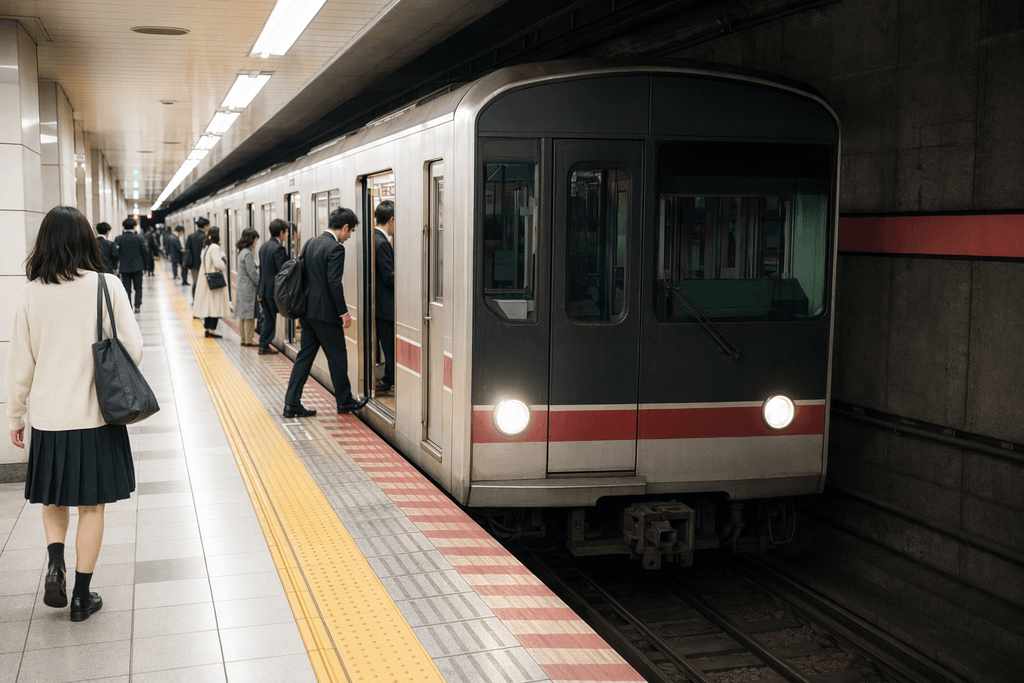
( Base form )
( romanization )
( kyūjitai )
( hiragana )
部屋
කාමරය
部屋
කාමරය
Explanation
部屋
කාමරය
部屋
කාමරය / ගෙදර කාමරයක් / නිවසේ හෝ ගොඩනැගිල්ලේ අභ්යන්තර අවකාශය

( Base form )
( romanization )
( hiragana )
Loading...

JLPT N5 多言語単語帳・665語 / JLPT N5 Multilingual Vocabulary: 665 Words

Jonathan Waller 氏の JLPT Resources の語彙リスト・レベル分類を出典とし、CC BY の条件に従って DiQt が初級向けに意味を作り直した665語の単語帳です。JLPT公式の語彙リストではありません。
This collection of 665 words is based on the vocabulary list and level classifications in Jonathan Waller’s JLPT Resources under CC BY, with meanings rewritten by DiQt for beginners. It is not an official JLPT vocabulary list.
Key Operations
Select the first quiz:
Ctrl + Enter
View Explanation:Ctrl + G
Close a feedback:Esc
When selecting a quiz
Answer:Enter
Select a choice:↓ or ↑
Reading out the question:Ctrl + K
View Hint: Ctrl + M
I don't know: Ctrl + Y



